Alveavax Car-T or Hdr Therapy: How It Works, Results and What to Expect

CAR-T therapy and HDR brachytherapy treat cancer in very different ways and are used for different cancer types. CAR-T involves collecting, modifying, and reinfusing a person’s T cells to recognize cancer cells.
Key Takeaways
- CAR-T therapy and HDR brachytherapy treat cancer in very different ways and are used for different cancer types.
- CAR-T involves collecting, modifying, and reinfusing a person’s T cells to recognize cancer cells.
- HDR brachytherapy places a temporary radiation source close to or inside a tumor to limit exposure to nearby tissues.
- Recovery, results, and possible side effects vary widely according to the treatment plan and individual health needs.
- Treatment decisions should be made with a multidisciplinary cancer team after careful assessment and discussion of alternatives.
Alveavax CAR-T or HDR therapy is not a single treatment approach. CAR-T cell therapy is an individualized immune-cell treatment mainly used for certain blood cancers, while high-dose-rate (HDR) brachytherapy is a form of internal radiation used for selected solid tumors; the appropriate option depends on the cancer type, location, stage, prior treatment, and overall health.
Overview: Alveavax CAR-T or HDR Therapy
Alveavax CAR-T or HDR therapy is a search phrase that may refer to two advanced but very different cancer treatment approaches. CAR-T cell therapy uses a patient’s own immune cells after they have been genetically modified in a laboratory to better recognize and attack cancer. High-dose-rate (HDR) brachytherapy is internal radiation treatment that delivers radiation close to a tumor for a short, carefully planned period.
These treatments are not interchangeable. CAR-T is most often considered for selected blood cancers, including some leukemias, lymphomas, and multiple myeloma that have returned or not responded adequately to other treatments. HDR brachytherapy is used for selected solid tumors, such as cancers of the prostate, cervix, uterus, breast, skin, lung, head and neck, or other sites, depending on clinical circumstances.
Choosing between cancer treatments is not based on a broad comparison alone. The cancer diagnosis, molecular findings, tumor location, spread of disease, previous treatments, symptoms, organ function, and personal priorities all inform the plan. A cancer specialist can explain whether CAR-T cell therapy or HDR brachytherapy is relevant for a particular diagnosis.
How CAR-T and HDR Brachytherapy Work
CAR-T therapy begins with T cells, a type of white blood cell that helps coordinate immune responses. Through a process called leukapheresis, blood is collected and T cells are separated. In a specialized laboratory, the cells are engineered to carry a receptor, called a chimeric antigen receptor (CAR), that helps them identify a target on cancer cells. The modified cells are multiplied and later infused back into the patient.
Before infusion, many patients receive a brief course of chemotherapy known as lymphodepleting chemotherapy. This does not usually aim to eliminate the cancer on its own; it helps create conditions in which the infused CAR-T cells can expand and work. After infusion, the cells may multiply in the body and seek out cancer cells that carry the target antigen.
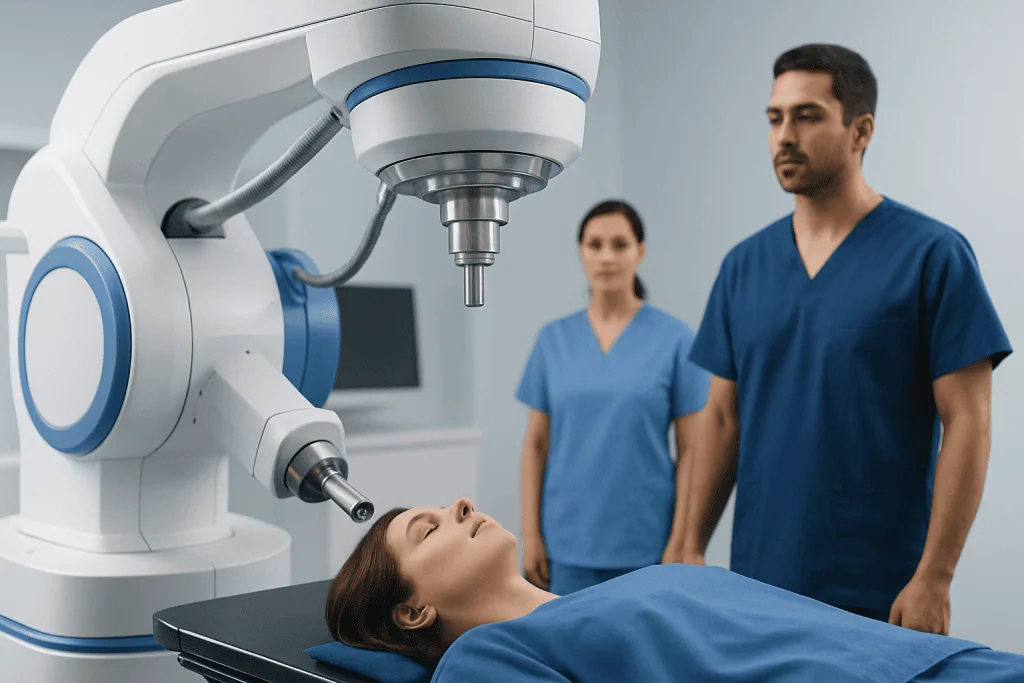
HDR brachytherapy works through a different principle. A radiation oncologist positions applicators, needles, catheters, or a temporary device in or near the treatment area. A computer-controlled radioactive source is then placed within the applicator for a planned time and removed afterward. The source is not left in the body after standard HDR treatment. Because the radiation is delivered very close to the target, the team can shape the dose precisely while aiming to protect nearby healthy tissue.
HDR brachytherapy may be used alone in certain situations or combined with external-beam radiation, surgery, chemotherapy, hormone therapy, or systemic cancer treatments. Its role is determined by the disease site and treatment goals rather than by a one-size-fits-all protocol.
Candidacy and Assessment Before Treatment

CAR-T therapy may be considered when a person has a cancer for which an approved or clinically appropriate CAR-T product is available. It is commonly evaluated after certain standard therapies have not worked, have stopped working, or cannot be tolerated. Eligibility also depends on factors such as disease burden, blood counts, heart, lung, kidney, and liver function, active infections, neurological history, performance status, and the ability to remain close to the treatment center for monitoring.
For HDR brachytherapy, suitability depends largely on the tumor’s type, size, location, stage, and relationship to surrounding organs. The care team also considers previous radiation treatment, prior surgery, anatomy, bleeding risk, ability to undergo anesthesia or sedation when needed, and whether brachytherapy can safely achieve the intended treatment dose.
Assessment may include imaging, pathology review, blood tests, physical examination, and discussions involving medical oncology, radiation oncology, hematology, surgery, radiology, pathology, nursing, and supportive-care specialists. For blood cancers, related information may be available in lymphoma care and multiple myeloma care, depending on the diagnosis.
Patients should tell their team about all medicines, supplements, allergies, prior cancer therapies, implanted devices, fertility concerns, and ongoing medical conditions. This information helps the team reduce avoidable risks and prepare an individualized plan.
Step by Step: What Happens During CAR-T and HDR Treatment
For CAR-T therapy, the process generally includes consultation and testing, T-cell collection, laboratory manufacturing, and preparation for infusion. Manufacturing can take time, and the care team may recommend treatment to control the cancer during this interval, often called bridging therapy. Once the CAR-T cells are ready, lymphodepleting chemotherapy is typically given, followed by the cell infusion, which is usually completed in a clinical setting.
Close monitoring is essential after CAR-T infusion. Depending on the specific treatment, individual risk, and local protocol, patients may be observed in hospital or monitored very closely as outpatients. The team watches for fever, low blood pressure, breathing changes, confusion, excessive sleepiness, infection, and changes in blood counts, especially during the early period after infusion.
HDR brachytherapy planning often involves imaging such as ultrasound, CT, or MRI to define the target and nearby organs. On treatment day, applicators are positioned with imaging guidance. The radioactive source enters the applicator remotely while staff monitor from a protected area; treatment delivery itself is often brief. Some conditions need one treatment session, while others need several sessions over days or weeks.
After HDR brachytherapy, applicators are removed unless a temporary device needs to remain in place between planned sessions. Patients may go home the same day or stay briefly in hospital, depending on the body area treated, anesthesia needs, and overall condition. Brachytherapy treatment planning should include clear instructions about preparation, follow-up, and expected short-term effects.
Recovery Timeline, Benefits and Possible Risks
Recovery after CAR-T therapy differs from person to person. The most intensive monitoring is commonly needed during the first days to weeks after infusion, when immune-related side effects can occur. Tiredness, reduced appetite, low blood counts, and vulnerability to infections may continue for weeks or longer. Follow-up testing helps the team assess blood counts, infection risk, disease response, and the recovery of immune function.
One important CAR-T complication is cytokine release syndrome (CRS), an inflammatory reaction caused by immune-cell activation. It can range from fever and flu-like symptoms to more serious effects on blood pressure, breathing, or organ function. Neurological side effects, infections, and prolonged low blood counts can also occur. Specialist teams are trained to monitor and treat these complications promptly.
HDR brachytherapy recovery depends on the treatment site. Short-term effects can include fatigue, local soreness, irritation of nearby skin or mucosa, urinary symptoms, bowel changes, vaginal irritation or discharge, or temporary bleeding. Many effects improve over days to weeks, but late effects can occur months or years later and vary according to the organs receiving radiation.
The potential benefit of either treatment is more targeted cancer control within its appropriate setting. However, no treatment can promise a specific outcome for every person. The oncology team balances expected benefit against short- and long-term risks and discusses alternatives, including other systemic therapies, surgery, external radiation, clinical trials, or supportive care.
How Long Does It Take to Recover From HDR Brachytherapy?
Recovery from HDR brachytherapy is often relatively quick in terms of the procedure itself, but the complete timeline depends on where the cancer is located and whether HDR is combined with other treatment. Some people resume light daily activities within a few days, while fatigue and local treatment-area symptoms may last for several weeks.
For example, pelvic treatment may cause temporary urinary, bowel, or vaginal symptoms, while treatment to the prostate may lead to urinary frequency, urgency, or discomfort. Skin and soft-tissue treatment can cause redness or tenderness in the targeted area. The radiation oncology team provides site-specific guidance on activity, hygiene, sexual health, diet, and symptom management.
Follow-up appointments are important because radiation effects may evolve gradually. Patients should not judge treatment success solely by how they feel immediately after therapy; imaging, examinations, tumor markers when relevant, and other scheduled tests provide a more reliable assessment.
How Long Does It Take for CAR T-Cell Therapy to Work?
CAR-T cells begin interacting with target-bearing cancer cells after infusion, but it takes time to determine whether the treatment has produced a response. The first formal disease assessment is often performed weeks after infusion, with timing tailored to the cancer type and treatment protocol. Additional assessments may be needed over the following months.
Some people experience a reduction in cancer signs relatively early, while others need longer observation to understand the response. Blood tests, bone marrow examinations, scans, and specialized tests for minimal residual disease may be used, depending on the diagnosis. The presence or severity of treatment side effects does not reliably indicate how well CAR-T is working.
During this period, the team also focuses on safety. Preventing and treating infections, monitoring blood counts, managing fatigue, and arranging vaccinations or immune-support measures when appropriate are important parts of recovery. Patients should keep all planned follow-up visits even if they feel well.
What Is the Success Rate of HDR Brachytherapy?
There is no single success rate for HDR brachytherapy because outcomes differ substantially by cancer type, stage, treatment intent, tumor biology, use of other therapies, and the definition of success. In some settings, HDR brachytherapy is used with curative intent; in others, it may help reduce symptoms, treat a localized recurrence, or improve local control as part of a broader plan.
For a meaningful discussion of expected results, the radiation oncologist considers the individual pathology report, imaging, previous treatments, and treatment objective. They may discuss measures such as local control, response rate, disease-free survival, overall survival, or symptom relief, but these terms are not interchangeable and should be interpreted in the context of a specific cancer.
Patients can ask how HDR brachytherapy fits into their overall treatment plan, what outcomes are realistic for their diagnosis, which side effects are most relevant, and how the team will monitor response. This approach gives more useful information than applying a general percentage to an individual case.
How Do You Know If CAR-T Therapy Is Working?
CAR-T therapy is evaluated through planned clinical and laboratory assessments, not through symptoms alone. Depending on the cancer, clinicians may use PET-CT or CT scans, bone marrow testing, blood tests, protein measurements, and sensitive tests that look for very small amounts of remaining disease. The timing and type of testing are individualized.
Improving symptoms can be encouraging, but symptoms may also change because of treatment effects, infections, anemia, or other health issues. Likewise, fever or cytokine release syndrome does not prove that the therapy will be effective. The most dependable information comes from the scheduled response evaluations interpreted by the hematology or oncology team.
If cancer is still present or later returns, the team can discuss next steps. Options depend on the diagnosis and prior treatments and may include additional systemic therapy, radiation, transplantation in selected cases, a clinical trial, or supportive care focused on comfort and quality of life.
When to Seek Medical Care
Anyone receiving CAR-T therapy should contact their treatment team urgently for fever, chills, shortness of breath, chest pain, dizziness, fainting, confusion, severe headache, new weakness, seizure-like activity, unusual bleeding, severe vomiting or diarrhea, or a rapid worsening in how they feel. These symptoms may have many causes, but prompt assessment is important after cellular therapy.
After HDR brachytherapy, patients should seek advice promptly for fever, heavy bleeding, severe or worsening pain, inability to pass urine, persistent vomiting, sudden shortness of breath, or symptoms that feel severe or unusual. The team should also be contacted if treatment-area symptoms are not improving as expected.
For planned cancer care, multidisciplinary specialists at Acibadem International and its JCI-accredited hospitals assess and treat international patients using individualized diagnostic and treatment pathways. Patients should use the emergency contact instructions provided by their own cancer team rather than waiting for a routine appointment when urgent symptoms occur.
Frequently asked questions
Are CAR-T therapy and HDR brachytherapy used for the same cancers?
Usually, no. CAR-T therapy is primarily used for selected blood cancers, while HDR brachytherapy is used for certain solid tumors. In unusual circumstances, a person may receive different cancer treatments at different stages of care, but each has a distinct purpose.
Is CAR-T cell therapy a type of chemotherapy?
CAR-T therapy is a form of cellular immunotherapy, not conventional chemotherapy. However, chemotherapy is often given before CAR-T infusion to prepare the immune system and support CAR-T cell expansion.
Does HDR brachytherapy make a person radioactive afterward?
Standard HDR brachytherapy uses a temporary radioactive source that is removed after each treatment. Once the source has been removed, the patient does not remain radioactive and does not expose family members or other people to radiation.
How long does it take to recover from HDR brachytherapy?
Many people recover from the procedure within days, but fatigue and site-specific effects can last for several weeks. The timeline depends on the treatment area, total treatment plan, and whether other cancer therapies are being given.
How long does it take for CAR T-cell therapy to work?
CAR-T cells begin acting after infusion, but response is usually assessed through planned tests over the following weeks and months. The exact schedule depends on the type of blood cancer and the treatment protocol.
What is the success rate of HDR brachytherapy?
A single success rate cannot accurately describe HDR brachytherapy because results vary by cancer type, stage, treatment purpose, and use of combined therapies. A radiation oncologist can explain the expected outcomes most relevant to the individual diagnosis.
How do you know if CAR-T therapy is working?
Doctors assess CAR-T response with examinations, blood tests, imaging, bone marrow testing, or specialized disease-monitoring tests when appropriate. Symptoms and side effects alone cannot reliably show whether the therapy is working.
References
- National Cancer Institute
- American Cancer Society
- European Society for Medical Oncology
- American Society for Radiation Oncology
- U.S. Food and Drug Administration
This article is for general information only and is not a substitute for professional medical advice. Please consult a qualified doctor about your individual situation.
Oncology care in Turkey — second opinion and treatment plan
JCI-accredited · board-certified surgeons · reply within 24h
Add us as a Preferred Source to see more of our trusted health content across Google Search, AI Overviews and Discover.