Camptodactyly Treatment: How It Works, Results and What to Expect

Camptodactyly is a fixed bending deformity, most often affecting the little finger at its middle joint. Many mild cases do not need surgery and can be monitored with hand therapy and splinting.
Key Takeaways
- Camptodactyly is a fixed bending deformity, most often affecting the little finger at its middle joint.
- Many mild cases do not need surgery and can be monitored with hand therapy and splinting.
- Surgery is generally reserved for substantial, progressive or function-limiting contractures.
- Results vary because several tissues may contribute to the bend, and recurrence can occur as a child grows.
- A hand surgeon can assess function, joint flexibility and associated conditions before recommending treatment.
Camptodactyly treatment is individualized and usually begins with observation, gentle stretching, splinting and hand therapy. Surgery may be considered when a finger contracture is severe, progressing or limiting hand function, but it does not always create a completely straight finger.
Overview: How Camptodactyly Treatment Works
Camptodactyly is a condition in which one or more fingers remain bent, usually at the middle finger joint, called the proximal interphalangeal (PIP) joint. The little finger is affected most often. The bend may be present at birth, develop during childhood, or become more noticeable during growth spurts in adolescence.
Camptodactyly treatment aims to preserve or improve comfortable hand function rather than to make every finger perfectly straight. Care may include observation, stretching programs, custom splints and hand therapy. When the contracture is severe, getting worse, or interfering with daily activities, a hand surgeon may discuss hand surgery to release or rebalance the tissues holding the finger in a bent position.
The best approach depends on the degree of bend, whether the joint can still be moved passively, the person’s age, symptoms and practical hand use. A careful assessment helps set realistic goals, because forceful correction can sometimes create stiffness, weakness or recurrence.
Assessment and Candidacy for Treatment
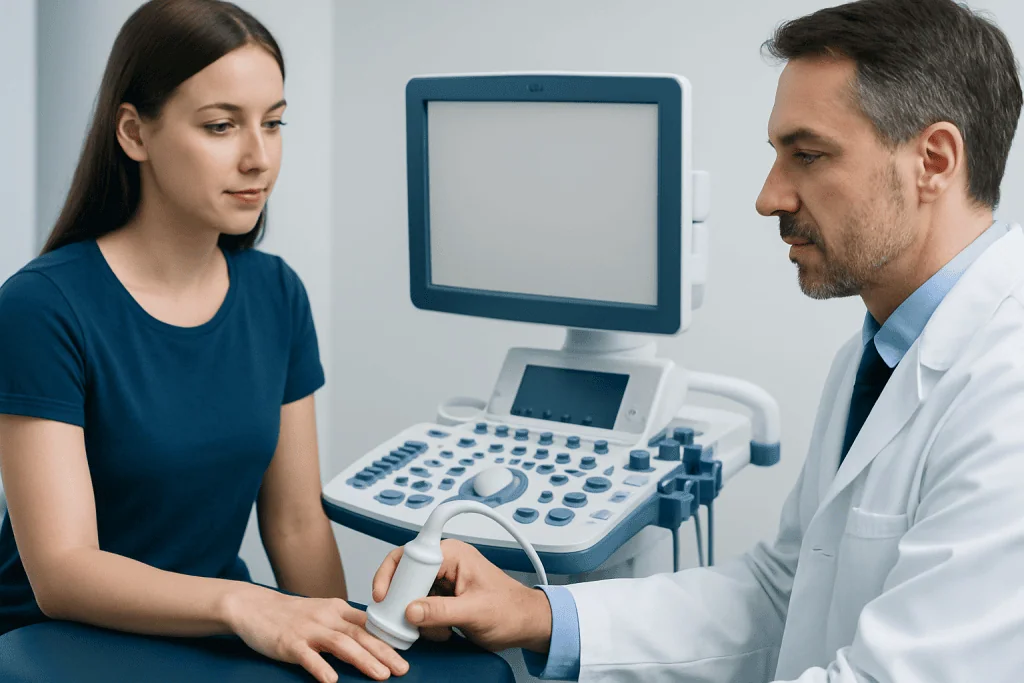
A clinician usually diagnoses camptodactyly through a physical examination. They assess which joints are involved, measure the degree of contracture, compare both hands and check whether the finger can be gently straightened. They also evaluate tendon balance, skin tightness, joint stability, strength and the ability to grip, write, type, play instruments or perform other relevant tasks.
X-rays are not always necessary, particularly in flexible, uncomplicated cases. They may be used when the deformity is severe, longstanding, follows an injury, involves several joints, or when the clinician needs to examine joint alignment and bone development. If camptodactyly occurs with other physical findings, genetic assessment or input from additional specialists may be appropriate.
Conservative treatment is commonly suitable for mild or flexible contractures without functional difficulty. Surgical evaluation may be appropriate when the bend is substantial, progressive despite supervised non-surgical care, painful, or meaningfully limits function. The decision is individualized; the appearance of the finger alone is not usually the only reason for an operation.
- Children may need periodic review because finger growth can change the contracture.
- Adults with a stable, mild bend may need no active treatment if hand function is good.
- People considering surgery should be able to participate in rehabilitation and follow-up care.
Non-Surgical Camptodactyly Treatment

Non-surgical treatment commonly involves a program designed by a hand therapist or occupational therapist. This may include gentle, regular range-of-motion exercises, stretching and a custom-made splint that holds the finger in a more extended position. Splints may be worn at night, during selected daytime activities, or according to a specialist’s plan.
For flexible contractures, consistent splinting and therapy may improve extension or help prevent worsening. Progress tends to be gradual, and the plan often needs adjustment as a child grows or as the hand’s activities change. Exercises should be comfortable and controlled; attempting to forcibly straighten a finger can cause pain or tissue irritation.
Observation can also be an appropriate form of care. A hand specialist may document the finger position and function over time, then recommend treatment only if there is progression or a practical concern. Families should understand that camptodactyly can be longstanding and that management may focus on function, comfort and maintaining movement.
What Are the Surgical Options for Treating Camptodactyly?
Surgery for camptodactyly is not one single procedure. During planning, the surgeon identifies the structures contributing to the contracture, which may include tight skin, abnormal or shortened tendon structures, ligaments around the joint, or changes in the joint capsule. The operation is tailored to those findings and to the desired functional goal.
Possible procedures include releasing tight soft tissues around the PIP joint, lengthening or repositioning a tendon, releasing a tight volar plate or joint capsule, and using skin rearrangement or a skin graft when skin is too tight to allow correction. In selected severe, stiff cases, more extensive joint procedures may be discussed. The surgeon may need to make some decisions during surgery after directly examining the tissues.
The procedure is usually performed under anesthesia, often as day surgery. After the incision is made, the surgeon carefully releases or reconstructs the identified tight structures and gradually improves finger extension while protecting nerves, blood vessels and tendons. The finger is then dressed and commonly supported in a splint; hand therapy is an important part of the result.
Surgery can improve finger position and practical use in selected people, but it has limits. A completely straight finger may not be achievable or advisable, especially with longstanding stiffness. Recurrence, reduced bending ability and residual contracture are possible, so the expected benefits and trade-offs should be discussed before an operation.
Recovery Timeline, Benefits and Risks
Recovery after surgery varies with the procedure performed, the severity of the contracture and the person’s healing response. A dressing and splint are often used initially to protect the correction. Early follow-up is arranged to check wound healing, adjust splints and begin an appropriate supervised movement program.
Hand therapy may continue for weeks or longer. The therapist may use exercises, scar care, edema control and custom splints to maintain as much correction and movement as possible. Return to school, desk work or routine light activities is often possible before full recovery, while activities that place stress on the hand may need to wait until the surgeon advises it is safe.
Potential benefits include better finger extension, easier hand placement, improved ability to perform selected tasks and reduced problems from a finger catching on objects. Risks include infection, bleeding, wound-healing problems, scar sensitivity, numbness, stiffness, reduced finger flexion, tendon or nerve injury, incomplete correction and recurrence. These risks are not inevitable, but they should be part of informed decision-making.
It is important to attend all follow-up appointments. Camptodactyly may recur, particularly during periods of growth, and a splinting plan may be needed after treatment. The care team can advise when to return to sports, instruments, manual work and other activities.
How Rare Is Camptodactyly?
Camptodactyly is considered an uncommon hand condition. It may occur as an isolated finding in one finger or in several fingers, and it can affect one or both hands. Mild cases may never come to medical attention, so its true frequency is difficult to determine precisely.
There is no single pattern for all people. Some have a mild, stable bend that causes little inconvenience, while others notice progression during childhood or adolescence. The little finger is the typical site, but other fingers can be involved, particularly when camptodactyly is part of a broader genetic or developmental condition.
Its uncommon nature does not mean that treatment is always complex. Pediatric orthopedic specialists, plastic and reconstructive surgeons with hand expertise, hand therapists and genetic specialists can work together when needed to clarify the diagnosis and plan care.
What Syndromes Are Associated With Camptodactyly?
Camptodactyly can occur on its own, which is common, but it may also be seen as part of certain genetic or developmental syndromes. Examples include distal arthrogryposis conditions, Freeman-Sheldon syndrome, Beals syndrome, congenital contractural arachnodactyly and some connective-tissue or chromosomal conditions. The presence of camptodactyly does not by itself mean a person has one of these syndromes.
A clinician may consider further assessment when several fingers are affected, there are contractures in other joints, unusual facial features, differences in growth or development, muscle weakness, hearing or vision concerns, or a relevant family history. Genetic counseling can help families understand whether testing is useful and what results may mean.
When camptodactyly is associated with another condition, treatment still focuses on the person’s hand function and overall needs. Coordinated care can include hand surgery, rehabilitation, pediatrics, genetics and other specialties as appropriate.
Is Camptodactyly a Disability?
Camptodactyly is not automatically a disability. Many people have a mild finger contracture and use their hands normally in everyday life, education, work, sports and hobbies. Whether it is disabling depends on the severity of the bend, the number of fingers involved, the dominant hand, associated symptoms and the functional requirements of the individual.
More significant contractures may make some tasks harder, such as gripping wide objects, placing a hand flat, wearing gloves, playing certain instruments or performing detailed hand work. Functional assessment is more useful than appearance alone when deciding whether treatment, accommodations or rehabilitation support would be helpful.
Local legal and educational definitions of disability vary. A doctor, therapist or school/workplace support professional can document specific functional needs and discuss practical accommodations where relevant.
When to Seek Medical Care
A person should arrange a medical assessment if a finger is persistently bent and cannot be fully straightened, especially if the bend is increasing or affects daily hand use. Evaluation is also sensible for a child whose finger position changes during a growth spurt, even if the child does not report pain.
Prompt assessment is important if finger deformity develops after an injury, is accompanied by marked pain, swelling, redness, numbness or weakness, or appears suddenly. These features may indicate a problem other than typical camptodactyly and need timely medical attention.
Acibadem International’s multidisciplinary specialists and JCI-accredited hospitals assess and treat hand conditions for international patients. A qualified hand specialist can explain whether monitoring, therapy, splinting or surgery is most suitable for the individual situation.
Frequently asked questions
Can camptodactyly be corrected without surgery?
Yes. Mild or flexible camptodactyly is often managed with observation, gentle stretching, custom splints and hand therapy. These measures may improve motion or help prevent progression, although they may not fully straighten every finger.
At what point is surgery considered for camptodactyly?
Surgery may be considered when the contracture is severe, worsening, difficult to manage with non-surgical treatment, or clearly limits hand function. A hand surgeon considers joint flexibility, tissue tightness, age, activities and the person’s rehabilitation needs before recommending an operation.
Will surgery make the finger completely straight?
Not always. Surgery may improve extension and function, but a residual bend can remain, particularly in longstanding or rigid contractures. The surgeon will discuss realistic goals and the possibility of recurrence or reduced finger bending.
Does camptodactyly get worse with age?
It can remain stable, but some cases become more pronounced during periods of rapid growth, particularly in childhood or adolescence. Regular review may be recommended for children so changes in finger position and function can be identified early.
Is camptodactyly painful?
Camptodactyly is often painless. Discomfort may occur if the finger is strained, if the contracture interferes with an activity, or if another hand problem is present. New or significant pain should be assessed by a healthcare professional.
Can adults receive treatment for camptodactyly?
Yes. Adults can benefit from assessment, hand therapy, splinting or surgery when the condition causes functional difficulty or other significant concerns. Treatment goals may differ from those in children because adult contractures can be more established and joint stiffness may be greater.
References
- American Society for Surgery of the Hand
- OrthoInfo, American Academy of Orthopaedic Surgeons
- National Organization for Rare Disorders
- MedlinePlus Genetics
This article is for general information only and is not a substitute for professional medical advice. Please consult a qualified doctor about your individual situation.
Joint and spine care in Turkey — expert assessment & treatment
JCI-accredited · board-certified surgeons · reply within 24h
Add us as a Preferred Source to see more of our trusted health content across Google Search, AI Overviews and Discover.