

Pidd Treatment: How It Works, Results and What to Expect

PIDD is a group of inherited immune-system conditions, so treatment differs substantially between individuals. Antibody replacement, preventive antibiotics, vaccinations planned with a specialist, and prompt infection treatment are common approaches.
Key Takeaways
- PIDD is a group of inherited immune-system conditions, so treatment differs substantially between individuals.
- Antibody replacement, preventive antibiotics, vaccinations planned with a specialist, and prompt infection treatment are common approaches.
- Severe forms such as severe combined immunodeficiency may require urgent specialist care and can be treated with stem cell transplantation.
- Many people with PIDD can reduce infections and improve daily functioning with regular monitoring and tailored treatment.
- Repeated, severe, unusual, or difficult-to-treat infections should be assessed by an immunology specialist.
PIDD treatment is individualized care for primary immunodeficiency diseases, focused on preventing infections, replacing missing antibodies when needed, and correcting the immune problem in selected cases. The best plan depends on the type and severity of immune deficiency, a person’s infection history, age, and overall health.
PIDD Treatment: How It Works
PIDD treatment refers to care for primary immunodeficiency diseases (PIDDs), also called inborn errors of immunity. These are usually genetic conditions in which one or more parts of the immune system do not work as expected. Treatment does not follow one fixed procedure or timetable; it is designed around the specific immune defect and the infections, inflammation, autoimmune problems, or other complications a person experiences.
The main goals are to prevent infections, treat infections promptly and effectively, limit damage to organs such as the lungs, and support normal development and quality of life. For people who do not make enough protective antibodies, immunoglobulin replacement can supply antibodies collected and purified from screened donor plasma. It does not permanently change the underlying genetic condition, but it can reduce susceptibility to many bacterial infections.
Other people may need preventive antimicrobial medicines, targeted medicines for immune dysregulation, nutritional support, or treatment for complications such as chronic lung disease. In selected severe PIDDs, especially those affecting multiple immune-cell types, hematopoietic stem cell transplantation may replace the faulty blood-forming immune system and offer a potential cure.
Care is commonly coordinated by a clinical immunologist with input from infectious disease, pulmonology, hematology, gastroenterology, genetics, and pediatric specialists when appropriate. A detailed primary immunodeficiency disease assessment helps guide treatment choices and ongoing monitoring.
Early Signs, Symptoms and When to Seek Medical Care
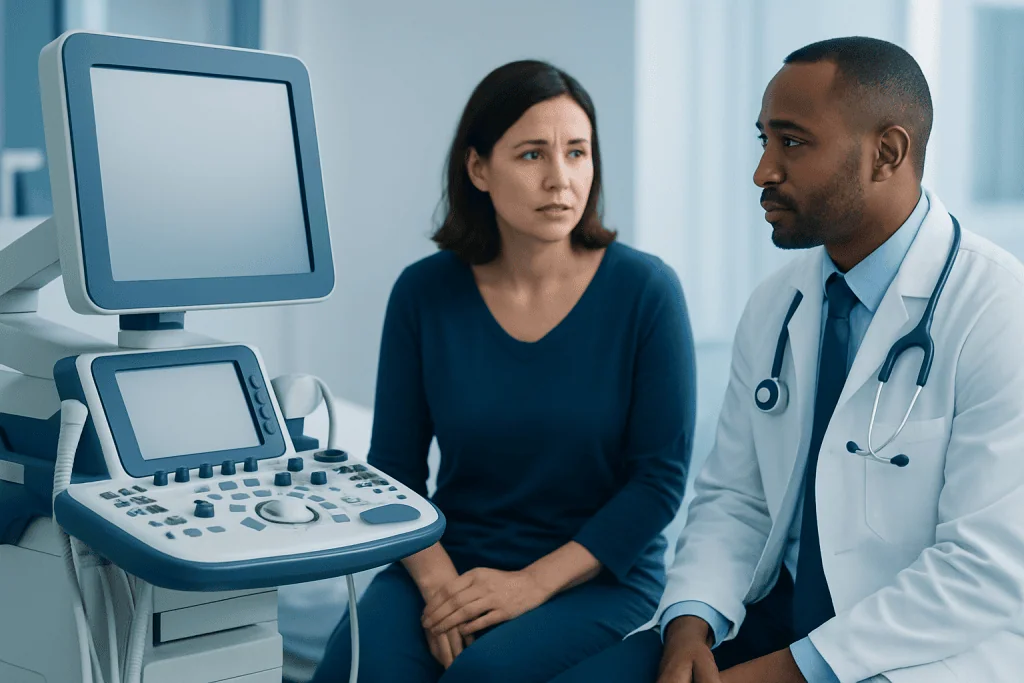
The early signs of PIDD can vary from infancy to adulthood. Recurrent infections are common, but frequent infections alone do not necessarily mean a person has an immune deficiency. The pattern matters: infections that are unusually severe, persistent, caused by uncommon organisms, recur after appropriate treatment, or lead to complications deserve medical evaluation.
Possible early signs of PIDD include repeated ear, sinus, chest, or skin infections; pneumonia more than once; prolonged diarrhea; poor weight gain or growth in children; deep abscesses; persistent thrush; and a family history of immune deficiency or early unexplained deaths from infection. Some people first come to attention because of autoimmune disease, chronic inflammation, enlarged lymph nodes, or certain blood abnormalities rather than recurrent infections.
Medical care should be sought promptly for high fever with significant illness, breathing difficulty, blue or gray lips, confusion, marked drowsiness, dehydration, a rapidly spreading rash, or signs of severe infection. Infants with persistent thrush, poor feeding, failure to gain weight, or repeated serious infections should be evaluated without delay. Severe combined immunodeficiency is a medical emergency in infancy because infections can become serious quickly.
People with recurring infections should discuss the pattern with a doctor, including infection sites, test results, hospital visits, antibiotic use, and family history. This information can help distinguish common childhood or seasonal infections from a possible immune-system disorder.
How Is PIDD Diagnosed and Who Is a Candidate for Treatment?

PID treatment diagnosis begins with a clinical history and examination rather than a single test. A doctor may ask about the number and types of infections, how well treatments worked, whether infections were unusually severe, growth and nutrition, vaccination history, and relatives with similar health concerns. The evaluation also considers other explanations for recurrent infections, including allergies, asthma, structural airway problems, chronic diseases, medication effects, and secondary immune deficiency.
Initial blood tests may include a complete blood count with differential, quantitative immunoglobulin levels, and measurement of antibody responses to selected vaccines. Depending on the findings, specialists may assess lymphocyte subsets and function, complement activity, neutrophil function, or genetic causes. Imaging and lung-function testing may be used when recurrent respiratory infections have caused ongoing symptoms or suspected organ damage.
Anyone with a confirmed PIDD is a candidate for an individualized management plan, but the form of treatment depends on the diagnosis. Immunoglobulin replacement is most helpful for people with clinically significant antibody deficiency or impaired antibody function. Stem cell transplantation is considered particularly for severe, potentially life-threatening immune defects, including many forms of severe combined immunodeficiency, and requires detailed assessment at a specialist center.
Genetic counseling may be helpful for affected individuals and families. It can clarify inheritance, inform testing of relatives, and support decisions about family planning. A diagnosis can take time when symptoms are mild or laboratory findings are complex, but treatment for active infections and preventive care should not be unnecessarily delayed.
What Happens During PIDD Treatment?
There is no single PIDD procedure. A treatment plan may begin with treating any current infection, reviewing medication and vaccine safety, and establishing a monitoring schedule. For antibody deficiencies, immunoglobulin replacement is often delivered either intravenously in a clinic or hospital setting or subcutaneously under the skin, sometimes at home after suitable training. The route and schedule are selected according to the diagnosis, lifestyle, vein access, tolerability, and medical advice.
Intravenous immunoglobulin is given by infusion at regular intervals, while subcutaneous immunoglobulin is usually administered in smaller, more frequent doses. During infusions, the care team monitors for reactions such as headache, chills, rash, or changes in blood pressure. Most reactions are manageable by adjusting the infusion rate, providing supportive medication when appropriate, or changing the product or delivery method.
Preventive antibiotics or antivirals may be used for certain immune defects, particularly when infections remain frequent or a person is waiting for a definitive treatment. Vaccines must be individualized: many people can receive recommended non-live vaccines, while some people with significant T-cell immune deficiency should avoid live vaccines. The treating immunologist should provide clear vaccine guidance.
For severe PIDD, stem cell transplantation involves collecting donor stem cells, preparing the recipient when needed, infusing the cells, and closely monitoring immune recovery and complications. This is a specialized treatment with a longer recovery period. When appropriate, hematopoietic stem cell transplantation may be discussed as part of a comprehensive plan.
PID Treatment Duration, Results and Recovery Timeline
People often ask, “PID treatment takes how long?” The answer depends on the type of PIDD and the therapy used. Treatment for an acute infection may last days to weeks, while preventive treatment and immunoglobulin replacement may continue long term. For many antibody deficiencies, immunoglobulin therapy is an ongoing treatment because it supplies antibodies but does not correct the underlying genetic cause.
PID treatment days also vary by delivery method. Intravenous immunoglobulin generally involves scheduled infusion visits, while subcutaneous therapy is usually given more frequently in shorter sessions. A clinician monitors infection frequency, medication tolerance, immunoglobulin levels when relevant, lung health, and everyday wellbeing to adjust the plan over time.
Results are commonly measured by fewer or less severe infections, reduced need for urgent antibiotics or hospitalization, better energy, improved school or work attendance, and protection of organs from repeated infection. Improvement may be gradual, particularly if a person has had chronic sinus or lung disease before diagnosis. Regular follow-up remains important even when symptoms improve.
Recovery after stem cell transplantation is more intensive and can take months or longer. It includes infection precautions, frequent blood tests, monitoring for graft-related complications, and careful coordination of vaccines after immune recovery. The transplant team provides personalized advice about daily activities, travel, school, work, and contact with others during recovery.
Benefits, Risks and Everyday Self-Care
The potential benefit of PIDD treatment is better infection control and reduced risk of long-term complications. For people receiving immunoglobulin replacement, this may mean fewer bacterial respiratory infections and a more predictable daily life. Early diagnosis and appropriate treatment can be especially important for preserving lung health and supporting growth and development in children.
All treatments have potential risks. Immunoglobulin therapy can cause infusion-related symptoms, including headache, fatigue, chills, fever, nausea, or local swelling with subcutaneous treatment. Serious reactions are uncommon but require medical assessment. Preventive antibiotics can contribute to side effects and antimicrobial resistance, so they are prescribed only when the likely benefit outweighs these concerns.
Stem cell transplantation carries more substantial risks, including serious infections, graft-versus-host disease, organ effects from conditioning treatment, and graft failure. These risks must be balanced against the severity of the immune deficiency and discussed carefully with an experienced transplant and immunology team. The choice is individualized; transplantation is not necessary or appropriate for every PIDD.
Self-care includes taking prescribed medicines consistently, keeping a written infection record, attending follow-up appointments, practicing hand hygiene, avoiding tobacco smoke, and maintaining a balanced diet and adequate sleep. Infection-exposure precautions should be realistic and personalized rather than isolating. People should ask their clinician before using supplements, herbal products, or over-the-counter immune “boosters.”
Which Vitamins Are Beneficial for People With Immunodeficiency?
No vitamin can replace immune treatment or cure PIDD. People with immunodeficiency generally benefit most from a varied diet that provides enough protein, calories, vitamins, and minerals, together with treatment of confirmed nutritional deficiencies. Vitamin D, vitamin B12, iron, folate, zinc, and other nutrients may be tested or supplemented when a clinician identifies a deficiency or a person has a specific risk factor such as malabsorption, restricted eating, or chronic gastrointestinal disease.
Taking high-dose vitamins without medical guidance is not recommended. Excessive doses of certain nutrients can cause harm, interact with medications, or create false reassurance that delays needed medical care. Supplements should be chosen with a doctor or registered dietitian, particularly for children, pregnant people, and those receiving transplant-related treatment.
Nutrition support may be especially relevant when recurrent illness affects appetite, growth, or absorption. A clinician may investigate chronic diarrhea, weight loss, or poor growth because these can reflect infection, inflammation, autoimmune disease, or another condition requiring specific care beyond vitamins.
What Is the Life Expectancy of Someone With Primary Immunodeficiency Disease?
Life expectancy with primary immunodeficiency disease varies widely and cannot be predicted from the label “PIDD” alone. Some people have relatively mild antibody deficiencies and live a typical lifespan with appropriate monitoring and treatment. Others have severe immune defects that can become life-threatening early in life without timely specialized care.
Earlier diagnosis, effective infection prevention, immunoglobulin replacement when indicated, and access to stem cell transplantation for appropriate severe conditions have improved outcomes for many people. Individual outlook depends on the exact disorder, age at diagnosis, complications such as chronic lung disease, response to treatment, and whether a potentially curative therapy is available.
Families should ask the treating immunologist about the outlook for their specific diagnosis rather than relying on general estimates. Acibadem International’s multidisciplinary specialists and JCI-accredited hospitals provide diagnostic evaluation and treatment planning for international patients with complex immune conditions.
Frequently asked questions
What is the most common manifestation of severe combined immunodeficiency disease?
The most common manifestation of severe combined immunodeficiency, or SCID, is severe and recurrent infection beginning early in infancy. Persistent oral thrush, chronic diarrhea, poor growth, and pneumonia are also important warning signs. Because SCID affects key parts of the immune system, prompt specialist assessment is essential.
What are the early signs of PIDD?
Early signs can include unusually frequent, severe, persistent, or recurrent infections, especially ear, sinus, chest, skin, or gastrointestinal infections. Poor growth, persistent thrush, deep abscesses, and a family history of immune deficiency can also be clues. These signs do not confirm PIDD on their own, but they warrant discussion with a healthcare professional.
Is PIDD treatment lifelong?
Some forms of PIDD require long-term treatment, particularly when immunoglobulin replacement is needed for ongoing antibody deficiency. Other conditions may improve with treatment of an underlying cause, while selected severe genetic immune deficiencies may be treated with stem cell transplantation. The expected duration should be reviewed with an immunologist after the specific diagnosis is clear.
How long does immunoglobulin treatment take?
The duration of each session depends on whether immunoglobulin is given intravenously or subcutaneously, the prescribed regimen, and individual tolerance. Intravenous treatment is generally administered at scheduled intervals in an infusion setting, whereas subcutaneous treatment is usually given in shorter, more frequent sessions. A specialist can recommend the most suitable schedule.
Can people with PIDD receive vaccines?
Many people with PIDD can receive certain vaccines, but recommendations depend on the type and severity of immune deficiency. Some people, particularly those with substantial T-cell defects, should not receive live vaccines. Vaccination plans should always be reviewed with the treating immunologist.
Can PIDD be cured?
Many PIDDs are managed rather than cured, using infection prevention, immunoglobulin replacement, and treatment of complications. However, hematopoietic stem cell transplantation can be potentially curative for some severe immune deficiencies. Suitability depends on the diagnosis, health status, donor options, and transplant-related risks.
References
- World Health Organization
- Centers for Disease Control and Prevention
- National Institute of Allergy and Infectious Diseases
- Immune Deficiency Foundation
- European Society for Immunodeficiencies
This article is for general information only and is not a substitute for professional medical advice. Please consult a qualified doctor about your individual situation.
Explore treatments in Turkey — costs, top hospitals & a free quote
JCI-accredited · board-certified surgeons · reply within 24h
Add us as a Preferred Source to see more of our trusted health content across Google Search, AI Overviews and Discover.

More from the Health Library



Related Specialists

Prof. Dr. Namık Şahin
Orthopedic Surgery & Traumatology
Dr. Ayfer Pepekal Kükrer
Gynecology & Obstetrics
Dr. Serpil Kılınç
Internal Medicine
Assoc. Prof. Dr. Mehmet Altiparmak
Aesthetic Plastic & Reconstructive Surgery