Brownfield Rehab and Care Center: An Evidence-Based Patient Guide

Rehabilitation centers support recovery after hospitalization, surgery, injury, stroke, or a decline in daily function. Care plans may combine nursing, physician oversight, physical therapy, occupational therapy, speech therapy, nutrition support, and social services.
Key Takeaways
- Rehabilitation centers support recovery after hospitalization, surgery, injury, stroke, or a decline in daily function.
- Care plans may combine nursing, physician oversight, physical therapy, occupational therapy, speech therapy, nutrition support, and social services.
- A pre-admission assessment helps determine whether skilled rehabilitation, home-based care, outpatient therapy, or another setting is most suitable.
- Progress is reviewed regularly, with discharge planning beginning early to support a safe transition home or to another care setting.
- Families should ask about staffing, therapy frequency, emergency procedures, communication practices, discharge planning, and available specialist care.
Brownfield Rehab and Care Center commonly describes a setting that provides short-term rehabilitation, skilled nursing support, and sometimes longer-term residential care. The appropriate services depend on the person’s medical condition, functional needs, recovery goals, and the level of supervision recommended by their clinical team.
What Brownfield Rehab and Care Center May Provide
Brownfield Rehab and Care Center is generally searched by people looking for rehabilitation, skilled nursing, or supportive care after a health event. Although services vary by location and facility, rehabilitation centers often help people regain mobility, independence, communication, swallowing ability, and confidence with daily activities after an illness, injury, surgery, or hospital stay.
Care may be short term, such as a stay after joint replacement, fracture repair, pneumonia, stroke, or a period of weakness following hospitalization. Some people also need longer-term nursing care when complex medical needs or substantial assistance with daily activities cannot be safely managed at home.
A rehabilitation center is not simply a place to stay while recovering. Its purpose is to provide coordinated clinical care and goal-directed therapy. The best setting depends on the person’s diagnosis, current health stability, expected recovery, family support, and ability to participate in therapy.
Who May Benefit From Rehabilitation Care

Rehabilitation care may be considered when a person is medically stable enough to leave acute hospital care but still needs nursing observation, therapy, medication management, wound care, or assistance with essential activities. These activities can include walking, transfers, bathing, dressing, eating, toileting, and managing stairs safely.
Common reasons for referral include recovery after orthopedic surgery, a fall or fracture, serious infection, heart or lung illness, neurological conditions, deconditioning after a prolonged hospital stay, and reduced independence associated with older age or chronic disease. People recovering from stroke may need coordinated physical, occupational, and speech-language therapy, depending on their symptoms.
Candidacy is individualized. A care team considers whether the person can safely receive care in the planned setting, whether therapy is likely to be beneficial, how much medical oversight is needed, and what practical support will be available after discharge. If needs are less intensive, home health services or outpatient rehabilitation may be more appropriate.
How a Rehabilitation Care Plan Works
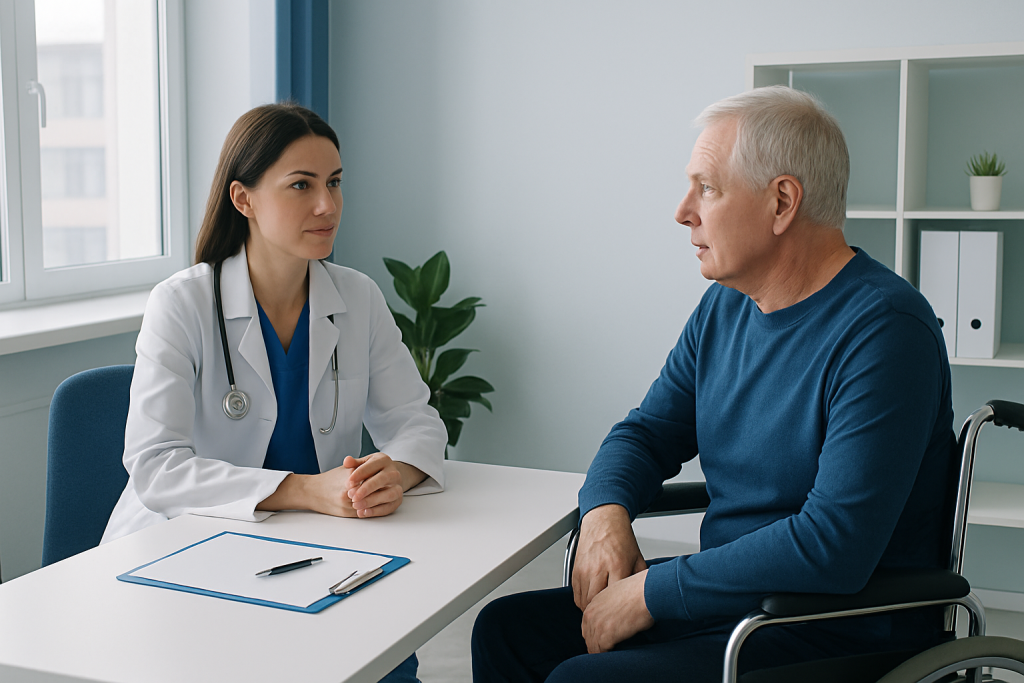
Rehabilitation is usually delivered by a multidisciplinary team. Depending on the person’s needs, this may include physicians, nurses, physical therapists, occupational therapists, speech-language pathologists, dietitians, pharmacists, psychologists, case managers, and social workers. The patient and, when appropriate, family members should be active participants in planning.
Physical therapy focuses on movement, strength, balance, endurance, transfers, and safe walking. Occupational therapy addresses everyday tasks, including dressing, bathing, meal preparation, and the use of adaptive equipment. Speech-language therapy can help with communication, thinking skills, voice, and swallowing concerns. Physical therapy may be central to recovery after injury, surgery, weakness, or impaired balance.
Care plans are adjusted as health and function change. Clinical teams monitor symptoms, pain, skin integrity, nutrition, hydration, medications, sleep, mood, and safety risks alongside therapy progress. The aim is to help each person reach the highest practical level of function while supporting dignity and realistic goals.
What to Expect: Assessment Through Discharge
The process commonly begins with a referral from a hospital, primary care clinician, specialist, or family. Before admission, the rehabilitation team reviews the medical diagnosis, current medications, nursing needs, therapy goals, mobility, cognition, swallowing status, infection precautions, and the person’s ability to take part in treatment.
After admission, staff complete a more detailed evaluation and develop a personalized plan. The patient may take part in scheduled therapy sessions, nursing care, medical reviews, meals designed around nutritional needs, and education about medications or equipment. Family meetings may be arranged to clarify goals and address practical concerns.
Discharge planning should start early rather than waiting until the final days of a stay. The team may recommend home modifications, mobility aids, caregiver training, follow-up appointments, outpatient therapy, or home health support. For people with ongoing mobility limitations, occupational therapy can help make everyday routines safer and more manageable after discharge.
Recovery Timeline and Expected Progress
Recovery timelines vary widely. Some people need only a brief period of rehabilitation after an uncomplicated procedure or temporary loss of strength, while others need weeks or longer to rebuild function after a neurological event, severe illness, major injury, or prolonged immobility. Progress is rarely identical from one person to another.
Recovery may depend on the underlying condition, age, previous mobility, pain control, nutrition, sleep, motivation, cognitive function, therapy participation, and complications such as infection or a new medical problem. Progress may occur in small but meaningful steps, such as standing with less assistance, walking farther, using the bathroom more independently, or returning to safer eating and communication.
A realistic plan recognizes both goals and limits. The team should explain what improvement is reasonably expected, what support may still be needed, and which warning signs require medical review. Continuing rehabilitation after discharge can be important for maintaining gains and reducing the risk of functional decline.
Benefits, Limitations, and Possible Risks
Potential benefits of a structured rehabilitation program include improved mobility, safer transfers, greater independence with daily tasks, better endurance, improved confidence, and support for a planned return home. Skilled nursing care can also help manage medications, wounds, nutritional concerns, chronic illnesses, and recovery-related symptoms while therapy is underway.
Rehabilitation is not risk-free, especially for people who are medically frail or have complex health conditions. Possible concerns include falls, skin injury from pressure, medication side effects, infection exposure, fatigue, pain flares, delirium, dehydration, and emotional distress. Facilities use safety measures, but patients and families should promptly report new symptoms or changes in condition.
Not every person will return to the same level of function they had before illness or injury. A supportive care plan focuses on safety, comfort, achievable independence, and quality of life. Asking clear questions about expected outcomes can help patients and families make informed decisions.
Choosing Care and Supporting Recovery
When evaluating a rehabilitation or care center, patients and families can ask how the facility assesses individual needs, how often therapy is offered, which clinicians are available, how medical changes are handled, and how families receive updates. It is also helpful to ask about mobility and fall-prevention practices, infection prevention, nutrition services, language support, and the process for raising concerns.
Family involvement can support recovery when it respects the patient’s preferences and energy level. Loved ones may help by bringing necessary glasses, hearing aids, footwear, and personal items; attending care conferences; learning safe transfer techniques; and encouraging participation without placing pressure on the patient.
At Acibadem International, multidisciplinary specialists and JCI-accredited hospitals support international patients who need assessment, treatment, and rehabilitation planning. For recovery involving balance, strength, and daily function, services such as rehabilitation care may be coordinated with the treating medical or surgical team.
When to Seek Medical Care
Urgent medical evaluation is needed for new or worsening chest pain, severe shortness of breath, fainting, sudden confusion, uncontrolled bleeding, a seizure, new weakness on one side of the body, sudden trouble speaking, or a severe headache that is unusual for the person. These symptoms may indicate a medical emergency and should not wait for a routine rehabilitation review.
A clinician should also be contacted promptly for fever, worsening cough, increasing redness or drainage from a wound, new severe pain, repeated vomiting, inability to keep fluids down, rapidly worsening swelling, a fall with possible injury, new swallowing difficulty, or a marked reduction in alertness or function.
For non-urgent questions, patients and families should speak with the treating doctor, nurse, or rehabilitation team. Early communication about pain, mood changes, sleep problems, constipation, medication concerns, or difficulty participating in therapy can allow the care plan to be adjusted safely.
Frequently asked questions
What is Brownfield Rehab and Care Center?
The term usually refers to a rehabilitation and care setting that may provide skilled nursing, therapy, medical monitoring, and help with daily activities. Specific programs, staffing, and admission requirements vary by facility, so it is important to confirm the services available directly with the center.
How is rehabilitation care different from a hospital stay?
Hospitals provide acute treatment for serious or unstable medical conditions, including urgent testing, surgery, and intensive monitoring when needed. Rehabilitation care is generally provided after a person is medically stable but needs ongoing nursing support and therapy to improve function and prepare for the next stage of care.
How long does someone stay in a rehabilitation center?
The length of stay depends on the diagnosis, medical needs, therapy goals, progress, and safety of the planned discharge setting. Some stays are relatively short, while people with more complex needs may require a longer period of rehabilitation or continued supportive care.
What therapies may be offered in a rehab center?
Many rehabilitation settings offer physical therapy, occupational therapy, and speech-language therapy. Care may also include nursing support, physician oversight, nutrition counseling, medication management, social work, and education for patients and family caregivers.
Can family members participate in rehabilitation planning?
Yes. With the patient’s permission, family members or caregivers can often attend care conferences, receive education, and learn how to support a safe transition home. The patient’s wishes, privacy, and decision-making rights should remain central to planning.
What should families ask before choosing a rehabilitation facility?
Useful questions include what clinical services are available, how therapy goals are set, how often progress is reviewed, how medical concerns are managed, and how discharge planning works. Families may also ask about communication methods, accessibility, food and nutrition needs, infection prevention, and caregiver training.
References
- Centers for Medicare & Medicaid Services
- National Institute on Aging
- American Physical Therapy Association
- American Occupational Therapy Association
- World Health Organization
This article is for general information only and is not a substitute for professional medical advice. Please consult a qualified doctor about your individual situation.
Explore treatments in Turkey — costs, top hospitals & a free quote
JCI-accredited · board-certified surgeons · reply within 24h
Add us as a Preferred Source to see more of our trusted health content across Google Search, AI Overviews and Discover.