Questions to Ask Breast Cancer Surgeon: An Evidence-Based Patient Guide

The recommended operation depends on the cancer type, size, location, stage, breast size, genetic factors, and personal preferences. Breast-conserving surgery is commonly followed by radiation, while mastectomy does not always remove the need for radiation.
Key Takeaways
- The recommended operation depends on the cancer type, size, location, stage, breast size, genetic factors, and personal preferences.
- Breast-conserving surgery is commonly followed by radiation, while mastectomy does not always remove the need for radiation.
- A surgeon can explain lymph node assessment, reconstruction choices, expected recovery, possible complications, and the role of other treatments.
- Routine scans are not usually used after curative breast cancer treatment unless symptoms, examination findings, or other concerns suggest recurrence.
- A balanced dietary pattern, regular activity as advised, and follow-up care support overall health after treatment.
Questions to ask a breast cancer surgeon should help a person understand their diagnosis, treatment choices, expected recovery, and how surgery fits into the wider care plan. Taking written questions and bringing a trusted support person can make a complex appointment easier to navigate.
Overview: preparing for a breast surgery consultation
A breast cancer surgery consultation is a time to understand the diagnosis and make decisions together with the clinical team. The most useful questions ask why a particular operation is advised, what alternatives exist, what the operation involves, and how the choice may affect further treatments such as radiation, systemic therapy, or reconstruction.
Breast cancer care is usually planned by a multidisciplinary team that may include a breast surgeon, medical oncologist, radiation oncologist, radiologist, pathologist, plastic and reconstructive surgeon, specialist nurse, and rehabilitation professionals. A person does not need to make every decision at the first visit. Asking for plain-language explanations, requesting that medical terms be written down, and taking notes can be helpful.
The best surgical approach is individual. It is shaped by pathology results, imaging, the size and location of the cancer, whether there is more than one area of cancer, lymph node findings, inherited cancer risk, prior treatments, general health, and personal priorities. More information about the condition is available in breast cancer.
What questions should I ask my breast surgeon about breast cancer surgery?
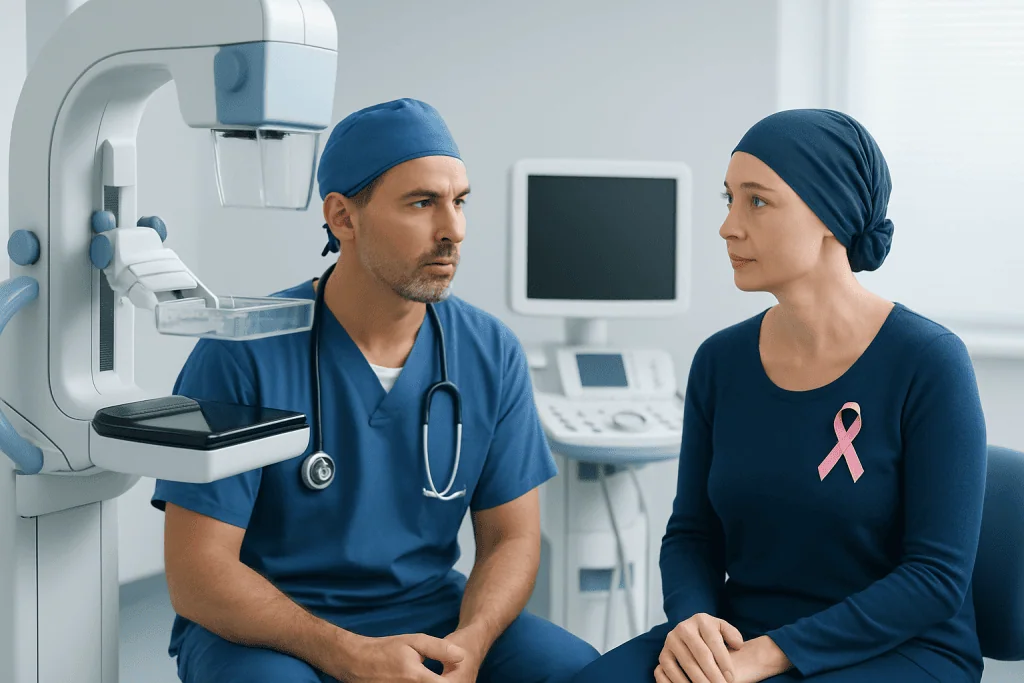
People can begin by asking: “What type of breast cancer do I have, what is its stage, and what do the pathology results mean?” It is also reasonable to ask whether more tests are needed before surgery, whether treatment before surgery may be beneficial, and whether a second opinion would be useful. The surgeon should explain how the recommendation relates to the individual diagnosis rather than presenting one operation as universally best.
Questions about the operation itself may include: “Am I a candidate for breast-conserving surgery, also called lumpectomy?”; “Why do you recommend lumpectomy or mastectomy in my case?”; “How much tissue will be removed?”; “Will you need to remove or test lymph nodes?”; and “What could make another operation necessary?” A person may also ask about scar placement, changes in breast appearance or sensation, and options to improve symmetry.
Questions about the wider treatment plan are equally important. These include whether radiation is likely after surgery, whether chemotherapy, hormone therapy, targeted therapy, or immunotherapy may be recommended, and in what order treatments would happen. Ask who will coordinate follow-up and when final pathology results will be reviewed.
- What benefits does this operation offer for my cancer and circumstances?
- What are the short- and long-term risks, including infection, bleeding, numbness, swelling, pain, and arm or shoulder stiffness?
- How long will I stay in hospital, and what support will I need at home?
- Can I have reconstruction, and should it be immediate or delayed?
- Who should I contact after surgery if I am worried about symptoms or wound healing?
How breast cancer surgery works: candidacy and the procedure
The main goals of breast cancer surgery are to remove the cancer with a margin of healthy-looking tissue where appropriate and to assess whether cancer has reached nearby lymph nodes. The two broad breast operations are breast-conserving surgery, which removes the cancer and a small amount of surrounding tissue, and mastectomy, which removes most breast tissue. Some people also choose or are advised to have surgery on the other breast, but this decision should be individualized and discussed carefully.
Breast-conserving surgery may be suitable when the cancer can be removed while leaving an acceptable amount of breast tissue and radiation can be given afterwards if indicated. Mastectomy may be recommended when cancer is extensive, occurs in several areas of the breast, cannot be fully removed with conservation, radiation is unsuitable, or a person prefers it. Neither option should be viewed only as a surgical choice; the likely need for radiation and other treatments matters.
Before surgery, imaging and biopsy findings are reviewed. If the cancer cannot be felt, a radiologist may place a marker or wire to guide removal. During the operation, performed under general anesthesia, the surgeon removes the planned tissue and may carry out sentinel lymph node biopsy. This identifies the first lymph nodes likely to drain the breast area. If necessary, further lymph node surgery may be discussed.
Some patients consider breast reconstruction with an implant or their own tissue. Reconstruction can occur at the time of mastectomy or later, depending on health, cancer treatment needs, and preferences. A consultation for breast cancer surgery can help clarify the procedure pathway and the specialist team involved.
Recovery, benefits and possible risks
Recovery varies according to the type of operation, lymph node procedure, reconstruction, and whether complications occur. Many people go home on the day of a lumpectomy or after a short hospital stay. Mastectomy and reconstruction can require more recovery time, especially when surgical drains are used. The surgical team provides individualized guidance on wound care, showering, activity, driving, work, arm exercises, and follow-up appointments.
In the first days or weeks, soreness, tiredness, bruising, swelling, tightness, and altered skin or nipple sensation can occur. Pain management plans are designed to support comfortable movement and sleep. Gentle shoulder and arm exercises may be recommended to restore mobility. It is important not to compare recovery with someone else’s, since healing timelines differ.
Potential complications include bleeding, infection, fluid collection, delayed wound healing, changes in breast shape, numbness, persistent pain, and limited shoulder movement. Lymph node surgery can increase the risk of arm or breast swelling called lymphedema, although risk varies with the extent of treatment. The surgeon can explain practical ways to recognize and manage symptoms early.
The central benefit of surgery is local control of breast cancer and accurate information from final pathology. Surgery is often only one part of treatment, so its benefits are considered alongside radiation and systemic therapies. Shared decision-making helps align cancer treatment with medical safety and personal values.
Why no scans after breast cancer treatment?
After treatment intended to cure breast cancer, routine whole-body scans are usually not recommended for people without symptoms or concerning examination findings. Research-based guidelines generally show that regular imaging tests such as CT, PET, or bone scans in this setting are unlikely to improve outcomes and can lead to false-positive results, unnecessary radiation exposure, anxiety, and additional procedures.
Follow-up instead commonly includes scheduled clinical appointments, discussion of new symptoms, physical examinations, and breast imaging when appropriate. After breast-conserving surgery, regular mammography is usually used to monitor the treated and remaining breast tissue. After mastectomy, the approach to imaging depends on whether breast tissue remains, reconstruction type, individual risk, and clinical findings.
A scan may be appropriate if symptoms suggest possible recurrence or treatment effects, such as persistent unexplained bone pain, new shortness of breath, continuing abdominal symptoms, unexplained weight loss, new neurological symptoms, or a new lump. These symptoms often have causes other than cancer, but they should be assessed promptly rather than waiting for the next routine visit.
What is the best diet to follow after breast cancer?
There is no single proven “breast cancer diet,” and no food can guarantee that cancer will not return. For most people, the most helpful pattern is a varied, sustainable way of eating that emphasizes vegetables, fruits, whole grains, beans, nuts, and other minimally processed foods, while including appropriate protein sources. The best plan also takes account of appetite, weight changes, digestive symptoms, other health conditions, culture, and food access.
Protein supports healing after surgery and may come from foods such as fish, poultry, eggs, dairy foods, soy, beans, lentils, and nuts, depending on dietary preferences. Drinking enough fluids, eating regularly when appetite is low, and increasing fibre gradually when tolerated can also help. A registered dietitian with oncology experience can offer tailored advice, particularly during chemotherapy, radiation, or recovery from major surgery.
It is generally sensible to limit alcohol, avoid tobacco, and reduce highly processed foods and excess added sugars. Supplements should not replace a balanced diet. Some supplements can interact with cancer treatments or be unsuitable at high doses, so patients should discuss vitamins, herbal products, and restrictive diets with their oncology team before using them.
Is it possible to refuse radiation therapy after mastectomy?
Yes. A person has the right to accept, postpone, or refuse radiation therapy after receiving clear information about the expected benefits, risks, and alternatives. The role of the radiation oncologist is to explain why post-mastectomy radiation is or is not recommended based on factors such as tumor size, lymph node involvement, surgical margins, cancer biology, and response to any treatment given before surgery.
Radiation is not needed after every mastectomy. However, for some people it can reduce the chance of cancer returning in the chest wall or nearby lymph nodes and may contribute to longer-term cancer control. The likely benefit varies substantially between individuals, so a discussion should focus on personal pathology findings rather than general statements about risk.
If a person is considering declining radiation, it is helpful to ask what recurrence risk may be with and without it, what side effects are most relevant, whether timing can be adjusted, and whether any alternative treatment changes are appropriate. A second consultation with a radiation oncologist can support informed decision-making. The decision should be documented and revisited if new pathology information becomes available.
When to seek medical care and ongoing support
Following breast surgery, the surgical team should be contacted urgently for fever, worsening redness or warmth around the wound, pus-like drainage, rapidly increasing swelling, uncontrolled pain, heavy bleeding, chest pain, shortness of breath, or one-sided arm swelling. These symptoms do not always indicate a serious problem, but timely assessment is important. Emergency services should be used for severe breathing difficulty, chest pain, fainting, or other emergency symptoms.
Between follow-up visits, people should report a new breast or chest wall lump, persistent skin changes, a swollen arm, or symptoms that are new, persistent, or worsening. Emotional well-being also deserves attention. Fear of recurrence, altered body image, fatigue, sleep problems, and concerns about intimacy are common and can be addressed through the care team, counseling, peer support, rehabilitation, or sexual health services.
Acibadem International’s multidisciplinary specialists and JCI-accredited hospitals support international patients with breast cancer diagnosis, surgery, reconstruction planning, and follow-up care. Decisions should always be made with qualified clinicians who can review the individual’s pathology, imaging, medical history, and treatment goals.
Frequently asked questions
Should I bring someone to my breast surgeon appointment?
Bringing a trusted family member or friend can be helpful because appointments often include a great deal of information. They can take notes, ask for clarification, and help the patient remember questions afterward. If no one can attend, asking permission to record information or requesting written instructions may help.
Can I choose mastectomy instead of lumpectomy?
In many situations, a patient can discuss mastectomy as an option even if breast-conserving surgery is medically suitable. The surgeon should explain how each choice may affect radiation, reconstruction, recovery, appearance, and likely cancer control. The final decision should balance clinical factors with informed personal preferences.
Will I need lymph node surgery?
Many people with invasive breast cancer have sentinel lymph node biopsy to check whether cancer has spread to nearby nodes. The need for additional lymph node surgery depends on sentinel node results, the type of breast operation, planned radiation, and other features of the cancer. The surgeon can explain the expected approach before surgery and any possible changes after pathology results.
How soon can I return to normal activities after breast cancer surgery?
Recovery depends on the procedure and the individual. Light daily activity may resume relatively soon, but lifting, strenuous exercise, driving, and returning to work should follow the surgical team’s instructions. Mastectomy, lymph node surgery, and reconstruction often require a longer recovery than lumpectomy alone.
Does having a mastectomy mean radiation is unnecessary?
No. Mastectomy lowers the amount of breast tissue remaining, but radiation may still be recommended when pathology suggests a higher risk of local or regional recurrence. The need for radiation is determined by individual cancer and lymph node features, not by the operation name alone.
What follow-up is usually needed after breast cancer treatment?
Follow-up commonly includes regular appointments, symptom review, physical examinations, and mammography when breast tissue remains and imaging is appropriate. Routine body scans and tumor marker blood tests are not generally used in people without symptoms. The oncology team provides a personalized survivorship and surveillance plan.
References
- American Cancer Society
- National Comprehensive Cancer Network
- American Society of Clinical Oncology
- World Health Organization
- European Society for Medical Oncology
This article is for general information only and is not a substitute for professional medical advice. Please consult a qualified doctor about your individual situation.
Breast Cancer in Turkey — costs, top hospitals & a free quote
JCI-accredited · board-certified surgeons · reply within 24h
Add us as a Preferred Source to see more of our trusted health content across Google Search, AI Overviews and Discover.

Medical Oncology Department
Medical treatment of cancer with chemotherapy, immunotherapy and targeted therapies under a multidisciplinary tumor board.
60 specialists in this unit