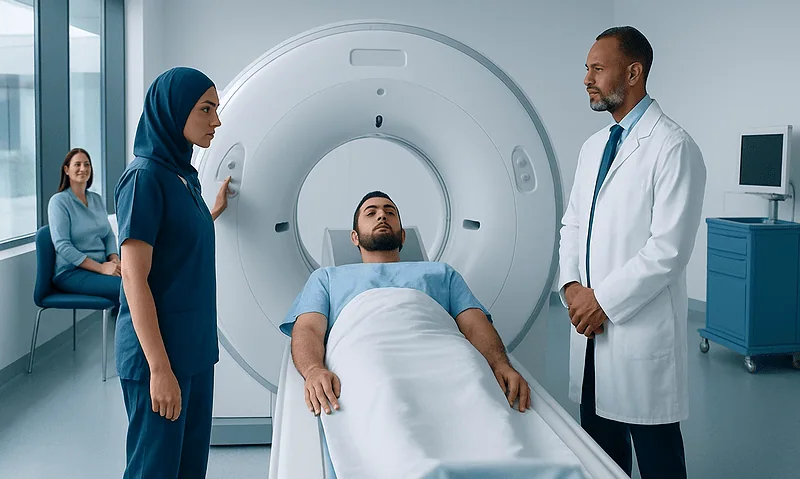
Pediatric Specialist Lynn: An Evidence-Based Patient Guide

Evidence-based pediatric care uses reliable research alongside clinical assessment and family-centered decision-making. A pediatric visit may include history-taking, growth and developmental review, physical examination, testing only when appropriate, and a care plan.
Key Takeaways
- Evidence-based pediatric care uses reliable research alongside clinical assessment and family-centered decision-making.
- A pediatric visit may include history-taking, growth and developmental review, physical examination, testing only when appropriate, and a care plan.
- Children may need referral to a pediatric specialist when symptoms are persistent, complex, severe, or affecting development or daily life.
- Parents and caregivers should seek urgent care for breathing difficulty, unresponsiveness, severe dehydration, seizures, or other rapidly worsening symptoms.
- Follow-up is an important part of care because children’s symptoms, growth, and treatment needs can change over time.
A pediatric specialist in Lynn or any local community helps children from infancy through adolescence by assessing symptoms, monitoring development, preventing illness, and coordinating treatment when needed. Evidence-based pediatric care combines current research, clinical expertise, and the child’s and family’s individual needs and preferences.
What does a pediatric specialist in Lynn do?
A pediatric specialist in Lynn is a doctor or advanced pediatric clinician who focuses on the health needs of infants, children, and adolescents. The term may refer to a primary care pediatrician who provides routine checkups and treats common illnesses, or to a pediatric subspecialist with expertise in an area such as cardiology, neurology, gastroenterology, endocrinology, allergy, or orthopedics.
Evidence-based pediatric care means that recommendations are not based on a single test result, online information, or a one-size-fits-all approach. Clinicians consider the child’s symptoms, medical history, physical examination, age, development, family history, and the best available medical evidence. Parents or guardians are essential partners because they know the child’s usual behavior, routines, and health concerns.
The purpose of pediatric care is not only to diagnose illness. It also supports healthy growth, vaccination, nutrition, sleep, emotional well-being, school functioning, and early identification of developmental or behavioral concerns. When specialist care is needed, the pediatric team can help coordinate assessments and communicate a clear plan to the family.
How evidence-based pediatric practice works
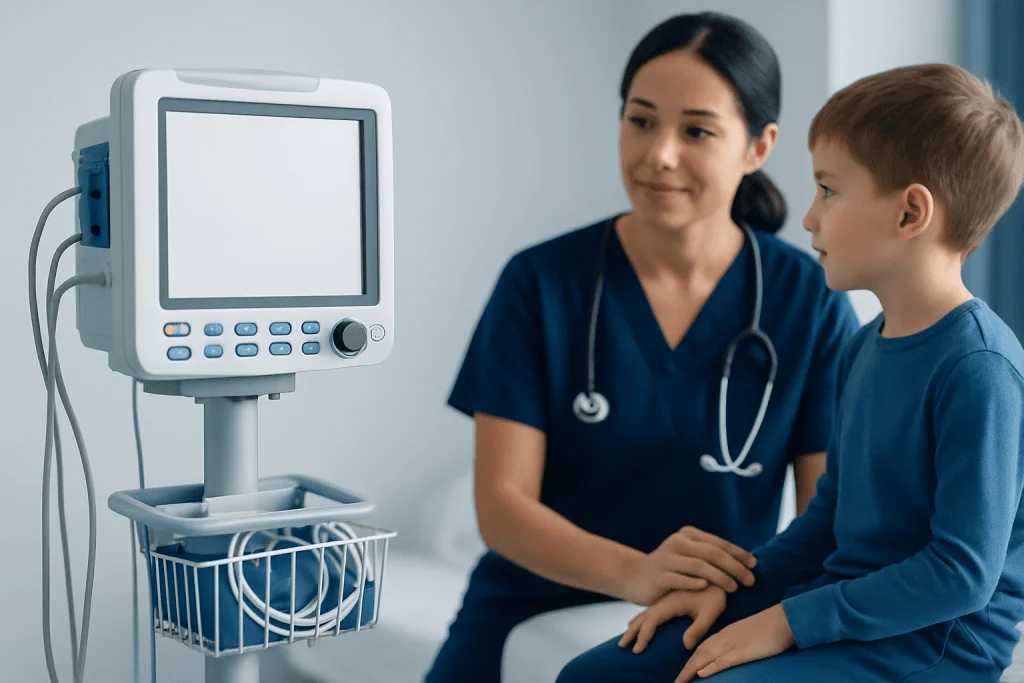
Pediatric evidence based practice combines three elements: high-quality research evidence, the clinician’s experience, and the family’s goals and circumstances. Pediatric evidence based medicine is especially important because children are not simply smaller adults; health conditions, normal vital signs, communication abilities, and responses to treatment can differ substantially by age.
In practice, the clinician begins by defining the health question. For example, a child may have recurring headaches, prolonged cough, poor weight gain, abdominal pain, sleep problems, or delayed milestones. The clinician then considers likely causes, identifies warning signs, and decides whether observation, testing, treatment, referral, or urgent evaluation is most appropriate.
Pediatric evidence based practice examples include using validated developmental screening tools during well-child visits, recommending vaccinations according to national guidance, avoiding antibiotics for most viral infections, and using standardized asthma action plans for children with asthma. Evidence also helps clinicians avoid unnecessary imaging, blood tests, and medicines when these are unlikely to change care.
Pediatric evidence based practice nursing is also central to safe care. Pediatric nurses assess symptoms, monitor growth and vital signs, teach families how to use treatments correctly, support comfort and hydration, and help parents recognize when a child’s condition needs reassessment. Clear communication across the care team can improve continuity and reduce confusion for families.
Who may benefit from pediatric specialist assessment?

Most children can receive many health services through their regular pediatric clinician. A referral to a pediatric specialist may be helpful when symptoms are frequent, persistent, unusual, difficult to control, or affecting a child’s growth, comfort, sleep, learning, physical activity, or emotional well-being.
Examples include recurrent wheezing or breathing problems, repeated severe infections, ongoing constipation or abdominal pain, poor weight gain, unexplained fatigue, frequent headaches, seizures, developmental differences, persistent joint pain, complex skin problems, or concerns about puberty. A specialist can provide a more focused assessment while working with the child’s primary care clinician.
Candidacy for a specialist visit does not necessarily mean that a child has a serious condition. Often, the aim is to clarify a diagnosis, rule out less common causes, improve symptom control, or give a family confidence in a monitoring plan. Bringing previous medical records, medication lists, growth information, test results, and notes about symptoms can help make the appointment more useful.
Children with known long-term conditions may benefit from planned specialist follow-up. For instance, families managing symptoms related to childhood asthma may need help reviewing triggers, inhaler technique, symptom patterns, and an individualized action plan.
What happens during a pediatric evaluation?
A pediatric evaluation is tailored to the reason for the visit and the child’s age. The clinician usually starts by listening to the parent’s or caregiver’s concerns and, when appropriate, inviting the child or teenager to describe symptoms in their own words. Important details include when symptoms started, what makes them better or worse, their effect on daily activities, and any recent illnesses, travel, exposures, or medication changes.
The next steps commonly include a review of medical and family history, growth measurements, vital signs, developmental information, and a targeted physical examination. Younger children may be examined while sitting with a caregiver, and clinicians generally use age-appropriate explanations to make the experience less stressful.
Tests are ordered selectively. Depending on the concern, these may include laboratory tests, allergy testing, hearing or vision assessment, imaging, heart tests, or other specialist investigations. A useful test is one that is likely to answer an important clinical question or change the care plan; not every symptom requires extensive testing.
At the end of the visit, the clinician should explain the working diagnosis or possible causes, the plan for treatment or observation, expected changes, and warning signs that require prompt care. Families should feel comfortable asking why a test or treatment is recommended, what alternatives exist, and when follow-up is needed.
Treatment planning, benefits, and possible risks
There is no single procedure called evidence-based pediatric care. Instead, it is a structured approach to selecting the safest and most suitable next step for a particular child. Treatment may involve reassurance and observation, lifestyle measures, medication, rehabilitation, counseling, education for the family, or referral for a procedure when clinically indicated.
The potential benefit of this approach is that care is individualized while remaining grounded in reliable evidence. It can help avoid both under-treatment of important symptoms and unnecessary treatment for conditions likely to improve on their own. Shared decision-making is particularly valuable when more than one reasonable option is available.
All treatments can have limitations or risks. Medicines may cause side effects or interact with other treatments, while tests and procedures can involve discomfort, anxiety, false-positive results, or further follow-up. The pediatric clinician weighs these factors against the potential benefit and discusses them with the parent or guardian before proceeding.
For children who require a planned intervention, pediatric surgical care involves a separate assessment of the diagnosis, the expected benefit of surgery, anesthesia considerations, alternatives, and recovery needs. Surgery is considered only when the likely benefits outweigh the risks for that individual child.
Recovery, follow-up, and supporting a child at home
Recovery depends on the child’s condition and the care plan. After a routine consultation, families may simply monitor symptoms, keep a diary, make practical changes at home, or arrange a review with the pediatrician. Following a new diagnosis, the team may schedule follow-up over weeks or months to assess response to treatment and adjust the plan as the child grows.
Parents and caregivers can support care by giving medicines exactly as prescribed, attending follow-up visits, and reporting changes promptly. Symptom records can be particularly helpful for concerns such as fever patterns, pain, bowel habits, headaches, sleep difficulties, allergic reactions, or breathing symptoms. It is also useful to keep an up-to-date list of medicines, supplements, allergies, and previous test results.
For children undergoing procedures, recovery instructions should cover pain management, activity, diet, wound care if relevant, school or childcare return, and signs of complications. Families should receive clear contact information for non-urgent questions and instructions about when emergency assessment is needed.
Parents may encounter pediatric evidence based practice articles online. Reliable information usually identifies its medical sources, explains uncertainty, avoids promises, and encourages professional review for individual concerns. Online material can support informed questions but should not replace an assessment of a child with concerning or ongoing symptoms.
When to seek medical care
Parents or caregivers should arrange a pediatric appointment when a child has symptoms that persist, recur, interfere with eating, sleeping, growth, school, play, or daily activity, or when they have concerns about development, behavior, or emotional health. It is reasonable to seek another review if a child is not improving as expected or if the family does not understand the current care plan.
Urgent medical assessment is needed for signs such as difficulty breathing, bluish or gray lips or skin, severe or worsening dehydration, a seizure, fainting or unresponsiveness, a serious injury, sudden weakness, confusion, severe persistent pain, or a baby who is unusually difficult to wake or feed. A high fever in a young infant also needs prompt medical advice. Local emergency services should be used for immediate emergencies.
For international families seeking coordinated pediatric assessment, Acibadem International’s multidisciplinary specialists and JCI-accredited hospitals can evaluate and treat children with a range of health concerns. The appropriate service depends on the child’s symptoms, diagnosis, and individual clinical needs.
Frequently asked questions
What is a pediatric specialist?
A pediatric specialist is a clinician with focused expertise in the health needs of children and adolescents. Some provide general pediatric care, while others concentrate on specific areas such as heart health, digestion, hormones, brain and nervous system conditions, or surgery.
How does pediatric evidence based medicine help children?
Pediatric evidence based medicine helps clinicians choose care using current research, clinical expertise, and the child’s individual circumstances. It supports appropriate testing and treatment while recognizing that a plan should be adapted to the child’s age, symptoms, development, and family needs.
Should a child see a specialist for every recurring symptom?
No. Many recurring symptoms can first be assessed by a primary care pediatric clinician, who can decide whether monitoring, treatment, or referral is appropriate. Specialist assessment may be useful when symptoms persist, are severe, are difficult to manage, or raise concern for a more specific condition.
What should parents bring to a pediatric specialist appointment?
Parents can bring a list of symptoms, when they occur, medicines and supplements, known allergies, prior test results, vaccination information, and relevant medical records. Notes about growth, sleep, diet, bowel habits, school concerns, or symptom triggers may also help.
Are tests always needed at a pediatric appointment?
No. A clinician may be able to make a plan based on the history and physical examination alone. Tests are generally recommended when they are likely to clarify the diagnosis, identify a safety concern, or change treatment decisions.
How can families evaluate health information about children online?
Families should prefer information from recognized medical organizations, public health agencies, children’s hospitals, and professional clinical societies. Content should be viewed cautiously if it promises a cure, discourages professional care, uses fear-based claims, or does not identify credible sources.
References
- American Academy of Pediatrics
- Centers for Disease Control and Prevention
- National Institutes of Health
- World Health Organization
- Agency for Healthcare Research and Quality
This article is for general information only and is not a substitute for professional medical advice. Please consult a qualified doctor about your individual situation.
Explore treatments in Turkey — costs, top hospitals & a free quote
JCI-accredited · board-certified surgeons · reply within 24h
Add us as a Preferred Source to see more of our trusted health content across Google Search, AI Overviews and Discover.