

Otarmeni Gene Therapy: How It Works, Results and What to Expect

Otarmeni gene therapy does not currently have a clearly established public clinical evidence base or approved treatment pathway. Gene therapy aims to address a specific genetic cause of hearing loss, rather than treating every type of hearing loss.
Key Takeaways
- Otarmeni gene therapy does not currently have a clearly established public clinical evidence base or approved treatment pathway.
- Gene therapy aims to address a specific genetic cause of hearing loss, rather than treating every type of hearing loss.
- Some early studies of gene therapy for rare inherited deafness have reported improved hearing in selected children, but results cannot be generalized.
- Genetic testing, hearing assessment and specialist review are essential before considering research-based treatments.
- Hearing aids, cochlear implants and rehabilitation remain important evidence-based options for many people with hearing loss.
Otarmeni gene therapy is described online as a possible gene-based treatment for hearing loss, but there is no reliable public evidence that it is an approved therapy, a standardized clinical procedure, or a treatment with established outcomes. Gene therapy for selected inherited forms of hearing loss is an active research field, with early clinical studies offering cautious hope while many questions remain.
Otarmeni Gene Therapy: What It Means Today
Otarmeni gene therapy is presented in some online searches as a treatment intended to restore hearing through genetic medicine. However, there is no well-established public evidence that “Otarmeni” is the name of an approved hearing-loss gene therapy, a standard clinical protocol, or a medicine with confirmed published results. People considering it should be especially careful about claims that promise restored hearing, fixed success rates, or guaranteed outcomes.
Gene therapy for hearing loss is a real and rapidly developing area of medical research. Its goal is usually to deliver a working copy of a gene to cells in the inner ear when hearing loss is caused by a harmful genetic variant. This differs from hearing loss related to aging, noise exposure, infections, certain medicines, earwax, middle-ear disease, or damage to the auditory nerve, which may require very different care.
At present, gene therapy should be viewed as a potential option only for highly selected patients in carefully designed clinical research or, where authorized, specialized programs. An evaluation by an ear, nose and throat specialist, audiologist and clinical genetics team can clarify the cause of hearing loss and discuss established treatment choices alongside emerging research.
How Gene Therapy for Hearing Loss Works
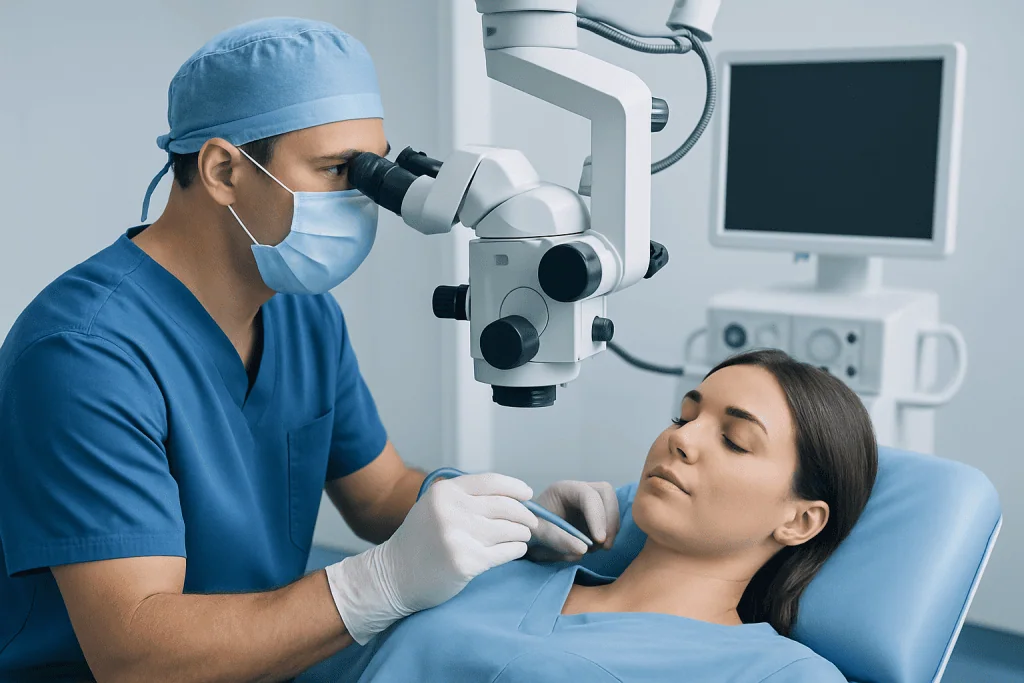
Hearing depends on delicate sensory hair cells and supporting structures inside the cochlea, the hearing organ of the inner ear. Many genes are involved in the formation and function of these structures. When a genetic change prevents an essential protein from working, sound signals may not be converted or transmitted normally to the brain.
In gene replacement therapy, a harmless modified viral carrier, often called a vector, is designed to carry a functional copy of a gene into targeted inner-ear cells. The intention is for those cells to produce the missing or altered protein. Other research approaches include gene editing, RNA-based treatments and therapies intended to protect or regenerate sensory cells, but these strategies remain at different stages of investigation.
The approach is highly gene-specific. A therapy designed for one condition, such as hearing loss related to changes in the OTOF gene, would not necessarily help someone whose hearing loss has another genetic cause. This is why a detailed diagnostic process is central to safe and appropriate care.
- Gene therapy may be considered only when the genetic cause and the therapy target match.
- The inner ear is difficult to access and contains highly sensitive structures.
- Timing may matter, particularly in children whose hearing supports speech and language development.
Candidacy and Assessment Before Treatment

Potential candidates for an investigational hearing-loss gene therapy generally need confirmed hearing loss, comprehensive audiological testing and genetic testing that identifies a relevant disease-causing variant. The team also reviews the pattern of hearing loss, age at onset, inner-ear anatomy, communication needs, general health and previous treatments.
Testing may include pure-tone and speech audiometry when appropriate, tympanometry, otoacoustic emissions, auditory brainstem response testing, imaging of the temporal bone or inner ear, and genetic counseling. In infants and young children, objective hearing tests are especially important because standard behavioral tests may not yet be possible.
Not all genetic hearing loss is suitable for current gene-therapy research. In some conditions, sensory cells may be absent or too severely damaged for gene replacement to help. In others, the relevant gene may be too large for a particular delivery vector. A specialist can explain whether a person may be eligible for a regulated clinical trial and whether established hearing rehabilitation should begin without delay.
What Happens During an Investigational Procedure
There is no standardized “Otarmeni” procedure that patients can expect. In clinical studies of inner-ear gene therapy, the exact process is determined by the specific protocol, the gene being targeted, local regulatory approval and the participant’s age and health status. Participation should occur only through properly regulated research centers with clear informed-consent processes.
In general, a treatment may involve preparing a gene-carrying solution and delivering it to the inner ear through a carefully planned surgical or minimally invasive approach. The procedure is usually performed by an experienced otologic surgeon, often under anesthesia. The aim is to place the therapy close enough to cochlear target cells while minimizing injury to hearing and balance structures.
Before enrollment, the research team should explain the purpose of the study, possible alternatives, follow-up commitments, uncertainty of benefit and known or potential risks. Participants may undergo repeated hearing tests, balance assessments, blood tests and imaging over months or years. Research participation is not the same as receiving a proven treatment.
Recovery Timeline, Potential Benefits and Risks
Recovery after an inner-ear procedure varies according to the delivery method and the individual. Short-term effects can include ear discomfort, temporary dizziness, nausea, fatigue after anesthesia or changes in hearing. Follow-up appointments are important to monitor wound healing, balance and hearing function.
If a gene therapy works, any hearing change may not be immediate. Cells need time to take up the genetic material and make the intended protein, and the nervous system may need time to use new auditory input. Researchers assess outcomes with formal hearing tests and, for children, with measures of sound awareness, speech perception and language development.
Potential risks include inflammation, infection, bleeding, worsening hearing, tinnitus, dizziness or balance problems, unintended immune responses and uncertainty about long-term effects. There is also a possibility of no hearing improvement. Because the inner ear is complex and gene therapies are new, long-term surveillance is a key part of responsible treatment development.
For people who need hearing support now, established options may include hearing aids, communication strategies, speech and language support, and cochlear implant assessment and treatment when clinically appropriate. These options can be discussed alongside, rather than postponed for, possible future research therapies.
What Is the Success Rate of Gene Therapy for Hearing Loss?
There is no single success rate for gene therapy for hearing loss. Outcomes depend on the gene involved, the type and severity of hearing loss, the age and development of the patient, the delivery method, the study design and the way “success” is defined. It is therefore not accurate to apply results from one small trial to all people with hearing loss.
Early clinical studies targeting rare inherited forms of deafness have reported hearing improvements in some participants. These findings are encouraging, but they involve small numbers of carefully selected patients and require longer follow-up. They do not yet show that gene therapy can reliably restore normal hearing for the wider population.
Anyone presented with a specific success-rate claim for Otarmeni gene therapy should ask for peer-reviewed evidence, the exact condition treated, the trial registration details, the duration of follow-up and information about adverse events. A qualified specialist can help interpret claims in the context of an individual diagnosis.
How Much Does Otarmeni Cost?
There is no reliable, publicly established price for Otarmeni gene therapy because it is not recognized as a standard, approved treatment with a defined clinical offering. Costs associated with experimental therapies can vary widely and may include assessments, genetic testing, surgery, follow-up, travel and research-related care. A payment request alone does not confirm that a treatment is regulated, evidence-based or appropriate.
People should be cautious of providers offering gene therapy outside transparent regulatory systems, especially when they make promises of cure, discourage independent medical advice or do not provide a clear explanation of risks. Before making travel or financial decisions, patients should seek an opinion from an ENT specialist and a genetics professional.
A written treatment plan should identify the diagnosis, the proposed therapy, the regulator overseeing it, the expected monitoring and what costs are included. For established hearing treatment, the care team can explain suitable options based on hearing tests, anatomy and personal communication goals.
What Is the New Drug That Restores Hearing?
There is currently no single approved drug that reliably restores hearing across all types of hearing loss. Hearing loss has many causes, and a treatment that may be useful for one rare genetic condition may not work for age-related, noise-induced, infection-related or nerve-related hearing loss.
Researchers are studying medicines that may protect inner-ear cells, reduce inflammation, influence cellular repair pathways or address particular inherited disorders. Gene therapies are also being investigated for selected genetic conditions. These developments are important, but most remain experimental and should not replace timely assessment and proven hearing rehabilitation.
Depending on the cause, hearing may improve with treatment of earwax blockage, middle-ear fluid, infection, inflammation or medication-related effects. For permanent sensorineural hearing loss, hearing aids and cochlear implants remain the most established ways to improve access to sound for suitable patients.
How Close Are We to Restoring Hearing Loss?
Medical science is closer than before to treating a small number of inherited hearing-loss conditions at their underlying genetic cause. Early gene-therapy findings are a meaningful step forward, particularly for rare disorders in which the affected cells are still present and can potentially respond to treatment. However, broad restoration of hearing loss is not yet available.
Progress will likely occur condition by condition rather than through one universal cure. Challenges include delivering treatment safely to the right inner-ear cells, preserving remaining hearing, determining the best treatment age, measuring long-term benefit and making therapies accessible after they are proven safe and effective.
People with hearing concerns can benefit from acting now: obtaining a hearing assessment, addressing treatable causes, using recommended hearing technology and seeking communication support. These measures can protect quality of life while research continues.
When to Seek Medical Care
Prompt medical assessment is important for sudden hearing loss, particularly if it develops over hours to a few days. Urgent care is also needed for hearing loss accompanied by severe dizziness, facial weakness, a severe headache, ear trauma, ear discharge or significant pain. Sudden sensorineural hearing loss may require time-sensitive treatment.
Non-urgent specialist assessment is recommended for gradual hearing changes, tinnitus, difficulty following conversation, recurrent ear infections, hearing concerns in a child, or a family history of early or unexplained hearing loss. Early testing can identify treatable causes and support speech, learning, work and social communication.
Acibadem International’s multidisciplinary ENT, audiology, genetics and rehabilitation specialists in JCI-accredited hospitals can assess hearing loss and discuss evidence-based care options for international patients. The appropriate pathway may include hearing evaluation, genetic counseling and referral to regulated research opportunities where relevant.
Frequently asked questions
Is Otarmeni gene therapy approved for hearing loss?
There is no reliable public confirmation that Otarmeni is an approved gene therapy for hearing loss or a standardized clinical treatment. Anyone considering a product under this name should ask a qualified specialist to verify the diagnosis, evidence, regulatory status and proposed treatment setting.
Can gene therapy cure genetic deafness?
Gene therapy may eventually help selected people with particular genetic forms of deafness, but it is not currently a universal cure. Whether it can help depends on the affected gene, the health of inner-ear cells, timing and the safety and effectiveness of the specific therapy.
Who may be eligible for hearing-loss gene therapy trials?
Eligibility usually requires a confirmed genetic diagnosis that matches the gene target being studied. Participants also need detailed hearing tests and medical assessment, and each clinical trial has its own age, health and hearing criteria.
Are hearing aids still useful if gene therapy may be available later?
Yes. Hearing aids and other rehabilitation measures can provide important access to sound and communication support now. Delaying proven care while waiting for an experimental treatment may be harmful, especially for children developing speech and language.
Can adults receive gene therapy for hearing loss?
Some research programs may include adults, but eligibility depends on the exact genetic condition and study protocol. Current research is often focused on rare inherited forms of hearing loss rather than the common hearing loss associated with aging or long-term noise exposure.
What should a person do before traveling for experimental gene therapy?
They should first obtain an independent evaluation from an ENT specialist, audiologist and, where appropriate, a clinical genetics team. It is important to verify the treatment’s regulatory oversight, peer-reviewed evidence, informed-consent process, follow-up plan and potential risks before making travel or financial commitments.
References
- World Health Organization
- National Institute on Deafness and Other Communication Disorders
- U.S. Food and Drug Administration
- American Academy of Otolaryngology–Head and Neck Surgery
- National Institutes of Health
This article is for general information only and is not a substitute for professional medical advice. Please consult a qualified doctor about your individual situation.
Explore treatments in Turkey — costs, top hospitals & a free quote
JCI-accredited · board-certified surgeons · reply within 24h
Add us as a Preferred Source to see more of our trusted health content across Google Search, AI Overviews and Discover.

More from the Health Library



Related Specialists

Prof. Dr. Canan Ayabakan
Pediatric Cardiology
Dr. Ömer Faruk Karakoç
Emergency Service
Dr. Türker Kundak
Internal Medicine
Prof. Dr. Evrim Kadriye Tezcanlı
Radiation Oncology