Life Support Removal: Procedure, Recovery and Results

Life support removal is a carefully planned medical and ethical decision, not an abrupt stopping of care. The patient’s known wishes, advance directives and legally authorized decision-maker guide decisions when possible.
Key Takeaways
- Life support removal is a carefully planned medical and ethical decision, not an abrupt stopping of care.
- The patient’s known wishes, advance directives and legally authorized decision-maker guide decisions when possible.
- Comfort medicines and palliative care can relieve breathlessness, pain, anxiety and other symptoms.
- Time until death after life support is removed varies widely and cannot be predicted precisely.
- Families can ask for meetings with critical care, palliative care, nursing, spiritual care and ethics teams.
Life support removal is the medically supervised withdrawal of treatments that keep body functions going when those treatments no longer offer a meaningful benefit or do not reflect the patient’s wishes. The care team focuses on comfort, dignity, clear communication and support for both the patient and family throughout the process.
Life Support Removal: What It Means
Life support removal means stopping one or more medical treatments that are sustaining or replacing vital body functions. It may involve a breathing machine (ventilator), medications that support blood pressure, dialysis, artificial nutrition or hydration, or other intensive treatments. This decision is considered when treatment is no longer helping the patient recover, is causing burdens that outweigh likely benefits, or does not match the patient’s values and goals.
Stopping life-sustaining treatment does not mean stopping care. The focus changes from trying to prolong life through intensive intervention to providing comfort, respecting dignity and supporting the people close to the patient. Doctors, nurses and palliative care specialists continue to monitor symptoms and provide medicines and practical care as needed.
Life support removal is ethically and medically different from causing death. The underlying illness or injury is expected to lead to death when treatment that was supporting vital functions is withdrawn. Decisions should be individualized, guided by applicable laws and hospital policies, and discussed openly with the treating team.
How Long Can a Patient Be on Life Support?
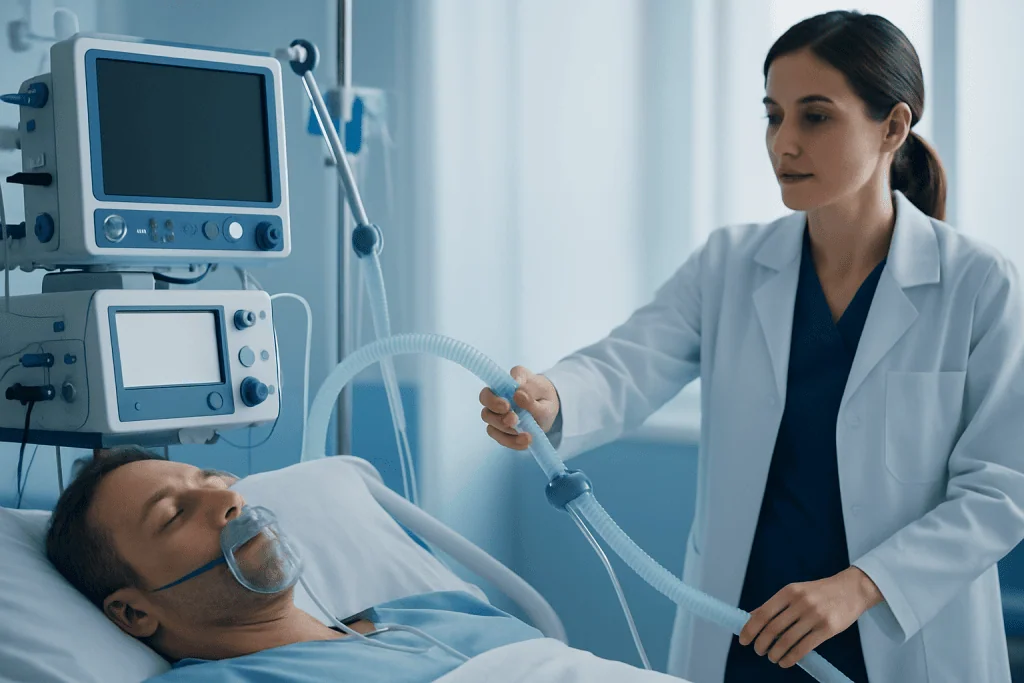
A patient can be on life support for hours, days, weeks, months or, in some circumstances, longer. The duration depends on the type of support, the cause of critical illness, the likelihood of recovery and whether the support can safely continue. For example, a ventilator may be used temporarily after major surgery or severe pneumonia, while some people with long-term respiratory failure may require ongoing mechanical breathing support.
Critical care teams reassess treatment regularly. They consider whether the condition is improving, stable or worsening; whether the patient can breathe or maintain circulation without support; and what level of recovery may be possible. Tests and monitoring can inform these discussions, but no test can fully determine a person’s quality of life or personal wishes.
When prognosis is uncertain, a time-limited treatment trial may be appropriate. This means continuing intensive treatment for an agreed period while identifying specific signs of improvement or decline. At the end of the trial, the care team and decision-makers review whether continued life support remains consistent with the patient’s goals.
Candidacy and Decision-Making Before Withdrawal

There is no single medical test that determines whether life support should be removed. The decision is based on the patient’s diagnosis, likely outcomes, current suffering or treatment burden, and stated preferences. When a patient can communicate and has decision-making capacity, that person has the central role in accepting or declining treatment.
If the patient cannot make decisions, the team looks for advance directives, a living will, prior conversations and the appointment of a health care proxy or other legally authorized representative. Family members may help clinicians understand what the patient would have wanted. Their role is usually to represent the patient’s preferences and best interests, rather than to decide according to their own wishes alone.
Complex cases benefit from a family meeting with the intensive care team, palliative care professionals and, when needed, social workers, chaplains or an ethics consultation service. These conversations can address prognosis, available options, cultural or spiritual needs, symptom control and what the process is likely to look like. Discussions about serious brain injury may also include the care pathway for traumatic brain injury when relevant.
How Does Taking Someone Off of Life Support Work?
Before life support removal, the clinical team confirms the plan, reviews consent and decision-making authority, and explains what the family may see. Staff assess symptoms and provide medicines before and during the process to prevent pain, air hunger, agitation or anxiety. Family members may be invited to be present, speak to the patient, play meaningful music or request spiritual support, according to the patient’s and family’s preferences.
The exact steps depend on the treatment being withdrawn. For ventilator withdrawal, clinicians may reduce breathing-machine settings gradually or remove the breathing tube after comfort medicines are provided. Medications that artificially maintain blood pressure may be tapered or stopped. Dialysis can be discontinued, while feeding tubes, monitoring devices and other interventions are reviewed individually. Treatments that provide comfort, such as oxygen for relief of breathlessness, mouth care or pain medication, may continue.
During the procedure, nurses and doctors remain available to manage symptoms promptly. Monitoring may be reduced because numbers on a screen no longer guide treatment goals, but bedside observation and comfort assessment continue. The team will explain expected physical changes, such as irregular breathing, cooler hands and feet, increasing sleepiness or changes in skin color, so these changes are less unexpected for loved ones.
Palliative care is an important part of this process. Palliative care specialists work alongside the primary team to support symptom relief, communication and emotional needs, whether or not life support is withdrawn immediately.
Is Life Support Painful?
Life support itself can be uncomfortable. A breathing tube, frequent procedures, immobility and the effects of serious illness may cause distress, although patients who are deeply sedated or unconscious may not experience or remember discomfort in the same way. The care team should assess pain, breathlessness, anxiety, delirium and other symptoms regularly.
Life support removal is not intended to be painful. Clinicians commonly use comfort-focused medicines before and after withdrawal when indicated. These may relieve pain, the feeling of not getting enough air, restlessness or anxiety. Medication is adjusted according to observed symptoms and the patient’s needs, with the goal of comfort rather than hastening death.
Families may worry that changes in breathing mean the patient is suffering. Breathing can become irregular or noisy near the end of life, and these signs do not always indicate pain. Nurses can explain what they are seeing, reposition the patient, provide mouth care and use medications when symptoms suggest discomfort. Families should tell staff immediately if they are concerned that the patient appears distressed.
How Long to Pass After Life Support Removed?
There is no reliable single timeline for death after life support removal. Some patients die within minutes or hours, particularly if they cannot breathe independently or have severe failure of multiple organs. Others live for days and occasionally longer, especially if they retain some ability to breathe and have more stable heart and organ function.
Clinicians may offer an estimate based on the patient’s breathing, circulation, level of consciousness, organ function and the type of support being withdrawn. However, these estimates are uncertain. Families are encouraged to prepare for a range of possibilities and to ask who will provide support if the patient lives longer than expected.
After death, staff confirm the death according to local procedures and give loved ones time and privacy when possible. They can explain next steps, including required documentation and how to contact bereavement, spiritual care or counseling resources. Grief responses differ greatly, and there is no right way to feel after the death of someone close.
Benefits, Risks and Recovery for Families
The potential benefit of life support removal is that care can better align with a patient’s priorities, such as comfort, dignity, time with loved ones or avoidance of treatments they would not want. It may prevent further invasive procedures when recovery is not expected or when the patient has chosen not to continue them. Families often value having a clear plan and knowing that symptom relief remains a priority.
The main medical risk is that the patient may die after treatment is withdrawn, although the timing is uncertain. Some patients may develop distressing symptoms without careful anticipation and treatment, which is why an experienced bedside team and palliative care involvement are important. Emotional risks for relatives can include grief, guilt, conflict or uncertainty, even when the decision reflects the patient’s clear wishes.
There is no physical recovery period after life support removal for a patient who dies, but there is an important period of adjustment for family and friends. Bereavement support, counseling, religious or cultural support, and contact with the patient’s usual doctor may help. If the patient survives longer than anticipated, the team will discuss an appropriate setting and plan for ongoing comfort care, which may include hospice or home-based support where available.
When to Seek Medical Care
Families should seek immediate help from the hospital team if a patient receiving comfort-focused care appears to have uncontrolled pain, severe breathlessness, panic, agitation, repeated vomiting, seizures or any symptom that seems distressing. In a hospital, call the nurse or doctor right away. For patients at home, use the emergency contact number provided by the hospice or palliative care service.
It is also appropriate to request medical guidance when relatives disagree about treatment, are unsure who can make decisions, or do not understand the prognosis. Asking for another family meeting, palliative care consultation or ethics consultation can help ensure that decisions are informed and respectful. These services support communication; they do not replace the patient’s voice or family’s values.
Acibadem International’s multidisciplinary specialists and JCI-accredited hospitals support international patients requiring complex critical care, palliative care and coordinated decision-making. Families should speak with a qualified doctor about the individual medical, legal and practical circumstances involved.
Frequently asked questions
What is considered life support?
Life support refers to medical treatments that sustain or replace essential body functions. Examples include mechanical ventilation, medications that support blood pressure, dialysis, artificial nutrition or hydration in selected circumstances, and some forms of heart or lung support. The exact meaning varies depending on the patient’s condition and treatment setting.
Who decides whether life support is removed?
A patient who has decision-making capacity can accept or refuse life-sustaining treatment. If the patient cannot decide, an appointed health care proxy or other legally authorized representative usually helps make decisions based on the patient’s known wishes and best interests. The treating team provides medical guidance and follows applicable laws and policies.
Can a patient be taken off a ventilator and survive?
Yes, some patients can survive after being taken off a ventilator if they can breathe sufficiently on their own or with less intensive support. Others are unable to maintain breathing because of their illness or injury and may die soon after withdrawal. The care team can explain the factors that affect the individual outlook, while recognizing that timing is uncertain.
Do doctors give medication to speed up death during life support removal?
The goal of medication during life support removal is to relieve symptoms such as pain, breathlessness, anxiety or agitation. Medicines are selected and adjusted for comfort based on clinical assessment. Ethical medical practice distinguishes symptom relief from intentionally causing death.
Can family members be present when life support is removed?
In many hospitals, family members can be present if they wish and if this is safe and practical. They may be able to talk to the patient, hold a hand, play music or request spiritual support. The care team will explain what to expect and help family members decide what feels right for them.
What happens if family members disagree about removing life support?
Disagreement is common during emotionally difficult situations and should be addressed openly. A family meeting with the clinical team can clarify the patient’s medical condition, likely outcomes and known preferences. Palliative care, social work, spiritual care or an ethics consultation may provide additional support in resolving concerns.
References
- World Health Organization
- American Academy of Hospice and Palliative Medicine
- Society of Critical Care Medicine
- National Institute on Aging
- American Medical Association
This article is for general information only and is not a substitute for professional medical advice. Please consult a qualified doctor about your individual situation.
Explore treatments in Turkey — costs, top hospitals & a free quote
JCI-accredited · board-certified surgeons · reply within 24h
Add us as a Preferred Source to see more of our trusted health content across Google Search, AI Overviews and Discover.
Check your numbers in seconds
BMI, calories, due date, blood pressure and 30+ more clinical calculators — free, instant, doctor-reviewed ranges.