

Home Nursing Support in Turkey After Hospital Discharge
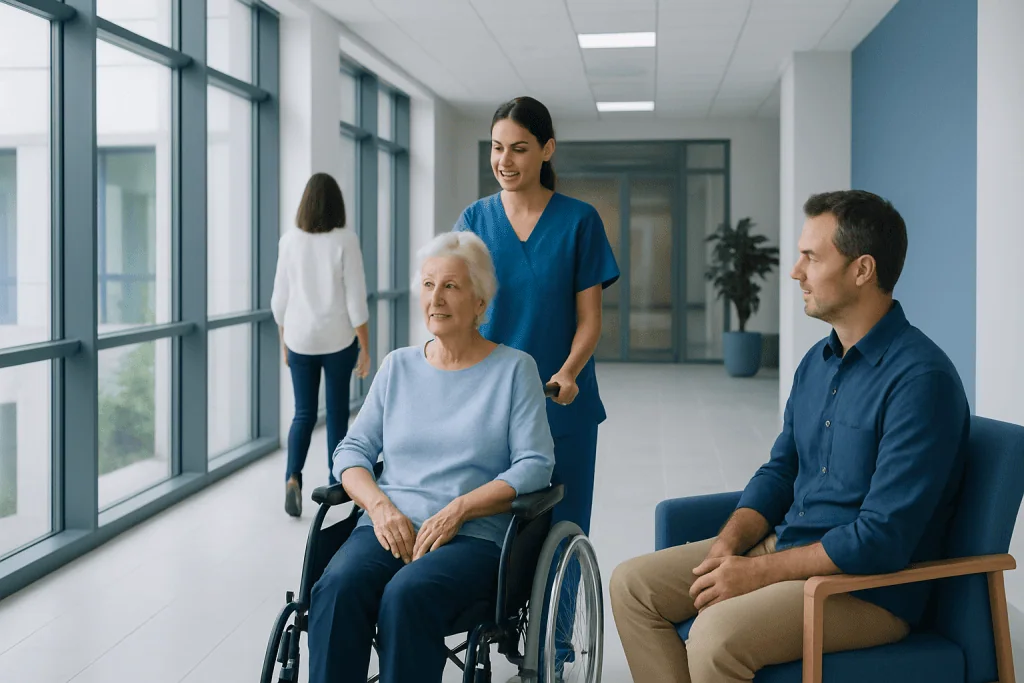
Home nursing support after hospital discharge in Turkey provides continued clinical care at your accommodation or home, helping with recovery, medication management, wound care, mobility, and monitoring when hospital-based treatment has ended. At Acibadem, discharge planning can be coordinated with home care teams so follow-up needs, equipment, and nursing visits are arranged according to the patient’s condition and treatment plan.
If you are staying in Turkey for a few days or weeks after hospital discharge, home nursing support can help you recover safely and comfortably outside the hospital. This guide explains how to plan care, what to ask before discharge, and how international patient teams can help coordinate practical details.
At a glance
- Best arranged: Before discharge, ideally 24-48 hours in advance
- Common support: Medication reminders, wound checks, mobility help, vital sign monitoring
- Who coordinates: Discharge team, treating physician, international patient services, home care provider
- Language support: Ask for interpreter assistance and written instructions in your preferred language
- Travel relevance: Useful if you are recovering in a hotel, serviced apartment, or temporary residence
What home nursing support means after discharge
Home nursing support in Turkey is practical, short-term assistance provided after you leave the hospital but before you are ready to manage everything independently. For international patients, this may take place in a hotel, serviced apartment, rental home, or family residence. The goal is not to replace your doctor or hospital team, but to help you follow the discharge plan safely in your temporary recovery setting.
Depending on your condition and the instructions from your treating physician, a nurse may help with medication timing, wound observation, dressing support if prescribed, basic vital sign checks, mobility assistance, hygiene guidance, and reminders about warning signs. Some patients need only one or two visits. Others benefit from daily support for several days, especially after surgery or a complex hospital stay.
At Acibadem International, discharge planning often involves the medical team and international patient services working together so you understand what to do after leaving the hospital. If home nursing is appropriate, the team can guide you on what information is needed, how to prepare your accommodation, and how to communicate your needs clearly.
When you may need support after leaving the hospital
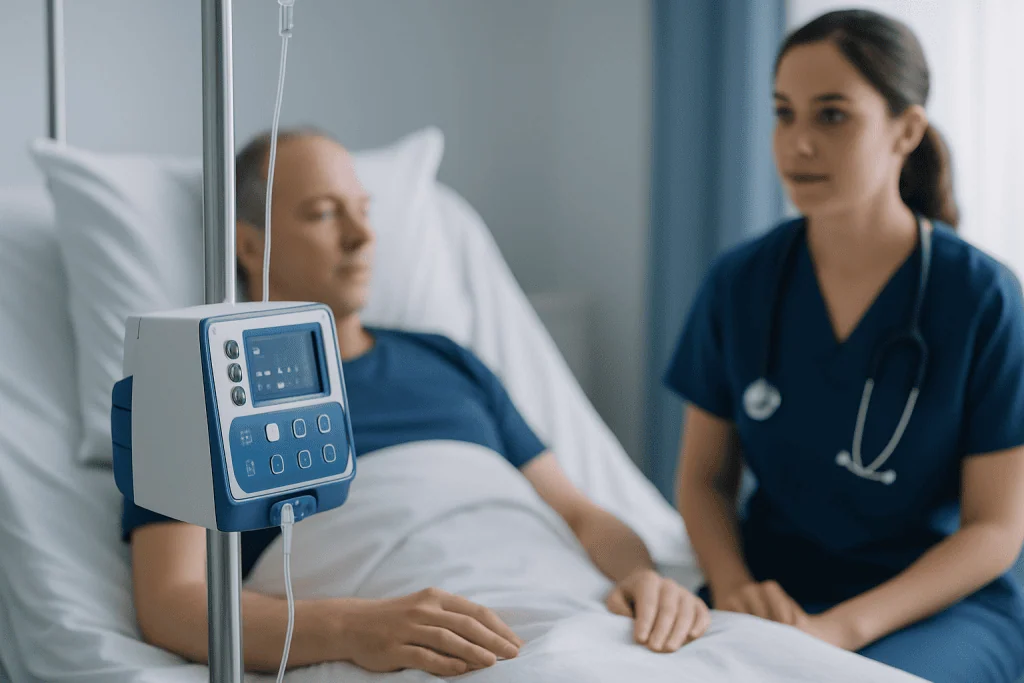
You may consider home nursing support if you feel medically ready to leave the hospital but still need structured help with daily recovery tasks. This is common when you are in a foreign country, away from your usual family doctor, familiar pharmacy, or home environment. Even simple tasks can feel more stressful when you are managing medications, mobility limits, and follow-up visits in a new city.
Support may be especially helpful if you have dressings that must be monitored, limited mobility, temporary fatigue, a drainage or catheter care plan, or a medication schedule that feels difficult to manage alone. It can also help companions who want to assist but are not trained in safe movement, wound observation, or post-discharge routines.
You should always follow the specific discharge instructions given by your hospital team. If symptoms change, pain increases suddenly, fever develops, bleeding occurs, breathing becomes difficult, or you feel unsafe, home nursing support is not a substitute for urgent medical review. In those situations, contact your hospital team or emergency services immediately.
How to arrange home nursing before discharge
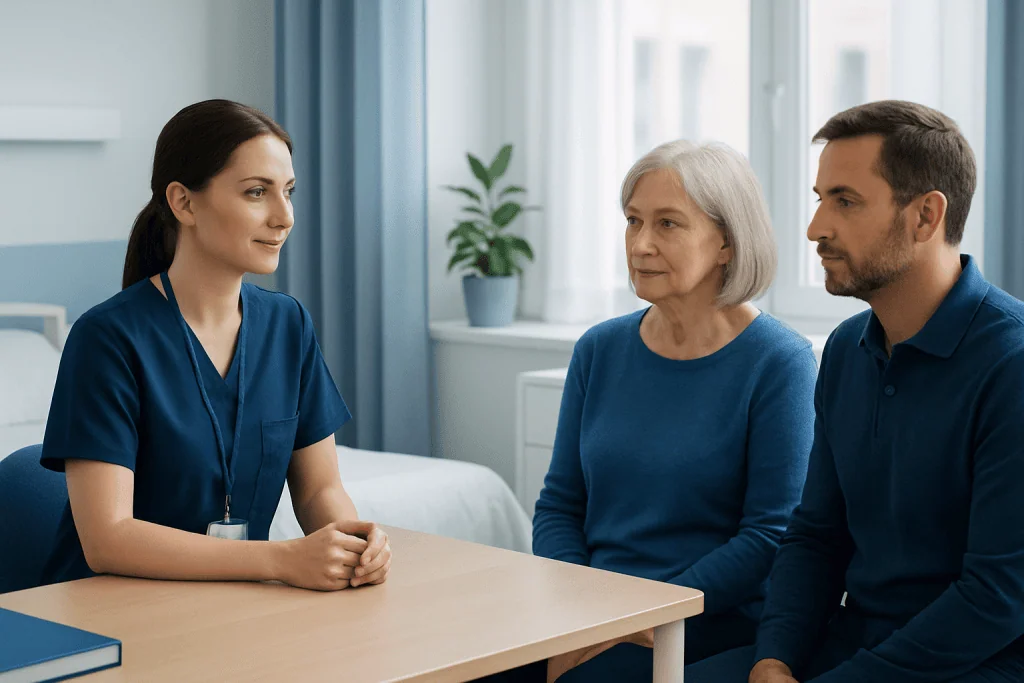
The best time to ask about home nursing is before you leave the ward, not after you arrive at your hotel. Your discharge team needs time to confirm what type of support is suitable, what the nurse should monitor, and whether any special supplies are required. Ask your case coordinator or international patient contact to help you understand the process in clear steps.
Before discharge, request a written plan that explains your medications, wound or dressing instructions, mobility restrictions, diet guidance, follow-up appointments, and warning signs. If English is not your first language, ask whether interpreter support or translated summaries are available. Clear written instructions help prevent confusion when you are tired or taking medications that may affect concentration.
Useful details to confirm include:
- How often a nurse should visit and for how many days
- Whether visits are recommended at a specific time of day
- Which tasks are allowed under the discharge plan
- Which supplies you need to keep at your accommodation
- Who to call for routine questions and urgent concerns
- How follow-up appointments or tests will be coordinated
Preparing your hotel or apartment for safe recovery
Your recovery space should be calm, clean, and easy to move around in. Before discharge, make sure your accommodation has elevator access if stairs are difficult, enough room around the bed or sofa, reliable heating or air conditioning, and a bathroom that feels safe to use. If you are staying in Istanbul or another large city, also consider traffic time to the hospital for follow-up visits.
Place frequently used items within easy reach: water, medications, phone charger, discharge documents, hand sanitizer, tissues, and emergency contact numbers. If you have mobility restrictions, avoid low beds, slippery rugs, loose cables, and cluttered walkways. Your companion can help by preparing light meals, organizing medication times, and ensuring you are not alone during the first hours after discharge if that is recommended.
If a nurse will visit, provide the full address, room number, reception instructions, and a reachable phone number. Hotels may need to know that a healthcare professional is expected, but you do not need to share private medical details with non-medical staff. Acibadem International patient services can often advise international patients on accommodation practicalities during the recovery period.
Communication, interpreters, and knowing who to call
Good communication is one of the most important parts of safe aftercare. Before discharge, make sure you know the names or roles of your key contacts: your treating department, international patient coordinator, home nursing contact if arranged, and emergency contact pathway. Save these numbers in your phone and keep a printed copy with your passport or discharge folder.
If you do not speak Turkish, ask how interpreter support will work during nursing visits or follow-up calls. Some instructions are simple, but others require precise understanding, especially medication schedules, dressing care, and symptoms that need urgent attention. Do not hesitate to ask for repetition, written explanations, or confirmation that you have understood correctly.
It is helpful to use a simple daily recovery log. Write down your temperature if instructed, pain levels, medication times, appetite, mobility, wound observations, and any questions for your next appointment. This makes follow-up consultations more efficient and helps the care team see trends instead of relying only on memory.
Planning for your return home after temporary care in Turkey
Home nursing support in Turkey is often part of a larger transition: hospital, local recovery, follow-up check, then travel home. Before booking or changing flights, ask your doctor when travel is medically appropriate for your situation. The answer may depend on your procedure, mobility, risk factors, wound condition, medication needs, and whether another follow-up is required before departure.
Request copies of essential documents before you leave Turkey, including your discharge summary, medication list, imaging or lab reports if relevant, and follow-up recommendations. If you will need care in your home country, ask what information your local physician should receive. Keep documents in both digital and printed form, especially when passing through airports.
If you are traveling with medical supplies or medications, carry them in hand luggage when possible and keep prescriptions or medical letters available. For long flights, ask your physician about movement, hydration, compression garments if prescribed, and any travel precautions. Acibadem International teams can help you think through these logistics so your return home feels organized rather than rushed.
Step by step
- Ask about home nursing early. Raise the topic with your doctor, ward nurse, or international patient coordinator before discharge day. This gives the team time to decide whether support is appropriate and what type of care should be included.
- Collect clear discharge instructions. Make sure you leave the hospital with written information about medications, wound care, activity limits, diet, follow-up appointments, and warning signs. Ask for interpreter help if any part is unclear.
- Confirm the care schedule. Agree on the expected number of visits, visit times, and what the nurse will do during each visit. Clarify whether your companion should be present and who to contact if a visit needs to change.
- Prepare your recovery space. Check that your accommodation is accessible, clean, and safe for limited mobility. Keep documents, medications, water, phone numbers, and basic supplies within easy reach.
- Track symptoms and questions. Use a notebook or phone note to record medication times, pain levels, temperature if instructed, appetite, mobility, and concerns. Share this information during nursing visits and follow-up appointments.
- Know urgent warning signs. Before leaving the hospital, ask which symptoms require immediate medical attention for your specific condition. If severe symptoms occur, contact the hospital or emergency services rather than waiting for the next nursing visit.
- Plan your return journey carefully. Do not assume you can fly immediately after discharge. Confirm travel timing with your doctor and keep medical documents and medications available during the journey.
Your checklist
- Written discharge summary and medication list
- Follow-up appointment date, time, and location
- Phone numbers for the hospital, coordinator, and emergency services
- Interpreter or language support plan if needed
- Accommodation address, room number, and access instructions
- Medication organizer or clear dosing schedule
- Basic supplies recommended by the discharge team
- Comfortable clothing and safe footwear for mobility
- Passport, insurance documents, and payment method
- Digital and printed copies of important medical documents
Key takeaways
- Home nursing support can make the first days after discharge in Turkey safer and less stressful, especially for international patients.
- Arrange support before leaving the hospital so the plan matches your doctor’s instructions.
- Your accommodation should be accessible, clean, and close enough for follow-up care when possible.
- Written instructions, interpreter support, and a daily recovery log help prevent misunderstandings.
- Home nursing is not emergency care; know which symptoms require urgent medical attention.
- Plan your return home only after your doctor confirms that travel is appropriate.
Frequently asked questions
Can I receive home nursing support if I am staying in a hotel in Turkey?
In many cases, yes, support can be arranged for a hotel or serviced apartment if it is appropriate for your discharge plan. You will need to provide the exact address, room details, and access instructions. It is also wise to confirm that the hotel can allow a visiting healthcare professional without unnecessary delays.
What can a home nurse do after hospital discharge?
The nurse’s role depends on your doctor’s instructions and the type of care arranged. Common support may include checking general condition, helping you follow medication timing, observing wounds or dressings, supporting safe mobility, and reminding you about warning signs. The nurse should not change your treatment plan without medical authorization.
How long will I need nursing support after discharge?
Some patients need only one visit for reassurance and instruction, while others may need daily visits for several days. The duration depends on your procedure, mobility, wound care needs, medication schedule, and whether you have a companion. Your medical team can help estimate what is reasonable before discharge.
What if I do not speak Turkish?
Ask before discharge how language support will be handled during aftercare. Acibadem International supports many international patients with coordination and interpreter assistance, especially around hospital appointments and discharge planning. For safety, request written instructions in a language you understand whenever possible.
Is home nursing the same as staying longer in the hospital?
No. Home nursing is for patients who are medically ready to leave the hospital but need practical support while recovering outside the hospital. If you still require hospital-level monitoring or urgent medical treatment, your doctor may recommend continued inpatient care or prompt reassessment instead.
What should my companion do during the recovery period?
Your companion can help organize medications, prepare simple meals, keep the room safe, accompany you to follow-up visits, and communicate with the care team. They should not perform medical tasks unless they have been clearly instructed and it is appropriate. If they feel unsure, they should ask the nurse or hospital team for guidance.
When should I seek urgent help instead of waiting for a nurse visit?
Seek urgent medical help if you have severe or worsening pain, chest pain, breathing difficulty, fainting, heavy bleeding, signs of infection such as fever or worsening redness, sudden swelling, confusion, or any symptom your discharge team marked as urgent. Your discharge instructions should include condition-specific warning signs. When in doubt, contact the hospital or emergency services promptly.
Add us as a Preferred Source to see more of our trusted health content across Google Search, AI Overviews and Discover.
More Patient Guides

When Can You Wear a Hat After a Hair Transplant?
You can usually wear a loose, clean hat after a hair transplant once your surgeon confirms grafts are protected—often around days 7–14.
8 min read
Flying After Knee or Hip Replacement Surgery
Flying after knee or hip replacement surgery is usually delayed until your surgeon confirms you can travel safely; plan mobility, clot prevention…
8 min read
Open vs Closed Rhinoplasty Recovery: Differences Explained
Open vs closed rhinoplasty recovery is usually similar overall, but open surgery may cause longer tip swelling. Learn timelines, travel and aftercare…
9 min read