

Physiotherapy Sessions in Turkey During Early Recovery
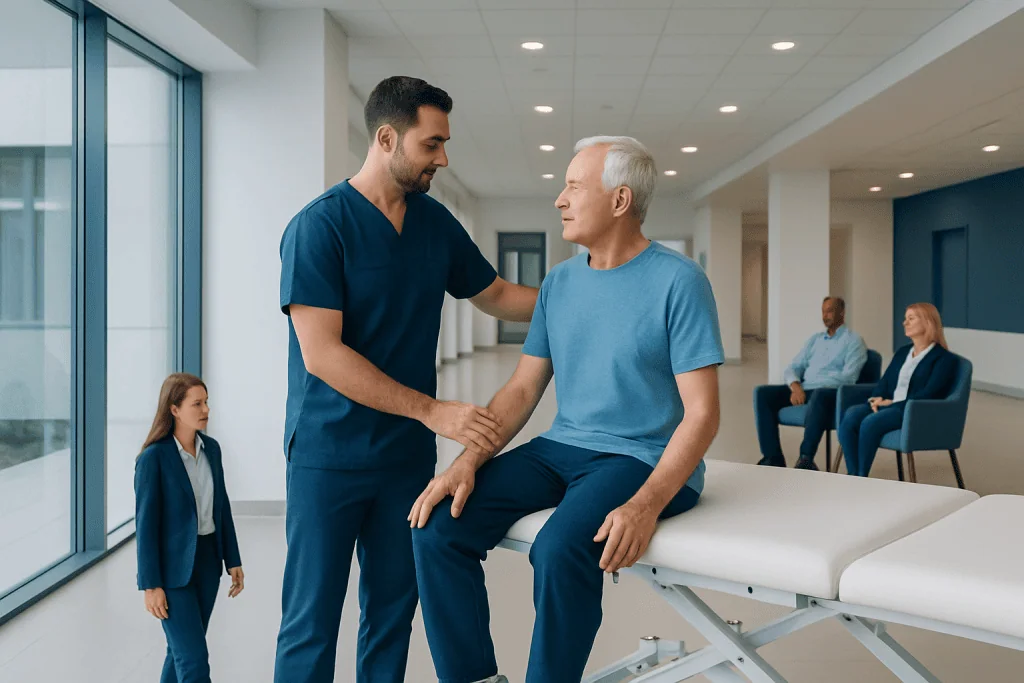
Physiotherapy sessions during early recovery in Turkey are supervised rehabilitation appointments that help restore movement, reduce pain, and support safe healing after surgery, injury, or illness. At Acibadem, these sessions are planned according to the patient’s condition and may include guided exercises, breathing work, mobility training, and pain-management techniques under specialist follow-up.
Early recovery can feel easier when your physiotherapy plan is organised, paced and supported by a team that understands international patient needs. This guide helps you prepare for physiotherapy sessions in Turkey with practical advice on timing, mobility, interpreters, accommodation and safe follow-up.
At a glance
- Best for: Patients staying in Turkey for early recovery after surgery, injury or hospital treatment
- Main focus: Safe movement, comfort, confidence and preparation for returning home
- Support available: International patient services, interpreters, appointment coordination and travel guidance
- Typical planning window: Discuss physiotherapy before discharge or as soon as your doctor clears you to begin
- Important reminder: Your physiotherapy plan should follow your treating doctor’s instructions and recovery restrictions
What early recovery physiotherapy is meant to do
Physiotherapy during early recovery is not about rushing your body or testing your limits. It is usually about helping you move safely, protect the area that is healing, reduce stiffness, improve confidence and understand what you should and should not do during the first days or weeks after treatment.
Your plan may include assisted walking, breathing and circulation exercises, gentle range-of-motion work, posture guidance, safe transfers from bed to chair, stair practice, or education for daily activities such as bathing, dressing and getting in and out of a car. The exact content depends on your diagnosis, surgery type, doctor’s restrictions and general condition.
At Acibadem International, physiotherapy is coordinated around the medical plan set by your treating team. For international patients, this coordination is especially helpful because you may also be managing hotel recovery, airport transfers, a companion’s role and the timing of your flight home.
When sessions usually begin and how they are scheduled
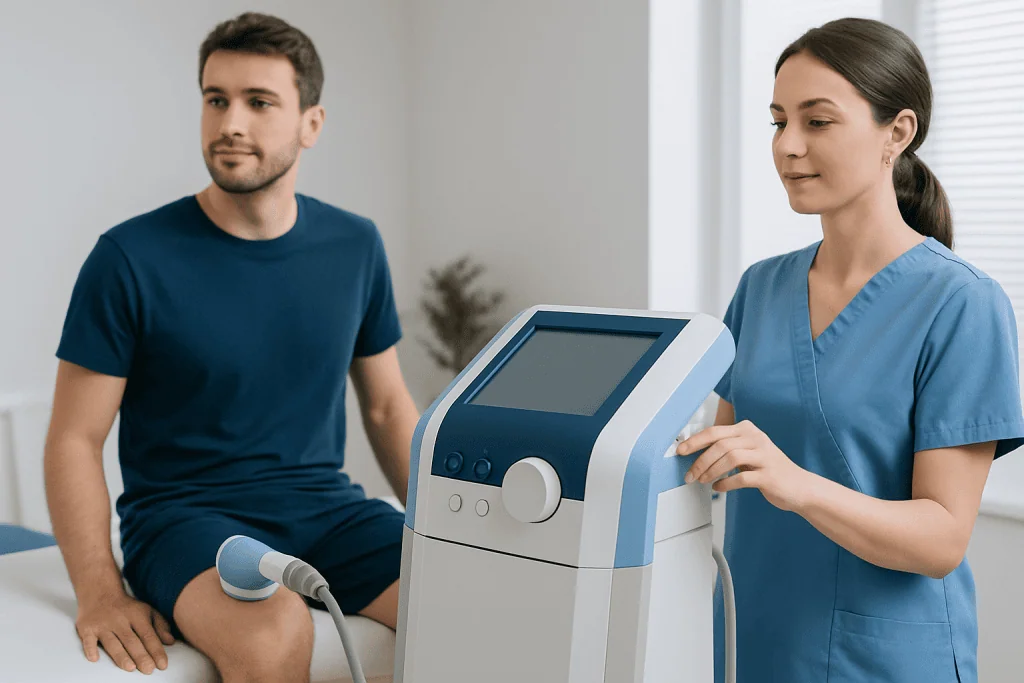
The safest time to begin physiotherapy is determined by your doctor and rehabilitation team. Some patients start gentle movement in hospital soon after surgery, while others need to wait until pain, wound healing, blood pressure, imaging or other medical factors are stable enough.
Before discharge, ask whether you need inpatient physiotherapy, outpatient sessions, hotel-based guidance where appropriate, or a written home exercise plan. If you are travelling to Turkey specifically for treatment, it is useful to ask about physiotherapy scheduling before you arrive so your recovery days are not overfilled with appointments, transfers and rest periods competing for the same time.
International patient coordinators can help you understand appointment times, where to go in the hospital, how long to allow for transfers and whether an interpreter should be present. Your schedule should leave enough space for dressing changes, follow-up visits, meals, sleep and short walks, rather than treating recovery like a full workday.
What to expect at your first physiotherapy session
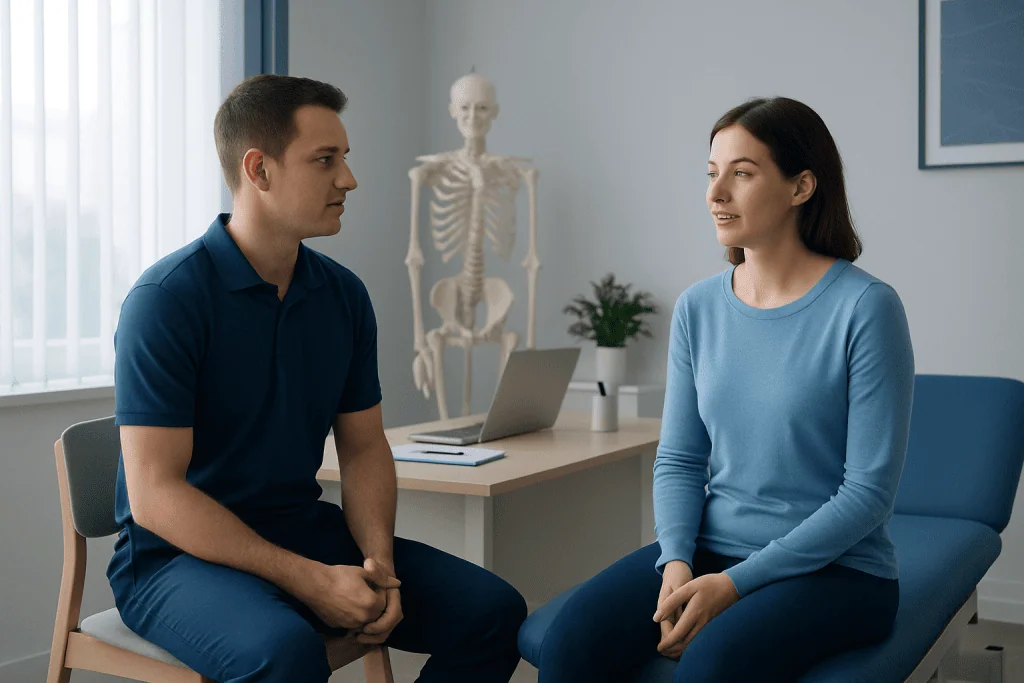
Your first session is usually a careful introduction. The physiotherapist may review your medical instructions, ask about pain and dizziness, check how you move, observe how you stand or walk, and confirm any restrictions such as weight-bearing limits, bending precautions or use of a brace, walker or crutches.
You should expect clear, practical teaching. This may include how to get out of bed without straining, how to use your walking aid, how often to take short walks, how to recognise fatigue, and which exercises are safe to repeat between sessions. If you do not understand an instruction, pause and ask for it to be repeated or demonstrated.
If English is not your preferred language, request interpreter support in advance. Acibadem International can arrange interpretation for many international patients, which helps reduce misunderstandings about movement restrictions, medication timing, wound precautions and warning signs.
Planning your accommodation and daily routine around therapy
Your accommodation can make a major difference to early recovery. A room with elevator access, a walk-in shower when possible, enough space for a walker or crutches, and a comfortable chair can reduce strain. If stairs are unavoidable, tell your care team so your physiotherapist can assess whether stair practice is needed before discharge.
Try to build your day around short, manageable blocks. A common rhythm is medication and breakfast, a therapy session or short walk, rest with elevation if advised, lunch, a second gentle walk, and quiet evening recovery. Your exact routine should follow your care team’s advice, especially if you have restrictions on sitting time, lifting, bending or weight bearing.
Your companion can be part of the routine, but they should not improvise exercises or force movement. Instead, they can help with appointment timing, carrying documents, preparing water, observing instructions and making sure you have a safe path to the bathroom or bed.
Managing pain, fatigue and safe progress
Some discomfort during early movement can be expected, but severe pain, sudden swelling, breathlessness, chest pain, fainting, new weakness, fever or wound changes should be reported promptly. Physiotherapy should feel structured and supervised, not like a test of endurance.
Use the pain-control plan provided by your doctor, and ask whether medication should be timed before sessions. Do not add over-the-counter medicines, supplements or topical products without checking, because they may affect bleeding risk, sedation, stomach irritation or interactions with prescribed medicines.
Progress is often measured in small wins: standing more confidently, walking to the bathroom safely, climbing a few stairs, sleeping better, or understanding your exercises. If one day is harder than the previous day, it does not always mean something is wrong, but it is a reason to communicate clearly with your physiotherapist and doctor.
Preparing to fly home after early recovery physiotherapy
Before you travel home, ask your doctor whether you are medically fit to fly and whether you need special instructions for the airport and aircraft. Depending on your condition, you may need a wheelchair request, aisle seat consideration, mobility aid clearance, compression guidance, medication timing, or a letter explaining recent treatment and implanted devices if relevant.
Your physiotherapist can help you practise the movements you will need on travel day, such as getting into a car, standing from a low seat, walking short distances, using crutches safely, or doing circulation exercises during the journey. Keep your home exercise plan simple, written down and realistic for the first week after arrival.
Acibadem International’s patient services can support practical coordination such as transfer planning, interpreter assistance for final instructions and collecting reports. You should also arrange follow-up with your local doctor or physiotherapist before you leave Turkey, so there is no gap in care once you return home.
Step by step
- Confirm your medical clearance. Before starting physiotherapy, ask your treating doctor what movements are allowed and what restrictions apply. Make sure you understand weight-bearing limits, wound precautions, brace use, medication timing and any symptoms that require urgent attention.
- Share your travel and recovery timeline. Tell your care team how long you plan to stay in Turkey and when you expect to fly home. This helps them recommend a realistic session schedule and prepare written guidance for your return journey.
- Arrange language and mobility support. If you need an interpreter, wheelchair assistance, a walking aid or help navigating the hospital, request this before your appointment. International patient coordinators can help reduce stress by confirming where to go and who will meet you.
- Prepare for each session practically. Wear comfortable clothing and supportive shoes, bring your medical documents if requested, and take prescribed medication as instructed. Eat lightly if advised and carry water, but avoid arriving exhausted from sightseeing or long transfers.
- Practise only the exercises you were given. Repeat your exercises exactly as taught, including the number of repetitions and frequency. Do not copy online videos or add resistance bands, weights or stretching routines unless your physiotherapist approves them.
- Track changes and questions. Keep a short note of pain levels, walking distance, swelling, sleep, dizziness or difficulties with daily activities. Bring these notes to your next appointment so your plan can be adjusted safely.
- Plan your handover before leaving Turkey. Ask for your physiotherapy instructions, medical reports and follow-up recommendations in a format you can share at home. Confirm who to contact if you have questions after departure and when you should see a local clinician.
Your checklist
- Doctor’s clearance for physiotherapy and written movement restrictions
- Appointment dates, hospital location and contact details saved on your phone
- Interpreter request confirmed if you prefer support in your own language
- Comfortable clothing, non-slip shoes and any brace or walking aid you were given
- Medication list, allergy information and recent discharge documents
- Accommodation with elevator access or a plan for safe stairs
- Companion briefed on how to assist without forcing movement
- Flight fitness advice, airport assistance request and follow-up plan before departure
Key takeaways
- Physiotherapy sessions in Turkey during early recovery should be based on your doctor’s restrictions and your overall medical condition.
- Your first sessions are usually focused on safe movement, confidence, daily activities and preventing avoidable strain.
- International patient services can help with scheduling, interpreters, transfers, reports and practical preparation for returning home.
- Your accommodation, companion support and daily routine are important parts of a safe recovery plan.
- Before flying home, confirm medical fitness to travel and arrange a clear handover for continued physiotherapy or follow-up care.
Frequently asked questions
Can I start physiotherapy immediately after surgery in Turkey?
Only your treating doctor and rehabilitation team can decide when it is safe to begin. Some patients start gentle movement in hospital very early, while others need more time because of pain, wound status, medical monitoring or surgery-specific restrictions. Always wait for clearance rather than starting exercises on your own.
How many physiotherapy sessions will I need before returning home?
The number of sessions varies widely depending on your treatment, mobility, recovery goals and length of stay in Turkey. Some patients need a few sessions focused on safe walking and daily activities, while others require a longer rehabilitation plan. Your team can help you prioritise what must be achieved before travel and what can continue at home.
Will I be able to have an interpreter during physiotherapy?
Interpreter support can often be arranged for international patients, and it is wise to request it before your appointment. This is especially important when learning restrictions, exercise technique, warning signs and travel instructions. Clear communication helps you feel more confident and reduces the risk of misunderstanding.
Should my companion attend the physiotherapy session with me?
In many cases, it is helpful for your companion to attend at least part of the session, especially if they will assist you at the hotel or during travel. They can learn how to support you safely, what not to do, and when to call for help. The physiotherapist can also show them practical tips such as safe walking support or transfer preparation.
Can I do sightseeing between physiotherapy sessions?
Early recovery is usually not the right time for busy sightseeing, long walks or crowded areas unless your doctor has specifically cleared you. Even if you feel well, fatigue can build quickly after treatment and travel. Keep activities short, accessible and close to your accommodation, and prioritise rest and medical appointments.
What should I do if pain increases after a session?
Mild soreness can happen, but sharp, worsening or unusual pain should be reported. Follow your prescribed pain plan, rest as advised and avoid adding extra exercises until you receive guidance. If pain is accompanied by fever, sudden swelling, chest pain, breathlessness, fainting, wound changes or new weakness, seek medical help promptly.
How do I continue physiotherapy after I leave Turkey?
Before departure, ask for written exercise instructions, medical reports and any restrictions that your local physiotherapist should know. Schedule a follow-up appointment at home as early as possible, especially if you need ongoing rehabilitation. Acibadem International can help you gather the documents needed for a smoother handover.
Add us as a Preferred Source to see more of our trusted health content across Google Search, AI Overviews and Discover.
More Patient Guides

When Can You Wear a Hat After a Hair Transplant?
You can usually wear a loose, clean hat after a hair transplant once your surgeon confirms grafts are protected—often around days 7–14.
8 min read
Flying After Knee or Hip Replacement Surgery
Flying after knee or hip replacement surgery is usually delayed until your surgeon confirms you can travel safely; plan mobility, clot prevention…
8 min read
Open vs Closed Rhinoplasty Recovery: Differences Explained
Open vs closed rhinoplasty recovery is usually similar overall, but open surgery may cause longer tip swelling. Learn timelines, travel and aftercare…
9 min read