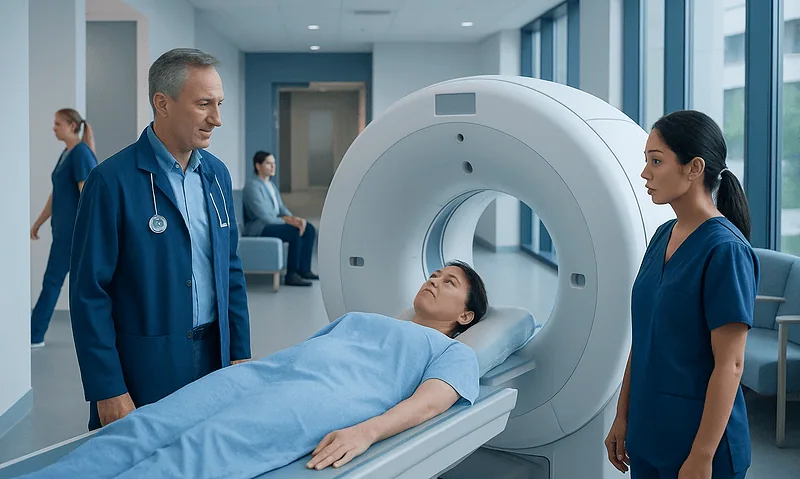
Talking with Doctor About Prostate Cancer Treatment: How It Works, Results and What to Expect

There is no single best treatment for every person with prostate cancer; risk category and individual goals guide the choice. Active surveillance is often appropriate for carefully selected low-risk cancers and avoids immediate treatment side effects.
Key Takeaways
- There is no single best treatment for every person with prostate cancer; risk category and individual goals guide the choice.
- Active surveillance is often appropriate for carefully selected low-risk cancers and avoids immediate treatment side effects.
- For localized cancer, surgery and radiation can both offer curative treatment for many patients, while their side-effect profiles differ.
- A urologist, radiation oncologist, and medical oncologist may each contribute useful perspectives to a treatment discussion.
- Bringing a written list of questions and a support person can help patients make an informed, values-based decision.
Talking with a doctor about prostate cancer treatment should lead to a shared plan based on the cancer’s stage and grade, overall health, expected benefits, and personal priorities such as urinary, sexual, and bowel function. Patients can prepare by asking which options are appropriate, what results are realistic, how treatment is delivered, and what support is available during recovery.
Overview: how to talk with a doctor about prostate cancer treatment
Talking with doctor about prostate cancer treatment is most useful when the discussion starts with the details of the diagnosis: the prostate-specific antigen (PSA) level, biopsy Grade Group or Gleason score, imaging findings, clinical stage, and whether the cancer appears confined to the prostate. These factors help the clinical team classify the cancer as low, intermediate, high risk, or advanced and narrow the options that may be appropriate.
Patients do not need to decide during the first appointment in most situations. They can ask their doctor to explain the expected aim of each option—monitoring the cancer, curing localized disease, slowing more advanced disease, or relieving symptoms—and how likely it is to meet that aim. A clear conversation should also cover the possible effects on urinary control, erections, bowel function, energy, fertility, and daily routines.
It can be helpful to bring pathology reports, PSA results, scan reports, a list of medicines, and questions written in advance. Many people also choose to bring a trusted relative or friend to take notes. A second opinion from another relevant specialist may provide reassurance and help a patient feel confident about the final plan.
Which questions should patients ask at the treatment consultation?

A productive consultation focuses on both medical facts and personal preferences. Patients may ask: What is my cancer’s Grade Group, stage, and risk category? Has it spread outside the prostate? Do I need more imaging or tests before deciding? Is it safe to take time to consider my choices? The doctor can explain how each result affects the recommendation.
Questions about outcomes are equally important. Patients can ask what the goal of treatment is, how the team will know whether it has worked, how PSA will be monitored, and what further options would be available if the cancer returns. It is reasonable to ask about the doctor’s experience with a proposed procedure and how the service supports continence, sexual health, nutrition, and emotional wellbeing.
- Which treatment options fit my diagnosis, and why?
- What happens if I choose active surveillance rather than treatment now?
- What short- and long-term side effects are most relevant for me?
- How might this choice affect work, travel, exercise, intimacy, and caregiving responsibilities?
- Should I meet both a urologist and a radiation oncologist before choosing?
Patients should tell the team what matters most to them. For one person, avoiding treatment unless necessary may be the priority; for another, pursuing definitive local treatment may feel more comfortable. Shared decision-making means the treatment plan considers these preferences alongside the clinical evidence.
How prostate cancer treatment works and who may be a candidate
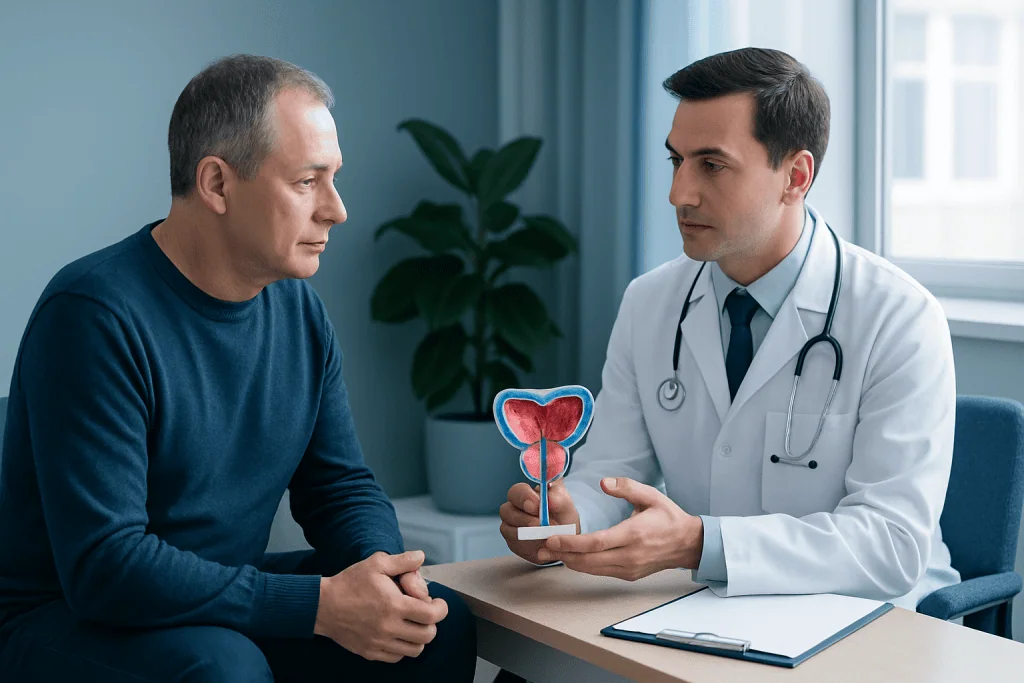
Active surveillance is a structured monitoring approach for some low-risk and selected favorable intermediate-risk prostate cancers. It is not the same as ignoring cancer: it commonly includes regular PSA tests, examinations, repeat imaging, and sometimes repeat biopsies. Curative treatment is recommended if signs suggest that the cancer is growing or becoming more aggressive.
For cancer that is localized to the prostate, main curative approaches include surgery to remove the prostate (radical prostatectomy) and radiation therapy. Prostate cancer treatment options may also include hormone therapy, chemotherapy, targeted treatment, immunotherapy, or radiopharmaceuticals when cancer is high risk, has spread, or has returned after earlier treatment. The best sequence depends on the individual situation.
Suitability for surgery depends on cancer characteristics, life expectancy, other health conditions, previous abdominal or pelvic procedures, and personal preference. Radiation planning considers prostate size, urinary symptoms, prior radiation exposure, bowel conditions, and whether hormone therapy may improve outcomes. A multidisciplinary review can help ensure that all reasonable choices are considered.
Some men with significant health conditions or limited life expectancy may be offered watchful waiting. This approach is less intensive than active surveillance and focuses on treating symptoms if they develop. It may be appropriate when the likely harms of curative treatment outweigh its potential benefit.
What happens step by step during treatment and recovery?
Before treatment, the team reviews pathology and imaging, discusses consent, and checks general fitness. For surgery, this may include blood tests, anesthesia assessment, and advice about medicines that affect bleeding. Radical prostatectomy removes the prostate and seminal vesicles; nearby lymph nodes may also be removed in some cases. The procedure is performed under general anesthesia, and a urinary catheter is usually needed temporarily afterward.
After surgery, hospital stay and recovery vary by the procedure, health status, and local care pathway. Walking is encouraged early, while strenuous activity and heavy lifting are restricted for a period advised by the surgical team. The catheter is removed at a follow-up appointment, and pelvic-floor exercises may help recovery of urinary control. Erections can take months or longer to recover, and rehabilitation options may be discussed.
External-beam radiation is usually planned with detailed imaging to target the prostate while protecting nearby organs. Treatment is delivered in short outpatient sessions over a schedule chosen by the radiation team. Brachytherapy, where radioactive sources are placed within or near the prostate, is suitable for selected patients. Hormone therapy may be given before, during, or after radiation for certain risk groups.
During radiation, some people develop temporary urinary frequency, bowel irritation, tiredness, or skin changes in the treated area. Follow-up appointments include PSA monitoring and management of any late effects. Recovery is individual, and patients should contact their care team about new or worsening symptoms rather than trying to manage troublesome effects alone.
Benefits, risks and realistic results of treatment
Each treatment has possible benefits and trade-offs. Active surveillance can preserve quality of life by postponing or avoiding treatment side effects, but it requires reliable follow-up and may create uncertainty for some people. Surgery removes the prostate and provides detailed information about the removed tissue, while radiation treats the prostate without an operation.
Urinary leakage and erectile dysfunction are recognized possible effects after prostatectomy. Radiation may cause urinary irritation, erection difficulties that develop gradually, and bowel symptoms such as urgency or rectal bleeding. Hormone therapy can cause hot flushes, fatigue, reduced sexual desire, mood changes, weight changes, loss of bone strength, and metabolic effects. The likelihood and severity of side effects vary with age, baseline function, treatment details, and other health conditions.
Doctors usually discuss cancer control in terms of risk rather than certainty. Localized prostate cancer may often be managed successfully, but PSA follow-up remains essential because recurrence can occur after surgery or radiation. If PSA rises or scans show recurrence, further treatment may still be possible depending on where the cancer is located and what treatment has already been given.
Specialist care can include urology, radiation oncology, medical oncology, radiology, pathology, nursing, physiotherapy, sexual-health support, and dietetics. Acibadem International’s multidisciplinary specialists and JCI-accredited hospitals diagnose and treat prostate cancer for international patients, with care planning tailored to the individual diagnosis and needs.
What is the best treatment for prostate cancer with the least side effects?
The treatment with the least side effects depends on the cancer’s risk level and the patient’s goals. For many people with low-risk prostate cancer, active surveillance has the fewest immediate physical side effects because it does not involve surgery, radiation, or systemic medicines. However, it requires regular testing and is appropriate only when clinical findings indicate that monitoring is safe.
For people who need active treatment, there is no option that is free of side effects. Surgery more commonly affects urinary control and erections, whereas radiation may be more likely to cause temporary bowel or urinary irritation and can also affect sexual function over time. A doctor can compare expected side effects using the patient’s existing urinary, bowel, and sexual health as part of the discussion.
The least disruptive choice is not always the best cancer-control choice. Patients should ask which options offer an appropriate balance between controlling their specific cancer and preserving the functions that matter most to them.
Can low-grade prostate cancer go away?
Low-grade prostate cancer usually does not simply disappear on its own, although it may grow so slowly that it never causes symptoms or threatens health. Because of this, many carefully selected people with low-grade disease can choose active surveillance rather than immediate treatment. Monitoring helps identify changes early enough for curative treatment to remain an option when needed.
Biopsy samples represent only part of the prostate, so repeat assessment may be recommended to confirm that the cancer remains low grade. PSA trends, prostate MRI, repeat biopsy findings, and overall health are considered together; no single test gives the whole answer.
Patients should not assume that a low PSA or lack of symptoms means the cancer has gone away. Following the agreed surveillance schedule is important, and any concerns about appointments or testing should be discussed with the urology team.
What is the most effective treatment for localized prostate cancer?
For localized prostate cancer, the most effective treatment depends on whether the disease is low, intermediate, or high risk, as well as the patient’s health and preferences. Active surveillance is often effective management for low-risk cancer. For patients who need curative treatment, radical prostatectomy and radiation therapy are both established options that can provide strong long-term cancer control.
For higher-risk localized or locally advanced cancer, radiation is often combined with hormone therapy, and surgery may be followed by additional treatment if pathology or PSA results indicate a higher risk of recurrence. The ideal plan should be based on a discussion with appropriate specialists rather than a one-size-fits-all recommendation.
A patient may benefit from reviewing their diagnosis with a team experienced in prostate cancer care. The team can explain whether the cancer appears confined to the prostate, whether lymph nodes need evaluation, and how each approach may affect future treatment options.
What to eat after prostate cancer treatment?
After prostate cancer treatment, most people benefit from a varied eating pattern that supports healing, bowel regularity, heart health, and a healthy weight. This commonly includes vegetables, fruits, beans, whole grains, nuts, and protein sources such as fish, poultry, eggs, or plant proteins. Fluids are important, particularly after surgery, unless a clinician has advised fluid restriction for another condition.
In the days after surgery, the care team may recommend gradually returning to regular foods as bowel function recovers. Constipation can be uncomfortable and may worsen urinary symptoms, so fiber, fluids, and gentle activity can help when medically appropriate. After radiation, temporary bowel sensitivity may make it helpful to limit foods that clearly trigger diarrhea, urgency, or gas, then reintroduce foods as symptoms settle.
There is no proven special diet that cures prostate cancer or replaces medical follow-up. Patients using vitamins, herbal products, or restrictive diets should discuss them with their oncology team, as some supplements can interact with treatment or create nutritional gaps.
When to seek medical care
Patients should contact their cancer team promptly if they develop fever, severe or worsening pain, inability to pass urine, heavy bleeding from the urine or rectum, new leg swelling, chest pain, shortness of breath, or symptoms that feel urgent. After surgery, warning signs can include increasing wound redness, discharge, or persistent vomiting. The team can advise whether same-day assessment is needed.
Medical advice is also appropriate for side effects that are not emergencies but affect quality of life, including persistent urinary leakage, painful urination, bowel urgency, diarrhea, constipation, erection concerns, low mood, sleep problems, or troublesome hot flushes. Many treatment effects can be improved with timely support.
Regular follow-up remains important even when a person feels well. PSA testing, examinations, and imaging when indicated allow the team to assess recovery and detect recurrence or treatment-related effects at an early stage.
Frequently asked questions
Should a patient see more than one prostate cancer specialist?
Yes. For many people, meeting both a urologist and a radiation oncologist provides a clearer comparison of surgery and radiation. A medical oncologist may also be involved when cancer is high risk, recurrent, or metastatic, or when systemic treatment is being considered.
How long can a person wait before starting prostate cancer treatment?
The safe timeframe depends on the cancer’s risk category and whether symptoms or signs of spread are present. Low-risk disease often allows time for further discussion, second opinions, and active-surveillance planning, while aggressive or advanced cancers may need more timely treatment. The treating doctor should advise on the appropriate timeline.
Does prostate cancer treatment always cause erectile dysfunction?
No, but erectile dysfunction is a possible effect of both surgery and radiation. Risk varies with age, baseline erectile function, other conditions such as diabetes or vascular disease, and treatment details. Sexual-health rehabilitation and treatments may help and should be discussed early.
Will PSA become zero after prostate cancer treatment?
After prostatectomy, PSA is expected to fall to a very low or undetectable level because the prostate has been removed. After radiation, PSA usually declines gradually and may not become undetectable because the prostate remains in place. The care team interprets PSA patterns using the treatment received and the timing of tests.
Can diet or supplements prevent prostate cancer from returning?
A balanced diet, regular physical activity, not smoking, and maintaining a healthy weight support overall health, but no food or supplement has been proven to prevent recurrence on its own. Supplements should be reviewed with a clinician, especially during or after cancer treatment. Follow-up testing remains the main way to monitor for recurrence.
What records should a patient bring to a second-opinion appointment?
Useful records include PSA results over time, biopsy pathology reports and slides when available, MRI or other scan reports and images, treatment summaries, and a list of medicines and health conditions. Bringing questions about the diagnosis, options, side effects, and follow-up can make the appointment more productive.
References
- National Cancer Institute
- American Cancer Society
- European Association of Urology
- National Comprehensive Cancer Network
- World Health Organization
This article is for general information only and is not a substitute for professional medical advice. Please consult a qualified doctor about your individual situation.
Prostate Cancer in Turkey — costs, top hospitals & a free quote
JCI-accredited · board-certified surgeons · reply within 24h
Add us as a Preferred Source to see more of our trusted health content across Google Search, AI Overviews and Discover.