Properties of a Laser Beam: How It Works, Results and What to Expect
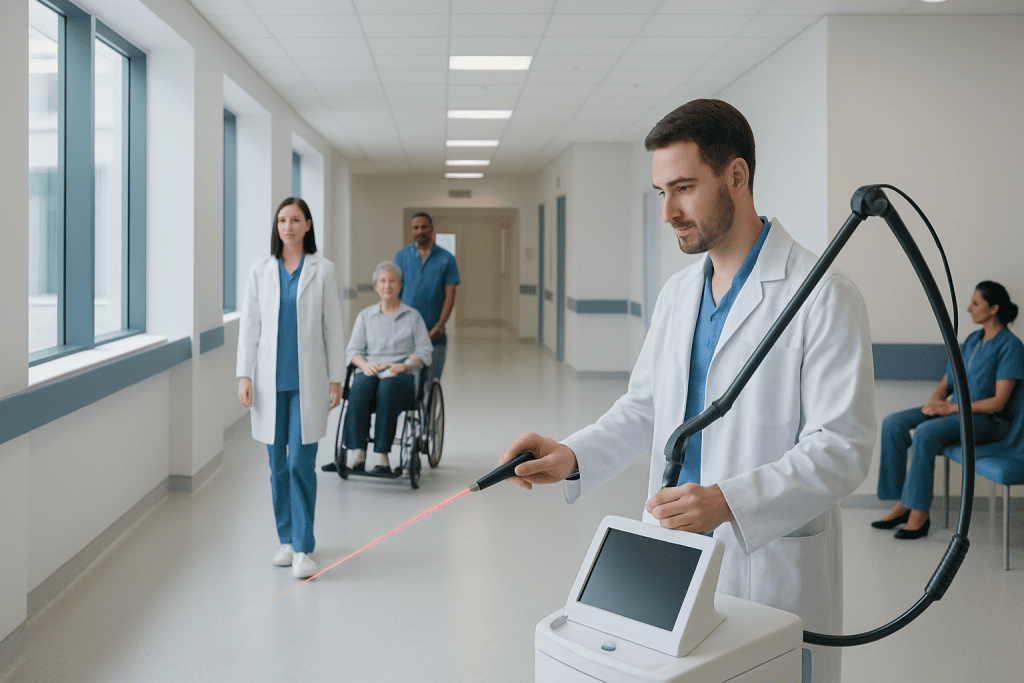
Laser light is highly directional, coherent and concentrated within a narrow wavelength range. Different wavelengths interact differently with water, blood pigment, melanin and other tissue components.
Key Takeaways
- Laser light is highly directional, coherent and concentrated within a narrow wavelength range.
- Different wavelengths interact differently with water, blood pigment, melanin and other tissue components.
- A medical laser procedure is selected according to the treatment goal, skin or tissue characteristics and overall health.
- Most laser treatments are outpatient procedures, although recovery varies substantially by laser type and treatment area.
- Temporary redness, swelling or discomfort may occur; more significant complications are uncommon but possible.
The properties of a laser beam—especially its focused direction, coherence and controlled wavelength—allow it to deliver energy precisely to selected tissue. In medicine, these features can support diagnosis and treatment across specialties, but the expected results, recovery and risks depend on the laser type and the condition being treated.
Overview: Why the Properties of a Laser Beam Matter
The properties of a laser beam make it different from ordinary light. Laser light can be produced in a very controlled wavelength range, travel in a narrow direction and maintain an organized wave pattern. These qualities allow clinicians to target tissue with a level of precision that is useful in areas such as dermatology, ophthalmology, urology, dentistry and surgery.
A laser is not one single treatment. It is a technology platform with many forms, wavelengths and delivery methods. Some lasers remove or reshape tissue, while others heat selected targets such as blood vessels, hair follicles or pigment. The best approach depends on the health concern, the body area, skin or tissue characteristics, and the expected balance of benefit and risk.
Medical lasers are used only after clinical assessment and with appropriate safety measures. They may be part of a broader care plan rather than a replacement for medical evaluation, surgery or medication when those options are needed.
What are three key properties of a laser beam?
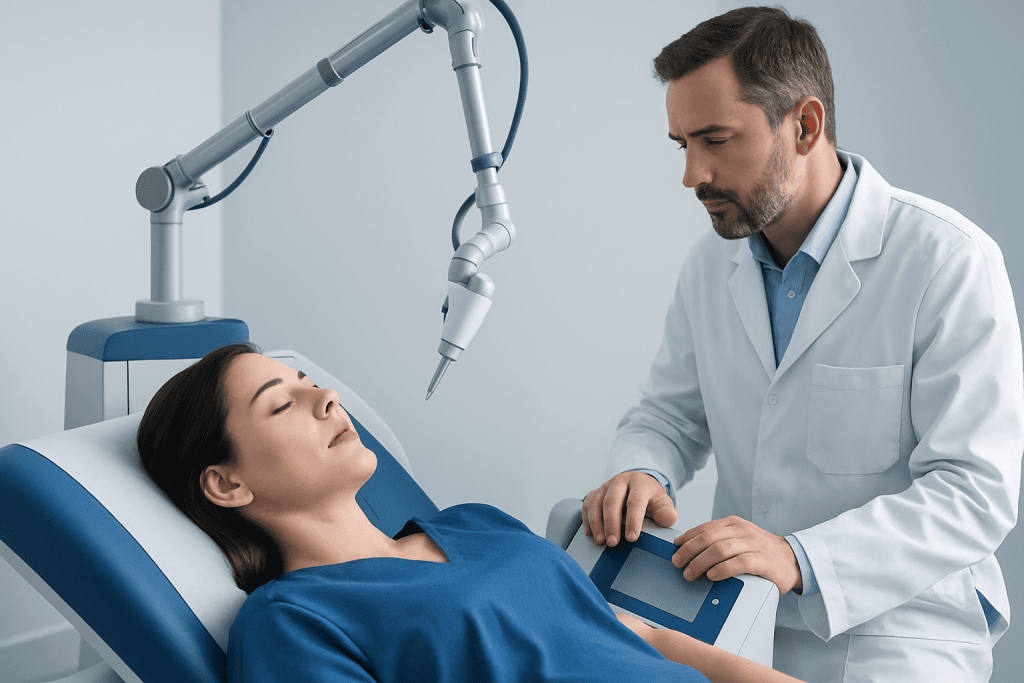
Three key properties of a laser beam are directionality, coherence and a narrow wavelength range. Directionality means the beam spreads less than ordinary light, so energy can be delivered to a small, carefully selected area. This is one reason lasers can be useful for precise medical procedures.
Coherence means the light waves have a consistent relationship with one another. In simplified terms, the waves move in an organized pattern rather than in many random directions and phases. This contributes to the beam’s ability to remain focused and controlled.
A narrow wavelength range means laser light is close to a single color or wavelength. Since tissues absorb different wavelengths differently, clinicians can select a laser whose energy is more likely to interact with the intended target, such as water in skin tissue, hemoglobin in blood vessels or melanin in hair and pigment.
Can you explain how a laser works in a simple way?

A laser works by energizing a material known as the laser medium. That material may be a gas, crystal, liquid or semiconductor. When energy is supplied, its atoms or molecules release light particles, called photons. These photons stimulate the release of more photons with matching characteristics.
Mirrors inside the laser device repeatedly reflect the light through the laser medium, increasing and organizing the light energy. A portion then leaves through a controlled opening as a narrow laser beam. The device settings determine features such as wavelength, pulse duration, spot size and energy level.
During medical treatment, the clinician directs this energy to a defined target. Depending on the system and settings, the laser may vaporize tissue, create tiny controlled treatment zones, coagulate small blood vessels, fragment material, or trigger a controlled healing response. Protective eyewear is required whenever there is a risk of eye exposure.
What are the characteristic properties of a laser beam?
Characteristic properties of a laser beam include monochromaticity, coherence, collimation, brightness and controllable energy delivery. Monochromaticity refers to a narrow range of wavelengths. Although no practical laser is perfectly one wavelength only, its light is much narrower in spectrum than light from a standard lamp.
Collimation describes how parallel the rays are. A well-collimated beam remains narrow over a longer distance than ordinary light, although it still diverges to some degree. High brightness, also called high radiance, means substantial energy can be concentrated into a small area.
In clinical practice, these properties are adjusted rather than simply maximized. A specialist chooses settings that aim to achieve the intended tissue effect while protecting surrounding structures. Pulse timing is particularly important because it can help limit unwanted heat spread to nearby tissue.
What are the five properties of lasers?
The five properties of lasers commonly described in education are monochromaticity, coherence, directionality or collimation, high intensity or brightness, and polarization. Monochromaticity means the light has a narrow wavelength range. Coherence means the light waves are synchronized in a consistent pattern.
Directionality means the beam can travel in a relatively narrow path, while high intensity means energy can be delivered within a small spot. Polarization describes the orientation of the light wave’s electric field; it is a physical property that may matter in research and certain optical applications, although it is not the main feature considered for many routine medical treatments.
For patients, the practical point is that these features give clinicians control over where and how laser energy is delivered. They do not make every procedure risk-free, and a laser should always be selected for a specific medical purpose rather than assumed to be the best option in all situations.
How Medical Laser Procedures Work: Candidacy and Steps
Before a laser procedure, a clinician reviews the concern being treated, medical history, medications, previous procedures, tendency to scar, active infections and skin or tissue characteristics. People taking medicines that increase sensitivity to light, affect bleeding or influence healing may need additional planning. Pregnancy, recent tanning, active inflammation or certain medical conditions may also affect timing or suitability.
The procedure usually begins with confirmation of the treatment plan and informed consent. The area may be cleaned, photographed for clinical comparison, and treated with a topical, local or other appropriate anesthetic depending on the procedure. Both the patient and clinical team wear wavelength-specific eye protection when needed.
The specialist then applies the laser in planned passes or pulses. Some people feel warmth, brief stinging, snapping sensations or pressure. Cooling methods may be used to improve comfort and protect the skin. Afterward, the area may be cooled and covered with a soothing product or dressing. For concerns requiring laser-based care, the treatment plan should be individualized after assessment rather than chosen from general information alone.
Benefits, Risks and Recovery Timeline
The potential benefit of laser treatment is precision. A properly selected laser can target a specific structure while limiting effects on nearby tissue. Depending on the procedure, possible goals include improving a visible skin concern, reducing unwanted hair, treating selected vascular or pigment changes, reshaping tissue, or supporting treatment of an underlying medical condition.
Recovery ranges from little or no downtime after some non-ablative treatments to days or weeks of healing after procedures that remove or resurface tissue. Mild redness, swelling, tenderness, temporary darkening or lightening of the skin, and crusting can occur. The care team provides instructions about cleansing, sun protection, activity, wound care and follow-up based on the procedure performed.
Less common risks include infection, blistering, prolonged color change, scarring, incomplete response, recurrence of the original concern and eye injury if safety precautions are not followed. The likelihood varies by laser, setting, treatment site, clinician experience and individual healing. Results may appear gradually, and some treatments require more than one session.
Aftercare and When to Seek Medical Care
Following aftercare instructions is important for safe healing. In general, patients should avoid picking or scrubbing treated skin, protect healing tissue from sunlight, use only recommended skin products, and avoid heat exposure or strenuous activity if advised. Makeup, shaving, swimming and certain topical products may need to be postponed for a short time, depending on the treatment.
Patients should contact the treating clinician promptly if they develop worsening pain, spreading redness, significant swelling, pus-like drainage, fever, blisters, unexpected bleeding, vision changes or any symptom that seems severe or unusual. Urgent medical care is appropriate for signs of a serious allergic reaction, difficulty breathing, sudden vision loss or a significant eye injury.
Acibadem International’s multidisciplinary specialists and JCI-accredited hospitals diagnose and treat conditions that may require laser-based care for international patients. A qualified clinician can explain whether a laser procedure is appropriate, what alternatives are available and what recovery is realistic for the individual situation.
Frequently asked questions
Are laser beams dangerous?
Laser beams can cause injury when used without appropriate controls, particularly to the eyes and skin. Medical lasers are used by trained professionals with protective measures, including suitable eyewear and carefully selected settings. The level of risk depends on the laser class, wavelength, power and exposure time.
Is laser treatment painful?
Comfort levels vary by procedure, treatment area and individual sensitivity. Some people feel warmth, stinging or a brief snapping sensation, while procedures involving deeper tissue may require topical or local anesthesia. The treatment team can discuss comfort measures before the procedure.
How long does it take to recover after a laser procedure?
Recovery can range from hours to several weeks, depending on whether the laser affects the surface of the skin, deeper tissue or another body area. Redness and swelling may settle quickly after some treatments, while resurfacing procedures need more structured wound care. The treating clinician provides the most reliable timeline.
Can all skin tones have laser treatment?
People of all skin tones may be candidates for certain laser procedures, but device selection and settings require careful planning. Skin with more melanin may have a higher risk of temporary or persistent pigment changes with some lasers. Assessment by an experienced clinician helps identify the safest option.
How many laser sessions are needed?
The number of sessions depends on the goal, the laser technology and the way the body responds. Some procedures are completed in one session, while others are delivered as a series spaced over time. A clinician can outline a personalized treatment plan after examining the area.
What should patients avoid after a laser treatment?
Patients are commonly advised to avoid sun exposure, picking or rubbing the treatment area, and unapproved active skin products during healing. Depending on the procedure, they may also need to avoid swimming, heat exposure, intense exercise or makeup for a limited period. Specific aftercare instructions should take priority because they vary by treatment.
References
- U.S. Food and Drug Administration
- American Academy of Dermatology Association
- American Academy of Ophthalmology
- National Institute of Biomedical Imaging and Bioengineering
- World Health Organization
This article is for general information only and is not a substitute for professional medical advice. Please consult a qualified doctor about your individual situation.
Explore treatments in Turkey — costs, top hospitals & a free quote
JCI-accredited · board-certified surgeons · reply within 24h
Add us as a Preferred Source to see more of our trusted health content across Google Search, AI Overviews and Discover.

More from the Health Library
Related Specialists
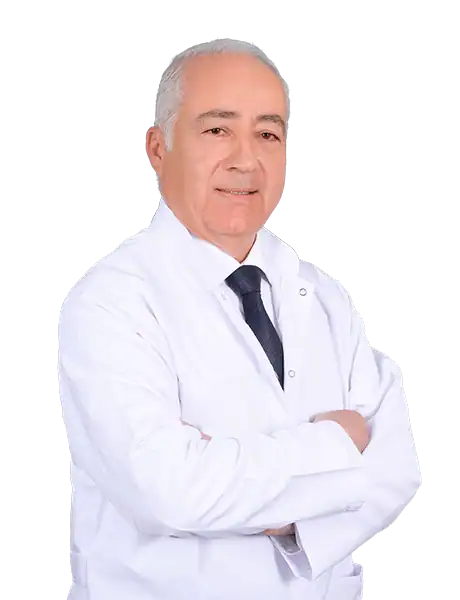
Prof. Dr. Yılmaz Büyükuncu
General Surgery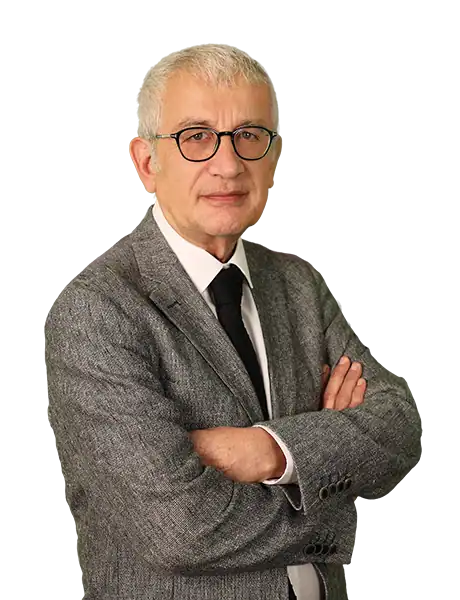
Prof. Dr. Ömer Faruk Taşer
Orthopedic Surgery & Traumatology
Prof. Dr. Arzu Ertürk
Pulmonary Medicine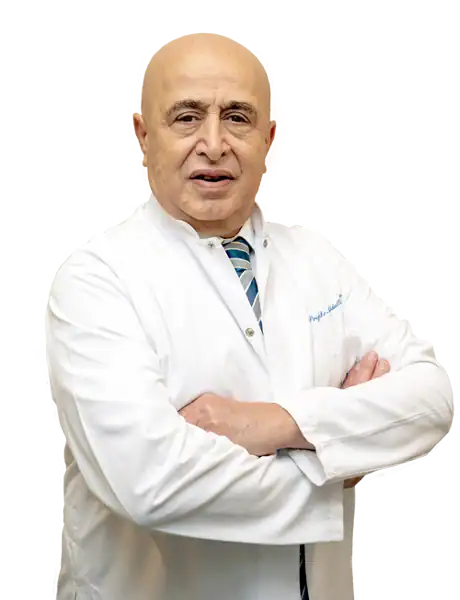
Prof. Dr. Abdullah Zorluoğlu
General Surgery