Colonoscopy Mortality Rate Per 10000: Preparation, Procedure and Results
Deaths directly related to colonoscopy are rare, but risks increase with older age, serious illness and therapeutic procedures such as polyp removal. A high-quality bowel preparation is essential because it helps the clinician see the bowel lining clearly and safely.
Key Takeaways
- Deaths directly related to colonoscopy are rare, but risks increase with older age, serious illness and therapeutic procedures such as polyp removal.
- A high-quality bowel preparation is essential because it helps the clinician see the bowel lining clearly and safely.
- Most people receive sedation, go home the same day and return to usual activities within 24 hours, although driving is not safe until sedation has worn off.
- Colonoscopy can identify cancer, inflammation, bleeding sources and polyps that may be removed before they become cancerous.
- Severe or worsening abdominal pain, heavy rectal bleeding, fever, fainting or persistent vomiting after colonoscopy needs urgent medical assessment.
The colonoscopy mortality rate per 10000 is very low, although an exact figure varies by age, health status, whether polyps are removed and how mortality is measured. Colonoscopy is generally a safe, valuable test for investigating bowel symptoms and preventing colorectal cancer, but patients should understand preparation, possible complications and recovery expectations.
Colonoscopy mortality rate per 10000: what does it mean?
The colonoscopy mortality rate per 10000 describes how many deaths occur for every 10,000 colonoscopy procedures. Deaths caused directly by colonoscopy are exceptionally uncommon. Published estimates differ because studies include different patient groups and may count deaths within a set time after the test, whether or not the procedure was the cause.
Risk is not the same for every person. It is generally lower for a planned screening examination in a healthy adult and higher for people who are older, medically frail, taking blood-thinning medicines, or having a complex procedure such as removal of a large polyp. The most important serious complications linked to colonoscopy are bowel perforation, significant bleeding and uncommon sedation-related heart or breathing problems.
For most appropriately selected patients, the potential benefits of finding and removing precancerous polyps or investigating concerning symptoms outweigh these small risks. A gastroenterology team reviews an individual’s medical history, medicines and reason for testing before proceeding.
How colonoscopy works and who may need it
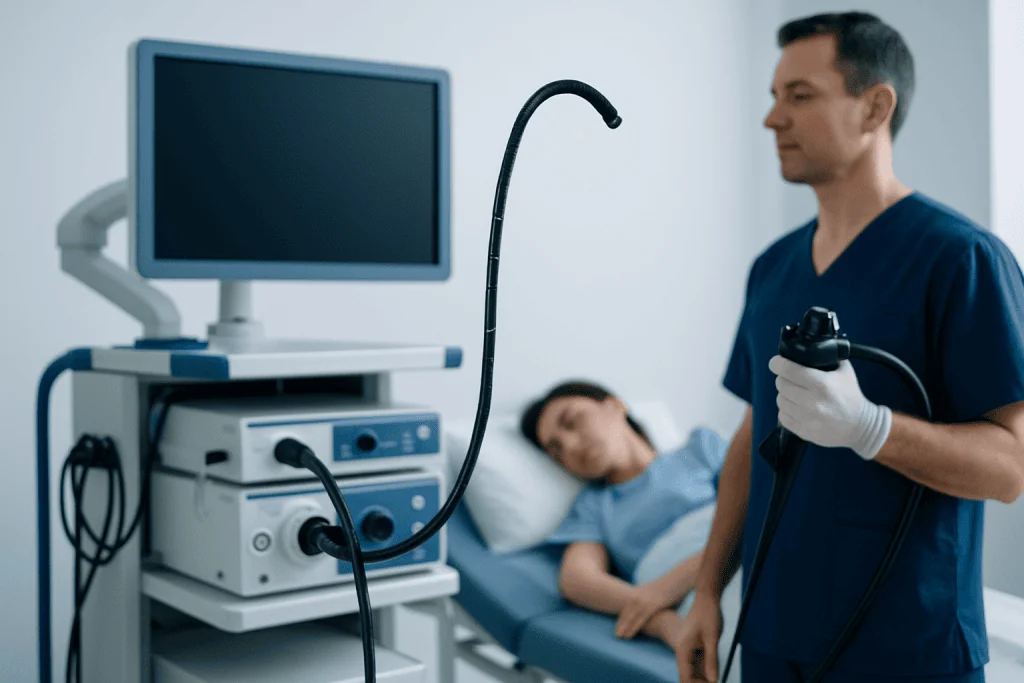
Colonoscopy is an examination of the rectum and colon using a thin, flexible tube with a camera and light at its tip. The clinician guides the colonoscope through the bowel while viewing images on a monitor. Air or carbon dioxide is introduced gently to open the colon and allow a clear inspection of its lining.
The test may be recommended for colorectal cancer screening, follow-up after previous polyps, unexplained rectal bleeding, iron-deficiency anaemia, a persistent change in bowel habits, unexplained weight loss, or assessment of some inflammatory bowel conditions. It can also be used to take tissue samples and remove many polyps during the same examination.
Not everyone requires colonoscopy at the same time or interval. A clinician considers age, symptoms, family history, previous findings and overall health. Alternative tests may sometimes be more suitable, particularly when the risks of sedation or invasive testing are higher than the expected benefit.
Preparation, procedure and recovery timeline
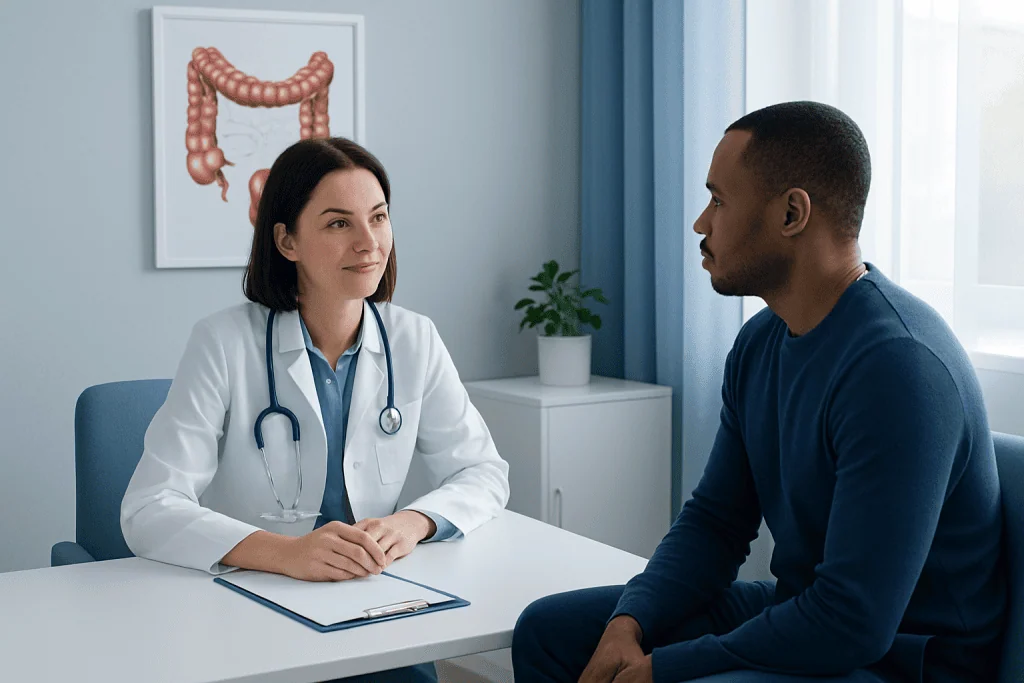
Preparation starts several days before the appointment. Patients may be asked to adjust their diet temporarily, follow instructions for a prescribed bowel-cleansing solution and review medicines with the clinical team. Iron supplements, diabetes medicines and anticoagulant or antiplatelet medicines may need individual planning; they should never be stopped without medical advice.
On the day, staff confirm medical details, allergies and consent. Most people receive sedation and pain-relieving medicine through a vein, while some may have deeper anaesthesia depending on clinical need. During the examination, which commonly takes less than an hour, the clinician inspects the colon, obtains biopsies if needed and may remove polyps.
Afterward, patients rest in a recovery area while sedation wears off. Bloating, passing gas and mild cramping can occur for several hours because of the gas used during the test. A responsible adult should take the patient home, and driving, alcohol, important decisions and operating machinery should be avoided for the remainder of the day. Many people resume normal eating and usual activities the next day unless their clinician advises otherwise.
A written report may be available immediately, but biopsy results can take several days. If a polyp is removed, the team explains when to restart medicines, what bleeding to expect and when the next surveillance examination may be needed.
What percentage of people fail colonoscopy prep?
Inadequate bowel preparation is common enough to affect the quality of colonoscopy, but the percentage varies between studies, patient populations and the preparation regimen used. Research often reports that roughly one in five colonoscopies has bowel cleansing that is not adequate for a fully reliable examination, although rates can be lower when instructions are clear and a split-dose regimen is used.
An inadequate preparation does not mean a person has done something wrong. Constipation, diabetes, reduced mobility, some medicines, nausea, difficulties drinking the solution and unclear instructions can all make bowel cleansing harder. If the lining cannot be seen properly, small polyps or other abnormalities could be missed.
The clinician may recommend repeating the colonoscopy sooner than planned if preparation was poor. Patients can improve the likelihood of a successful test by reading instructions early, asking questions promptly, following dietary guidance exactly and telling the team about constipation, kidney disease, diabetes and all regular medicines.
- Ask whether split-dose preparation is appropriate.
- Arrange time near a toilet during the preparation period.
- Contact the clinic before the test if vomiting prevents completion of the preparation.
Is a colonoscopy a high risk procedure?
For most people, colonoscopy is not considered a high-risk procedure. It is performed routinely and has an established safety record, especially when done for standard screening or diagnostic reasons by an experienced team. However, it is an invasive procedure, so it cannot be described as risk-free.
Bleeding is more likely after removal of a polyp, and it may happen immediately or occasionally several days later. A perforation, meaning a tear in the bowel wall, is rare but serious and may require hospital treatment, antibiotics, endoscopic repair or surgery. Sedation can rarely affect breathing, blood pressure or heart rhythm, which is why monitoring is used throughout the procedure and recovery.
Individual risk is assessed in advance. Patients should tell the team about heart, lung, kidney or liver disease; pregnancy; sleep apnoea; allergies; previous abdominal surgery; and medicines that affect bleeding or sedation. This helps the clinician select the safest approach and decide whether another test may be preferable.
What surprising findings did the major colonoscopy study reveal?
This question commonly refers to a large randomized European study, known as the NordICC trial, that compared an invitation to screening colonoscopy with no invitation in adults at average risk. In the study’s initial analysis, being invited to colonoscopy produced a smaller reduction in colorectal cancer incidence and no statistically clear reduction in overall colorectal cancer deaths compared with no invitation over the reported follow-up period.
The result was surprising to many readers because colonoscopy is widely regarded as an effective screening tool. However, the study evaluated an invitation strategy, not the benefit among only those who actually underwent a high-quality colonoscopy. Participation was incomplete, and screening outcomes depend on uptake, bowel preparation, examination quality, polyp detection and timely follow-up.
The findings have informed an ongoing discussion about how best to organize population screening. They do not mean that colonoscopy has no role. Colonoscopy remains important for people with symptoms, positive stool-based screening tests, previous polyps, strong family history and other situations where a clinician recommends direct inspection of the colon.
Why no colonoscopy after 75?
There is no universal rule that a person must never have a colonoscopy after age 75. Instead, many screening guidelines recommend individualized decisions from around this age because the potential benefit of detecting a slow-growing cancer may take years to appear, while procedure and sedation risks tend to rise with age and coexisting illness.
For someone in good health with a longer life expectancy, no recent screening and a meaningful risk of colorectal cancer, screening may still be reasonable after 75. For someone with serious medical conditions, limited functional reserve or consistently normal prior screening, the likely benefit may be small. Screening is commonly stopped at an older age threshold in average-risk adults, but recommendations vary by country and individual circumstances.
Importantly, age-based screening guidance does not apply in the same way to new symptoms. Rectal bleeding, unexplained anaemia, persistent bowel changes or unexplained weight loss still need medical assessment at any age. A clinician can discuss the safest diagnostic option, which may or may not be colonoscopy.
When to seek medical care
Before a colonoscopy, patients should contact their healthcare team if they cannot complete the bowel preparation, have ongoing vomiting, develop signs of dehydration, or are uncertain about how to manage essential medicines. They should also report new chest pain, severe breathlessness, fever or a major change in health before attending the appointment.
After the procedure, mild bloating and a small amount of blood on toilet paper can occur, particularly after a biopsy or polyp removal. Urgent medical care is needed for severe or worsening abdominal pain, a swollen or rigid abdomen, heavy or continuing rectal bleeding, black stools, fever, chills, fainting, chest pain, breathing difficulty or repeated vomiting.
At Acibadem International, multidisciplinary specialists in JCI-accredited hospitals can evaluate bowel symptoms and provide diagnostic and therapeutic endoscopy for international patients. The care team can also advise on appropriate colorectal cancer screening and follow-up based on individual health needs.
Frequently asked questions
How many deaths occur after colonoscopy per 10,000 procedures?
Deaths directly caused by colonoscopy are very rare, but no single number applies to every setting. Estimates vary according to whether the test was screening or therapeutic, the patient’s age and health, and how researchers define a procedure-related death. A clinician can explain the likely risk in an individual situation.
Can a colonoscopy cause a perforated bowel?
Yes, but bowel perforation is an uncommon complication. The risk is higher when difficult polyp removal or other therapeutic work is required than during a straightforward diagnostic examination. Severe or increasing abdominal pain, fever or persistent vomiting after the test needs urgent assessment.
How long does it take to recover from a colonoscopy?
Most people recover from sedation within the day and return to usual routines the following day. Bloating, gas and mild cramps may last for several hours. If a large polyp was removed or a complication occurs, recovery instructions may be different.
What makes bowel preparation inadequate?
The colon may not be fully clean if the preparation solution is not completed, dietary instructions are not followed, or the person has factors such as constipation, diabetes or certain medication use. Inadequate cleansing can limit visibility and may mean the test should be repeated earlier. Patients should contact the clinic if they struggle to finish the preparation.
Should people over 75 have a colonoscopy?
For routine screening, the decision after age 75 should be individualized rather than automatic. Overall health, prior screening results, life expectancy and personal preferences are all relevant. Colonoscopy may still be indicated at any age to investigate important symptoms or a positive screening test.
Can I drive home after a colonoscopy?
No, patients who receive sedation should not drive themselves home. Sedation can temporarily affect coordination, judgement and reaction time even when the person feels alert. A responsible adult should provide transport, and driving should wait until the clinical team says it is safe.
References
- World Health Organization
- American Society for Gastrointestinal Endoscopy
- U.S. Preventive Services Task Force
- National Institute for Health and Care Excellence
- European Society of Gastrointestinal Endoscopy
This article is for general information only and is not a substitute for professional medical advice. Please consult a qualified doctor about your individual situation.
Persistent digestive symptoms? Get evaluated in Turkey
JCI-accredited · board-certified surgeons · reply within 24h
Add us as a Preferred Source to see more of our trusted health content across Google Search, AI Overviews and Discover.