Cardiothoracic Surgery Positions: Procedure, Recovery and Results

Cardiothoracic operations may be performed through an incision in the breastbone, between the ribs, through small ports, or with robotic assistance. The safest surgical position depends on the organ being treated and is carefully padded and monitored throughout surgery.
Key Takeaways
- Cardiothoracic operations may be performed through an incision in the breastbone, between the ribs, through small ports, or with robotic assistance.
- The safest surgical position depends on the organ being treated and is carefully padded and monitored throughout surgery.
- Recovery ranges from days after some minimally invasive procedures to several months after open-heart or major lung surgery.
- Pain management, breathing exercises, early movement and wound care are important parts of recovery.
- A heart-healthy eating pattern is usually recommended after bypass surgery rather than a permanent ban on one specific food.
Cardiothoracic surgery positions refer to how a patient is placed safely for an operation on the heart, lungs, esophagus, chest wall or major chest blood vessels. The position is selected to give the surgical team access while protecting the airway, nerves, skin and joints; recovery depends more on the procedure performed than on positioning alone.
Overview: What Are Cardiothoracic Surgery Positions?
Cardiothoracic surgery positions are the planned body positions used during operations involving the heart, lungs, airways, esophagus, chest wall, mediastinum or large blood vessels in the chest. The surgical team chooses a position that provides the clearest and safest route to the area requiring treatment. This planning also helps protect pressure points, nerves, the eyes and the airway while a person is under anesthesia.
For many heart operations, including coronary artery bypass grafting and valve surgery, the patient lies on their back (supine) with the arms positioned carefully at the sides or on padded supports. Lung and other thoracic procedures are often performed with the patient on their side, called a lateral decubitus position. Some procedures use a semi-seated or modified position, particularly when anatomy, breathing needs or surgical access make it appropriate.
Positioning is only one part of a cardiothoracic procedure. The type of incision, whether a heart-lung machine is needed, the underlying condition and a person’s general health have a far greater effect on expected recovery and outcomes. Patients should ask their surgeon which approach is planned and what that means for pain control, movement and rehabilitation.
How Cardiothoracic Surgery Works and Who May Need It
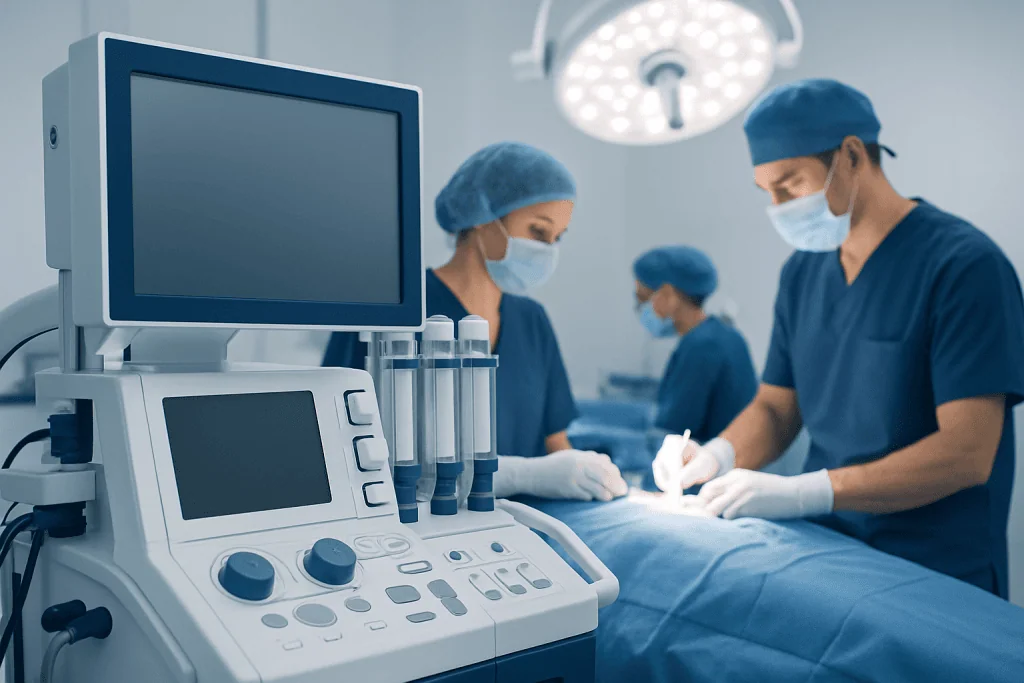
Cardiothoracic surgery is a broad specialty. Cardiac surgery treats conditions affecting the heart and its major vessels, such as blocked coronary arteries, valve disease, certain rhythm disorders and some congenital heart conditions. Thoracic surgery focuses on structures in the chest outside the heart, including the lungs, pleura, esophagus, trachea and chest wall.
A surgeon may recommend an operation when symptoms, test results or the likely future course of a condition suggest that surgery could improve quality of life, prevent complications or provide the best chance of control or cure. For example, surgery may be considered for severe coronary artery narrowing, significant valve dysfunction, a suspicious lung mass, recurrent collapsed lung, esophageal disease or selected chest injuries.
Not every person with a heart or chest condition needs surgery. The multidisciplinary assessment commonly includes a cardiologist, pulmonologist, anesthesiologist, radiologist, surgeon and, when appropriate, an oncologist or rehabilitation specialist. The team considers symptoms, imaging findings, lung and heart function, other medical conditions, medicines, previous surgery and the individual’s goals before recommending a treatment plan.
Some people may be candidates for minimally invasive approaches, while others need conventional open surgery for safety or completeness. Coronary artery bypass surgery may be recommended when bypass offers an appropriate way to restore blood flow around significantly narrowed coronary arteries.
Procedure Steps and Surgical Approaches

Before surgery, patients usually undergo blood tests, imaging and an anesthesia assessment. Depending on the operation, testing may include an electrocardiogram, echocardiogram, coronary angiography, chest CT, pulmonary function testing or other specialized studies. The care team also reviews medicines, allergies, smoking status and plans for blood-thinning medicines, diabetes treatments and other drugs that may need adjustment.
On the day of surgery, general anesthesia is used for most cardiothoracic procedures. Monitoring equipment is placed to track heart rhythm, blood pressure, oxygen levels, urine output and other vital functions. The patient is then placed in the planned surgical position with careful padding and secure supports. During lung surgery, anesthesia may use a specialized breathing tube that allows the surgeon to work on one lung while the other lung continues to provide oxygen.
For heart surgery, a median sternotomy divides the breastbone to provide access to the heart. Some operations can be performed through smaller incisions. In selected procedures, the heart-lung machine temporarily takes over circulation and oxygenation while the surgeon repairs or replaces a structure in the heart. For lung or esophageal operations, access may be through thoracotomy, video-assisted thoracoscopic surgery (VATS), or robotic-assisted surgery.
At the end of surgery, temporary drains may be placed to remove fluid or air from the chest. The incision is closed, and the patient is transferred to a recovery unit or intensive care unit for close observation. The specific steps vary substantially by procedure, so the surgeon is the best source for an individualized operative plan.
What Is the Recovery Process Like After Cardiothoracic Surgery?
Recovery begins immediately after surgery. After a major cardiac operation or an open thoracic procedure, a patient may spend time in an intensive care unit while the team monitors breathing, circulation, pain and bleeding. A breathing tube is usually removed when the person is awake enough and breathing safely. Chest drains, IV lines and monitoring equipment are removed gradually as recovery progresses.
Early movement is encouraged when medically safe. Nurses and physiotherapists help patients sit up, stand and walk, often beginning within the first day or two. Deep-breathing exercises, coughing techniques and an incentive spirometer may help the lungs expand and lower the risk of postoperative lung complications. For a sternotomy incision, patients are taught how to move, cough and get out of bed while protecting the healing breastbone.
Pain is expected but should be actively managed. The team may combine several approaches, including non-opioid medicines, short-term opioid medicine when needed, regional anesthesia techniques for certain thoracic procedures and non-medication measures such as supported positioning. Pain that prevents deep breathing, walking or sleeping should be discussed promptly with the care team rather than endured.
After discharge, follow-up visits monitor wound healing, symptoms, medicines and return to activity. Cardiac rehabilitation can support safe exercise, education and risk-factor management after many heart procedures. Pulmonary rehabilitation, breathing therapy or tailored physiotherapy may be useful after lung surgery. Heart valve surgery recovery plans similarly include close follow-up and gradual increases in activity.
How Long Does It Take to Fully Recover From Thoracic Surgery?
There is no single recovery time for thoracic surgery. Recovery after a minimally invasive biopsy or small VATS procedure may take several weeks, while recovery after a thoracotomy, lung resection or esophageal surgery may take many weeks to several months. The duration is influenced by the extent of surgery, whether lung tissue was removed, pain level, pre-existing lung disease, nutrition, complications and the person’s baseline fitness.
In the first few weeks, fatigue, reduced appetite, temporary shortness of breath with activity and discomfort around the incision are common. People generally increase walking and daily activity gradually, following the limits set by their surgical team. Returning to driving, work, lifting and more strenuous activity should be guided by the clinician because requirements differ after minimally invasive surgery, thoracotomy and sternotomy.
Many people feel substantially stronger by six to eight weeks after uncomplicated surgery, but this does not always mean recovery is complete. Numbness, tightness or sensitivity around an incision can persist longer, and endurance may take additional time to rebuild. A person recovering from cancer surgery may also need coordination with oncology treatments and supportive care.
Contact the surgical team if recovery seems to be moving backward, if breathing becomes more difficult, or if pain suddenly worsens. Regular follow-up helps the team recognize concerns early and adjust rehabilitation, medication or further testing when needed.
Benefits, Risks and Food After Heart Bypass
The potential benefit of cardiothoracic surgery depends on the condition being treated. Heart surgery may improve blood flow, relieve symptoms from valve disease or correct a structural problem. Thoracic surgery may diagnose a condition, remove diseased tissue, treat infection or air leakage, or manage cancer as part of a broader care plan. Benefits should be weighed against alternatives such as medicines, catheter-based treatment, monitoring or radiation and systemic therapies when relevant.
All major surgery has risks. These may include bleeding, infection, blood clots, irregular heart rhythm, pneumonia, air leak after lung surgery, kidney problems, stroke, reaction to anesthesia and wound-healing difficulties. Thoracic surgery can also cause persistent nerve-related pain in some patients. The likelihood of individual risks varies with the procedure and a person’s age, heart and lung function, smoking status and other health conditions.
What can you never eat again after a heart bypass? There is usually no single food that every person must permanently avoid after bypass surgery. However, clinicians generally recommend limiting foods high in saturated fat, trans fat, salt and added sugars because these can contribute to cardiovascular risk. A long-term eating pattern rich in vegetables, fruits, whole grains, beans, nuts, fish or other lean proteins, and unsaturated fats is often encouraged.
Dietary advice should be individualized, especially for people with diabetes, kidney disease, heart failure, swallowing difficulty or medicines such as blood thinners. A dietitian can help create a practical plan that respects cultural preferences and medical needs. Coronary artery disease management also includes taking prescribed medicines, remaining physically active within medical guidance and avoiding tobacco.
What Is the Most Painful Thoracic Surgery?
What is the most painful thoracic surgery? Pain is personal and cannot be ranked reliably for every patient. In general, open thoracotomy is often associated with more postoperative pain than minimally invasive approaches because it involves a larger incision and may require working between or around the ribs. Rib spreading and irritation of intercostal nerves can contribute to discomfort.
However, the experience varies widely. A smaller operation can still be painful for some people, while others recover comfortably after a larger operation with a well-designed pain-control plan. The location of the incision, presence of chest tubes, pre-existing pain, anxiety, complications and individual sensitivity all affect recovery.
Modern thoracic care aims to reduce pain while supporting safe breathing and mobility. Depending on the operation and patient factors, options may include local anesthetic blocks, epidural or other regional techniques, scheduled non-opioid medicines and limited opioid use when necessary. Patients should discuss pain-control preferences, prior medication reactions and any history of chronic pain before surgery.
When to Seek Medical Care
Anyone with new or worsening chest pain, severe shortness of breath, fainting, coughing up blood, a rapid or irregular heartbeat with symptoms, or sudden weakness should seek urgent medical assessment. These symptoms have many possible causes, but they should not be self-diagnosed or delayed. Emergency services should be used when symptoms are severe, sudden or accompanied by sweating, confusion or loss of consciousness.
After cardiothoracic surgery, patients should contact their surgical team promptly for fever, increasing redness or drainage from an incision, wound separation, swelling of one leg, persistent vomiting, new confusion, worsening breathlessness, chest pain or pain that is not controlled by the prescribed plan. The team can advise whether same-day assessment, emergency care or routine follow-up is needed.
Smoking cessation, gradual activity, vaccination when recommended, good nutrition and attendance at follow-up appointments can support recovery and long-term heart and lung health. Acibadem International’s multidisciplinary specialists and JCI-accredited hospitals diagnose and treat heart and chest conditions for international patients, with care plans tailored to the individual procedure and recovery needs.
Frequently asked questions
What are the common positions used in cardiothoracic surgery?
The most common positions are supine, meaning flat on the back, for many heart operations and lateral decubitus, meaning on the side, for many lung procedures. The exact position depends on the area being treated and the planned surgical approach. The anesthesia and surgical teams use padding and supports to reduce pressure-related injury.
What is the recovery process like after cardiothoracic surgery?
Recovery usually includes close monitoring, pain management, breathing exercises and early supported walking. Chest drains and other tubes are removed as the patient stabilizes. After discharge, follow-up care and rehabilitation help patients gradually return to normal activities.
How long does it take to fully recover from thoracic surgery?
Recovery can take a few weeks after some minimally invasive procedures and several months after larger operations such as thoracotomy or lung resection. Energy and exercise tolerance often improve gradually rather than all at once. The surgeon can provide the most accurate timeline based on the specific procedure and health history.
What can you never eat again after a heart bypass?
Most people do not have one food that must be permanently forbidden after heart bypass surgery. The goal is usually to limit foods high in saturated fat, trans fat, salt and added sugar while choosing a heart-healthy overall pattern. Individual dietary advice may differ for people with diabetes, kidney disease or other conditions.
What is the most painful thoracic surgery?
Open thoracotomy is often considered more painful than minimally invasive thoracic procedures because it uses a larger incision and may affect nerves between the ribs. However, pain varies greatly between individuals and procedures. Regional anesthesia and multimodal pain management can improve comfort and support safe recovery.
When can a person return to normal activity after heart or chest surgery?
The timing depends on the operation, the incision, healing progress and the person’s job or activity demands. Walking and light daily activities are usually increased gradually, while heavy lifting and strenuous exercise may require a longer restriction period. Patients should wait for clearance from their surgical team before driving, returning to work or resuming intense exercise.
References
- American Heart Association
- Society of Thoracic Surgeons
- American College of Surgeons
- National Heart, Lung, and Blood Institute
- National Health Service
This article is for general information only and is not a substitute for professional medical advice. Please consult a qualified doctor about your individual situation.
Cardiothoracic Surgery in Turkey — costs, top hospitals & a free quote
JCI-accredited · board-certified surgeons · reply within 24h
Add us as a Preferred Source to see more of our trusted health content across Google Search, AI Overviews and Discover.
Check your numbers in seconds
BMI, calories, due date, blood pressure and 30+ more clinical calculators — free, instant, doctor-reviewed ranges.

Cardiology Department
Diagnosis and treatment of heart and vascular conditions, from prevention to advanced interventional procedures.
91 specialists in this unitMore from the Health Library



Related Specialists

Dr. Nuray Atilla
Neurology
Prof. Dr. Tevfik Fikret Çermik
Nuclear Medicine
Prof. Dr. Gündüz Tezeren
Orthopedic Surgery & Traumatology
Dr. Güzi̇de Özdil
Radiology