Treatment of Choanal Atresia: How It Works, Results and What to Expect

Choanal atresia is a congenital blockage at the back of one or both nasal passages. Bilateral choanal atresia can cause breathing difficulty soon after birth and needs urgent medical care.
Key Takeaways
- Choanal atresia is a congenital blockage at the back of one or both nasal passages.
- Bilateral choanal atresia can cause breathing difficulty soon after birth and needs urgent medical care.
- The most common definitive treatment is endoscopic surgery through the nostrils to create an open airway.
- Follow-up is important because narrowing can recur as healing occurs.
- Many children breathe and feed more comfortably after successful repair, although outcomes depend on the anatomy and associated conditions.
Treatment of choanal atresia depends on whether one or both nasal passages are blocked and how breathing is affected. Bilateral blockage in a newborn requires urgent airway support and usually early surgery, while unilateral cases may be treated later after specialist assessment.
Overview: how treatment of choanal atresia works
Treatment of choanal atresia aims to create a clear connection between the nose and throat so air can pass normally. Choanal atresia is present from birth and occurs when tissue, bone, or a combination of both blocks the back opening of one or both nasal passages, called the choanae.
The immediate priority is safe breathing. A newborn with blockage on both sides may have significant breathing difficulty because young babies mainly breathe through their noses. Doctors first support the airway and feeding, then plan surgery once the baby is stable. A child with blockage on one side may have milder symptoms, such as persistent one-sided nasal discharge or congestion, and repair can often be scheduled rather than performed urgently.
In most cases, the definitive treatment is an endoscopic operation performed through the nostrils. The surgeon removes or reshapes the tissue causing the blockage and widens the passage under direct camera guidance. The approach is tailored to the child’s anatomy, age, symptoms, and any related medical conditions.
How serious is choanal atresia?
Choanal atresia can range from a manageable one-sided blockage to an urgent breathing problem. Bilateral choanal atresia, in which both nasal passages are blocked, may cause episodes of bluish color, noisy breathing, chest retractions, and distress shortly after birth. These symptoms often improve temporarily when the baby cries because the mouth opens, allowing air to enter.
Unilateral choanal atresia is usually less immediately dangerous. It may not be recognized until later in infancy or childhood, when a child has long-lasting blockage on one side, thick discharge from one nostril, recurrent nasal symptoms, or difficulty breathing through the nose during feeding or activity.
Some children have choanal atresia as an isolated finding. Others may have associated differences involving the eyes, ears, heart, growth, genital development, or development of the face. For this reason, a specialist team may recommend additional examinations and testing. Prompt assessment helps identify breathing needs and any associated health concerns early.
Why does crying help choanal atresia?

Crying can briefly improve breathing in a newborn with bilateral choanal atresia because crying opens the mouth and encourages mouth breathing. When the baby becomes quiet or tries to feed, the mouth closes and the blocked nasal passages again limit airflow. This alternating pattern can be an important clue for healthcare professionals.
Crying is not a treatment and should never be relied on to manage breathing difficulty. A newborn who has trouble breathing, turns blue or gray, has pauses in breathing, feeds poorly, or becomes unusually sleepy needs urgent medical evaluation. Clinicians can use safe airway measures while arranging specialist care.
Feeding can be particularly difficult because infants need to coordinate sucking, swallowing, and breathing. The care team may adjust feeding methods or provide temporary nutrition support until a safe airway is established and the child can feed effectively.
Is choanal atresia hereditary?
Most cases of choanal atresia do not have a clearly identified inherited cause. It can occur on its own during fetal development, and parents should not assume that anything they did caused the condition. However, choanal atresia can occur as part of genetic syndromes, most notably CHARGE syndrome.
When other congenital differences are present, doctors may recommend assessment by genetics specialists. This can include a detailed family history, physical examination, hearing and vision checks, heart evaluation, and genetic testing when appropriate. The purpose is to clarify whether there is an underlying syndrome and to guide the child’s wider care.
Genetic counseling can help families understand possible recurrence risks and discuss whether testing may be helpful for relatives or future pregnancies. The level of risk varies substantially depending on whether choanal atresia is isolated or part of a confirmed genetic condition.
How is choanal atresia treated?
How choanal atresia is treated depends mainly on whether the blockage is bilateral or unilateral and on the child’s breathing stability. In bilateral cases, the first treatment is emergency airway support in a hospital. This may involve positioning, a temporary oral airway, oxygen or breathing assistance, and feeding support while pediatric ear, nose, and throat specialists plan definitive repair.
Endoscopic transnasal repair is the most commonly used surgical technique. Under general anesthesia, the surgeon passes a small camera and fine instruments through the nostrils to identify the blockage. The obstructing bone or soft tissue is carefully opened, and the new passage is widened to improve airflow. In selected complex cases, another surgical route may be considered.
Some surgeons use temporary nasal stents after repair, while others do not. The decision is individualized because stents may help maintain the opening in some situations but can also cause irritation, crusting, or infection. The surgeon will explain the proposed method, expected follow-up, and home-care needs before the operation.
Children may also need care from neonatology, pediatric anesthesia, speech and feeding specialists, genetics, cardiology, audiology, or ophthalmology depending on their needs. Acibadem International’s multidisciplinary specialists and JCI-accredited hospitals can coordinate assessment and treatment for international patients with complex pediatric airway conditions.
Who is a candidate and what happens during surgery?
Children with symptomatic bilateral choanal atresia are generally candidates for repair once their airway has been safely stabilized. Children with unilateral blockage may be offered surgery when nasal obstruction, recurrent discharge, sleep-related breathing concerns, or quality-of-life effects are significant. Timing is individualized and balances symptoms, anatomy, growth, and overall health.
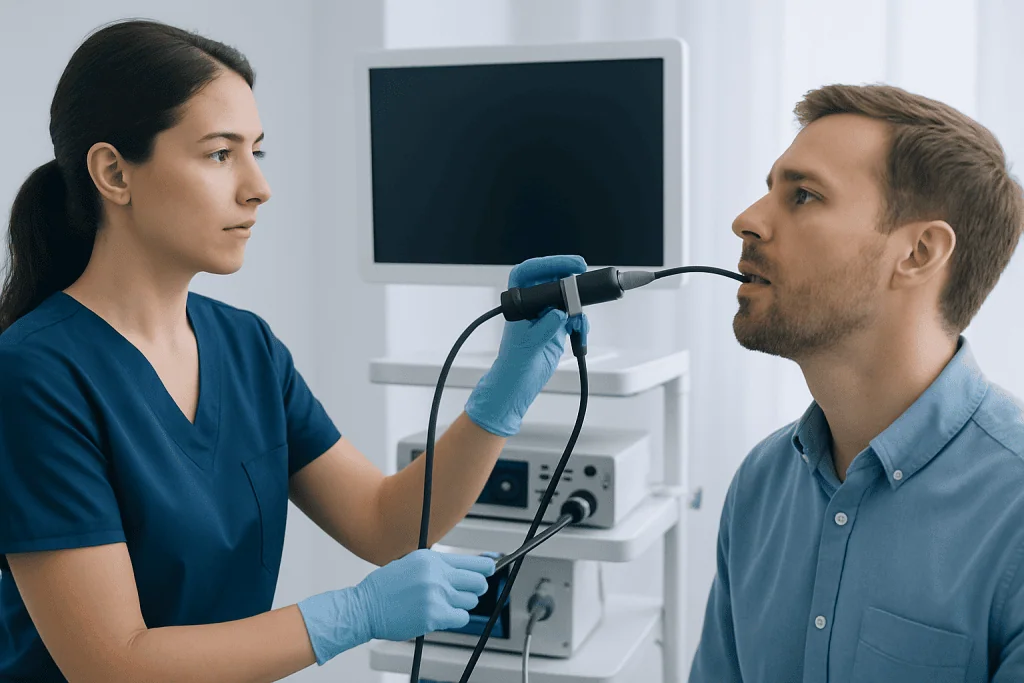
Before surgery, the team usually confirms the diagnosis with nasal endoscopy and computed tomography imaging. These tests show whether the blockage is bony, membranous, or mixed and help the surgeon plan the safest route. Doctors may also evaluate for associated conditions, especially when there are findings beyond the nose.
During the procedure, the child receives general anesthesia and does not feel pain. The surgeon uses endoscopic images to open the blocked area and may remove a small amount of bone or tissue. The operation is performed inside the nose, so external facial incisions are generally not needed for the standard endoscopic approach.
Afterward, the child is monitored closely for breathing, bleeding, comfort, and feeding. The length of hospital observation varies. Newborns and children with other health needs often require more intensive monitoring than an otherwise well older child having planned unilateral repair.
Recovery timeline, benefits and possible risks
In the first days after surgery, nasal swelling, mucus, crusting, and temporary congestion are common. Caregivers may be taught to use saline, gentle suction when advised, and prescribed medicines to keep the nasal passage clean during healing. If a stent is used, the care team provides specific instructions for care and removal.
Follow-up visits are a central part of treatment of choanal atresia. The surgeon may inspect the nasal passage with a small scope and remove crusting if needed. Follow-up is especially important during the first weeks and months, when scar tissue can narrow the repaired opening. Some children need a repeat procedure or dilation if restenosis develops.
The main benefit of successful repair is improved nasal airflow, which can support breathing, feeding, sleep, and everyday comfort. For children with bilateral obstruction, surgery can be essential to establishing a stable nasal airway. Results vary with the severity of blockage, whether it is one- or two-sided, the presence of associated conditions, and healing response.
Possible risks include bleeding, infection, injury to nearby nasal structures, scarring, persistent obstruction, and restenosis. General anesthesia also has risks, which pediatric anesthesia teams assess carefully. Families should discuss the individual risk profile, likely benefits, alternatives, and follow-up plan with the surgeon.
When to seek medical care
Urgent medical care is needed for any newborn with difficulty breathing, blue or gray lips or skin, repeated pauses in breathing, marked chest pulling during breaths, inability to feed, or unusual sleepiness. These symptoms can have several causes, but they always need immediate evaluation. Emergency services or the nearest emergency department should be used if a baby appears in respiratory distress.
A pediatrician or pediatric ear, nose, and throat specialist should assess a child with persistent blockage from one nostril, foul-smelling or thick discharge on one side, noisy nasal breathing, feeding difficulty, or suspected nasal obstruction. Evaluation is also appropriate when a child has been diagnosed with choanal atresia but develops worsening breathing or feeding symptoms after surgery.
Parents and caregivers should not insert objects into a child’s nose or attempt to open a suspected blockage at home. Professional assessment is the safest way to establish the cause and determine whether observation, supportive care, or surgery is appropriate.
Frequently asked questions
Can choanal atresia be treated without surgery?
Supportive measures can temporarily protect breathing and feeding, especially while a newborn is being stabilized for treatment. However, a complete or symptomatic blockage usually requires surgery to create a durable nasal airway. The care plan depends on whether one or both sides are affected and on the child’s symptoms.
At what age is choanal atresia surgery performed?
Bilateral choanal atresia often requires repair in the newborn period after the airway is stabilized because it can seriously limit nasal breathing. Unilateral choanal atresia may be repaired later, depending on the severity of symptoms and the child’s overall health. A pediatric ENT surgeon determines the most suitable timing.
Is choanal atresia surgery successful?
Surgery often improves nasal airflow and related breathing or feeding problems. However, the repaired passage can narrow again during healing, particularly in complex or bilateral cases. Regular follow-up allows the surgical team to identify and manage narrowing early.
How long does recovery from choanal atresia surgery take?
Initial hospital recovery may take days, while nasal healing and follow-up continue over weeks to months. The exact timeline varies with the child’s age, surgical technique, use of stents, and associated medical needs. Families receive individualized instructions for nasal care, feeding, medicines, and follow-up visits.
Can choanal atresia return after surgery?
The original congenital blockage does not return, but scar tissue can cause restenosis, meaning the repaired opening becomes narrow again. This is why postoperative nasal care and scheduled specialist examinations are important. Some children need an additional dilation or revision procedure.
Can a child live normally with unilateral choanal atresia?
Many children with unilateral choanal atresia have relatively mild symptoms and otherwise develop normally. Persistent one-sided obstruction, discharge, sleep symptoms, or recurrent infections may still affect comfort and quality of life. A pediatric ENT evaluation can help determine whether surgery would be beneficial.
References
- American Academy of Pediatrics
- Children's Hospital of Philadelphia
- National Organization for Rare Disorders
- Merck Manual Consumer Version
- MedlinePlus Genetics
This article is for general information only and is not a substitute for professional medical advice. Please consult a qualified doctor about your individual situation.
Explore treatments in Turkey — costs, top hospitals & a free quote
JCI-accredited · board-certified surgeons · reply within 24h
Add us as a Preferred Source to see more of our trusted health content across Google Search, AI Overviews and Discover.