What Is the Latest Treatment for Erectile Dysfunction in Hindi: How It Works, Results and What to Expect

Erectile dysfunction (ED) is common and can be related to blood flow, nerves, hormones, medicines, stress or relationship concerns. PDE5 inhibitor tablets are often the first medical treatment, but they are not safe for everyone, especially people using nitrate medicines.
Key Takeaways
- Erectile dysfunction (ED) is common and can be related to blood flow, nerves, hormones, medicines, stress or relationship concerns.
- PDE5 inhibitor tablets are often the first medical treatment, but they are not safe for everyone, especially people using nitrate medicines.
- Penile implant surgery is an established, effective option when other treatments do not work or are not suitable.
- Shockwave therapy and regenerative approaches are still being studied; their role is more limited than established ED treatments.
- Managing diabetes, blood pressure, smoking, sleep, mental health and physical activity can improve erectile function and overall vascular health.
- New or persistent ED deserves medical assessment because it can sometimes be an early sign of cardiovascular or metabolic disease.
What is the latest treatment for erectile dysfunction in Hindi? आधुनिक उपचारों में oral medicines, vacuum devices, penile injections, psychological support and penile implant surgery शामिल हैं; the best option depends on the cause of ED, general health and personal preferences. There is no single newest treatment that is right for everyone, so assessment by a qualified urologist is important.
Overview: What Is the Latest Treatment for Erectile Dysfunction in Hindi?
What is the latest treatment for erectile dysfunction in Hindi? Erectile dysfunction (ED), or ling ka theek se khada na hona ya erection banaye rakhne mein dikkat, can be treated with several modern, evidence-based options. These include prescription tablets, vacuum erection devices, penile self-injections, counseling for emotional contributors, and penile implant surgery for selected people whose ED does not improve with less invasive treatment.
There is not one “latest” treatment that suits every person. The most appropriate approach depends on whether ED is linked to reduced penile blood flow, diabetes, nerve injury, low testosterone, medication effects, pelvic surgery, anxiety, depression, relationship concerns, or a combination of factors. A urology assessment can identify treatable causes and help a person choose a safe option.
Some clinics promote low-intensity shockwave therapy, platelet-rich plasma (PRP), or stem-cell-based treatments as newer approaches. Research is ongoing, but these are not considered standard first-line treatments in many clinical guidelines. Established treatments have clearer safety information and more reliable evidence of benefit.
How an Erection Works and Why ED Can Happen
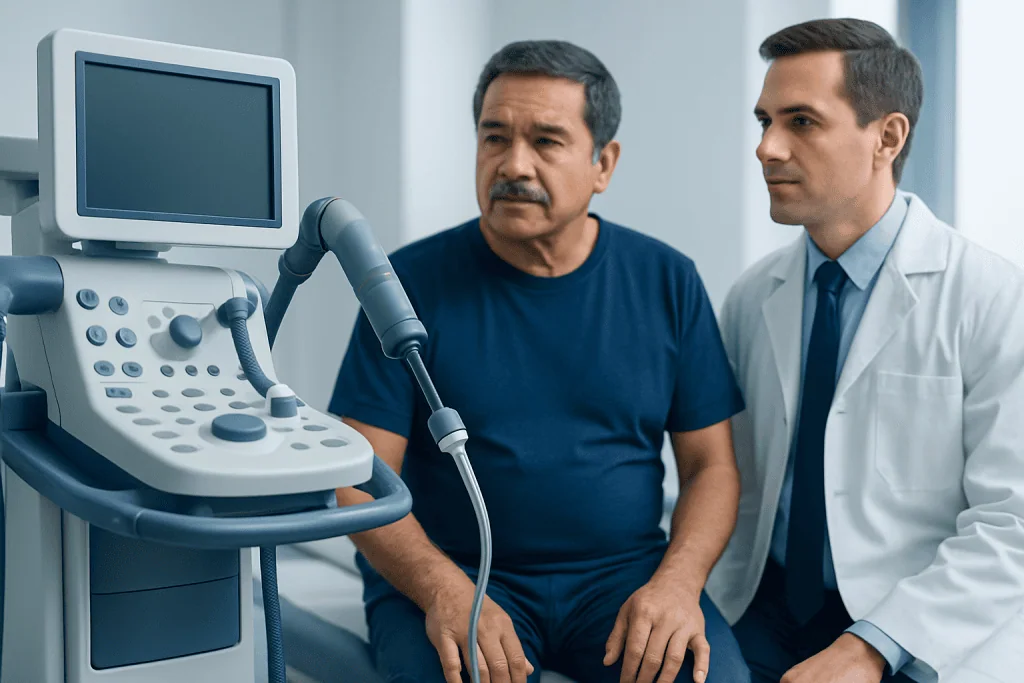
An erection develops when sexual stimulation triggers nerves and chemical signals that relax smooth muscle in the penis. Blood then flows into erectile tissue and is held there long enough for firmness. Healthy blood vessels, nerves, hormones, emotional wellbeing and adequate stimulation all play a role.
ED may arise from vascular conditions such as high blood pressure, high cholesterol or atherosclerosis; metabolic conditions such as diabetes; neurological disorders; hormonal problems; or side effects of some medicines. Smoking, excess alcohol, poor sleep, obesity and low physical activity can also contribute. Erectile dysfunction can also be associated with stress, performance anxiety, low mood, trauma or relationship difficulties.
Because the penile arteries are relatively small, persistent ED can occasionally appear before other signs of vascular disease. This does not mean ED always signals a heart problem, but it is a useful reason to review blood pressure, blood sugar, cholesterol, lifestyle and cardiovascular risk with a clinician.
How the Main Treatments Work

Prescription oral medicines called phosphodiesterase type 5 (PDE5) inhibitors are commonly the first treatment offered. They improve the natural blood-flow response to sexual stimulation; they do not automatically cause an erection and still require arousal. A clinician should confirm that these medicines are appropriate, particularly for people with heart disease or those taking nitrates for chest pain, as combining them can dangerously lower blood pressure.
A vacuum erection device is a non-drug option. A clear cylinder is placed over the penis, and a pump creates gentle vacuum pressure that draws blood into it. A soft constriction ring at the base may help maintain the erection for intercourse. It can be useful when tablets are ineffective or cannot be used, although some people find it less spontaneous.
For stronger local treatment, a clinician may prescribe medication injected into the side of the penis using a very fine needle, or in certain settings medication inserted into the urethra. These options act directly on penile blood vessels and can work even when nerve signals are reduced. Training is essential to avoid incorrect use, pain, bruising or a prolonged erection.
When non-surgical treatments are unsuccessful, unsuitable or unwanted, penile implant surgery is an established definitive treatment. It places devices inside the penis that create firmness on demand. It does not increase sexual desire or treat the underlying cause of ED, but it can enable penetrative intercourse for appropriately selected patients.
Penile Implant Procedure: Candidacy and Step by Step
Penile implants may be considered for people with persistent ED who have not achieved satisfactory results with tablets, devices or injections, or who cannot safely use them. They may also be considered after certain pelvic surgeries, in severe penile scarring conditions, or when an individual prefers a permanent internal solution after informed discussion. A urologist reviews medical history, expectations, urinary symptoms, infection risks and sexual goals before surgery.
Most implants are inflatable. They include cylinders placed in the erectile tissue, a small fluid reservoir usually placed in the lower abdomen, and a pump positioned in the scrotum. Squeezing the pump moves fluid into the cylinders to produce an erection; using a release mechanism returns fluid to the reservoir. Semi-rigid implants are another option and remain firm but can be positioned closer to the body when not in use.
The procedure is performed under anesthesia. The surgeon makes a small incision, places the implant components through the incision, checks their function and closes the wound. Antibiotics and sterile surgical techniques are used to reduce infection risk. The exact approach, hospital stay and preparation can vary with the implant type, health needs and surgical plan.
Benefits include a reliable, on-demand erection and high satisfaction among carefully counseled patients and partners. However, the surgery is irreversible in the sense that natural erectile tissue function may not return after implant placement. It is therefore usually reserved for people who understand the alternatives and accept the operative risks.
Recovery Timeline, Benefits and Risks
After penile implant surgery, swelling, bruising and discomfort are expected for a short period and are managed with the surgeon’s aftercare plan. Most people need time away from strenuous activity while tissues heal. Follow-up visits allow the surgical team to check wound healing and, for inflatable devices, teach the person how to operate the pump.
Sexual activity is generally delayed until healing is adequate and the surgeon confirms it is safe, often after several weeks. Recovery varies, so individual medical advice should take priority over a general timeline. It is important not to inflate or use the device before receiving clear instructions.
Possible complications include infection, bleeding, pain, altered sensation, device malfunction, erosion of the device through tissue, or a need for revision surgery in the future. Infection can sometimes require removal of the implant. People should contact their surgical team promptly for fever, increasing redness, worsening swelling, drainage, severe pain or difficulty passing urine.
Acibadem International’s multidisciplinary urology, cardiology, endocrinology and mental health teams can assess ED causes and discuss established treatment options for international patients in its JCI-accredited hospitals. Treatment decisions should be individualized after a full clinical evaluation.
What Is the Most Successful Treatment for Erectile Dysfunction?
The most successful treatment is the one that safely addresses the person’s underlying cause and fits their needs. For many people, PDE5 inhibitor tablets are effective and convenient first-line treatment. For others, particularly those who do not respond to tablets or cannot use them, vacuum devices, injections or penile implants may provide better results.
Penile implants are often regarded as the most reliable option for producing an erection when other treatments have failed, because the device directly provides rigidity. However, reliability alone does not make it the first choice: it involves surgery and permanent placement of a device. A urologist can help compare expected benefits, risks, recovery and personal preferences.
If stress, anxiety, low mood or relationship strain is contributing, psychosexual counseling or mental health support may substantially improve outcomes alongside medical care. Addressing diabetes, cardiovascular health and hormonal concerns can also make ED treatments more effective.
Is Erectile Dysfunction 100% Curable? How Much Time Will It Take?
Is erectile dysfunction 100% curable? Not always. Some reversible contributors, such as medication side effects, smoking, uncontrolled diabetes, stress or sleep problems, may improve when they are treated. ED related to long-standing vascular disease, nerve damage or certain surgeries may not be fully reversible, but it can often be managed successfully with appropriate treatment.
How much time will it take to cure erectile dysfunction? The timeline depends on the cause and treatment. Some people respond to a prescribed tablet from the first properly timed use, while lifestyle changes, diabetes management, counseling or medication adjustments may take weeks to months. Treatment may also involve trying more than one approach with clinical guidance.
Blood tests may be advised when symptoms suggest hormonal or metabolic concerns, such as low sexual desire, fatigue, diabetes or thyroid disease. Testosterone treatment is only appropriate for people with confirmed testosterone deficiency and should not be used simply as a general ED remedy without evaluation.
How to Fix Erectile Dysfunction Forever and When to Seek Medical Care
How to fix erectile dysfunction forever? A permanent solution is possible only when a reversible cause can be identified and corrected. Helpful long-term steps include stopping smoking, limiting alcohol, exercising regularly, aiming for a healthy weight, improving sleep, managing stress, and keeping diabetes, blood pressure and cholesterol well controlled. These changes support both sexual and cardiovascular health, although they may not completely restore erections in every case.
People should avoid buying ED medicines, hormones, injections or “natural” supplements online without medical advice. Products may contain undisclosed ingredients, interact with prescribed medicines or delay diagnosis of an important health condition. A doctor can also review whether current medicines could be affecting sexual function.
When to seek medical care: A person should arrange a medical appointment if erection difficulties persist for several weeks, cause distress, occur with low sexual desire, or begin after a new medicine or health event. Urgent care is needed for an erection lasting more than four hours, significant penile injury, severe pain, or chest symptoms during sexual activity. ED with diabetes, cardiovascular disease or prior pelvic surgery should also be discussed with a clinician rather than self-treated.
Frequently asked questions
What is the latest treatment for erectile dysfunction in Hindi?
ED ke liye modern treatments include prescription tablets, vacuum devices, penile injections, counseling and penile implant surgery. Shockwave and regenerative treatments are being researched, but they are not a replacement for established care for most people. A urologist can recommend the safest option after identifying the likely cause.
Can erectile dysfunction be a sign of diabetes or heart disease?
It can be associated with diabetes, high blood pressure, high cholesterol and narrowing of blood vessels. ED does not automatically mean a person has heart disease, but persistent symptoms are a good reason to request a general health and cardiovascular risk review. Early assessment can help identify conditions that may otherwise go unnoticed.
Are ED tablets safe for everyone?
No. ED tablets can be unsafe for people taking nitrate medicines for chest pain and may need careful consideration in some heart conditions or with certain other medicines. A doctor or pharmacist should review a person’s medical history and current prescriptions before treatment begins.
Does penile implant surgery affect orgasm or sensation?
A penile implant is designed to provide rigidity, not to change sexual desire, orgasm or penile sensation. If a person could experience orgasm before surgery, they may often still be able to do so afterward, unless another health condition or treatment affects this. Individual outcomes depend on nerve function, overall health and the underlying cause of ED.
Can lifestyle changes improve erectile dysfunction?
Yes, especially when ED is linked to vascular or metabolic health. Regular physical activity, smoking cessation, balanced nutrition, sleep improvement and management of blood pressure, cholesterol and diabetes may improve erectile function. Lifestyle measures also support the effectiveness of medical treatments.
When is ED considered an emergency?
An erection lasting more than four hours requires urgent medical care because prolonged priapism can damage penile tissue. Urgent assessment is also needed after a penile injury, with severe genital pain or swelling, or if chest pain or severe breathlessness occurs during sexual activity. For ongoing but non-urgent ED, booking a routine doctor’s appointment is appropriate.
References
- American Urological Association
- European Association of Urology
- National Institute of Diabetes and Digestive and Kidney Diseases
- Mayo Clinic
- World Health Organization
This article is for general information only and is not a substitute for professional medical advice. Please consult a qualified doctor about your individual situation.
Erectile Dysfunction in Turkey — costs, top hospitals & a free quote
JCI-accredited · board-certified surgeons · reply within 24h
Add us as a Preferred Source to see more of our trusted health content across Google Search, AI Overviews and Discover.
Check your numbers in seconds
BMI, calories, due date, blood pressure and 30+ more clinical calculators — free, instant, doctor-reviewed ranges.

Urology
Treatment of the urinary system and male reproductive health, including robotic and laser procedures.
63 specialists in this unit