Constipation Treatment Guidelines: How It Works, Results and What to Expect

Constipation is usually treated step by step, beginning with review of diet, fluids, activity, medicines, and toileting habits. Fiber and osmotic laxatives are commonly used first, but the best option depends on the person’s symptoms, health conditions, and cause of constipation.
Key Takeaways
- Constipation is usually treated step by step, beginning with review of diet, fluids, activity, medicines, and toileting habits.
- Fiber and osmotic laxatives are commonly used first, but the best option depends on the person’s symptoms, health conditions, and cause of constipation.
- Persistent constipation may need testing for pelvic floor dysfunction, slow bowel transit, medication effects, or an underlying medical condition.
- New constipation with bleeding, unexplained weight loss, anemia, vomiting, severe pain, or inability to pass gas requires timely medical assessment.
- Procedures and surgery are reserved for selected people after a thorough specialist evaluation.
Constipation treatment guidelines focus on identifying the cause, improving bowel habits, and using medication or specialist therapies when needed. Most people improve with a stepwise, individualized plan rather than one single procedure or treatment.
Overview: How Constipation Treatment Guidelines Work
Constipation treatment guidelines recommend a stepwise approach: confirm the symptom pattern, look for contributing factors or warning signs, begin practical lifestyle measures, and add medication or specialist testing when needed. The goal is not simply to produce a bowel movement, but to achieve stools that are comfortable to pass, regular enough for the individual, and not dependent on unsafe or ineffective remedies.
Constipation may involve fewer bowel movements than usual, hard or lumpy stools, straining, a feeling of incomplete emptying, or a need to use manual maneuvers to pass stool. Normal bowel frequency varies widely. A person can have bowel movements less often than daily without having constipation if stools are soft and easy to pass.
Guideline-based care is individualized. A clinician considers how long symptoms have been present, the person’s age, medical history, medicines, diet, level of activity, and whether symptoms began suddenly. This helps distinguish common functional constipation from constipation related to medication, metabolic conditions, bowel disorders, or difficulties coordinating the muscles used for defecation.
Who May Benefit From Evaluation and Treatment
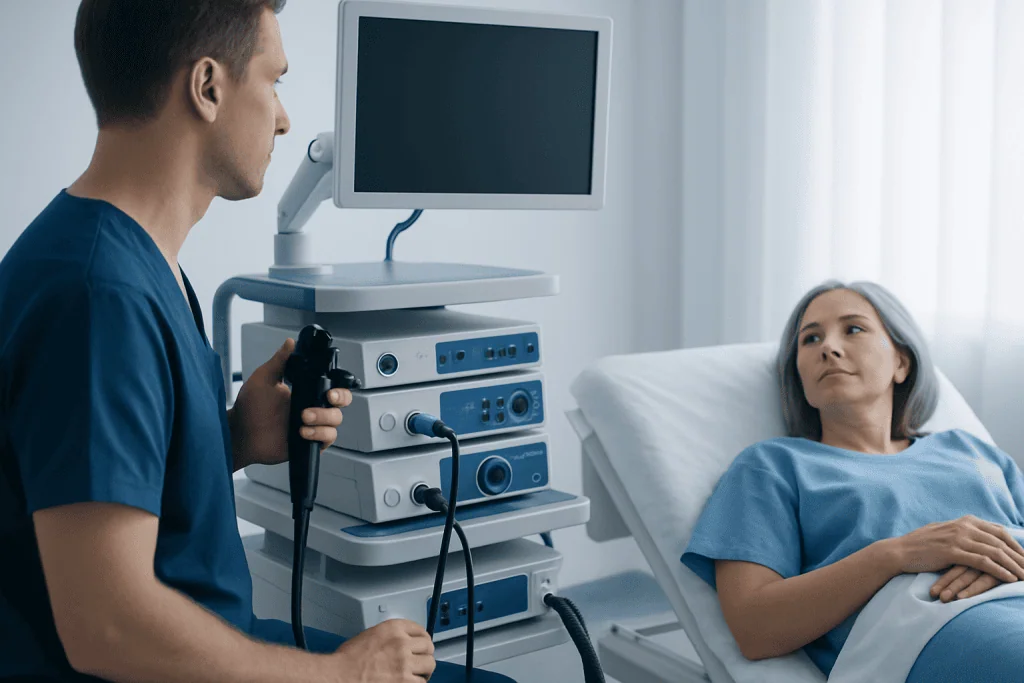
Anyone with troublesome, recurring, or newly changed bowel habits may benefit from discussing constipation with a qualified clinician. Treatment is especially helpful when constipation affects daily activities, causes discomfort, leads to repeated use of enemas or stimulant products, or does not improve with sensible self-care.
Chronic constipation is often described as symptoms lasting for several months. Some people have chronic idiopathic constipation, meaning no clear structural or medical cause is identified. Others have constipation-predominant irritable bowel syndrome, in which abdominal pain is a prominent feature associated with bowel movements. These conditions may overlap, but their treatment plans can differ.
Certain medicines can contribute, including some pain medicines, iron supplements, calcium-containing antacids, anticholinergic medicines, and selected treatments for depression, blood pressure, or neurological conditions. A clinician should review these carefully; people should not stop prescribed medicines without professional advice. Conditions such as hypothyroidism, diabetes, neurological disorders, and pelvic floor problems can also affect bowel function.
Step-by-Step Treatment: From Habits to Medicines

The first step is usually to establish a predictable bowel routine. This may include allowing unhurried time for toileting, often after a meal when the natural gastrocolic reflex is active, responding to the urge to pass stool, and using a footstool if it makes positioning more comfortable. Regular physical activity can support bowel motility, particularly for people whose routine is otherwise sedentary.
Dietary changes are introduced gradually. Many people benefit from increasing fiber through foods such as vegetables, fruit, pulses, and whole grains, or through a fiber supplement when appropriate. Fiber works best when fluid intake is adequate, but suddenly increasing fiber may worsen bloating or gas in some people. Individuals with significant abdominal distension, severe symptoms, or possible obstruction should seek medical advice before adding bulk-forming products.
If lifestyle measures are insufficient, clinicians often recommend an osmotic laxative, which draws water into the bowel to soften stool and improve passage. Other options may include stool softeners, stimulant laxatives for selected short-term or intermittent use, rectal suppositories, or enemas in specific situations. The choice depends on symptom severity, other illnesses, kidney function, pregnancy status, medication interactions, and the suspected cause.
For persistent chronic constipation, prescription medicines that increase intestinal fluid secretion or alter bowel motility may be considered. These are typically used after a clinician has reviewed symptoms and prior treatments. A specialist can help develop a personalized gastroenterology assessment and treatment plan when standard measures have not provided adequate relief.
Testing and Specialist Treatments for Ongoing Symptoms
Most people do not need extensive testing at the first visit. A clinician may diagnose constipation from the history and a physical examination, including a rectal examination when appropriate. Blood tests may be considered if there are signs of conditions such as thyroid disease, anemia, diabetes, or electrolyte imbalance.
Colonoscopy or other bowel imaging is not routinely required for constipation alone. It may be recommended based on age-appropriate colorectal cancer screening, a family history of bowel cancer, or warning signs such as rectal bleeding, iron-deficiency anemia, unexplained weight loss, or a sudden persistent change in bowel habit.
When constipation continues despite appropriate medication, specialists may assess how quickly stool moves through the colon or how the rectum and pelvic floor muscles function. Tests can include anorectal manometry, balloon expulsion testing, defecography, or colonic transit studies. These tests help identify pelvic floor dyssynergia, where muscles do not relax and coordinate effectively during a bowel movement.
Pelvic floor biofeedback therapy is often the preferred treatment for confirmed pelvic floor dyssynergia. It is a structured training program that helps a person learn to coordinate abdominal, rectal, and pelvic floor muscles more effectively. Surgery is uncommon and is considered only for carefully selected people with severe, proven slow-transit constipation or structural problems after comprehensive evaluation.
What to Expect: Results, Recovery, Benefits and Risks
Results depend on the underlying cause and the treatment used. Changes in toileting routine, activity, and dietary fiber may take several days to a few weeks to show a consistent effect. Osmotic laxatives often work within a short period, while prescription therapies may require an adjustment period and follow-up to determine whether the balance of benefit and side effects is acceptable.
There is generally no recovery period after conservative constipation treatment. People can usually continue normal activities while they monitor stool frequency, stool consistency, straining, abdominal symptoms, and response to treatment. Keeping a short bowel diary can help a clinician identify patterns and make practical adjustments.
The benefits of effective treatment can include easier stool passage, less straining, reduced abdominal discomfort, and greater confidence in daily routines. However, no single therapy works for everyone. Fiber can cause gas or bloating, osmotic medicines can cause loose stools or cramping, and stimulant laxatives may cause urgency or cramps. Rectal treatments may be uncomfortable and should not be used repeatedly without medical guidance.
Medication safety matters. Excessive or prolonged unsupervised use of laxatives may lead to dehydration, electrolyte disturbances, or dependence on a particular routine in some individuals. People with kidney disease, heart failure, swallowing difficulties, inflammatory bowel disease, pregnancy, or complex medication regimens should ask a clinician or pharmacist which options are suitable.
Prevention and Self-Care Between Appointments
Healthy bowel habits are usually more sustainable than trying to force a bowel movement on a fixed schedule. Eating regular meals, gradually increasing fiber if tolerated, remaining physically active, and drinking fluids according to individual health needs can all support regularity. People who have been advised to limit fluids because of heart, kidney, or liver disease should follow their clinician’s specific guidance.
It can be helpful to avoid delaying the urge to use the toilet. A calm, private routine and enough time after breakfast or another meal may make bowel movements easier. A small footstool can place the knees above the hips and may reduce straining for some people.
Over-the-counter products should be used thoughtfully. It is important to read labels, avoid combining several laxatives without advice, and discuss recurring use with a healthcare professional. Supplements marketed as “cleanses” or detox products may contain stimulant ingredients and are not a substitute for evaluation of ongoing constipation.
For international patients, Acibadem International’s multidisciplinary specialists and JCI-accredited hospitals can assess persistent constipation and coordinate gastroenterology, nutrition, pelvic floor, and surgical care when clinically appropriate.
When to Seek Medical Care
Medical care should be sought promptly for constipation accompanied by severe or worsening abdominal pain, marked bloating, repeated vomiting, fever, inability to pass gas, or a swollen abdomen. These symptoms can suggest a blockage or another condition that requires urgent assessment. People should not take additional laxatives to manage these symptoms without medical advice.
A doctor should also assess rectal bleeding, black stools, unexplained weight loss, fatigue that may indicate anemia, a new bowel habit change later in adulthood, or a family history of colorectal cancer or inflammatory bowel disease. These features do not always indicate a serious problem, but they should be evaluated rather than attributed to constipation alone.
Arrange a routine appointment if constipation lasts more than a few weeks, repeatedly returns, requires frequent laxatives, or interferes with quality of life. Evaluation is also appropriate when symptoms begin after starting a medicine, following surgery, or alongside changes in urinary, neurological, or pelvic symptoms.
Frequently asked questions
What are the first-line constipation treatment guidelines?
First-line care usually includes reviewing possible causes, improving toileting habits, gradually adjusting dietary fiber when suitable, maintaining appropriate fluid intake, and staying physically active. If these measures are not enough, an osmotic laxative is commonly considered under the guidance of a clinician or pharmacist.
How long does constipation treatment take to work?
The timeline varies by treatment and cause. Lifestyle changes may take days to several weeks to have a reliable effect, while some laxatives act sooner. Persistent symptoms should be reviewed rather than managed by repeatedly changing products without advice.
Is it safe to use laxatives every day?
Some laxatives can be used regularly under medical supervision, particularly for chronic constipation. The safest type and schedule depend on a person’s health conditions, other medicines, and the reason for constipation. Frequent self-treatment should be discussed with a doctor.
When is constipation a sign of something more serious?
Constipation needs prompt assessment when it occurs with bleeding, black stools, severe pain, vomiting, fever, inability to pass gas, unexplained weight loss, or anemia. A new persistent change in bowel habit should also be checked, especially in later adulthood.
What is pelvic floor biofeedback for constipation?
Biofeedback is a non-surgical therapy for people whose pelvic floor muscles do not coordinate properly during bowel movements. With guided training, the person learns to relax and use the relevant muscles more effectively. It is usually offered after specialized testing confirms this problem.
Can diet alone cure chronic constipation?
Dietary changes can improve constipation for many people, especially when fiber is increased gradually and combined with a suitable fluid intake and activity level. However, chronic constipation can have several causes, and some people need medication, pelvic floor therapy, or further assessment in addition to diet changes.
References
- American Gastroenterological Association
- American College of Gastroenterology
- National Institute of Diabetes and Digestive and Kidney Diseases
- National Health Service
- Mayo Clinic
This article is for general information only and is not a substitute for professional medical advice. Please consult a qualified doctor about your individual situation.
Persistent digestive symptoms? Get evaluated in Turkey
JCI-accredited · board-certified surgeons · reply within 24h
Add us as a Preferred Source to see more of our trusted health content across Google Search, AI Overviews and Discover.
Check your numbers in seconds
BMI, calories, due date, blood pressure and 30+ more clinical calculators — free, instant, doctor-reviewed ranges.