Laparoscopic Surgery for Weight Loss: Procedure, Recovery and Results

Most modern bariatric operations are performed laparoscopically through several small abdominal incisions. Common procedures include sleeve gastrectomy and gastric bypass, which work in different ways and suit different clinical needs.
Key Takeaways
- Most modern bariatric operations are performed laparoscopically through several small abdominal incisions.
- Common procedures include sleeve gastrectomy and gastric bypass, which work in different ways and suit different clinical needs.
- Weight loss begins after surgery but occurs progressively over months, alongside dietary and lifestyle changes.
- Careful screening, lifelong nutritional follow-up and regular medical appointments are essential for safety and lasting results.
- Pain is usually manageable with prescribed treatment, while serious complications are uncommon but require prompt medical attention.
Laparoscopic surgery for weight loss is a minimally invasive form of bariatric surgery that helps people with obesity lose weight by changing how much they can eat and, for some procedures, how nutrients are absorbed. It is not an immediate solution, but a structured treatment that combines surgery with long-term nutrition, activity, medical and emotional support.
How laparoscopic surgery for weight loss works
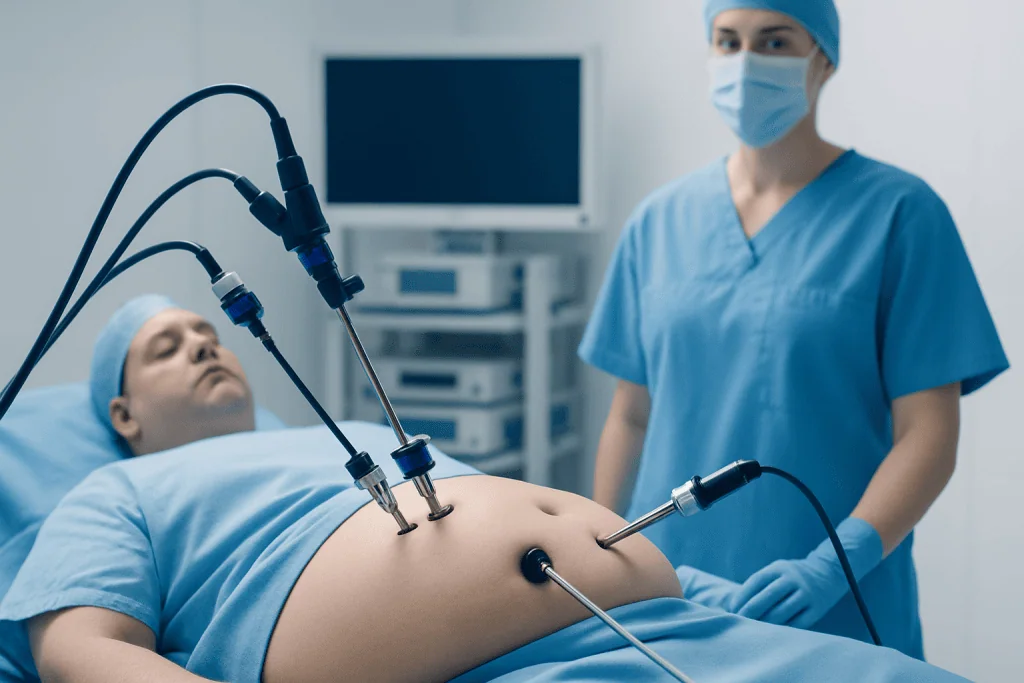
Laparoscopic surgery for weight loss, also called laparoscopic bariatric surgery, is performed through a few small incisions in the abdomen rather than one large incision. A surgeon inserts a camera and slim instruments, allowing the operation to be viewed on a monitor. This approach is widely used because it generally involves smaller wounds and may support earlier mobility and recovery than traditional open surgery.
The operation changes the digestive system to help a person eat less, feel full sooner, and, with some procedures, absorb fewer calories. The two most commonly performed operations are sleeve gastrectomy, which removes a large portion of the stomach, and Roux-en-Y gastric bypass, which creates a small stomach pouch and reroutes part of the small intestine. The most appropriate option depends on health conditions, eating patterns, reflux symptoms, previous operations and individual treatment goals.
Bariatric surgery is intended to be one part of comprehensive obesity care. It can improve weight-related health problems for many people, including type 2 diabetes, obstructive sleep apnea, high blood pressure and fatty liver disease. However, outcomes vary, and long-term success depends on follow-up, food choices, physical activity, vitamins and minerals, and psychological wellbeing.
Who may be a candidate for laparoscopic bariatric surgery?
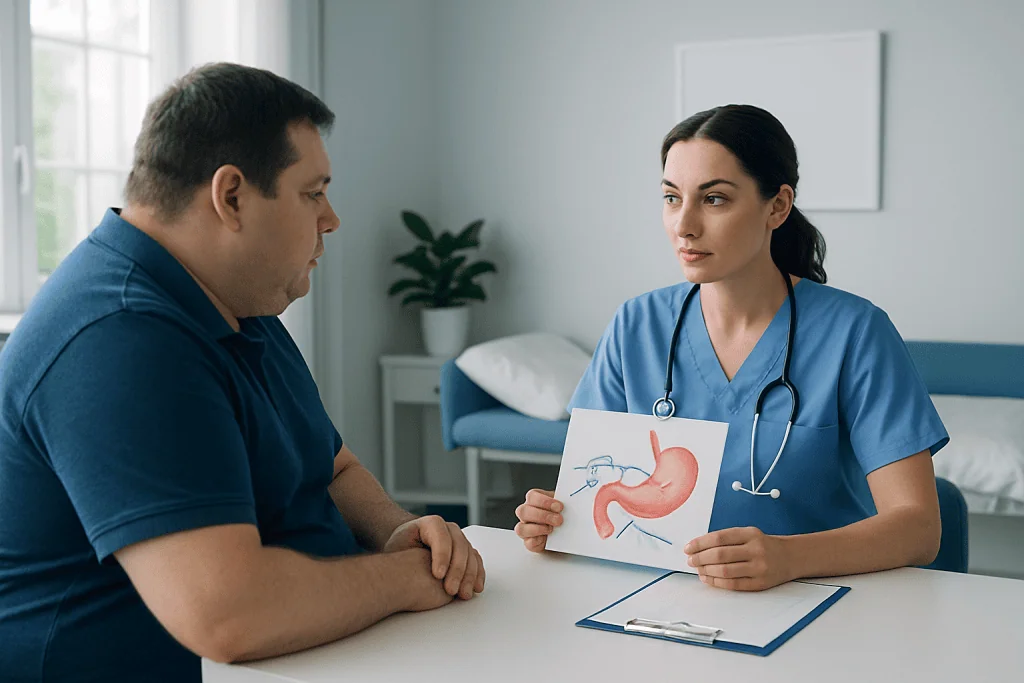
Eligibility is assessed individually by a multidisciplinary team. Bariatric surgery may be considered for adults with obesity when non-surgical approaches have not provided sufficient, durable benefit, especially when weight-related medical conditions are present. Body mass index, overall health, previous weight-management efforts, medications, medical history and ability to engage in lifelong follow-up are all considered.
Before surgery, patients usually meet with a bariatric surgeon, physician, dietitian and mental health professional. The assessment may include blood tests, nutritional screening, review of sleep apnea or heart risks, and investigations of the stomach when indicated. The purpose is not simply to approve surgery, but to choose a safe procedure and identify issues that need treatment first.
Active untreated substance use, uncontrolled mental health symptoms, untreated eating disorders, or inability to follow post-operative nutrition guidance may mean surgery should be delayed while appropriate support is arranged. Pregnancy is also normally postponed until weight and nutrition have stabilized after surgery. A thorough evaluation helps ensure that expectations and care plans are realistic.
What happens during the procedure?
On the day of surgery, the patient receives general anesthesia and is asleep throughout the operation. The surgical team makes several small incisions, introduces laparoscopic instruments and performs the planned procedure. The duration differs according to the operation, anatomy and whether there has been previous abdominal surgery.
In sleeve gastrectomy, the surgeon removes part of the stomach and leaves a narrow, tube-shaped stomach. In gastric bypass, a small upper stomach pouch is created and connected to a lower section of small intestine. This reduces the amount eaten at one time and changes the route food takes through the digestive tract. People considering gastric bypass surgery should discuss the expected benefits, nutritional demands and possible side effects with their surgical team.
After the operation, patients wake in a monitored recovery area. Early care focuses on pain control, hydration, breathing exercises and getting out of bed with support. The team will explain when fluids can begin and will watch for uncommon early complications such as bleeding, infection, blood clots or a leak from a surgical join or staple line.
Recovery timeline and expected results
Hospital stay is often short after uncomplicated laparoscopic surgery, although the exact timing depends on the procedure, recovery progress and individual health needs. Patients begin with small amounts of clear fluids and follow a staged eating plan that gradually progresses from liquids to pureed foods, soft foods and regular textured meals. Each program has its own schedule, so the surgeon and dietitian’s instructions should take priority.
During the first weeks, tiredness, abdominal tenderness and adjustment to very small portions are common. Gentle walking is encouraged soon after surgery to support circulation and recovery, while lifting, driving and return to work are individualized. Follow-up appointments are important for checking wound healing, hydration, tolerance of food, medications and nutritional status.
Weight loss generally occurs most rapidly in the first several months and then slows as the body reaches a new balance. The amount of weight lost differs substantially between people and procedures. Meaningful health improvements may occur before the final weight outcome is reached, but surgery does not remove the need for long-term health care. Regular blood tests and prescribed vitamin and mineral supplements help prevent deficiencies, particularly after bypass procedures.
Do you lose weight immediately after bariatric surgery?
Weight may decrease soon after bariatric surgery, partly because food intake is temporarily limited during recovery, but healthy, sustained weight loss is gradual rather than instantaneous. The first days and weeks should focus on healing, hydration and meeting protein and nutritional guidance rather than on the number on the scale.
Many people lose weight more quickly during the first months, followed by a slower pace over the following year or longer. Plateaus are normal and do not necessarily mean the procedure has failed. Ongoing review with the bariatric team can help identify factors such as low protein intake, grazing, medication effects, limited activity or emotional eating that may affect progress.
Weight regain can occur after any bariatric procedure. It is best addressed early and without blame through nutrition support, behavioral care, medical assessment and, in selected cases, additional treatment. Bariatric surgery is most effective when treated as a long-term partnership between the patient and care team.
Benefits, risks and long-term considerations
For appropriately selected patients, laparoscopic bariatric surgery can produce substantial and durable weight loss and may improve obesity-related conditions. It can also improve mobility, sleep, energy levels and quality of life for many people. The degree of benefit is individual, and no procedure can guarantee a particular weight or health outcome.
All operations carry risks. Early complications can include bleeding, infection, blood clots, injury to nearby organs, anesthesia reactions, narrowing of a surgical connection, or leakage. Longer-term issues may include reflux after sleeve gastrectomy, ulcers, gallstones, dumping syndrome after gastric bypass, bowel obstruction, and vitamin or mineral deficiencies. Regular review makes many problems easier to prevent or treat promptly.
People should tell their team about persistent vomiting, difficulty swallowing, severe reflux, abdominal pain, diarrhea, weakness or signs of poor nutrition. Some medicines may need adjustment after surgery, and certain anti-inflammatory medicines may not be suitable after gastric bypass because of ulcer risk. Clinicians can provide individualized advice about medicines, supplements and contraception.
What can you never eat again after gastric bypass?
After gastric bypass, there is usually no universal list of foods that every person can never eat again. Instead, some foods and drinks are best avoided or kept very limited because they can cause discomfort, dumping symptoms, reflux, poor nutrition or weight regain. These commonly include sugary drinks, frequent sweets, highly processed foods, alcohol, and carbonated drinks if they are poorly tolerated.
Foods that are dry, tough, fibrous or eaten too quickly may be difficult during the early stages of recovery. Some people later find that bread, rice, pasta, red meat or certain vegetables are uncomfortable, while others tolerate them in small portions. Tolerance is individual, so food should be reintroduced according to the dietitian’s plan and stopped if it causes pain, vomiting or repeated discomfort.
Long-term eating after gastric bypass emphasizes protein-rich foods, vegetables, regular fluids taken between meals, and small, slowly eaten portions. Lifelong vitamin and mineral supplementation is commonly required. A bariatric dietitian can help people develop a varied eating pattern that is nutritionally complete and realistic for daily life.
Is bariatric surgery painful?
Bariatric surgery can cause pain and soreness, particularly around the incision sites and within the abdomen during the first days after the operation. Because laparoscopic surgery uses small incisions, discomfort is often less than with open surgery, but experiences vary. Some patients also notice shoulder-tip pain from the gas used to create working space in the abdomen; this usually improves as the body absorbs the gas.
The care team uses a planned approach to pain management that may include different types of medication, early movement and breathing exercises. Adequate pain control is important because it helps patients walk, breathe deeply, sleep and recover more comfortably. Patients should take medicines only as advised, as some pain medicines may be unsuitable after certain bariatric procedures.
Severe, worsening or unexpected pain should not be managed at home without medical advice. Pain accompanied by fever, rapid heartbeat, shortness of breath, chest pain, repeated vomiting, fainting or inability to drink requires urgent assessment.
Frequently asked questions
What are the potential personality changes that can occur after bariatric surgery?
Bariatric surgery does not usually change a person's core personality, but it can bring emotional, social and behavioral changes as eating habits, body image and relationships adjust. Some people feel more confident or energetic, while others experience stress, grief around changes in food, anxiety, depression or difficulty adapting to attention from others. Mental health screening and ongoing psychological support can help people navigate these changes.
How long does recovery take after laparoscopic weight loss surgery?
Initial recovery often takes several weeks, although the timeline depends on the procedure, work demands and individual health. Food texture advances gradually under the direction of the bariatric team, while complete adjustment to eating patterns and activity can take months. Follow-up continues long term because nutritional monitoring remains important.
Is laparoscopic weight loss surgery safer than open surgery?
Laparoscopic surgery generally uses smaller incisions and is often associated with less wound-related discomfort and a shorter recovery than open surgery. However, it is still major surgery and has important risks. The best approach depends on the patient's anatomy, health status, previous surgery and the surgeon's assessment.
Can weight come back after bariatric surgery?
Yes, some weight regain is possible after any bariatric procedure and does not mean a person has failed. Changes in appetite, eating habits, activity, medications, mental health or anatomy can contribute. Early follow-up with a bariatric team can identify helpful nutrition, behavioral or medical support.
Will I need vitamins after gastric bypass or sleeve gastrectomy?
Most people need lifelong vitamin and mineral supplementation after bariatric surgery, although the exact regimen varies by procedure and blood-test results. Gastric bypass usually carries a higher risk of nutrient deficiencies because it changes absorption as well as stomach size. Supplements should be taken exactly as prescribed and checked with regular laboratory monitoring.
When should someone seek medical care after bariatric surgery?
Urgent medical care is needed for severe or worsening abdominal pain, chest pain, shortness of breath, fever, fainting, a very fast heartbeat, repeated vomiting, black stools, wound redness with drainage, or inability to keep fluids down. Less urgent concerns, such as persistent reflux, food intolerance, fatigue or questions about supplements, should be discussed promptly with the bariatric team. Acibadem International's multidisciplinary specialists and JCI-accredited hospitals support diagnosis and treatment for international patients.
References
- American Society for Metabolic and Bariatric Surgery
- National Institute of Diabetes and Digestive and Kidney Diseases
- Mayo Clinic
- World Health Organization
- National Institute for Health and Care Excellence
This article is for general information only and is not a substitute for professional medical advice. Please consult a qualified doctor about your individual situation.
Medical weight-loss options in Turkey — costs & eligibility
JCI-accredited · board-certified surgeons · reply within 24h
Add us as a Preferred Source to see more of our trusted health content across Google Search, AI Overviews and Discover.
Check your numbers in seconds
BMI, calories, due date, blood pressure and 30+ more clinical calculators — free, instant, doctor-reviewed ranges.