Residual Ovarian Syndrome Treatment: How It Works, Results and What to Expect

Residual ovarian syndrome and ovarian remnant syndrome are related but not always used in exactly the same way; both involve symptoms linked to ovarian tissue after pelvic surgery. Treatment ranges from follow-up and symptom management to surgical excision when symptoms are significant or a mass is concerning.
Key Takeaways
- Residual ovarian syndrome and ovarian remnant syndrome are related but not always used in exactly the same way; both involve symptoms linked to ovarian tissue after pelvic surgery.
- Treatment ranges from follow-up and symptom management to surgical excision when symptoms are significant or a mass is concerning.
- Imaging and hormone tests can support diagnosis, but results must be interpreted alongside symptoms and surgical history.
- Repeat pelvic surgery can be technically complex because scar tissue or endometriosis may be present.
- New, persistent, or worsening pelvic pain after ovary removal should be assessed by a gynecologist.
Residual ovarian syndrome treatment is individualized and may involve observation, hormonal symptom control, pain management, or surgery to remove ovarian tissue that remains after an ovary or ovaries were intended to be removed. The best approach depends on symptoms, imaging findings, hormone activity, prior surgery, and whether there is concern for a cyst, mass, or other pelvic condition.
Overview: How Residual Ovarian Syndrome Treatment Works
Residual ovarian syndrome treatment aims to identify and manage ovarian tissue that continues to function or causes symptoms after pelvic surgery. For some people, the appropriate plan is monitoring and treatment of pain or hormonal symptoms. For others, especially when a persistent cystic mass, severe pain, or suspicious finding is present, surgery to remove the remaining tissue may be recommended.
The terms residual ovarian syndrome and ovarian remnant syndrome are often used interchangeably, although they can describe slightly different situations. Ovarian remnant syndrome usually refers to tissue unintentionally left behind after an attempted removal of one or both ovaries. Residual ovarian syndrome may also describe symptoms arising from ovaries deliberately retained after hysterectomy, such as cyst formation or pelvic pain. A gynecologist can clarify which situation applies based on the person’s operative history.
Care is individualized rather than automatic. Clinicians consider the pattern of pain, menopausal status, imaging results, possible endometriosis or adhesions, and whether a pelvic mass needs further assessment. The goal is symptom relief, accurate diagnosis, and safe management of any tissue or mass found.
Symptoms, Causes and Risk Factors
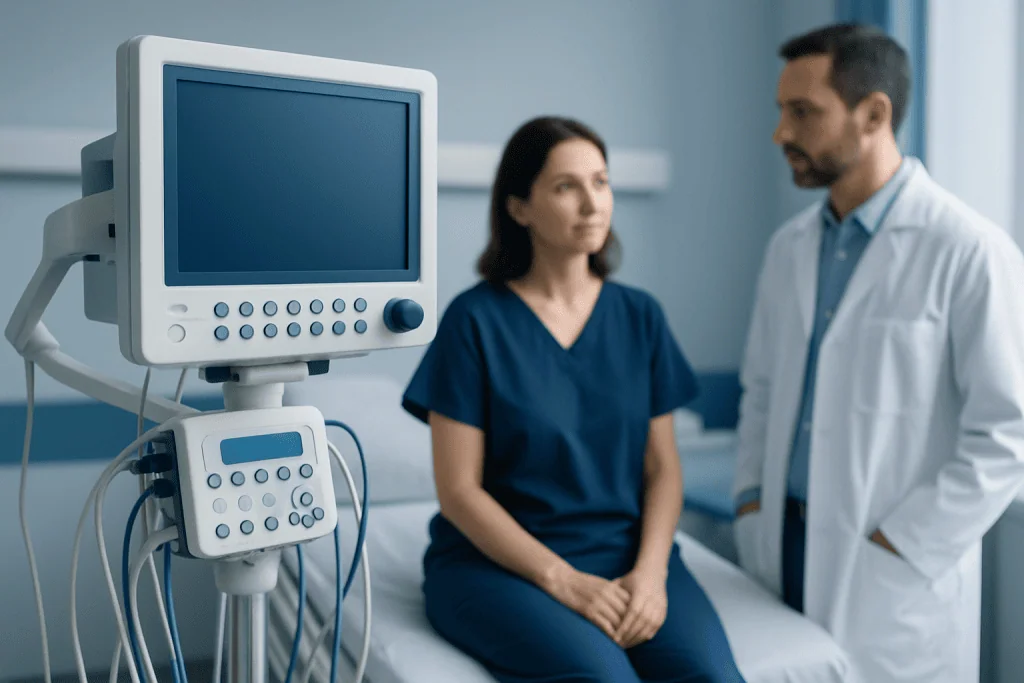
Symptoms can vary widely. Some people have no symptoms and ovarian tissue is noticed incidentally on imaging. Others develop persistent or cyclical pelvic pain, pain during sex, lower abdominal pressure, bloating, urinary or bowel discomfort, or a palpable pelvic mass. If functioning tissue remains, symptoms may fluctuate with hormonal activity, particularly before natural menopause.
Residual tissue can occur when surgery is technically difficult. Dense scar tissue (adhesions), endometriosis, pelvic inflammatory disease, previous pelvic operations, or distorted anatomy can make it challenging to clearly separate ovarian tissue from nearby structures. In some cases, very small fragments of tissue may remain attached to the pelvic sidewall, bowel, bladder, or other tissues.
Not every episode of pelvic pain after hysterectomy or ovary removal is caused by residual ovarian tissue. Possible alternatives include endometriosis, scar-related pain, gastrointestinal conditions, urinary disorders, musculoskeletal pain, or nerve-related pain. A careful evaluation is therefore important before deciding on treatment.
- Prior surgery for endometriosis or severe pelvic infection
- Multiple prior abdominal or pelvic operations
- Known dense pelvic adhesions
- Complex ovarian masses or altered pelvic anatomy
- Symptoms that continue or return after oophorectomy
How Is Residual Ovarian Syndrome Diagnosed?

Diagnosis starts with a detailed medical and surgical history. The clinician will ask which organs were removed, why surgery was performed, when symptoms started, whether pain follows a monthly pattern, and whether there have been previous findings of endometriosis, cysts, or adhesions. A pelvic examination may identify tenderness or a mass, although it may be normal even when residual tissue is present.
Pelvic ultrasound is often the first imaging examination. Depending on the findings and clinical question, magnetic resonance imaging (MRI) or computed tomography (CT) may help define the location of a suspected mass and its relationship to the bowel, urinary tract, and pelvic blood vessels. Imaging cannot always prove that tissue is ovarian, particularly in the presence of scar tissue.
In people who should have low ovarian hormone activity after removal of both ovaries, blood tests such as follicle-stimulating hormone and estradiol can sometimes provide supportive information. However, hormone values alone do not confirm or exclude the diagnosis. When surgery is performed, laboratory examination of the removed tissue provides the most definitive confirmation.
Treatment Options, Candidacy and Procedure Steps
People with mild, stable symptoms and no concerning imaging findings may be offered observation, repeat imaging, and non-surgical symptom management. Depending on individual circumstances, clinicians may use pain-relieving medicines, treatments directed at endometriosis, or hormonal approaches intended to reduce ovarian stimulation. These measures may help some people but do not remove residual tissue.
Surgical excision is generally considered when symptoms are persistent or significantly affect daily life, when a mass is enlarging or uncertain, when non-surgical measures have not helped, or when malignancy must be excluded. Candidacy depends on overall health, prior operations, location of the suspected tissue, imaging results, and the expected balance of benefit and surgical risk. Referral to a gynecologic surgeon experienced in complex pelvic surgery is often appropriate.
The procedure is commonly performed through laparoscopy, using small abdominal incisions and a camera, but open surgery may be safer in selected complex cases. After anesthesia, the surgeon examines the pelvis, carefully separates adhesions if needed, identifies suspected ovarian tissue, and removes it while protecting nearby bowel, bladder, ureters, and blood vessels. A specimen is sent for pathology. When extensive endometriosis or bowel involvement is suspected, a multidisciplinary surgical team may be involved.
The intended benefit of surgery is removal of the tissue causing symptoms or concern, with confirmation of the diagnosis through pathology. However, symptom improvement is not guaranteed because pelvic pain may have more than one cause. The care team should discuss expected benefits, alternatives, and the possibility of additional procedures before surgery.
Recovery Timeline, Benefits and Possible Risks
Recovery depends on the surgical approach and the extent of adhesions or related disease. After uncomplicated laparoscopic surgery, many people return home the same day or after a short hospital stay. Light activity may resume gradually over days, while full recovery can take several weeks. Open abdominal surgery usually requires a longer hospital stay and a longer recovery period.
During recovery, temporary abdominal soreness, fatigue, bloating, and changes in bowel habits can occur. The surgical team provides individualized advice about wound care, lifting, exercise, driving, work, sexual activity, and follow-up appointments. Pathology results are reviewed to confirm what was removed and guide any further care.
Potential surgical risks include bleeding, infection, blood clots, anesthesia reactions, and injury to nearby organs such as the bowel, bladder, ureters, or blood vessels. These risks may be higher when there is extensive scar tissue, endometriosis, or prior surgery. Rarely, further surgery may be needed for a complication or persistent symptoms.
If functioning ovarian tissue is removed in a person who has not yet reached menopause and no other ovarian tissue remains, estrogen levels can fall abruptly and surgical menopause symptoms may occur. The clinician can discuss appropriate symptom management and whether menopausal hormone therapy is suitable for that individual.
How Long Does It Take for Ovarian Remnant Syndrome to Show Up?
Ovarian remnant syndrome can become noticeable weeks, months, or years after surgery. The timing varies because a small piece of ovarian tissue may initially cause no symptoms, then later become hormonally active, develop a cyst, or become affected by endometriosis or scar tissue.
Symptoms appearing long after surgery do not automatically mean that ovarian tissue is present. Pelvic pain and masses have several possible causes, so evaluation should include the person’s surgical history, physical examination, and appropriate imaging rather than relying on timing alone.
Anyone who develops new or recurring pelvic symptoms after an oophorectomy should tell their gynecologist about the prior procedure. Bringing operative reports and previous imaging, when available, can help the specialist plan an accurate assessment.
How Serious Is Ovarian Remnant Syndrome?
Ovarian remnant syndrome is usually not an emergency, but it can be clinically important. It may cause persistent pain, recurrent cysts, or a pelvic mass that needs evaluation. Symptoms can affect comfort, sleep, sexual wellbeing, work, and daily activities, particularly when endometriosis or adhesions are also present.
The main concern is ensuring that a new pelvic mass is assessed properly and that other causes of symptoms are not missed. Although cancer arising in residual ovarian tissue is considered uncommon, any suspicious, enlarging, or complex mass requires timely specialist review and may need surgical assessment.
Prompt evaluation is especially important for sudden severe pelvic pain, fever, persistent vomiting, fainting, heavy vaginal bleeding, or symptoms suggesting a bowel or urinary obstruction. These symptoms can have causes beyond residual ovarian tissue and should not be managed by waiting at home.
How Common Is Residual Ovarian Syndrome?
The true frequency of residual ovarian syndrome and ovarian remnant syndrome is uncertain. They are considered uncommon, and published estimates vary because studies use different definitions, populations, and methods of confirming the condition. Some cases may also be difficult to distinguish from other causes of chronic pelvic pain.
Risk is not evenly distributed. It is more likely in people whose previous surgery involved severe endometriosis, pelvic inflammatory disease, extensive adhesions, or complex anatomy. These factors do not mean residual tissue will occur; they simply make complete removal more technically challenging.
For people who retain one or both ovaries during hysterectomy, later ovarian cysts or pelvic pain are not necessarily a complication or evidence of a remnant. The ovaries may continue their normal hormonal function, and symptoms should be assessed in the same structured way as other pelvic concerns.
When to Seek Medical Care
A person should arrange a gynecology appointment for pelvic pain that persists, returns after surgery, becomes cyclical, or interferes with daily activities. Review is also appropriate for new pelvic pressure, bloating, painful intercourse, unexplained urinary or bowel symptoms, or a mass found on an imaging examination.
Urgent medical assessment is needed for sudden severe abdominal or pelvic pain, fever, repeated vomiting, fainting, severe weakness, heavy bleeding, or an inability to pass urine, stool, or gas. These symptoms may indicate a complication that needs prompt care, whether or not residual ovarian tissue is involved.
Acibadem International’s multidisciplinary specialists and JCI-accredited hospitals evaluate complex gynecologic conditions for international patients, including pelvic pain and suspected residual ovarian tissue. A second opinion may be useful when prior surgery was complex, symptoms are persistent, or the recommended next step is repeat pelvic surgery.
Can I Sue for Ovarian Remnant Syndrome?
Whether someone can bring a legal claim depends on the laws where the surgery occurred and the specific facts of the case. A diagnosis of ovarian remnant syndrome alone does not establish that a clinician acted negligently. Complex anatomy, adhesions, endometriosis, and safety concerns can make complete removal difficult even when surgery is performed appropriately.
People with questions about their care can first request copies of their operative report, pathology report, discharge summary, and relevant imaging. Discussing these records with an independent gynecologic specialist may help clarify the medical issues. For legal advice, it is appropriate to consult a qualified attorney in the relevant jurisdiction.
Medical care should remain the priority. Persistent symptoms or a concerning mass should be evaluated promptly, regardless of whether a person is considering a complaint or legal action.
Frequently asked questions
What is the difference between residual ovarian syndrome and ovarian remnant syndrome?
Ovarian remnant syndrome generally describes ovarian tissue unintentionally left after an operation intended to remove an ovary or both ovaries. Residual ovarian syndrome may also be used for symptoms caused by ovaries that were intentionally retained after hysterectomy. Terminology varies, so the surgical history is essential to understanding the diagnosis.
Can ovarian remnant syndrome be treated without surgery?
In selected cases, symptoms may be managed with observation, pain treatment, or medicines that reduce hormonal stimulation. This may be suitable when symptoms are mild and imaging does not show a concerning mass. Surgery is more often considered for persistent symptoms, a growing mass, uncertain diagnosis, or concern about malignancy.
Will surgery cure pelvic pain from residual ovarian tissue?
Removing confirmed residual ovarian tissue may improve pain when that tissue is the main cause. However, pelvic pain can also result from endometriosis, adhesions, bowel or bladder conditions, muscles, or nerves. A surgeon should explain that improvement is possible but cannot be guaranteed.
Can an ultrasound detect ovarian remnant syndrome?
Ultrasound can identify a cystic or solid pelvic mass and is often the first imaging test used. It may not always distinguish ovarian tissue from scar tissue, endometriosis, or other pelvic structures. MRI, CT, hormone testing, and surgical pathology may provide additional information when needed.
Does ovarian remnant syndrome cause menopause symptoms?
If residual tissue remains hormonally active, it may produce estrogen and reduce or delay menopause symptoms that might otherwise occur after removal of both ovaries. If that tissue is later removed, menopausal symptoms may develop or become more noticeable. The individual’s age, remaining ovarian tissue, and medical history all affect this outcome.
Is ovarian remnant syndrome cancer?
Ovarian remnant syndrome is not cancer. It refers to remaining ovarian tissue that may become symptomatic or form a mass. Because any persistent or complex pelvic mass needs appropriate assessment, clinicians may recommend imaging follow-up or surgery to rule out uncommon but important causes, including cancer.
References
- American College of Obstetricians and Gynecologists
- National Institutes of Health
- Mayo Clinic
- Merck Manual Professional Edition
This article is for general information only and is not a substitute for professional medical advice. Please consult a qualified doctor about your individual situation.
Explore treatments in Turkey — costs, top hospitals & a free quote
JCI-accredited · board-certified surgeons · reply within 24h
Add us as a Preferred Source to see more of our trusted health content across Google Search, AI Overviews and Discover.

More from the Health Library



Related Specialists

Dr. Mehmet Erkan Altun
Anesthesiology
Dr. Sertaç Esin
Acibadem Life Clinical Service
Dr. İffet Ebru Saraç
Gynecology & Obstetrics
Prof. Dr. Gültekin Karakuş
Cardiology