Mips Physical Therapy: How It Works, Results and What to Expect

MIPS is an abbreviation for minimally invasive spine surgery; rehabilitation needs vary by the procedure and the person. Physical therapy often begins with safe walking, positioning and basic mobility before progressing to strengthening and functional exercise.
Key Takeaways
- MIPS is an abbreviation for minimally invasive spine surgery; rehabilitation needs vary by the procedure and the person.
- Physical therapy often begins with safe walking, positioning and basic mobility before progressing to strengthening and functional exercise.
- The pace of recovery depends on the diagnosis, surgical approach, level of surgery, health status and work or activity demands.
- Temporary discomfort during rehabilitation can be expected, but new weakness, fever, wound concerns or loss of bladder or bowel control require prompt medical attention.
- Patients should follow their surgeon’s specific restrictions, as timelines for bending, lifting, twisting and driving can differ.
Mips physical therapy commonly refers to rehabilitation after minimally invasive spine surgery (MIPS), rather than a separate type of physical therapy. It uses a tailored plan of movement, education and gradual strengthening to support safe recovery, improve daily function and help patients return to appropriate activities.
Overview: What Is Mips Physical Therapy?
Mips physical therapy generally describes physical therapy and rehabilitation after minimally invasive spine surgery (MIPS). MIPS uses smaller surgical approaches than some traditional open spine operations, but recovery still involves healing of muscles, bone and other tissues. Physical therapy is designed to help a person move safely, restore confidence with everyday tasks and gradually rebuild strength and endurance.
It is not one fixed program or a single treatment technique. The plan is individualized according to the reason for surgery, such as disc problems, spinal narrowing or instability; the spinal level treated; the type of procedure; and the person’s general health and goals. Some people receive early guidance in hospital and begin formal outpatient therapy later, while others may need home-based or inpatient rehabilitation first.
Minimally invasive surgery may reduce tissue disruption for selected patients, but it does not mean that rehabilitation can be rushed. The surgeon and physical therapist coordinate activity progression around healing requirements. A person recovering from a procedure for a herniated disc may have different precautions and goals from someone recovering after surgery for spinal stenosis or spinal fusion.
How Rehabilitation Works After Minimally Invasive Spine Surgery
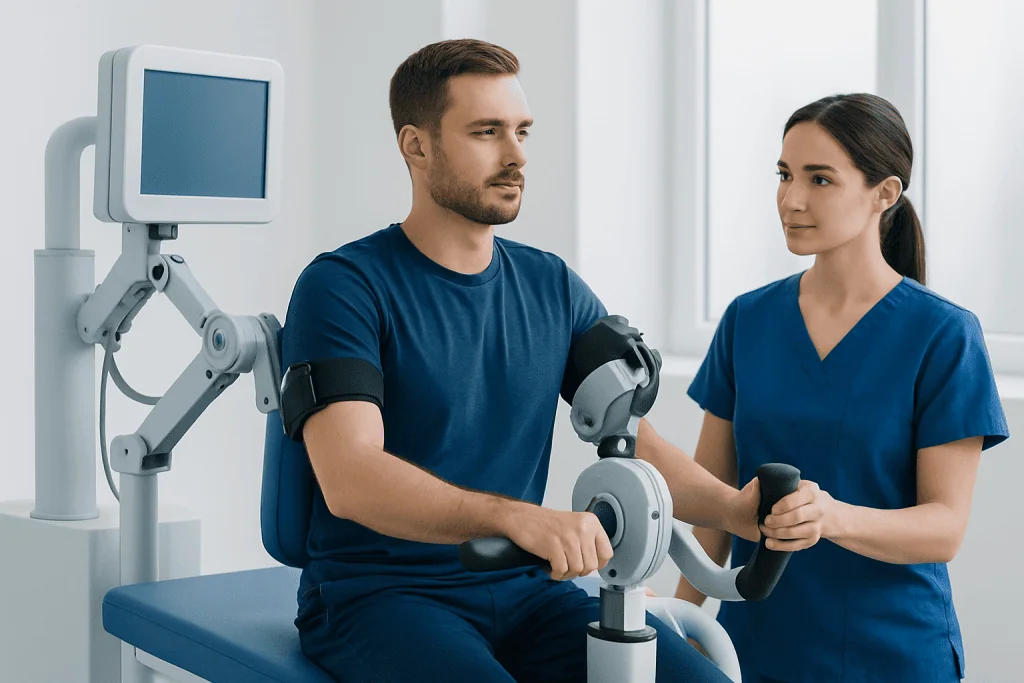
Rehabilitation after MIPS follows the principle of progressive loading. At first, the priority is protecting the surgical area while avoiding prolonged inactivity. Gentle walking, position changes, breathing exercises and safe techniques for getting in and out of bed can support circulation, reduce stiffness and help a person resume basic independence.
As symptoms settle and the surgeon permits, physical therapy may include exercises for posture, trunk control, hip and leg strength, flexibility and balance. Therapists also assess how a person performs practical movements, such as sitting, climbing stairs, dressing, lifting light objects or returning to work tasks. The goal is not simply to exercise, but to improve function with movements that are appropriate for the stage of healing.
Education is an important part of care. A therapist may teach pacing, ergonomic adjustments, sleep positions, safe body mechanics and ways to recognize when an activity is too demanding. Rehabilitation can also address fear of movement, which is understandable after back or neck surgery but may limit recovery when it leads to unnecessary avoidance.
For people who have had a minimally invasive spinal procedure, minimally invasive spine surgery follow-up and rehabilitation plans should be guided by the treating surgical team. Instructions may differ considerably between decompression surgery and procedures that involve fusion or implanted hardware.
Who May Benefit and How Candidacy Is Decided
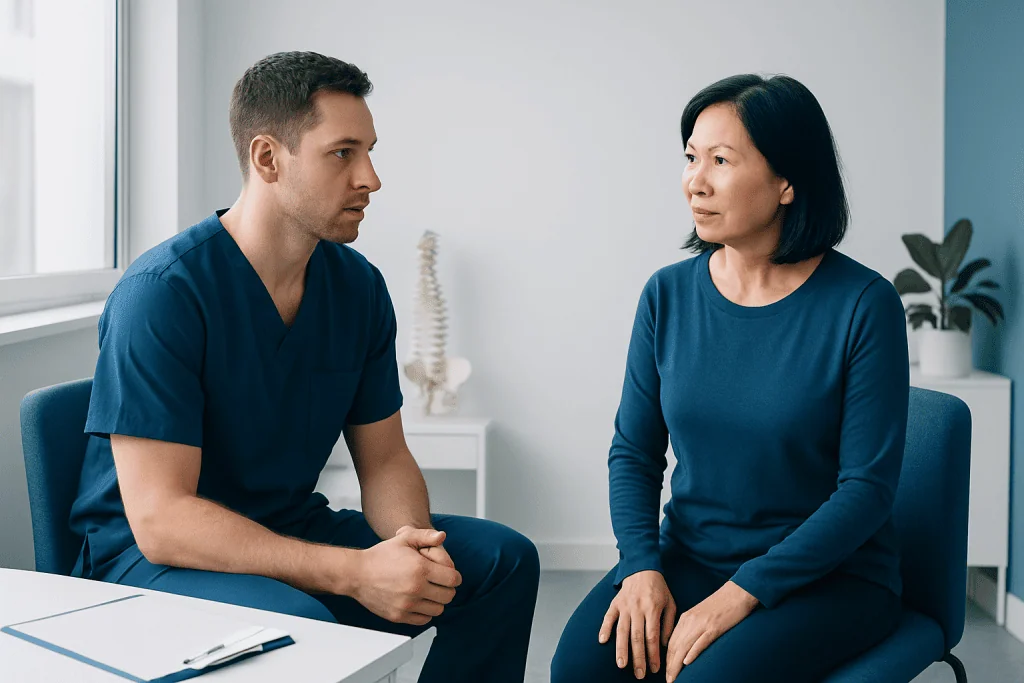
Most people undergoing spine surgery can benefit from some form of rehabilitation guidance, although formal physical therapy is not required at the same time or intensity for everyone. A person with reduced mobility, ongoing weakness, balance concerns, significant pain-related activity limitation or physically demanding work may particularly benefit from a structured program.
Before starting or advancing therapy, clinicians consider the operation performed, wound healing, pain level, nerve symptoms and any restrictions ordered by the surgeon. They also consider factors such as osteoporosis, diabetes, heart or lung disease, prior spine procedures and access to support at home. These factors do not automatically prevent therapy; instead, they help the team select a safer pace and format.
People are usually not asked to push through severe pain, new radiating symptoms or worsening numbness. Therapy may be postponed, modified or stopped temporarily if there are concerns about infection, wound healing, a postoperative complication or a new neurological problem. Open communication with the surgeon and therapist is essential.
- Suitable goals may include walking farther, returning to self-care, improving sitting tolerance or resuming work safely.
- Programs are adapted for the cervical, thoracic or lumbar spine and for the specific operation performed.
- Medical clearance and individualized precautions are especially important after fusion procedures.
What to Expect: Step by Step
Early phase: Soon after surgery, the care team may help the patient practice rolling in bed, standing, walking short distances and using stairs if needed. Pain management, wound care and prevention of complications are addressed at the same time. Some patients are discharged with a walking plan and basic home exercises rather than immediate outpatient sessions.
Assessment phase: At the first physical therapy appointment, the therapist reviews the surgical history, current symptoms, medications, functional limitations and surgeon’s instructions. The assessment may include observation of walking and posture, gentle movement testing, strength and balance checks, and discussion of home and work demands. The examination is adjusted to avoid stressing healing tissues.
Active rehabilitation phase: Sessions commonly progress from light mobility and control exercises to targeted strengthening and aerobic activity, often including a graduated walking program. The therapist may use hands-on techniques, education or other supportive measures when appropriate, but active participation and a home program are usually central to progress.
Return-to-activity phase: As healing advances, rehabilitation focuses on the movements and endurance needed for daily life, recreation or employment. A patient whose work includes lifting, prolonged standing or driving may need task-specific preparation. The surgeon gives final guidance on return to higher-impact sport, heavy lifting and other demanding activities.
Recovery Timeline and Expected Results
Recovery after minimally invasive spine surgery varies widely. Many people are encouraged to walk soon after an uncomplicated procedure, but improvement in strength, endurance and confidence usually develops over weeks to months. Nerve-related symptoms, such as tingling or weakness caused by prior compression, can improve gradually and may take longer than incision healing.
A smaller incision can be associated with less soft-tissue disruption in selected operations, yet the internal healing process still requires time. People who have spinal fusion may have longer restrictions than those who have a decompression-only procedure because bone healing and stabilization are part of the recovery. Follow-up appointments help the surgeon determine when activities can be increased.
Useful signs of progress include greater walking tolerance, easier transfers, improved sleep or comfort with daily tasks, better balance and reduced dependence on pain medication when clinically appropriate. Recovery is rarely completely linear. A temporary increase in soreness after a new activity may occur, but persistent or escalating pain should be discussed with the care team rather than managed by simply increasing exercise.
The best results are usually supported by regular participation in the agreed program, gradual increases rather than sudden activity changes, adequate rest and follow-up with the treating clinicians. Physical therapy aims to help a person reach the safest practical level of function, not to force a universal timetable.
Benefits, Risks and Self-Care During Rehabilitation
Potential benefits of a well-designed rehabilitation plan include improved mobility, strength, posture, balance and physical confidence. It can also help patients understand movement restrictions and reduce the risk of overdoing activities too early. For some people, guidance on work setup, lifting mechanics and general conditioning supports a more sustainable return to normal routines.
Risks are usually low when therapy is individualized and surgical instructions are followed. Mild muscle soreness or temporary fatigue can occur after new exercises. However, exercises that are too intense, poorly timed or performed with unsuitable technique may aggravate pain or irritate sensitive tissues. This is why progression should be based on symptoms, examination findings and medical clearance rather than comparing recovery with others.
At home, patients should take prescribed medicines only as directed, care for the incision according to surgical instructions, walk or exercise within the recommended limits and avoid nicotine products, which can impair healing. A balanced diet, hydration and adequate sleep also support recovery. Patients should not resume heavy lifting, repeated bending and twisting, high-impact exercise or driving until their surgeon says it is safe.
For ongoing spine rehabilitation needs, Acibadem International’s multidisciplinary specialists and JCI-accredited hospitals can assess surgical recovery and coordinate care for international patients.
When to Seek Medical Care
Patients should contact their surgeon or treating doctor promptly if pain is steadily worsening rather than gradually improving, if a surgical wound becomes increasingly red, swollen, warm or draining, or if fever or chills occur. New or worsening weakness, numbness, difficulty walking or severe pain radiating into an arm or leg also deserves timely medical assessment.
Urgent medical care is needed for new loss of bladder or bowel control, numbness around the groin or inner thighs, sudden severe weakness, chest pain, shortness of breath or symptoms suggestive of a blood clot, such as painful swelling in one leg. These symptoms are uncommon but should not be managed only through home exercises or a routine therapy appointment.
Routine follow-up remains important even when recovery is going well. The surgeon can review healing, update activity restrictions and determine whether physical therapy should continue, change focus or be paused. Patients should bring questions about work, travel, exercise and persistent symptoms to these visits.
Frequently asked questions
Is mips physical therapy different from regular physical therapy?
Mips physical therapy is usually not a separate therapy method. It generally means physical therapy tailored to recovery after minimally invasive spine surgery, with precautions based on the specific operation and stage of healing.
When does physical therapy start after minimally invasive spine surgery?
Early walking and basic mobility guidance may begin shortly after surgery when medically appropriate. Formal outpatient therapy may start later, depending on the procedure, surgeon’s instructions, symptoms and healing progress.
Will physical therapy be painful after MIPS?
Some muscle soreness or fatigue can occur as activity increases, especially after a period of reduced movement. Severe, sharp, worsening or new radiating pain should be reported to the therapist and surgical team rather than pushed through.
How long does rehabilitation after MIPS take?
There is no single timeline. Many patients improve gradually over weeks to months, while recovery after fusion surgery or long-standing nerve compression can take longer. The treating team can provide the most relevant estimate after reviewing the procedure and recovery course.
What exercises are usually included after minimally invasive spine surgery?
Programs often begin with walking, gentle mobility and safe movement practice. They may later include trunk-control, hip and leg strengthening, balance work and conditioning, but the exact exercises depend on the surgery and the patient’s restrictions.
Can patients return to work after MIPS physical therapy?
Many patients can return to work gradually, but timing depends on healing, symptoms and job demands. Desk-based work may require different adjustments from work involving lifting, prolonged standing, climbing or driving; the surgeon and therapist can help plan a safe return.
References
- American Academy of Orthopaedic Surgeons
- American Physical Therapy Association
- North American Spine Society
- National Institute of Neurological Disorders and Stroke
This article is for general information only and is not a substitute for professional medical advice. Please consult a qualified doctor about your individual situation.
Joint and spine care in Turkey — expert assessment & treatment
JCI-accredited · board-certified surgeons · reply within 24h
Add us as a Preferred Source to see more of our trusted health content across Google Search, AI Overviews and Discover.