Blocked Fallopian Tubes: Diagnosis and Fertility Treatment Options

Blocked fallopian tubes can affect one or both tubes and may reduce the chance of natural conception. Many people have no symptoms, so tubal blockage is often found during fertility testing.
Key Takeaways
- Blocked fallopian tubes can affect one or both tubes and may reduce the chance of natural conception.
- Many people have no symptoms, so tubal blockage is often found during fertility testing.
- Common diagnostic tests include hysterosalpingography, ultrasound-based tubal tests, and laparoscopy in selected cases.
- Treatment depends on the cause, location, and severity of blockage, as well as age, ovarian reserve, and partner sperm factors.
- IVF can bypass the fallopian tubes and is often recommended for severe or bilateral tubal blockage.
Medically reviewed by the Acıbadem International Medical Board — June 20, 2026
Blocked fallopian tubes are a common, often symptom-free cause of female infertility because they can prevent the egg and sperm from meeting. Diagnosis is usually straightforward, and treatment options may include minimally invasive procedures, surgery, or IVF depending on the type and location of the blockage.
Overview
The fallopian tubes are two narrow passages that connect the ovaries to the uterus. Each month, an ovary releases an egg, which travels into a fallopian tube. Fertilization usually happens inside the tube when sperm meets the egg. The fertilized egg then moves toward the uterus, where implantation may occur.
When one or both fallopian tubes are blocked, this pathway may be interrupted. A blockage can prevent sperm from reaching the egg, stop the egg from moving through the tube, or interfere with the movement of an embryo toward the uterus. This is known as tubal factor infertility.
Blocked fallopian tubes do not always mean pregnancy is impossible. Some people with one open tube may conceive naturally, especially if ovulation occurs from the ovary on the open side and other fertility factors are normal. When both tubes are blocked or damaged, assisted reproductive treatments such as in vitro fertilization, commonly called IVF, may offer a path to pregnancy because IVF does not require the tubes to be open.
Symptoms and How Blocked Tubes Affect Fertility
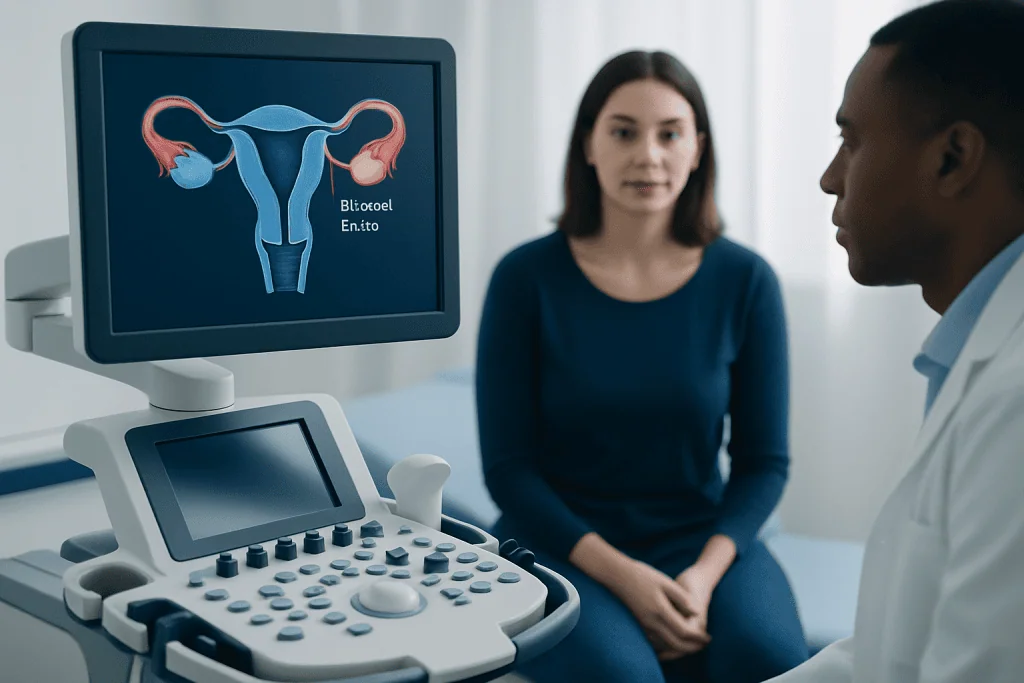
Blocked fallopian tubes often cause no noticeable symptoms. Many people only learn about a blockage after trying to conceive for several months and undergoing fertility evaluation. Menstrual cycles may remain regular, and ovulation may still occur normally, which can make the condition difficult to suspect without testing.
Some underlying causes of tubal blockage can cause symptoms. For example, endometriosis may be associated with painful periods, pelvic pain, or pain during intercourse. Previous pelvic infection may sometimes cause chronic pelvic discomfort, although it can also occur silently. A fluid-filled, swollen tube called a hydrosalpinx may occasionally be linked with pelvic pressure or unusual discharge, but many cases are found only through imaging.
Tubal blockage can affect fertility in different ways depending on whether one or both tubes are involved. A single blocked tube may reduce the monthly chance of conception but does not necessarily prevent pregnancy. Blockage in both tubes usually makes natural conception very unlikely. Damage inside the tube can also increase the risk of an ectopic pregnancy, where a pregnancy implants outside the uterus, so early medical follow-up is important after any positive pregnancy test in someone with known tubal disease.
Causes and Risk Factors
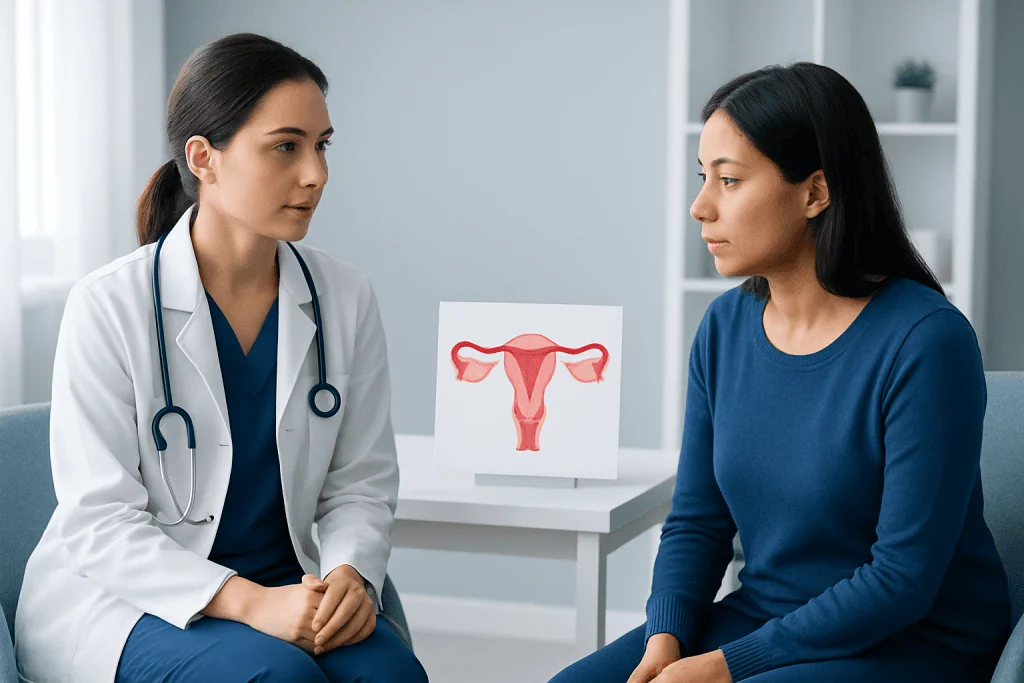
Fallopian tube blockage usually develops because of inflammation, scarring, adhesions, or structural damage around the tubes. The tube is delicate, and even small changes to its inner lining or movement can affect fertility. In some cases, the blockage is near the uterus; in others, it is at the far end of the tube close to the ovary.
Common causes and risk factors include:
- Pelvic inflammatory disease, often related to previous sexually transmitted infections such as chlamydia or gonorrhea
- Endometriosis, which can cause inflammation and scar tissue around reproductive organs
- Previous abdominal or pelvic surgery, including surgery for ovarian cysts, fibroids, appendix rupture, or bowel conditions
- Past ectopic pregnancy or previous surgery on the fallopian tubes
- Hydrosalpinx, where the tube becomes blocked and filled with fluid
- Less commonly, infections such as genital tuberculosis in regions where tuberculosis is more prevalent
Sometimes the exact cause cannot be identified. A person may have had a mild or silent infection years earlier, or adhesions may have developed without obvious symptoms. For this reason, fertility specialists evaluate the whole reproductive picture, not only the tubes. Age, ovarian reserve, ovulation, uterine health, and sperm quality all help guide the best treatment plan.
Diagnosis
Testing for fallopian tube blockage is usually part of a fertility assessment. Doctors typically begin with a medical history, pelvic examination, ultrasound, and blood tests related to ovulation or ovarian reserve when appropriate. Semen analysis is also recommended for the male partner or sperm provider, because fertility often involves more than one factor.
One of the most commonly used tests is hysterosalpingography, or HSG. During an HSG, a contrast dye is placed through the cervix into the uterus, and X-ray images show whether the dye flows through the fallopian tubes. If the dye spills freely from both tubes, they are likely open. If the dye does not pass through, a blockage may be suspected. Some people experience temporary cramping during the test, and the healthcare team can explain how to prepare and what to expect.
An ultrasound-based test may also be used. This may be called hysterosalpingo-contrast sonography, HyCoSy, or saline infusion sonography with tubal assessment, depending on the technique. It uses ultrasound rather than X-ray to observe fluid or contrast movement through the tubes. In selected cases, laparoscopy may be recommended. Laparoscopy is a minimally invasive surgical procedure that allows the doctor to view the pelvis directly and sometimes treat adhesions, endometriosis, or tubal disease during the same procedure.
No single test is perfect. Occasionally, a tube may appear blocked because of temporary spasm, mucus, or technical factors during the procedure. If results do not fit the clinical picture, a fertility specialist may recommend repeat testing or a different method before deciding on treatment.
Treatment Options
Treatment for blocked fallopian tubes depends on the location and severity of the blockage, whether one or both tubes are affected, and the person’s overall fertility profile. The goal is not only to open a tube, but also to choose an approach that offers a realistic and safe chance of pregnancy. For some patients, expectant management may be reasonable if one tube is open and there are no other major fertility concerns. For others, active treatment may be recommended sooner.
If the blockage is near the uterus, a procedure called tubal cannulation may be considered in selected cases. A thin catheter is guided through the uterus to try to open the blocked portion of the tube. This is usually most useful for proximal blockage, meaning the part of the tube closest to the uterus. It may not be suitable if the tube is severely damaged or blocked at the far end.
Surgery may be an option when adhesions, endometriosis, or certain types of tubal damage are present. Laparoscopic surgery can sometimes remove scar tissue, treat endometriosis, or repair a tube. However, surgery is not always the best choice, especially when there is extensive tubal damage, advanced age, reduced ovarian reserve, or additional fertility factors. The benefits, recovery time, possible recurrence of scar tissue, and ectopic pregnancy risk should be discussed carefully with a specialist.
IVF is often recommended when both tubes are blocked, when hydrosalpinx is present, or when tubal surgery is unlikely to help. In IVF, eggs are collected from the ovaries, fertilized with sperm in a laboratory, and an embryo is transferred into the uterus. Because fertilization occurs outside the body, open fallopian tubes are not required. If a hydrosalpinx is present, doctors may advise removing or sealing the affected tube before IVF, because fluid from the tube may reduce the chance of embryo implantation.
Preparing for Fertility Treatment
A careful treatment plan can help patients make informed decisions. Before choosing surgery, IVF, or another approach, the fertility team may assess ovarian reserve using ultrasound and blood tests, review menstrual history, evaluate the uterus, and confirm sperm parameters. These steps help determine whether the main issue is tubal blockage alone or whether several factors are contributing.
Patients may wish to ask their doctor several practical questions: Which tube is blocked, and where is the blockage? Is the other tube healthy? Is there a hydrosalpinx? Would surgery improve the chance of natural conception, or would IVF be more appropriate? What is the expected recovery time? How will ectopic pregnancy risk be monitored? Clear answers can reduce uncertainty and help align treatment with personal goals, age, medical history, and timeline.
Emotional support is also important. Learning that the fallopian tubes are blocked can feel discouraging, especially after months or years of trying to conceive. Fertility counseling, support groups, and open communication with the care team can help patients and couples cope with the stress of testing and treatment decisions. The plan should be individualized and reviewed regularly as new results become available.
Prevention and Self-Care
Not all cases of blocked fallopian tubes can be prevented, but some risk factors can be reduced. Preventing and promptly treating sexually transmitted infections is an important step because untreated infections can lead to pelvic inflammatory disease and tubal scarring. Barrier protection, regular screening when recommended, and early medical care for symptoms such as pelvic pain, abnormal discharge, or bleeding between periods can help protect reproductive health.
People with known endometriosis, recurrent pelvic pain, or a history of pelvic infection should discuss fertility goals with a gynecologist. Earlier evaluation may be helpful, particularly for those over 35 or those who have been trying to conceive without success. Maintaining general health through balanced nutrition, avoiding smoking, managing chronic conditions, and following medical advice before pregnancy can support fertility treatment outcomes, although these steps cannot reopen a blocked tube on their own.
Self-care also includes knowing when to seek urgent advice. A person with known or suspected tubal disease who has a positive pregnancy test should contact a healthcare provider early for guidance. Early ultrasound and blood testing may be used to confirm that the pregnancy is developing in the uterus.
When to See a Doctor
A fertility evaluation is generally recommended after 12 months of regular unprotected intercourse without pregnancy, or after 6 months if the person trying to conceive is 35 or older. Evaluation may be needed sooner if there is a history of pelvic inflammatory disease, endometriosis, ectopic pregnancy, pelvic surgery, irregular periods, or known tubal problems.
Medical advice is also appropriate for symptoms such as ongoing pelvic pain, painful periods that interfere with daily life, pain during intercourse, unusual vaginal discharge, fever with pelvic pain, or bleeding between periods. These symptoms do not always mean the tubes are blocked, but they can point to conditions that may affect reproductive health and should be assessed.
International patients seeking evaluation can access coordinated fertility assessment and treatment planning at centers such as Acibadem International, where multidisciplinary specialists and JCI-accredited hospitals provide diagnosis and care for tubal factor infertility. The most suitable option should always be decided after a qualified medical consultation and individualized review of test results.
Frequently asked questions
Can someone get pregnant naturally with one blocked fallopian tube?
Yes, pregnancy may be possible if one fallopian tube is open and functioning, ovulation occurs, and there are no other major fertility factors. The chance can vary depending on age, ovarian reserve, sperm quality, and the health of the open tube. A fertility specialist can help estimate the best approach.
Are blocked fallopian tubes painful?
Many blocked fallopian tubes cause no pain at all. Pain may occur if the underlying cause is endometriosis, infection, adhesions, or a hydrosalpinx. Persistent pelvic pain should be evaluated by a gynecologist.
What is the best test for blocked fallopian tubes?
Hysterosalpingography, or HSG, is a common first-line test because it can show whether dye passes through the tubes. Ultrasound-based tubal tests are also used in many clinics. Laparoscopy is usually reserved for selected cases, especially when endometriosis, adhesions, or pelvic disease is suspected.
Can blocked fallopian tubes be opened without IVF?
Some blockages can be treated with tubal cannulation or laparoscopic surgery, especially if the blockage is limited and the tube is otherwise healthy. However, surgery is not suitable for every patient. If both tubes are severely damaged or hydrosalpinx is present, IVF may be more appropriate.
Why is hydrosalpinx important before IVF?
A hydrosalpinx is a fallopian tube that is blocked and filled with fluid. This fluid may leak into the uterus and reduce the chance of embryo implantation. Doctors may recommend removing or sealing the affected tube before IVF to improve the uterine environment.
Do blocked fallopian tubes affect periods or ovulation?
Blocked tubes usually do not stop periods or ovulation. The ovaries can still release eggs, and menstrual cycles may remain regular. The problem is mainly that the egg and sperm may not be able to meet, or the embryo may not be able to travel normally to the uterus.
When should fertility testing begin if tubal blockage is suspected?
Testing should begin earlier than usual if there is a history of pelvic infection, endometriosis, ectopic pregnancy, or pelvic surgery. In general, evaluation is recommended after 12 months of trying to conceive, or after 6 months for those aged 35 or older. A doctor may advise earlier testing based on individual risk factors.
References
- American Society for Reproductive Medicine
- European Society of Human Reproduction and Embryology
- American College of Obstetricians and Gynecologists
- National Institute for Health and Care Excellence
- World Health Organization
This article is for general information only and is not a substitute for professional medical advice. Please consult a qualified doctor about your individual situation.
Explore treatments in Turkey — costs, top hospitals & a free quote
JCI-accredited · board-certified surgeons · reply within 24h

Related Treatments
Related Conditions
More from the Health Library



Related Specialists

Prof. Dr. Bülent Tıraş
Gynecology & Obstetrics
Prof. Dr. Mete Güngör
Gynecology & Obstetrics
Prof. Dr. Faruk Suat Dede
Gynecology & Obstetrics
Prof. Dr. Tansu Küçük
Gynecology & Obstetrics