Asherman Syndrome
Asherman Syndrome causes uterine scarring that can affect periods and fertility. Learn symptoms, diagnosis, treatment options and when to seek care.
Quick answer
Asherman syndrome is a condition in which scar tissue forms inside the uterus, often causing lighter or absent periods, pelvic pain, infertility, or recurrent miscarriage. At Acibadem in Turkey, diagnosis typically involves gynecologic evaluation and imaging or hysteroscopy, and treatment is usually hysteroscopic removal of adhesions followed by individualized follow-up to support recovery and fertility.
Asherman Syndrome is a condition in which scar tissue, called intrauterine adhesions, forms inside the uterus and may partially or completely narrow the uterine cavity. It can affect menstrual bleeding, fertility, miscarriage risk, and pregnancy care, but many people can be evaluated and treated successfully by a gynecology or reproductive medicine specialist.
Overview
Asherman Syndrome is a gynecological condition caused by scar tissue inside the uterus. This scar tissue is also called intrauterine adhesions or uterine synechiae. Adhesions may be thin and filmy or thick and dense, and they can make parts of the uterine walls stick together. When this happens, the normal space inside the uterus may become smaller or partly blocked.
The uterine lining, known as the endometrium, normally thickens and sheds during the menstrual cycle. It also plays an important role in embryo implantation and pregnancy. In Asherman Syndrome, scarring can interfere with the lining’s ability to grow normally, shed normally, or support a pregnancy. The condition may range from mild adhesions with minimal symptoms to more extensive scarring that affects menstrual flow and fertility.
Asherman Syndrome is most commonly associated with injury to the uterine lining after a uterine procedure, particularly when the uterus has recently been pregnant. It can also occur after infection or other surgery involving the uterus. The condition is not contagious, and it is not a cancer. With careful diagnosis and treatment by a qualified specialist, many patients can improve symptoms and receive appropriate guidance about fertility and pregnancy planning.
Symptoms
Asherman Syndrome symptoms vary depending on the location and severity of the adhesions. Some people notice clear changes in their menstrual pattern, while others are diagnosed during an infertility or recurrent pregnancy loss evaluation. Symptoms may develop after miscarriage treatment, childbirth-related procedures, uterine surgery, or a significant uterine infection.
Possible symptoms include:
- Very light menstrual periods or periods that become shorter than usual
- Absent periods, especially after a previous normal menstrual pattern
- Cramping or cyclic pelvic pain when menstrual blood cannot flow normally
- Difficulty becoming pregnant
- Repeated miscarriage or pregnancy complications
- Unexpectedly reduced bleeding after a procedure involving the uterus
Not every person with Asherman Syndrome has pain. Some may have regular ovulation and hormonal cycles but little or no bleeding because the uterine cavity or cervix is partially blocked by adhesions. Others may have infertility even when periods are present, because the uterine lining is not able to support implantation in the usual way.
Because these symptoms can also occur with hormonal disorders, cervical narrowing, endometrial problems, polycystic ovary syndrome, thyroid disease, or early menopause, a medical evaluation is important. A specialist can determine whether uterine adhesions are present and whether they are likely to explain the symptoms.
Causes & Risk Factors
Asherman Syndrome usually develops when the deeper layer of the uterine lining is injured and heals with scar tissue. This injury is more likely when the uterus has recently been pregnant, because the endometrium may be more vulnerable during and after miscarriage, birth, or retained placental tissue. However, adhesions can also occur in people who have never been pregnant, particularly after infection or uterine surgery.
Commonly recognized causes and risk factors include:
- Dilation and curettage or similar uterine procedures, especially repeated procedures
- Surgical management of miscarriage, retained products of conception, or retained placenta
- Postpartum infection or infection after a uterine procedure
- Operative hysteroscopy or surgery for fibroids, polyps, or a uterine septum
- Endometrial infection, including tuberculosis in regions where it is more common
- Previous pelvic or uterine procedures that affect the uterine lining
The risk depends on several factors, including the type of procedure, the reason it was performed, the timing after pregnancy, the presence of infection, and a person’s individual healing response. A single uncomplicated procedure does not mean that Asherman Syndrome will occur. Conversely, symptoms after a uterine procedure should not be dismissed, especially if periods become very light or absent.
Prevention focuses on careful surgical technique, avoiding unnecessary trauma to the uterine lining, prompt treatment of infection, and appropriate follow-up when symptoms appear. In some situations, specialists may use ultrasound guidance, hysteroscopic visualization, or other methods to reduce the risk of uterine lining injury during procedures.
Diagnosis
Diagnosis begins with a detailed medical history. The doctor asks about menstrual changes, pregnancy history, miscarriage or birth complications, previous uterine procedures, infections, pelvic pain, infertility, and pregnancy losses. A pelvic examination may be performed, although adhesions inside the uterine cavity usually cannot be confirmed by examination alone.
Hysteroscopy is widely considered the most direct test for Asherman Syndrome. During hysteroscopy, a thin camera is passed through the cervix so the specialist can view the inside of the uterus. This allows the doctor to identify the location, density, and extent of adhesions. In many cases, hysteroscopy can also be used to treat adhesions during the same or a planned procedure, depending on the findings and the patient’s circumstances.
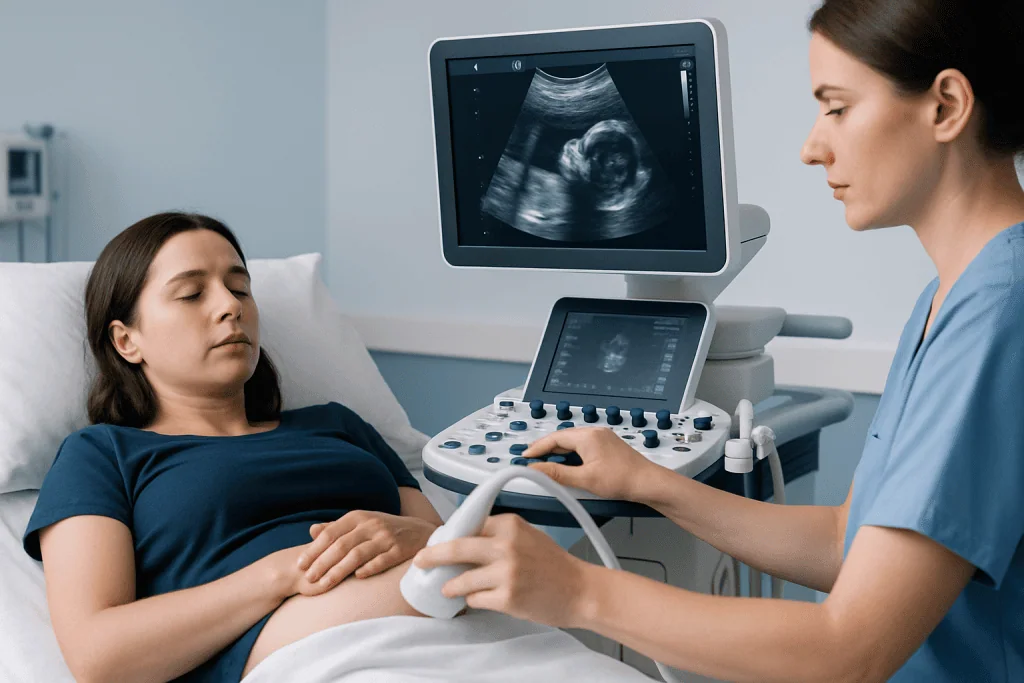
Other imaging tests may help assess the uterine cavity. A saline infusion ultrasound uses sterile fluid to outline the uterine cavity during ultrasound. A hysterosalpingogram uses contrast imaging to show the uterine cavity and fallopian tubes. Standard transvaginal ultrasound may be useful for evaluating the uterus and ovaries, but it may miss mild adhesions because scar tissue inside the cavity can be difficult to see.
Additional tests may be recommended if infertility, absent periods, or recurrent miscarriage is part of the presentation. These can include hormone testing, ovulation assessment, evaluation of the fallopian tubes, semen analysis for a partner when relevant, and screening for other causes of pregnancy loss. The goal is to confirm whether adhesions are present and to understand the full reproductive picture before deciding on treatment.
Treatment Options
Asherman Syndrome treatment depends on symptoms, the severity of adhesions, fertility goals, pregnancy plans, and overall health. The right approach should be decided by a gynecologist or reproductive medicine specialist after assessment. Some people with mild adhesions and no symptoms may need monitoring, while others need active treatment to improve menstrual flow, reduce pain, or support fertility.
The main treatment for symptomatic intrauterine adhesions is usually hysteroscopic adhesiolysis. This means the specialist uses a hysteroscope to carefully separate or remove scar tissue inside the uterus. The procedure aims to restore the shape of the uterine cavity while protecting the remaining healthy endometrium. More complex or dense adhesions may require advanced expertise, careful imaging guidance, or staged treatment rather than a single procedure.
After adhesions are treated, the doctor may recommend strategies to help the uterine lining heal and reduce the chance of adhesions forming again. These may include temporary placement of a barrier device inside the uterus, follow-up hysteroscopy, ultrasound monitoring, or hormone support in selected patients. The specific method varies by case, and not all options are appropriate for everyone.
For people trying to conceive, treatment may be combined with fertility evaluation and reproductive planning. Some patients can try to conceive naturally after healing, while others may need assisted reproductive techniques such as IVF if there are additional fertility factors. Pregnancy after Asherman Syndrome may require closer obstetric monitoring because some patients have higher risks related to placental attachment or pregnancy complications. Acibadem International’s multidisciplinary gynecology, reproductive medicine, and obstetric teams in JCI-accredited hospitals diagnose and treat this condition for international patients, with care plans based on specialist evaluation.
Living With / Prognosis
The outlook for Asherman Syndrome varies. Mild adhesions are often easier to treat, and menstrual flow may improve after the uterine cavity is restored. More extensive scarring can be more challenging because the endometrium may have limited ability to regenerate. Even when treatment is successful, careful follow-up is important because adhesions can recur.
Living with Asherman Syndrome can be emotionally stressful, particularly when it affects fertility or follows a miscarriage, birth complication, or repeated procedures. Patients may benefit from clear explanations, written treatment plans, and time to ask questions. Emotional support, counseling, or fertility support groups can also be helpful for people coping with uncertainty or pregnancy loss.
Follow-up may include monitoring menstrual pattern, repeat imaging or hysteroscopy, and fertility planning when pregnancy is desired. Patients should tell their healthcare team about any return of very light periods, pelvic pain, or difficulty conceiving after treatment. Early reassessment can help identify recurrent adhesions or other conditions that may need attention.
For those who become pregnant after treatment, antenatal care should be coordinated with an obstetrician who knows the patient’s uterine history. Most advice is individualized, but the care team may pay special attention to early pregnancy development, placental location, and delivery planning. The aim is to provide safe, informed monitoring without unnecessary worry.
When to See a Doctor
A person should seek medical advice if menstrual periods become much lighter, shorter, or absent after miscarriage treatment, childbirth, uterine surgery, or a uterine infection. Evaluation is also recommended for cyclic pelvic pain without normal bleeding, because this may suggest that menstrual flow is being blocked. These symptoms do not always mean Asherman Syndrome, but they should be assessed.
Medical review is especially important for people who are trying to become pregnant and have not conceived after an appropriate period of trying, or for those with repeated pregnancy loss. A reproductive medicine specialist can check for uterine adhesions and also evaluate other common fertility factors. This is important because more than one cause may be present.
Urgent medical attention is needed for severe pelvic pain, fever, heavy bleeding, foul-smelling discharge, fainting, or symptoms after a recent uterine procedure that suggest infection or significant complication. For non-urgent concerns, scheduling an appointment with a gynecologist is the best first step. Patients should bring any previous operative reports, ultrasound results, pathology reports, and details of pregnancy or miscarriage care to help the doctor make an accurate assessment.
Frequently asked questions
What is Asherman Syndrome?
Asherman Syndrome is scarring inside the uterus that forms adhesions between areas of the uterine wall. These adhesions can reduce or distort the uterine cavity and may affect periods, fertility, or pregnancy. It is usually diagnosed and managed by a gynecologist or reproductive medicine specialist.
What causes Asherman Syndrome?
The most common cause is injury to the uterine lining after a uterine procedure, especially after pregnancy, miscarriage, or retained placental tissue. Infection and some types of uterine surgery can also contribute. Not everyone who has these procedures develops adhesions, and individual healing response matters.
Can Asherman Syndrome cause infertility?
Yes, Asherman Syndrome can contribute to infertility if scar tissue changes the uterine cavity or prevents the endometrium from supporting implantation. It can also be associated with miscarriage in some patients. A fertility evaluation is important because other factors may also be involved.
How is Asherman Syndrome diagnosed?
Hysteroscopy is often the most direct diagnostic method because it allows the doctor to look inside the uterus. Saline infusion ultrasound or hysterosalpingography may also show abnormalities in the uterine cavity. The best test depends on symptoms, history, and the specialist's assessment.
Is Asherman Syndrome treatable?
Many cases can be treated, most often with hysteroscopic removal or separation of adhesions. The goal is to restore the uterine cavity and improve symptoms or fertility chances where possible. Results depend on the severity of scarring and the health of the remaining uterine lining.
Can adhesions come back after treatment?
Yes, intrauterine adhesions can recur, particularly when the original scarring was dense or extensive. Doctors may recommend follow-up hysteroscopy, imaging, or other measures to support healing and reduce recurrence risk. Keeping follow-up appointments is an important part of care.
Can someone get pregnant after Asherman Syndrome treatment?
Pregnancy may be possible after treatment, especially when adhesions are mild or moderate and the uterine lining recovers well. Some people may need fertility treatment if there are additional factors. Pregnancies after Asherman Syndrome should be monitored by an obstetrician familiar with the condition.
This article is for general information only and is not a substitute for professional medical advice. Please consult a qualified doctor about your individual situation.
Medically reviewed by the Acıbadem International Medical Board June 20, 2026
See our medical review board →
Update history
- PublishedJune 8, 2026
- Medical review approvedJune 20, 2026
- Last content updateJune 8, 2026