Plantar Fasciitis: Heel Pain Causes and Treatment

Plantar fasciitis usually causes stabbing or aching pain under the heel, often worse in the morning or after sitting. The condition is related to irritation and micro-injury of the plantar fascia, a strong band of tissue supporting the arch of the foot.
Key Takeaways
- Plantar fasciitis usually causes stabbing or aching pain under the heel, often worse in the morning or after sitting.
- The condition is related to irritation and micro-injury of the plantar fascia, a strong band of tissue supporting the arch of the foot.
- Risk factors include tight calf muscles, sudden increases in activity, prolonged standing, certain foot shapes, excess body weight, and unsupportive footwear.
- Diagnosis is usually based on medical history and physical examination; imaging is reserved for unclear, persistent, or atypical cases.
- Most cases improve without surgery through stretching, physical therapy, orthotics, night splints, and gradual return to activity.
- Medical assessment is important if pain is severe, persistent, follows an injury, or is associated with numbness, swelling, fever, or difficulty bearing weight.
Plantar fasciitis is one of the most common causes of heel pain, especially pain that is strongest with the first steps after rest. Most people improve with conservative care such as stretching, footwear changes, activity modification, and guided rehabilitation.
Overview
Plantar fasciitis is a common condition that causes pain at the bottom of the heel. It involves the plantar fascia, a thick, strong band of connective tissue that runs from the heel bone to the toes and helps support the arch of the foot. Although the name includes “fasciitis,” which suggests inflammation, many long-lasting cases are better described as irritation, overload, and small degenerative changes in the tissue.
The pain is often most noticeable with the first steps in the morning or after a period of sitting. As the foot warms up, discomfort may lessen, but it can return after prolonged standing, walking, running, or climbing stairs. The condition can affect one foot or both feet, and symptoms may develop gradually over weeks or months.
Plantar fasciitis is usually not dangerous, but it can limit daily activities and exercise if ignored. The reassuring news is that most people improve with non-surgical treatment. A structured plan that reduces strain on the fascia, improves calf and foot flexibility, supports the arch, and gradually restores activity is often effective.
Symptoms of Plantar Fasciitis
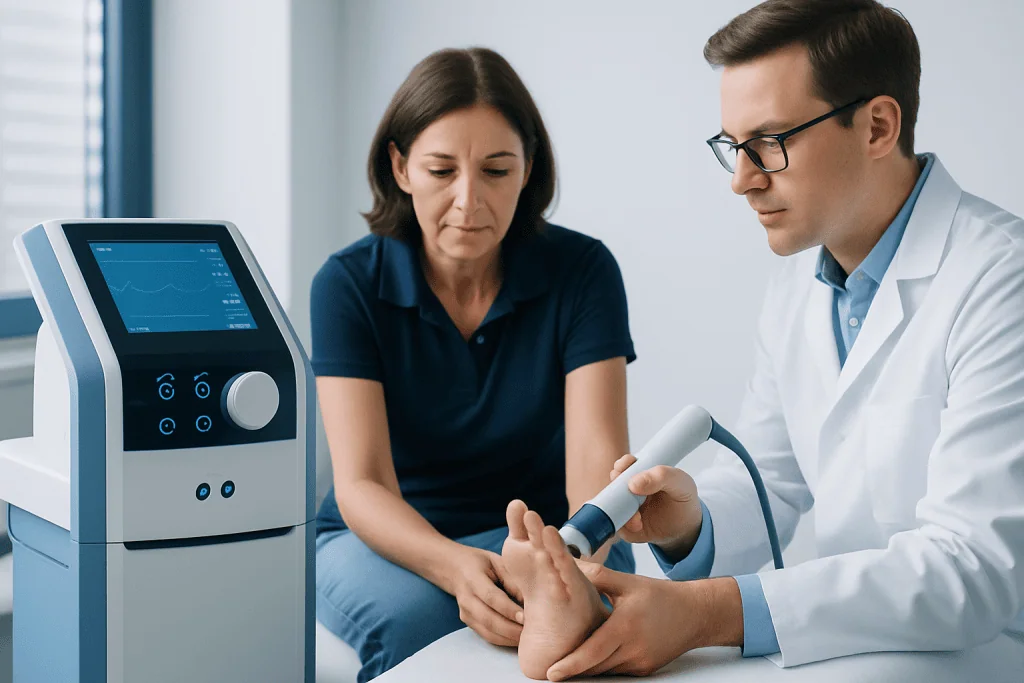
The main symptom of plantar fasciitis is pain under the heel, commonly near the inner side of the heel bone. People often describe it as sharp, stabbing, burning, or deep aching. The pain may be very noticeable when stepping out of bed in the morning, after getting up from a chair, or after driving for a while.
Symptoms can vary depending on activity level and the stage of the condition. Some people feel better after a few minutes of walking, while others notice increasing pain as the day goes on. Running, jumping, long walks on hard surfaces, or standing for many hours can aggravate the heel.
Common features include:
- Pain at the bottom of the heel or along the arch of the foot.
- Morning “first-step” pain or pain after rest.
- Tenderness when pressing on the heel, especially toward the inner side.
- Tightness in the calf or Achilles tendon.
- Symptoms that improve with supportive shoes and worsen when barefoot on hard floors.
Plantar fasciitis does not usually cause visible bruising, major swelling, numbness, or tingling. If these symptoms are present, another cause of heel pain may need to be considered.
Causes and Risk Factors
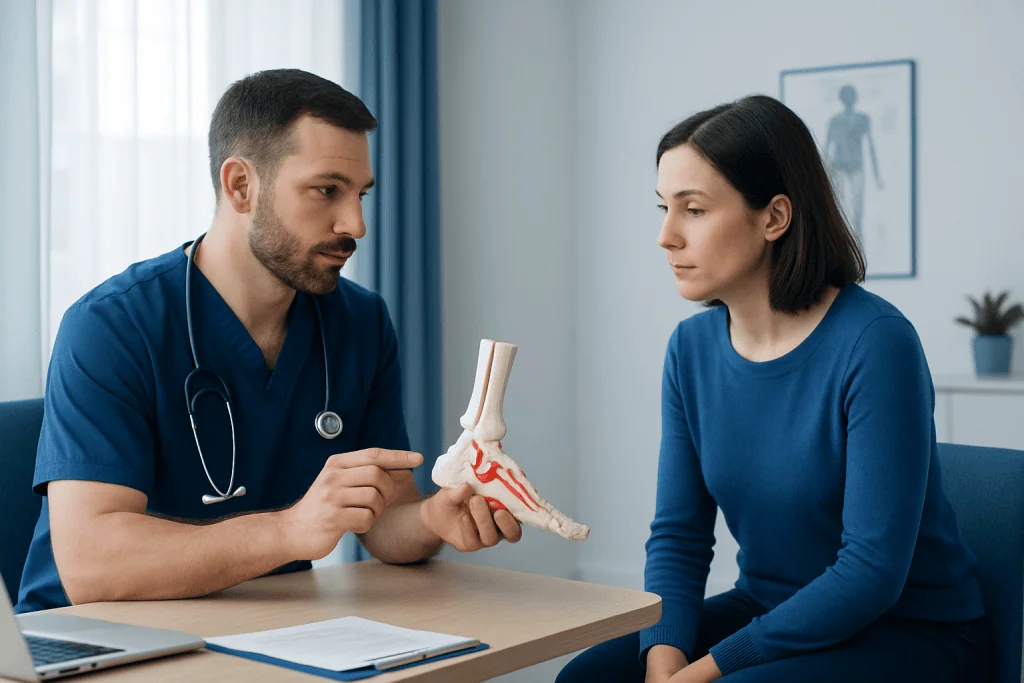
Plantar fasciitis develops when the plantar fascia is exposed to more load than it can comfortably tolerate. Repeated pulling and compression near its attachment to the heel can lead to irritation, small tissue changes, and pain. This may happen after a sudden increase in walking or running, a new exercise routine, a change in work demands, or wearing shoes that do not provide enough support.
Foot mechanics also play a role. A very flat arch can increase strain on the fascia, while a high arch may reduce the foot’s ability to absorb shock. Tight calf muscles and a tight Achilles tendon can limit ankle movement, causing the plantar fascia to work harder during walking. Weakness in the foot and hip muscles may also contribute to poor load distribution.
Risk factors that may increase the chance of plantar fasciitis include:
- Prolonged standing or walking on hard surfaces.
- Running, dancing, or sports with repetitive impact.
- Sudden changes in training intensity, distance, or footwear.
- Excess body weight, which increases load through the heel and arch.
- Unsupportive shoes, worn-out athletic shoes, or frequent barefoot walking on hard floors.
- Reduced ankle flexibility, tight calves, or limited foot strength.
Age can also influence risk, as the plantar fascia and heel cushioning may become less resilient over time. However, plantar fasciitis can occur in active adults of many ages, including athletes and people with physically demanding jobs.
Diagnosis
Plantar fasciitis is usually diagnosed through a careful medical history and physical examination. A doctor or physiotherapist will ask where the pain is located, when it occurs, what activities make it worse, and what has already been tried. The pattern of first-step pain and tenderness at the bottom inner heel is often strongly suggestive.
During the examination, the clinician may press along the heel and arch, check ankle and toe movement, assess calf tightness, and observe walking pattern or foot posture. They may also evaluate for other causes of heel pain, such as a stress fracture, nerve entrapment, Achilles tendon problems, heel pad irritation, arthritis, or referred pain from the back.
Imaging is not always necessary. X-rays may be used if there is a history of injury, severe pain, or concern for bone conditions. Ultrasound or MRI may be considered when symptoms are persistent, the diagnosis is unclear, or treatment is not helping as expected. A heel spur may appear on an X-ray, but heel spurs are common and do not always cause pain; treatment usually focuses on the plantar fascia and overall foot mechanics rather than the spur itself.
Treatment Options
Most cases of plantar fasciitis improve with conservative treatment, but recovery can take time. The goal is to reduce excessive strain on the plantar fascia while improving flexibility, strength, and support. A combination of measures is usually more effective than relying on one treatment alone.
Early management often includes relative rest from aggravating activities, ice after activity, and temporary changes to exercise. Low-impact activities such as cycling, swimming, or elliptical training may help maintain fitness while reducing heel impact. Over-the-counter pain relievers or anti-inflammatory medicines may be used by some people, but they are not suitable for everyone and should be discussed with a healthcare professional, especially for those with stomach, kidney, heart, bleeding, or medication-related concerns.
Stretching is a central part of treatment. Calf stretching, Achilles tendon stretching, and specific plantar fascia stretching can reduce tension on the heel. Physical therapy may include manual therapy, taping, strengthening of the foot and lower limb, gait advice, and a gradual return-to-activity program. Supportive shoes, cushioned heel cups, arch supports, or custom orthotics may reduce symptoms by improving load distribution.
For symptoms that persist despite a well-followed conservative plan, additional options may be considered. Night splints can keep the ankle and toes gently stretched during sleep, reducing morning pain for some people. Corticosteroid injections may provide short-term relief in selected cases, but they carry risks such as tissue weakening and are used cautiously. Extracorporeal shockwave therapy may be offered for chronic plantar fasciitis in some settings. Surgery is rarely needed and is generally reserved for severe, long-lasting cases that do not respond to comprehensive non-surgical care.
Prevention and Self-Care
Self-care can help relieve symptoms and reduce the chance of recurrence. One of the most important steps is choosing footwear that supports the arch and cushions the heel. Shoes should fit well, feel stable, and be appropriate for the activity. Worn-out athletic shoes should be replaced, as reduced cushioning and support can increase strain on the plantar fascia.
Stretching and strengthening should be gradual and consistent. Gentle calf stretches, towel stretches, and plantar fascia stretches before the first steps in the morning may reduce pain. Strengthening the small muscles of the foot, along with hip and calf strengthening, can improve how forces travel through the leg and foot. A physiotherapist can tailor exercises to a person’s foot shape, activity level, and symptoms.
Helpful self-care habits include:
- Avoiding sudden increases in running distance, walking time, or high-impact exercise.
- Using supportive slippers or shoes at home rather than walking barefoot on hard floors.
- Applying ice to the heel for short periods after activity if it feels sore.
- Maintaining a healthy body weight where appropriate to reduce load through the feet.
- Returning to sport gradually and reducing activity if pain increases the next day.
Self-care should not be painful. Mild pulling during stretching can be normal, but sharp or worsening pain is a sign to stop and seek guidance. With patience and consistency, many people notice steady improvement, although healing may occur gradually rather than immediately.
When to See a Doctor
A healthcare professional should assess heel pain that is severe, worsening, or not improving after a few weeks of appropriate self-care. Medical evaluation is also important if pain began after a fall, twist, or direct injury; if there is difficulty bearing weight; or if pain is present even at rest or at night. These features may suggest another diagnosis that needs different management.
Prompt medical advice is recommended if heel pain is accompanied by significant swelling, redness, warmth, fever, open wounds, numbness, tingling, or changes in skin color. People with diabetes, circulation problems, inflammatory arthritis, or nerve disorders should seek care earlier, as foot problems can require more careful monitoring.
International patients who need assessment for persistent heel pain can be evaluated by multidisciplinary orthopedic, rehabilitation, and imaging specialists at Acibadem International’s JCI-accredited hospitals. The most appropriate plan depends on the individual diagnosis, activity goals, general health, and response to previous treatment.
Outlook and Recovery
The outlook for plantar fasciitis is generally favorable. Many people recover with non-surgical treatment, especially when they address both symptoms and contributing factors such as calf tightness, training errors, footwear, and prolonged standing. Improvement often occurs gradually, and symptoms may fluctuate with activity changes.
Recovery time varies from person to person. Mild cases may settle relatively quickly, while long-standing cases may require several months of consistent care. A common reason for slow recovery is returning too quickly to high-impact activities before the fascia has adapted. A step-by-step plan helps reduce setbacks.
Long-term success usually depends on maintaining foot and calf flexibility, wearing supportive footwear, and building strength progressively. If heel pain returns, early adjustments in activity and support can often prevent a full flare-up. Persistent symptoms should be reviewed to confirm the diagnosis and consider additional treatment options.
Frequently asked questions
What does plantar fasciitis pain feel like?
Plantar fasciitis usually feels like sharp, stabbing, or aching pain under the heel. It is often worst with the first steps in the morning or after sitting, then may ease as the foot warms up. Pain can return after long periods of standing, walking, or exercise.
Is a heel spur the same as plantar fasciitis?
No. A heel spur is a bony growth that may be seen on an X-ray, while plantar fasciitis involves irritation of the plantar fascia. Many people with heel spurs have no pain, and many people with plantar fasciitis do not need treatment directed at the spur itself.
Can plantar fasciitis go away on its own?
Some mild cases improve with time, but symptoms often settle faster when the underlying strain is addressed. Supportive shoes, stretching, activity modification, and strengthening can help the plantar fascia recover. Persistent pain should be assessed by a qualified healthcare professional.
What shoes are best for plantar fasciitis?
Shoes that provide good arch support, cushioning under the heel, and a stable fit are often helpful. Very flat, unsupportive shoes or worn-out athletic shoes may worsen symptoms. Some people benefit from heel cups, arch supports, or custom orthotics based on their foot mechanics.
Should someone with plantar fasciitis stop exercising?
Complete rest is not always necessary, but painful high-impact activity may need to be reduced temporarily. Low-impact exercise such as swimming or cycling may be better tolerated while symptoms improve. A gradual return to walking, running, or sport is usually recommended.
Are injections needed for plantar fasciitis?
Injections are not the first treatment for most people. They may be considered when symptoms persist despite a structured conservative program, but potential benefits and risks should be discussed with a doctor. Stretching, physical therapy, footwear changes, and orthotic support are usually tried first.
When is surgery considered for plantar fasciitis?
Surgery is rarely needed and is generally considered only for severe, long-lasting symptoms that do not improve after comprehensive non-surgical treatment. Before surgery, the diagnosis should be reviewed carefully and other causes of heel pain should be excluded. A specialist can explain the potential benefits, limitations, and recovery process.
References
- American Academy of Orthopaedic Surgeons
- Mayo Clinic
- National Institute for Health and Care Excellence
- American College of Foot and Ankle Surgeons
- BMJ Best Practice
This article is for general information only and is not a substitute for professional medical advice. Please consult a qualified doctor about your individual situation.
Explore treatments in Turkey — costs, top hospitals & a free quote
JCI-accredited · board-certified surgeons · reply within 24h
Add us as a Preferred Source to see more of our trusted health content across Google Search, AI Overviews and Discover.

Orthopedics & Spine
Care for bones, joints and the musculoskeletal system, including joint replacement, sports injuries and trauma.
125 specialists in this unit