High Blood Pressure: Home Monitoring, Risks, and Treatment

High blood pressure often has no symptoms, so regular measurement is essential. Home blood pressure monitoring can help confirm patterns and guide treatment decisions.
Key Takeaways
- High blood pressure often has no symptoms, so regular measurement is essential.
- Home blood pressure monitoring can help confirm patterns and guide treatment decisions.
- Lifestyle changes such as reducing salt, staying active, and limiting alcohol can meaningfully support blood pressure control.
- Some people need medication, and treatment plans are individualized according to overall cardiovascular risk.
- Very high readings or symptoms such as chest pain, severe shortness of breath, or neurological changes require urgent medical attention.
High blood pressure, also called hypertension, is common and often silent, but it can be managed effectively with accurate monitoring, healthy habits, and medical care. Understanding home readings and treatment options helps patients work confidently with their doctor to reduce long-term health risks.
Overview
High blood pressure, or hypertension, means that the force of blood pushing against the artery walls remains higher than is healthy over time. Blood pressure is recorded as two numbers: systolic pressure, the top number, when the heart pumps; and diastolic pressure, the bottom number, when the heart relaxes between beats. A single elevated reading does not always mean a person has hypertension, but repeated high readings should be discussed with a qualified healthcare professional.
Hypertension is important because it can place extra strain on the heart, blood vessels, kidneys, brain, and eyes. The reassuring news is that blood pressure can usually be improved. Many people manage it successfully through lifestyle measures, medication when needed, and ongoing follow-up.
Home blood pressure monitoring has become a helpful part of care. When done correctly, it gives doctors a clearer picture of daily patterns outside the clinic and can help identify white-coat hypertension, where readings are higher in medical settings, or masked hypertension, where clinic readings appear normal but home readings are elevated.
Symptoms and Why Monitoring Matters
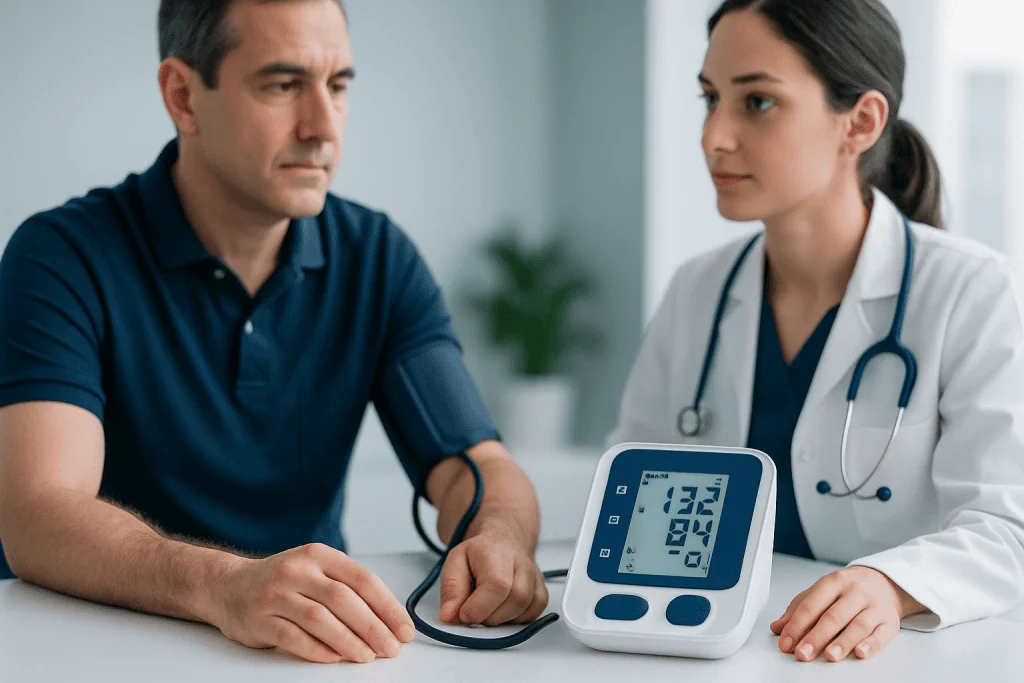
High blood pressure is often called silent because many people feel completely well even when their readings are consistently elevated. Headache, dizziness, nosebleeds, or facial flushing are sometimes blamed on blood pressure, but these symptoms are not reliable indicators. The only dependable way to know blood pressure is to measure it with a validated device.
Monitoring matters because untreated hypertension can gradually contribute to serious health problems. These may include heart attack, heart failure, stroke, kidney disease, peripheral artery disease, and vision problems. Good control reduces strain on the cardiovascular system and supports long-term health.
Patients should not feel discouraged by occasional higher readings. Blood pressure naturally changes throughout the day due to stress, caffeine, exercise, sleep, pain, temperature, and medications. Doctors look for patterns over time rather than judging health from one number alone, unless a reading is very high or accompanied by concerning symptoms.
How to Monitor Blood Pressure at Home

For home monitoring, an automatic upper-arm cuff is usually preferred because it tends to be more reliable than wrist or finger devices when used correctly. The cuff should fit the arm size, and the device should be validated by recognized medical or hypertension organizations. Patients can bring the monitor to a clinic visit to compare it with a professional reading and learn proper technique.
Before measuring, the person should avoid smoking, caffeine, exercise, and heavy meals for about 30 minutes if possible. They should sit quietly for five minutes with the back supported, feet flat on the floor, legs uncrossed, and the arm supported at heart level. The cuff should be placed on bare skin, not over clothing, and talking should be avoided during measurement.
A practical approach is to take two readings one minute apart in the morning and evening for several days, especially before a medical appointment or after a treatment change. The results should be recorded with the date, time, and any notes such as missed medication, stress, or illness. Patients should follow their doctor’s specific instructions, as not everyone needs to measure daily.
- Use the same arm each time unless a doctor advises otherwise.
- Keep a written log or use a trusted digital app if available.
- Do not change or stop medication based only on home readings without medical advice.
- Seek guidance if the cuff is painful, readings vary widely, or the device gives frequent errors.
Causes and Risk Factors
Most adults with hypertension have primary, or essential, hypertension. This means there is no single identifiable cause; instead, blood pressure rises due to a combination of genetics, aging, lifestyle, and changes in blood vessel function. Family history can increase risk, but it does not mean high blood pressure is unavoidable.
Several modifiable factors can contribute to high blood pressure. These include a high-salt diet, excess weight, physical inactivity, frequent alcohol intake, poor sleep, chronic stress, and tobacco use. Diets low in potassium-rich foods such as fruits, vegetables, beans, and some dairy products may also affect blood pressure, although people with kidney disease should ask a doctor before increasing potassium.
Secondary hypertension is caused by another condition or medication. Possible causes include kidney disease, sleep apnea, thyroid or adrenal disorders, certain pain relievers, decongestants, steroids, stimulant medications, and some hormonal treatments. When blood pressure begins suddenly, is difficult to control, or occurs at a young age, a doctor may investigate for secondary causes.
Diagnosis and Risk Assessment
Diagnosis is based on repeated blood pressure measurements taken correctly, either in the clinic, at home, or with ambulatory monitoring over 24 hours. Medical guidelines may use slightly different thresholds, but healthcare professionals consider the overall pattern and the patient’s full health profile. They may also review whether readings are elevated in one setting but normal in another.
A doctor will usually assess cardiovascular risk factors such as age, family history, cholesterol levels, diabetes, smoking, kidney function, weight, and previous heart or stroke events. This helps determine how urgently treatment should begin and whether medication is recommended in addition to lifestyle changes.
Tests may include blood and urine tests, an electrocardiogram, cholesterol testing, kidney function assessment, and sometimes imaging or sleep evaluation when indicated. These tests do not simply confirm high blood pressure; they help identify related conditions, possible causes, and early effects on organs so that care can be tailored safely.
Treatment Options
Treatment for high blood pressure is individualized. For some patients with mildly elevated readings and low overall risk, lifestyle changes may be the first step with close follow-up. For others, especially those with higher readings, diabetes, kidney disease, or established cardiovascular disease, medication may be recommended earlier to reduce risk.
Lifestyle measures are a foundation of treatment. Helpful steps include reducing salt intake, eating a balanced diet rich in vegetables and fruits, choosing whole grains, limiting highly processed foods, maintaining a healthy weight, being physically active, moderating alcohol, avoiding tobacco, and improving sleep quality. Even when medication is needed, these habits can improve response to treatment.
Common medication groups include diuretics, ACE inhibitors, angiotensin receptor blockers, calcium channel blockers, beta blockers, and other agents used in specific situations. The choice depends on age, other medical conditions, possible side effects, pregnancy considerations, kidney function, and current medications. It is common for treatment to be adjusted over time or for more than one medication to be used at low doses.
Patients should take blood pressure medicines exactly as prescribed and report side effects rather than stopping suddenly. If a dose is missed, they should follow the plan provided by their clinician or pharmacist. Regular follow-up helps ensure that treatment is effective, well tolerated, and matched to the patient’s changing health needs.
Prevention, Self-Care, and When to See a Doctor
Prevention and self-care focus on daily habits that support healthy blood vessels. A heart-healthy eating pattern, regular movement, weight management when appropriate, and not smoking are especially important. Stress management techniques such as breathing exercises, walking, counseling, mindfulness, or improving work-life routines may also help, although they are not a substitute for medical treatment when blood pressure is high.
Patients should see a doctor if home readings are repeatedly above the target set for them, if readings are consistently higher than expected, or if they are unsure whether their monitor is accurate. Medical review is also important before pregnancy, during pregnancy, when starting new medications, or when conditions such as diabetes, kidney disease, or sleep apnea are present.
Urgent medical care is needed if very high blood pressure occurs with symptoms such as chest pain, severe shortness of breath, fainting, sudden weakness or numbness, confusion, difficulty speaking, severe new headache, or vision changes. Without these symptoms, a high reading should usually be repeated after resting, then discussed promptly with a healthcare professional if it remains very elevated.
For international patients seeking evaluation, Acibadem International’s multidisciplinary specialists and JCI-accredited hospitals diagnose and treat hypertension and related cardiovascular conditions. Care may involve cardiology, nephrology, endocrinology, nutrition, and primary care teams, depending on the patient’s needs.
Frequently asked questions
What is considered high blood pressure?
Blood pressure categories vary slightly between guidelines, but hypertension generally means repeated readings above the healthy range. Doctors interpret readings based on the person’s age, medical history, and cardiovascular risk. A single high reading should usually be rechecked, while consistently elevated readings should be reviewed by a healthcare professional.
Is home blood pressure monitoring accurate?
Home monitoring can be accurate when a validated upper-arm device is used with the correct cuff size and proper technique. Sitting quietly, supporting the arm at heart level, and avoiding talking during the measurement all improve reliability. Patients should bring their monitor to a clinic visit periodically to compare readings.
Can high blood pressure be treated without medication?
Some people can improve mildly elevated blood pressure with lifestyle changes, especially when overall cardiovascular risk is low. However, others need medication to reach safe targets, and this does not mean they have failed. The best plan depends on repeated readings, risk factors, and medical conditions.
How often should blood pressure be checked at home?
The schedule depends on the reason for monitoring. A doctor may recommend twice-daily readings for a short period before appointments or after medication changes, then less frequent checks once blood pressure is stable. Measuring too often can cause unnecessary worry, so patients should follow a practical plan.
What should a person do if a home reading is high?
The person should sit quietly, relax, and repeat the reading after a few minutes using correct technique. If readings remain repeatedly high, they should contact their doctor for advice rather than changing medication independently. If a very high reading occurs with chest pain, severe breathlessness, neurological symptoms, or vision changes, urgent medical care is needed.
Do blood pressure medicines need to be taken for life?
Some patients need long-term medication, while others may reduce or change treatment if lifestyle changes and health conditions improve. Decisions should always be made with a doctor because stopping medication suddenly can cause blood pressure to rise again. Regular follow-up helps determine the safest ongoing plan.
References
- World Health Organization
- American Heart Association
- European Society of Cardiology
- National Institute for Health and Care Excellence
- Centers for Disease Control and Prevention
This article is for general information only and is not a substitute for professional medical advice. Please consult a qualified doctor about your individual situation.
Heart care in Turkey — expert evaluation and treatment
JCI-accredited · board-certified surgeons · reply within 24h
Add us as a Preferred Source to see more of our trusted health content across Google Search, AI Overviews and Discover.
Check your numbers in seconds
BMI, calories, due date, blood pressure and 30+ more clinical calculators — free, instant, doctor-reviewed ranges.