Menopause
Menopause is the natural end of menstrual cycles. Learn about menopause symptoms, causes, diagnosis, treatment options and when to seek care.

Quick answer
Menopause is the natural stage when menstrual periods stop permanently as hormone levels change, often causing symptoms such as hot flashes, sleep problems, mood changes, and vaginal dryness. At Acibadem in Turkey, menopause care focuses on confirming the diagnosis, evaluating symptom severity and related health risks, and creating an individualized treatment plan that may include lifestyle measures, non-hormonal options, or…
Menopause is the natural life stage when menstrual periods stop permanently because the ovaries produce lower levels of estrogen and progesterone. It is usually diagnosed after 12 consecutive months without a period, when pregnancy or another medical cause has been excluded.
Overview
Menopause is the permanent end of menstrual periods caused by the natural decline in ovarian hormone production. A person is considered to have reached menopause after 12 months in a row without a menstrual period, provided there is no pregnancy, medication effect or medical condition explaining the change.
The years leading up to menopause are called perimenopause. During this time, hormone levels can rise and fall unpredictably, so periods may become closer together, farther apart, lighter or heavier. After the final menstrual period, the stage is called postmenopause.
Menopause most often occurs in midlife, but the timing varies from person to person. It may also occur earlier after surgery to remove the ovaries, certain cancer treatments or some medical conditions. Although menopause is natural, symptoms can be significant and are treatable with individualized medical care.
Symptoms
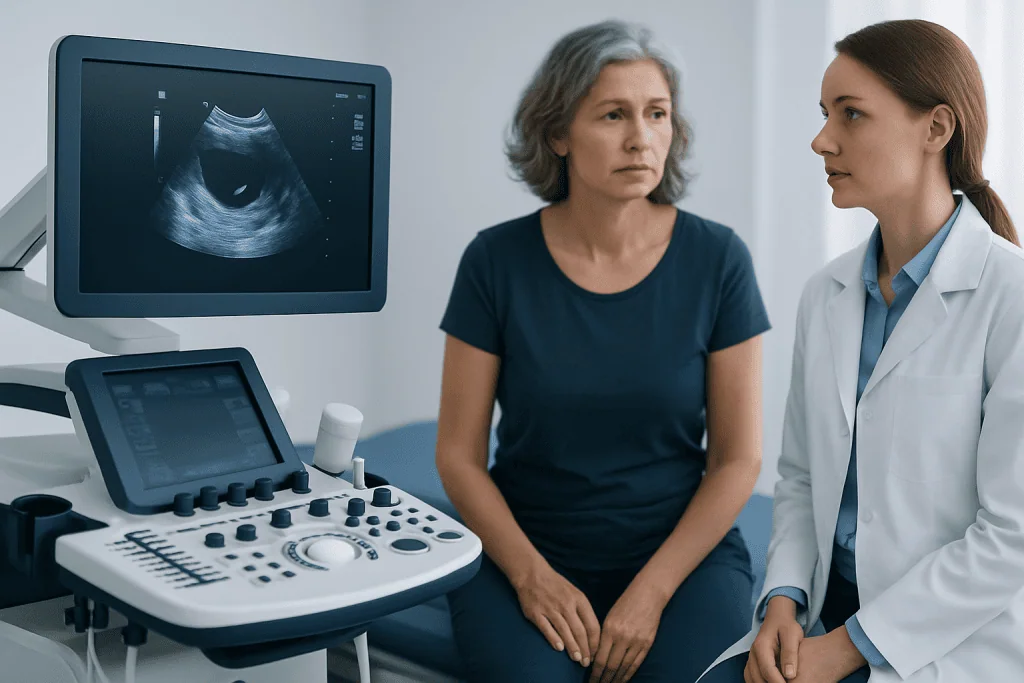
Menopause symptoms are mainly related to changing estrogen levels, but not every person experiences them in the same way. Some have mild symptoms for a short time, while others have symptoms that affect sleep, work, relationships or emotional well-being.
Common symptoms during perimenopause and menopause include:
- Irregular menstrual periods before they stop completely
- Hot flashes or sudden feelings of heat
- Night sweats and sleep disturbance
- Mood changes, irritability or anxiety
- Vaginal dryness, discomfort during sex or lower sexual desire
- Urinary urgency, recurrent urinary discomfort or leakage
- Brain fog, reduced concentration or memory complaints
- Joint aches, headaches or changes in skin and hair
After menopause, the lining of the vagina and urinary tract can become thinner and drier, a condition often described as genitourinary syndrome of menopause. This can cause dryness, burning, itching, pain with intercourse and urinary symptoms. These symptoms are common and can be discussed with a gynecologist without embarrassment.
Bleeding patterns deserve special attention. Irregular periods are common in perimenopause, but very heavy bleeding, bleeding after sex, bleeding between periods or any bleeding after 12 months without a period should be assessed by a doctor.
Causes & Risk Factors
The usual cause of menopause is natural aging of the ovaries. Over time, the ovaries produce fewer eggs and lower amounts of estrogen and progesterone. These hormonal changes lead to less frequent ovulation, irregular cycles and eventually the permanent end of periods.
Menopause can also happen because of medical or surgical causes. Removal of both ovaries causes immediate menopause. Chemotherapy, pelvic radiotherapy and some medications may damage ovarian function temporarily or permanently. When menopause occurs before the age of 40, it is called premature ovarian insufficiency and needs specialist evaluation.
Factors that may influence the timing or experience of menopause include family history, smoking, certain autoimmune conditions, previous ovarian surgery and some cancer treatments. Body weight, stress, sleep quality and general health can also affect how symptoms are felt, although they do not fully determine when menopause occurs.
Lower estrogen levels after menopause can contribute to long-term health changes. Bone density may decrease, increasing the risk of osteoporosis, and cardiovascular risk can change with age and other factors such as blood pressure, cholesterol, diabetes, weight and smoking. Preventive care becomes especially important in the postmenopausal years.
Diagnosis
Menopause is usually diagnosed clinically, meaning the doctor relies on menstrual history, age and symptoms. In a person at the typical age with 12 consecutive months without a period, routine hormone testing is often not necessary.
Blood tests may be recommended when menopause occurs unusually early, symptoms are unclear, periods stop before the expected age or another condition is suspected. Tests may include hormone levels, thyroid function, pregnancy testing or other assessments depending on the situation. Hormone levels can fluctuate during perimenopause, so a single result may not fully explain symptoms.
A gynecological evaluation may include a pelvic examination, cervical screening if due, breast health review and discussion of sexual, urinary and emotional symptoms. If bleeding is heavy, prolonged or occurs after menopause, the doctor may recommend ultrasound or sampling of the uterine lining to rule out polyps, fibroids, overgrowth of the lining or other conditions.
Diagnosis is also an opportunity to assess overall health. A clinician may review blood pressure, weight, cholesterol, blood sugar, bone health, medications, family history and lifestyle factors. This helps create a care plan that supports symptom relief and long-term well-being.
Treatment Options
Treatment for menopause depends on symptoms, medical history, personal preferences and individual risk factors. The right approach should be decided with a gynecologist or menopause specialist after assessment. The goal is to reduce troublesome symptoms, protect long-term health and improve quality of life.
Lifestyle measures can help many people, especially for hot flashes, sleep and general health. These may include maintaining a cool sleep environment, dressing in layers, limiting personal triggers such as alcohol or spicy foods, regular physical activity, weight management if needed, smoking cessation and relaxation techniques. Strength training and weight-bearing exercise support bone and muscle health.
Hormone therapy may be considered for selected people with moderate to severe hot flashes, night sweats or menopause-related vaginal and urinary symptoms. It can be given in different forms, and the safest choice depends on factors such as age, time since menopause, uterus status, personal and family medical history and risk of blood clots, stroke, breast cancer or heart disease. Hormone therapy is not suitable for everyone, so specialist guidance is essential.
Non-hormonal options may be recommended when hormone therapy is not preferred or not appropriate. These can include non-hormonal medicines for hot flashes, vaginal moisturizers or lubricants, pelvic floor physiotherapy, sexual health counseling, sleep support, psychological therapies and treatment for osteoporosis risk when indicated. Surgery is not a treatment for natural menopause itself, but gynecologic procedures may be needed if separate conditions such as abnormal uterine bleeding, fibroids or pelvic organ prolapse are present.
Living With / Prognosis
Menopause is a long-term life stage, and most symptoms improve over time. Some symptoms, especially vaginal dryness, urinary symptoms and bone density loss, may persist or develop later without care. Regular follow-up helps address these concerns early and maintain good health.
Daily self-care can make a meaningful difference. Balanced nutrition with adequate calcium and vitamin D, regular movement, sleep routines, stress management and avoiding tobacco support bones, heart health and mood. Screening tests such as mammograms, cervical screening when appropriate, blood pressure checks and bone density testing should be followed according to medical advice.
Emotional and sexual health are important parts of menopause care. Mood changes, low desire, discomfort during sex and relationship concerns are common reasons to seek help. Open discussion with a clinician can lead to practical treatments and reassurance that these concerns are valid and manageable.
For international patients seeking coordinated evaluation, Acibadem International provides care through multidisciplinary specialists in JCI-accredited hospitals, including gynecology, endocrinology, cardiology, radiology and rehabilitation services when needed. Care decisions should always be based on a personal medical assessment.
When to See a Doctor
A doctor should be consulted when menopausal symptoms interfere with sleep, mood, sexual comfort, work or daily activities. Medical advice is also helpful when a person is unsure whether symptoms are due to menopause or another condition such as thyroid disease, anemia, depression, infection or pregnancy during perimenopause.
Prompt gynecological assessment is recommended for bleeding after menopause, bleeding after sex, very heavy or prolonged bleeding, bleeding between periods or pelvic pain. These symptoms are not always serious, but they should be evaluated to identify treatable causes and rule out conditions that need timely care.
Specialist care is important if periods stop before age 40, or before 45 with significant symptoms, because early loss of estrogen can affect bones, heart health and fertility options. People with a history of breast cancer, blood clots, stroke, liver disease, unexplained bleeding or complex medical conditions should seek individualized advice before using any hormone-based treatment.
Frequently asked questions
What is menopause?
Menopause is the permanent end of menstrual periods due to reduced ovarian hormone production. It is diagnosed after 12 consecutive months without a period, as long as another cause has been excluded.
What is the difference between perimenopause and menopause?
Perimenopause is the transition phase before the final menstrual period, when hormone levels fluctuate and periods often become irregular. Menopause refers to the point reached after 12 months with no period. Postmenopause is the stage after menopause.
Are hot flashes and night sweats normal in menopause?
Yes, hot flashes and night sweats are common menopause symptoms and are related to changes in the body temperature regulation system. They are not dangerous in most cases, but they can disrupt sleep and daily life. A doctor can discuss lifestyle measures, non-hormonal options and hormone therapy when appropriate.
Can a person still get pregnant during perimenopause?
Pregnancy can still occur during perimenopause if ovulation happens, even when periods are irregular. People who do not wish to become pregnant should discuss contraception with a healthcare professional until menopause is confirmed.
Is hormone therapy safe for menopause symptoms?
Hormone therapy can be effective for selected people, particularly for hot flashes and night sweats, but it is not suitable for everyone. Safety depends on age, time since menopause, personal medical history and risk factors. A specialist should assess benefits and risks before treatment is started.
Why is bleeding after menopause important?
Any bleeding after menopause should be checked by a gynecologist. Many causes are benign, such as thinning vaginal tissue or polyps, but evaluation is needed to rule out problems in the uterine lining or other conditions.
Can menopause affect bones and heart health?
Lower estrogen levels after menopause can contribute to bone loss, and cardiovascular risk changes with age and other health factors. Regular check-ups, exercise, healthy nutrition, not smoking and treatment when indicated help protect long-term health.
References
- World Health Organization
- The North American Menopause Society
- American College of Obstetricians and Gynecologists
- National Institute for Health and Care Excellence
- International Menopause Society
This article is for general information only and is not a substitute for professional medical advice. Please consult a qualified doctor about your individual situation.
Treatments for This Condition
Doctors Who Treat This Condition





Related Articles

Embryo Donation in IVF: Who May Consider It and How the Process Works

Ectopic Pregnancy After IVF: Symptoms, Risk Factors, and Early Monitoring
Ectopic Pregnancy: A Complete Clinical Guide for Patients

IVF Risks and Side Effects: What Patients Should Know Before Treatment

Unexplained Recurrent Miscarriage: When IVF Testing May Help

IVF After Tubal Ligation: Is Treatment Still Possible?

IVF With Blocked Sperm Retrieval: TESE, ICSI, and Treatment Planning

Fertility Tests Before IVF: Which Results Matter Most?

Endometrial Receptivity in IVF: Why the Uterine Lining Matters

When Is IVF a Good Option for Tubal Infertility?

What Happens During Egg Retrieval in IVF?