IVF After Tubal Ligation: Is Treatment Still Possible?

IVF can help many people conceive after tubal ligation because it bypasses the fallopian tubes. Tubal ligation reversal is another option for some patients, but it is not suitable for everyone.
Key Takeaways
- IVF can help many people conceive after tubal ligation because it bypasses the fallopian tubes.
- Tubal ligation reversal is another option for some patients, but it is not suitable for everyone.
- A fertility evaluation usually includes ovarian reserve testing, semen analysis, and imaging of the uterus and tubes.
- The success of treatment depends on several factors, especially age and overall reproductive health.
- A doctor should assess the risk of complications such as hydrosalpinx or ectopic pregnancy before treatment.
IVF after tubal ligation is often possible because in vitro fertilization does not require the fallopian tubes to be open. The best option depends on age, ovarian reserve, the type of sterilization performed, and any other fertility factors affecting either partner.
Overview
IVF after tubal ligation is often a realistic option for people who want to become pregnant after permanent contraception. Tubal ligation blocks, clips, cuts, seals, or removes part of the fallopian tubes to prevent sperm and egg from meeting. In contrast, IVF works by collecting eggs from the ovaries, fertilizing them in a laboratory, and then placing an embryo directly into the uterus. Because the tubes are bypassed, many patients can still pursue pregnancy through IVF treatment.
Even though tubal ligation is intended to be permanent, life circumstances can change. Some people seek pregnancy after a new relationship, a change in family plans, or regret after sterilization. A fertility specialist can explain whether IVF or surgery to reconnect the tubes may be more appropriate. The answer is individual and depends on the patient’s reproductive health rather than the tubal procedure alone.
It is also important to understand that tubal ligation may not be the only factor affecting fertility. Egg quality, ovarian reserve, sperm health, and uterine conditions all influence the chance of pregnancy. For that reason, a complete fertility workup is usually recommended before choosing a treatment plan.
How IVF Works After Tubal Ligation
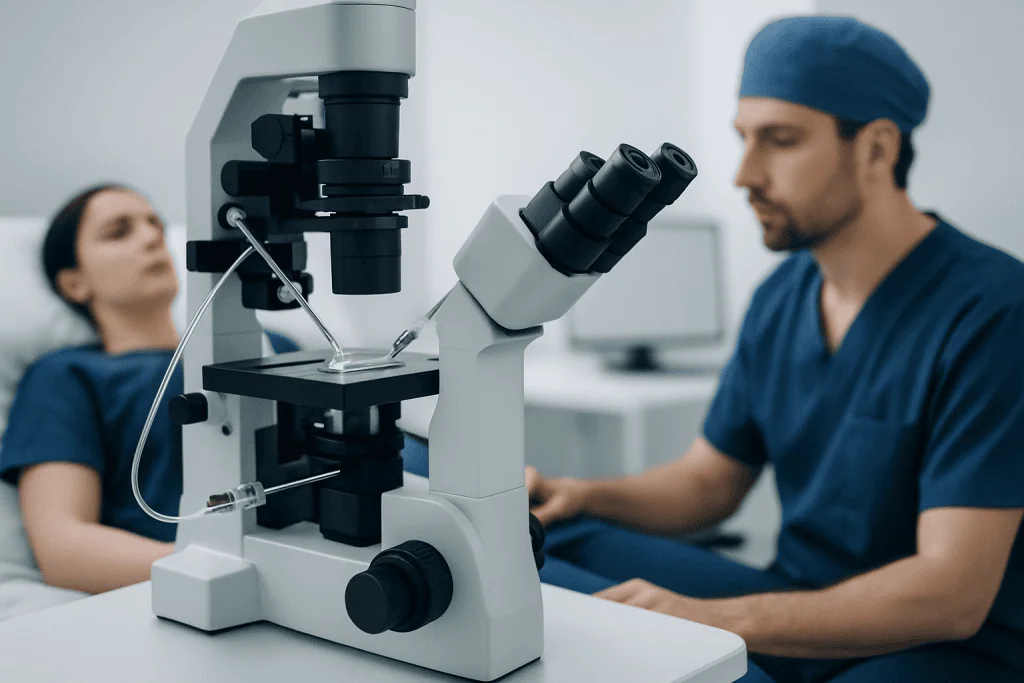
In a natural pregnancy, an egg is released from the ovary and travels through a fallopian tube, where fertilization usually occurs. If the tubes have been blocked or removed, that pathway is interrupted. IVF avoids this step entirely. Eggs are stimulated to mature in the ovaries, retrieved with a minor procedure, fertilized outside the body, and the resulting embryo is transferred into the uterus.
This means tubal ligation itself does not usually prevent IVF from being performed. In many cases, the fallopian tubes do not need to be repaired or reopened for IVF to work. If there is significant tubal damage or fluid buildup in the tubes, however, a doctor may recommend treating that problem before embryo transfer because it can lower implantation chances.
Some patients also need a more advanced fertilization method if there are sperm-related issues. For example, ICSI may be recommended when fertilization needs extra support. The fertility team will tailor the approach based on both partners’ test results, previous fertility history, and treatment goals.
Tubal Ligation Reversal vs IVF

For people hoping to conceive after sterilization, the two main options are tubal ligation reversal and IVF. Tubal reversal is surgery to reconnect the blocked or cut parts of the fallopian tubes. IVF is a non-tubal approach that bypasses the tubes altogether. Neither option is automatically best for everyone.
Reversal may be considered when enough healthy tube remains, the original sterilization method is favorable for repair, and there are no major additional fertility concerns. It may appeal to those who hope for more than one pregnancy without repeating fertility treatment. However, not every tubal ligation can be successfully reversed, and the surgery may not restore normal tubal function.
IVF may be preferred when age is a major factor, when ovarian reserve is reduced, when there are male-factor fertility issues, or when the tubes are badly damaged or removed. It can also be a more direct route to pregnancy for some couples because it does not rely on tubal healing after surgery. A specialist in female infertility can compare the likely benefits, time frame, and limitations of each option.
Another important difference is risk. After tubal reversal, pregnancy can occur naturally, but the risk of ectopic pregnancy may be higher because the embryo must pass through a repaired tube. IVF lowers that tubal risk because the embryo is placed in the uterus, though no fertility treatment is completely without potential complications.
Who May Be a Good Candidate
Many people with a history of tubal ligation may be candidates for IVF, but candidacy depends on overall fertility health. Age is one of the most important factors because egg quality and quantity generally decline over time. A younger patient with good ovarian reserve may respond differently to treatment than an older patient with fewer available eggs.
Doctors also consider menstrual history, prior pregnancies, previous pelvic surgery, uterine health, and hormone levels. Conditions such as premature ovarian insufficiency can affect the chances of using one’s own eggs. Other gynecologic issues, including fibroids, endometrial polyps, or ovulation disorders, may need attention before treatment proceeds.
Male fertility matters too. A semen analysis is usually part of the evaluation because sperm quality can significantly influence treatment planning. In some couples, tubal ligation is only one part of a broader infertility picture, so addressing both partners’ factors gives the clearest path forward.
Diagnosis and Fertility Evaluation
Before starting treatment, a fertility specialist usually performs a detailed assessment. This often begins with a medical history and physical exam, including questions about the type of tubal ligation performed, prior pregnancies, menstrual cycles, and any history of pelvic infection, endometriosis, or surgery. Knowing whether the tubes were clipped, tied, burned, or removed helps guide decisions about reversal versus IVF.
Blood tests may be used to assess ovarian reserve and hormone balance. Common evaluations include anti-Müllerian hormone, follicle-stimulating hormone, estradiol, and thyroid-related tests when appropriate. Ultrasound can help assess the ovaries and uterus, looking for concerns such as ovarian cysts, fibroids, or structural changes that could affect implantation or egg retrieval.
Imaging of the uterus and tubes may also be advised, especially if there is concern about hydrosalpinx, a fluid-filled damaged tube. A hydrosalpinx can reduce IVF success because fluid may leak into the uterus and interfere with implantation. In some cases, surgical removal or blocking of the affected tube is recommended before treatment.
- Review of the original tubal ligation method, if records are available
- Hormone and ovarian reserve testing
- Pelvic ultrasound
- Semen analysis for the male partner or sperm source
- Uterine cavity assessment when needed
- Discussion of reversal surgery versus IVF
Treatment Options and What to Expect
The main treatment options after tubal ligation are IVF and, in selected cases, reversal surgery. During IVF, medications are used to stimulate the ovaries so multiple eggs can mature. The eggs are then retrieved, fertilized in the laboratory, and monitored as embryos develop. One embryo, or sometimes more depending on clinical judgment and local guidance, is transferred into the uterus at the appropriate time.
Some patients may also hear the broader term artificial fertilisation, which includes IVF and related assisted reproductive techniques. The exact protocol depends on age, ovarian reserve, prior response to hormones, embryo plans, and whether fresh or frozen embryo transfer is recommended. If there are uterine abnormalities or tubal fluid issues, these may be treated before embryo transfer.
Tubal reversal involves abdominal or laparoscopic microsurgery to reconnect the tubes. Recovery time and the chance of success vary depending on how much healthy tube remains and how the original sterilization was performed. Even after technically successful surgery, natural conception is not guaranteed, and time to pregnancy can be longer than with IVF for some patients.
When discussing treatment, doctors usually review expected steps, possible side effects, emotional demands, and financial considerations. Patients are often encouraged to ask about the number of visits, whether additional procedures might be needed, and what happens if the first cycle does not result in pregnancy.
Prevention, Self-care, and Preparing for Treatment
There is no way to prevent the need for fertility treatment after a past tubal ligation if pregnancy becomes a goal later on. However, there are helpful steps patients can take to prepare for the best possible treatment journey. These include attending preconception visits, reviewing current medications with a doctor, and managing long-term conditions such as diabetes or thyroid disease.
Healthy lifestyle habits support reproductive health and pregnancy readiness. Maintaining a balanced diet, aiming for regular physical activity, avoiding smoking, limiting alcohol, and getting enough sleep may all be helpful. A doctor may also recommend folic acid or another prenatal supplement before trying to conceive.
It is also wise to address any pelvic symptoms early. A history of infection, chronic pelvic pain, or conditions such as pelvic inflammatory disease may affect fertility planning and should be evaluated promptly. Emotional preparation matters as well, since fertility treatment can bring uncertainty and stress, and counseling or support groups may help some individuals and couples cope.
When to See a Doctor
Anyone considering pregnancy after tubal ligation should speak with a fertility specialist rather than trying to guess which option will work best. A professional assessment can clarify whether IVF, tubal reversal, or another fertility strategy is most appropriate. Early consultation is especially important for patients in their late reproductive years, as age can have a strong effect on treatment outcomes.
Medical advice should also be sought promptly if there are irregular periods, pelvic pain, a history of ectopic pregnancy, recurrent miscarriage, known male-factor infertility, or symptoms suggesting hormonal imbalance. These issues may influence the diagnosis and the safest treatment plan. If pregnancy occurs after reversal surgery or unexpectedly after tubal ligation, prompt evaluation is important to confirm that the pregnancy is in the uterus.
Patients seeking coordinated care may benefit from centers with reproductive endocrinology, gynecology, embryology, and imaging expertise in one place. Acibadem International’s multidisciplinary specialists and JCI-accredited hospitals diagnose and treat fertility conditions for international patients, including people exploring pregnancy after sterilization.
Frequently asked questions
Can someone get pregnant with IVF after tubal ligation?
Yes, many people can become pregnant with IVF after tubal ligation. IVF does not require open fallopian tubes because fertilization happens outside the body and the embryo is placed directly into the uterus.
Is IVF better than tubal ligation reversal?
It depends on the individual situation. Age, ovarian reserve, male fertility, the type of sterilization, and the condition of the tubes all help determine whether IVF or reversal is more suitable.
Does tubal ligation lower IVF success?
Tubal ligation itself does not usually reduce IVF success because the tubes are bypassed. However, damaged tubes with fluid buildup, called hydrosalpinx, can affect implantation and may need treatment first.
What tests are needed before IVF after tubal ligation?
Doctors commonly recommend ovarian reserve testing, hormone blood work, pelvic ultrasound, and semen analysis. Some patients also need imaging of the uterus or tubes to check for hydrosalpinx or other structural concerns.
Is there still a risk of ectopic pregnancy after treatment?
Yes, but the risk differs by treatment type. Ectopic pregnancy is generally a bigger concern after tubal reversal than after IVF, although any early pregnancy should be monitored by a doctor.
Can age affect IVF after tubal ligation?
Yes, age is one of the most important factors in fertility treatment. As age increases, egg quantity and quality may decline, which can influence response to treatment and the chance of pregnancy.
References
- American Society for Reproductive Medicine
- American College of Obstetricians and Gynecologists
- Centers for Disease Control and Prevention
- National Institute for Health and Care Excellence
- World Health Organization
This article is for general information only and is not a substitute for professional medical advice. Please consult a qualified doctor about your individual situation.
IVF & fertility treatment in Turkey — success rates and costs
JCI-accredited · board-certified surgeons · reply within 24h
Add us as a Preferred Source to see more of our trusted health content across Google Search, AI Overviews and Discover.
Check your numbers in seconds
BMI, calories, due date, blood pressure and 30+ more clinical calculators — free, instant, doctor-reviewed ranges.

Related Treatments
Related Conditions
More from the Health Library



Related Specialists

Prof. Dr. Bülent Tıraş
Gynecology & Obstetrics
Prof. Dr. Mete Güngör
Gynecology & Obstetrics
Prof. Dr. Faruk Suat Dede
Gynecology & Obstetrics
Prof. Dr. Tansu Küçük
Gynecology & Obstetrics