Hordeolum
Hordeolum is a painful eyelid bump, often called a stye. Learn symptoms, causes, diagnosis, treatment options and when to seek care.

Quick answer
A hordeolum, or stye, is a localized infection or inflammation of an eyelid gland that causes a tender, red lump near the eyelashes. Treatment depends on whether it is external or internal and may include eyelid hygiene, warm compresses, medications, and drainage when needed; at Acibadem in Turkey, ophthalmologists evaluate the eyelid and plan care according to the cause, severity…
Hordeolum is an acute, usually bacterial infection of an oil gland or eyelash follicle in the eyelid, commonly known as a stye. It typically appears as a tender red bump on the eyelid and often improves with simple care, although persistent or recurrent cases should be assessed by an eye specialist.
Overview
Hordeolum is the medical term for a stye: a sudden, tender lump on the eyelid caused by inflammation and usually infection of an eyelid gland or eyelash follicle. It may develop on the outer edge of the eyelid, close to the eyelashes, or on the inner surface of the eyelid. Although it can be uncomfortable and noticeable, it is usually a localized and treatable eye condition.
There are two main types. An external hordeolum forms near the base of an eyelash and often looks like a small red bump with a central point. An internal hordeolum forms deeper in the eyelid, usually involving an oil-producing meibomian gland, and may cause more diffuse eyelid swelling or tenderness.
A hordeolum is different from a chalazion, although the two can look similar. A hordeolum is typically painful and more acute, while a chalazion is usually a slower-forming, non-infectious blockage that may feel firm and less tender. A doctor or ophthalmologist can distinguish between them and recommend appropriate care.
Symptoms
Hordeolum symptoms usually begin with localized eyelid tenderness, irritation or a feeling that something is rubbing against the eye. A small red swelling then appears on the upper or lower eyelid. The bump may be painful to touch, and the surrounding eyelid can become puffy.
Common symptoms include:
- A red, tender bump on the eyelid
- Swelling of part or all of the eyelid
- Eye watering or mild discharge
- Crusting around the eyelid margin
- Light sensitivity or mild irritation
- A scratchy or foreign-body sensation
Vision is usually not affected, although swelling may temporarily blur vision if it presses on the eye surface or causes extra tearing. Significant vision changes, increasing redness of the eye itself, or swelling spreading beyond the eyelid should not be considered typical and requires medical evaluation.
Causes & Risk Factors
A hordeolum usually develops when an eyelid oil gland or eyelash follicle becomes blocked and inflamed, allowing bacteria normally found on the skin to multiply. The most common organisms are skin bacteria, particularly staphylococcal species. The condition is not usually a sign of poor hygiene, but eyelid irritation and gland blockage can increase the chance of it occurring.
Several factors can make hordeolum more likely. These include chronic eyelid inflammation, known as blepharitis; meibomian gland dysfunction; acne rosacea; a history of previous styes or chalazia; and skin conditions that affect oil glands. People who wear contact lenses or eye makeup may also be at higher risk if lenses, hands or cosmetics are not kept clean.
Practical risk factors include touching or rubbing the eyes frequently, sleeping with eye makeup on, using old or shared eye cosmetics, and not cleaning contact lenses as advised. In some people, repeated hordeola may reflect an underlying eyelid condition rather than repeated new infections alone, which is why recurrent cases deserve an eye examination.
Diagnosis
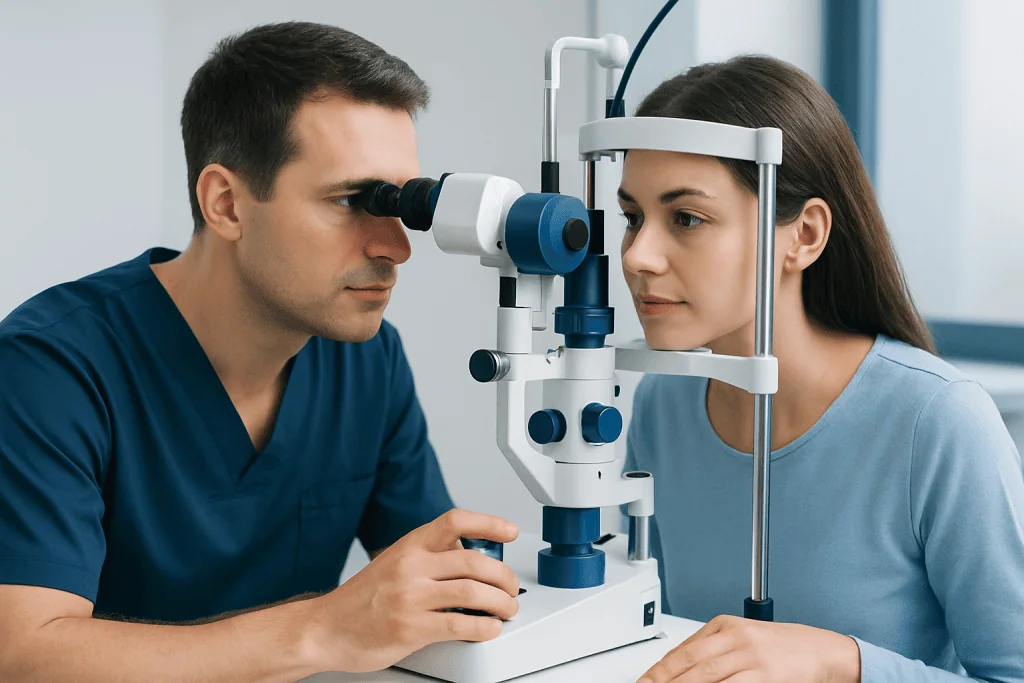
Hordeolum is usually diagnosed through a clinical eye and eyelid examination. The doctor examines the location, appearance and tenderness of the eyelid swelling, checks whether the bump is external or internal, and looks for signs of blepharitis, meibomian gland dysfunction or other eyelid problems.
In most straightforward cases, laboratory tests or imaging are not needed. The clinician may gently evert the eyelid to inspect the inner surface and may assess visual acuity, the eye surface and surrounding tissues. This helps confirm that the problem is limited to the eyelid and not a deeper eye or orbital condition.
Further evaluation may be considered if the swelling is recurrent, unusually firm, does not improve as expected, occurs in the same place repeatedly, or has atypical features. In rare situations, a persistent eyelid lesion may require specialist assessment to rule out other eyelid conditions. This is one reason follow-up is important when a presumed stye does not resolve.
Treatment Options
Treatment for hordeolum depends on its size, location, severity, recurrence pattern and whether there are signs of spreading infection. The right approach should be decided by a qualified doctor or ophthalmologist after assessment, especially when the eyelid is very swollen, symptoms are worsening, or the person has other eye conditions.
For many uncomplicated hordeola, conservative care is the first step. Warm compresses may help soften blocked gland material and support natural drainage. Eyelid hygiene may also be recommended, particularly if blepharitis is present. The eyelid bump should not be squeezed, punctured or popped, because this can increase inflammation and may spread infection.
Medical treatment may be needed in selected cases. A doctor may consider topical or oral medication if there is significant bacterial involvement, associated eyelid inflammation or surrounding skin infection. If a hordeolum is large, persistent or not responding to initial measures, an ophthalmologist may consider a minor office-based procedure to drain it under sterile conditions.
When hordeola recur, treatment often includes managing the underlying eyelid environment, not only the active bump. This may involve a long-term eyelid hygiene plan, treatment of blepharitis or meibomian gland dysfunction, and review of contact lens or cosmetic practices. Patients should follow individualized medical advice rather than starting medications on their own.
Living With / Prognosis
The prognosis for hordeolum is generally good. Many styes improve over several days to a couple of weeks, especially when irritation is minimized and the eyelid is cared for gently. Mild tenderness and swelling often reduce as the blocked gland drains or the inflammation settles.
During recovery, patients are usually advised to avoid rubbing the eye and to keep hands clean before touching the face. Contact lens wear may need to be paused until symptoms settle and a clinician confirms it is safe to resume. Eye makeup should generally be avoided during an active eyelid infection, and old cosmetics should not be reused if contamination is suspected.
Recurrent hordeola can be frustrating but are often manageable once contributing factors are identified. Regular eyelid care, treatment of blepharitis when present, and careful contact lens hygiene can reduce repeated episodes. Acibadem International’s multidisciplinary specialists and JCI-accredited hospitals diagnose and treat eyelid conditions such as hordeolum for international patients, using ophthalmology assessment tailored to each case.
When to See a Doctor
A person should see a doctor if an eyelid bump is very painful, rapidly enlarging, associated with fever, or causing swelling that spreads to the cheek, eyebrow area or around the eye. Medical care is also important if the eye itself becomes very red, if there is increasing discharge, or if vision becomes blurred or reduced.
Prompt ophthalmology assessment is recommended when a presumed hordeolum does not improve, keeps returning, appears repeatedly in the same place, or is accompanied by a firm eyelid lump that persists after tenderness has gone. These features may suggest a chalazion, chronic eyelid inflammation or another eyelid condition requiring different management.
People with diabetes, reduced immune function, previous eye surgery, contact lens-related symptoms or significant eye disease should seek advice earlier. Children with eyelid swelling should also be assessed if symptoms are severe, recurrent or associated with general illness. Early review helps confirm the diagnosis and prevents unnecessary discomfort or complications.
Frequently asked questions
What is a hordeolum?
A hordeolum is a painful, inflamed bump on the eyelid caused by infection or inflammation of an eyelash follicle or eyelid oil gland. It is commonly called a stye. It may form on the outer eyelid edge or inside the eyelid.
Is a hordeolum contagious?
A hordeolum itself is a localized eyelid infection and is not usually considered highly contagious. However, the bacteria involved can spread through direct contact, so hand hygiene is important. People should avoid sharing towels, eye makeup or contact lens supplies during an active episode.
How is hordeolum different from a chalazion?
A hordeolum is usually sudden, red and painful because it involves acute inflammation and often infection. A chalazion is typically a blocked oil gland that becomes a firm, slower-growing lump and is often less painful. An eye doctor can tell the difference during an eyelid examination.
Can a hordeolum go away on its own?
Many uncomplicated hordeola improve with time and gentle supportive care. Warm compresses and good eyelid hygiene may help, but the bump should not be squeezed. If symptoms worsen, persist or recur, medical evaluation is recommended.
When does a stye need medical treatment?
Medical treatment may be needed if swelling is severe, the eyelid is very painful, redness spreads, vision changes, or symptoms do not improve as expected. Recurrent styes should also be assessed to look for blepharitis, meibomian gland dysfunction or other contributing conditions. A specialist can decide whether medication or a minor procedure is appropriate.
Can eye makeup or contact lenses cause hordeolum?
Eye makeup and contact lenses do not directly cause every hordeolum, but poor hygiene can increase the risk of eyelid gland blockage or bacterial contamination. It is helpful to wash hands before handling lenses, follow lens-care instructions and avoid old or shared eye cosmetics. During an active stye, a doctor may advise avoiding lenses or makeup until the eyelid improves.
How can recurrent hordeola be prevented?
Prevention focuses on reducing eyelid inflammation and gland blockage. Regular eyelid hygiene, careful contact lens practices, removing makeup before sleep and managing blepharitis or rosacea may help. People with repeated episodes should see an ophthalmologist for a personalized prevention plan.
References
- American Academy of Ophthalmology
- Mayo Clinic
- National Health Service
- Merck Manual Professional Edition
- StatPearls Publishing
This article is for general information only and is not a substitute for professional medical advice. Please consult a qualified doctor about your individual situation.
Doctors Who Treat This Condition

Prof. Dr. Altan Göktaş
Ophthalmology
Prof. Dr. Ayşe Öner
Ophthalmology
Prof. Dr. Banu Coşar
Ophthalmology
Prof. Dr. Berna Özkan
Ophthalmology
Prof. Dr. Dilaver Erşanlı
Ophthalmology
Prof. Dr. Dilek Güven
Ophthalmology
Prof. Dr. G. Ertuğrul Mirza
Ophthalmology
Prof. Dr. Gökhan Pekel
Ophthalmology
Prof. Dr. Haluk Esgin
Ophthalmology
Dr. Safiye Küçükgül
Ophthalmology
Dr. Sevda Arık Tekin
Ophthalmology