Blepharitis
Blepharitis is eyelid inflammation causing redness, crusting and irritation. Learn symptoms, causes, diagnosis and treatment options.

Quick answer
Blepharitis is inflammation of the eyelid margins that can cause redness, irritation, crusting, and a gritty feeling in the eyes. Treatment focuses on careful eyelid hygiene, artificial tears, and medicines such as antibiotic or anti-inflammatory drops or ointments when needed, with evaluation by Acibadem specialists in Turkey to identify contributing causes and plan care.
Blepharitis is a common inflammation of the eyelid margins, usually where the eyelashes grow, that can cause redness, crusting, burning, itching and watery eyes. It is often long-lasting but can usually be controlled with regular eyelid hygiene and care guided by an eye specialist.
Overview
Blepharitis is inflammation of the eyelid margin, the area at the base of the eyelashes. It can affect one or both eyes and may involve the front of the eyelid, near the eyelashes, or the back of the eyelid, where tiny oil glands open onto the eye surface. Although it can feel uncomfortable and may come back repeatedly, blepharitis is very common and is usually manageable with consistent care.
There are two main patterns. Anterior blepharitis affects the outer eyelid edge and eyelashes, often causing flakes, crusting and redness. Posterior blepharitis is usually related to meibomian gland dysfunction, where the eyelid oil glands do not release oil normally. These glands help keep the tear film stable, so blockage or inflammation can contribute to dry eye symptoms.
Blepharitis is not usually contagious in the everyday sense and does not typically cause permanent vision loss. However, untreated or poorly controlled blepharitis can irritate the eye surface, worsen dry eye, and occasionally contribute to styes, chalazia or corneal irritation. For many people, the goal is not a one-time cure but good long-term control.
Symptoms
Blepharitis symptoms often fluctuate. They may be worse in the morning because eyelid secretions and crusts can build up overnight. Some people describe the eyes as tired, dry, sandy or burning, while others notice visible redness and scaling along the eyelids.
Common blepharitis symptoms include:
- Red, swollen or irritated eyelid edges
- Crusts, flakes or dandruff-like scales at the base of the eyelashes
- Burning, stinging, itching or a gritty sensation
- Watery eyes or dry eye symptoms
- Eyelashes sticking together after sleep
- Sensitivity to contact lenses or eye makeup
- Temporary blurred vision that improves after blinking
- More frequent styes or small eyelid lumps called chalazia
Symptoms can overlap with allergies, dry eye disease, conjunctivitis and other eye conditions. Because treatment depends on the cause and severity, an examination by an ophthalmologist is helpful when symptoms are persistent, recurrent or affecting daily activities.
Causes & Risk Factors
Blepharitis usually develops when the normal balance of the eyelid margin is disturbed. This may involve excess bacteria on the eyelid skin, inflammation around the eyelashes, or blockage and thickening of oils in the meibomian glands. When the tear film becomes less stable, the eye surface can become dry and irritated, which may further aggravate eyelid inflammation.
Several conditions and habits can increase the risk of blepharitis. These include oily skin, dandruff, seborrheic dermatitis, rosacea, eczema, allergies, dry eye disease, contact lens wear, and incomplete removal of eye makeup. In some people, Demodex mites that normally live around hair follicles may contribute to inflammation when present in higher numbers.
Blepharitis can occur at any age, but it is more common in adults and in people with chronic skin or tear film problems. It is not usually caused by poor hygiene, although eyelid hygiene is an important part of control. The condition often has more than one contributing factor, which is why management may need to address both the eyelids and the eye surface.
Diagnosis
Blepharitis is usually diagnosed during an eye examination. The ophthalmologist asks about symptoms, duration, contact lens use, skin conditions, allergies, previous eye infections and any treatments already tried. This history helps distinguish blepharitis from other causes of red or irritated eyes.
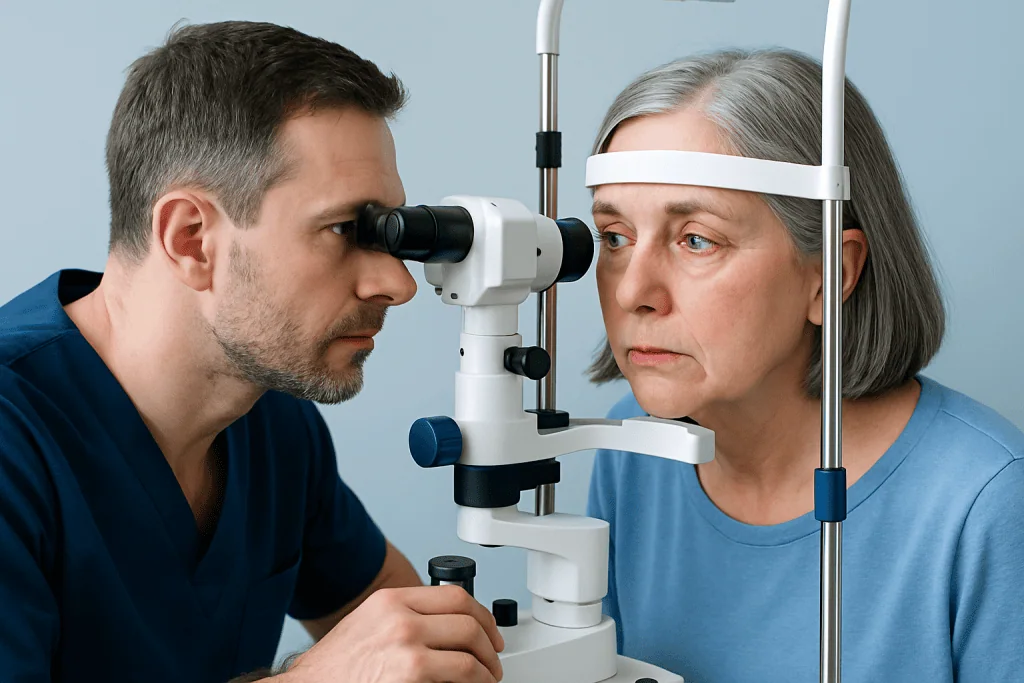
The eye specialist examines the eyelids, eyelashes, tear film and eye surface, often using a slit lamp microscope. The doctor may look for redness, crusting, blocked oil glands, thickened secretions, missing or misdirected eyelashes, styes, chalazia, dry eye signs, or irritation of the cornea. The pattern of findings helps identify whether anterior blepharitis, posterior blepharitis or a mixed form is present.
Additional tests are not always necessary. In selected cases, a doctor may check tear film quality, assess meibomian gland function, examine for eyelash mites, or take a sample if an unusual infection is suspected. If symptoms are one-sided, severe, recurrent in the same area, or associated with an eyelid lesion, further evaluation may be needed to rule out other eyelid disorders.
Treatment Options
Blepharitis treatment is tailored to the type, severity and underlying causes found during assessment. The right approach should be decided by an ophthalmologist or qualified eye care specialist after examining the eyelids and eye surface. Most treatment plans focus on reducing inflammation, improving oil gland function and protecting the tear film.
Regular eyelid hygiene is often the foundation of care. This may include warm compresses to soften eyelid oils, gentle eyelid massage as advised, and careful cleaning of the eyelid margins with suitable products recommended by a clinician. Consistency matters, because blepharitis often improves gradually and may return if lid care is stopped too soon.
Other treatment categories may be recommended when needed. Lubricating eye drops can help relieve dryness and irritation. A doctor may prescribe topical or oral medicines for infection, inflammation, rosacea-related disease or significant meibomian gland dysfunction. In-office eyelid or gland treatments may be considered for selected patients. If a stye or chalazion develops, warm compresses, medical treatment or a minor procedure may be discussed depending on the case.
People should avoid using leftover eye medicines or steroid-containing drops without medical supervision, because incorrect use can worsen some conditions or cause side effects. Contact lens wear and eye makeup may need to be paused during flare-ups if advised. Treatment is safest and most effective when reviewed periodically, especially in chronic or recurrent blepharitis.
Living With / Prognosis
Blepharitis is often a chronic condition, meaning it may improve and then flare again over time. This can be frustrating, but many people achieve good control with a simple routine and periodic review by an eye specialist. The prognosis is generally good, particularly when associated dry eye, skin conditions or gland dysfunction are also managed.
Daily habits can support comfort and reduce flare-ups. These include removing eye makeup thoroughly, replacing old cosmetics, avoiding sharing eye products, taking breaks from contact lenses when symptoms are active, and following the eyelid cleaning routine recommended by the doctor. People with dandruff, rosacea or eczema may also benefit from coordinated care with a dermatologist or primary care physician.
Blepharitis can affect quality of life by causing discomfort, visual fluctuation or difficulty wearing contact lenses. Keeping symptoms under control may take time, and treatment may need adjustment if the eyelids become more inflamed or dry eye symptoms change. International patients can access evaluation and treatment for blepharitis through Acibadem International, where multidisciplinary specialists in JCI-accredited hospitals provide ophthalmology care in coordination with related specialties when needed.
When to See a Doctor
A person should see an ophthalmologist if eyelid redness, crusting, burning or irritation lasts more than a few days, keeps returning, or does not improve with gentle basic care. Medical assessment is also recommended if symptoms interfere with reading, driving, screen use, work or contact lens wear.
Prompt care is important if there is moderate or severe eye pain, light sensitivity, reduced vision, a very swollen eyelid, a painful lump, discharge, injury, or redness that seems to involve the eye itself rather than only the eyelid. These signs may indicate another eye condition or a complication that needs timely treatment.
People with diabetes, immune system problems, previous eye surgery, corneal disease or frequent eye infections should seek advice earlier. Children with persistent eyelid inflammation should also be assessed, because they may rub their eyes and worsen irritation. A qualified doctor can confirm the diagnosis and recommend safe, appropriate treatment.
Frequently asked questions
What is blepharitis?
Blepharitis is inflammation of the eyelid edges, usually around the base of the eyelashes or the eyelid oil glands. It can cause redness, crusting, burning, itching and a gritty feeling in the eyes. It is common and usually manageable, although it may recur.
Is blepharitis contagious?
Blepharitis is not usually considered contagious in normal daily contact. It is often related to eyelid oil gland problems, skin conditions, bacteria normally present on the skin, or inflammation. Good hygiene, including not sharing eye makeup or towels during active symptoms, is still sensible.
Can blepharitis damage eyesight?
Blepharitis usually does not cause permanent vision loss. It can cause temporary blurred vision from tear film instability, which often improves with blinking or treatment. If vision becomes reduced, painful or light-sensitive, an ophthalmologist should assess the eye promptly.
How is blepharitis treated?
Treatment often begins with regular eyelid hygiene, such as warm compresses and gentle cleaning recommended by an eye specialist. Lubricating drops, prescribed anti-inflammatory or anti-infective medicines, or in-office eyelid treatments may be used in selected cases. The best treatment depends on the examination findings.
Does blepharitis go away permanently?
Some mild cases settle, but many people have a chronic or recurring pattern. Long-term control is usually possible with consistent lid care and treatment of related dry eye or skin conditions. Follow-up may be needed if symptoms flare or change.
Can makeup or contact lenses worsen blepharitis?
Eye makeup and contact lenses can worsen irritation during a flare, especially if products are old, not removed fully, or contaminated. A doctor may advise pausing contact lenses or certain cosmetics until the eyelids improve. Replacing old eye makeup and keeping lenses clean can reduce irritation risk.
When should someone see an eye doctor for blepharitis symptoms?
An eye doctor should be consulted if symptoms persist, recur often, or affect comfort and vision. Urgent assessment is needed for eye pain, light sensitivity, reduced vision, significant swelling, discharge or a painful eyelid lump. These symptoms may require specific medical treatment.
References
- American Academy of Ophthalmology
- National Eye Institute
- Mayo Clinic
- NHS
- Merck Manual Professional Edition
This article is for general information only and is not a substitute for professional medical advice. Please consult a qualified doctor about your individual situation.
Doctors Who Treat This Condition

Prof. Dr. Altan Göktaş
Ophthalmology
Prof. Dr. Ayşe Öner
Ophthalmology
Prof. Dr. Banu Coşar
Ophthalmology
Prof. Dr. Berna Özkan
Ophthalmology
Prof. Dr. Dilaver Erşanlı
Ophthalmology
Prof. Dr. Dilek Güven
Ophthalmology
Prof. Dr. G. Ertuğrul Mirza
Ophthalmology
Prof. Dr. Gökhan Pekel
Ophthalmology
Prof. Dr. Haluk Esgin
Ophthalmology
Dr. Safiye Küçükgül
Ophthalmology
Dr. Sevda Arık Tekin
Ophthalmology