Quick answer
Hypertension is persistently high blood pressure that can damage the heart, brain, kidneys, and blood vessels if left uncontrolled. At Acibadem in Turkey, it is evaluated with blood pressure monitoring, laboratory tests, and heart and kidney assessments, then managed with lifestyle measures, medication, and treatment of any underlying cause.
Overview
Hypertension, commonly called high blood pressure, is a long-term condition in which the force of blood against the artery walls remains higher than expected over time. Blood pressure naturally changes during the day, such as with activity, stress, sleep, and emotions. However, when it stays elevated repeatedly, it can put extra strain on the heart and blood vessels.
Hypertension is often called a “silent” condition because many people feel well and have no obvious symptoms. Even without symptoms, untreated or poorly controlled high blood pressure can increase the risk of serious health problems involving the heart, brain, kidneys, eyes, and blood vessels. The good news is that hypertension can usually be managed effectively with medical guidance, lifestyle changes, and, when needed, medication.
Symptoms
Most people with hypertension do not notice any symptoms. This is why regular blood pressure checks are important, especially for adults and people with risk factors. A person may have high blood pressure for years without feeling unwell.
When blood pressure is very high or rises suddenly, some people may experience symptoms such as:
- Headache
- Dizziness or lightheadedness
- Shortness of breath
- Chest discomfort
- Blurred vision
- Nosebleeds
- Palpitations or a feeling of a racing heartbeat
- Confusion or unusual weakness
These symptoms can also be caused by many other conditions. They should not be used to diagnose hypertension. If symptoms are severe, sudden, or associated with chest pain, difficulty breathing, fainting, or weakness on one side of the body, urgent medical care is needed.
Causes and Risk Factors
In many people, hypertension develops gradually and has no single clear cause. This is known as primary hypertension. It is influenced by a combination of genetics, aging, lifestyle, and environmental factors.
Some people have secondary hypertension, where high blood pressure is related to another medical condition or certain substances. Possible causes may include kidney disease, hormonal disorders, sleep-related breathing problems, or the use of some medicines and supplements. A doctor may consider these possibilities, especially if hypertension appears at a younger age, is difficult to control, or starts suddenly.
Factors that may increase the risk of hypertension include:
- Family history of high blood pressure or heart disease
- Increasing age
- Excess body weight
- High salt intake or an unbalanced diet
- Low physical activity
- Smoking or tobacco use
- Excess alcohol intake
- Ongoing stress
- Diabetes, kidney disease, or high cholesterol
- Sleep apnea or poor sleep quality
Having one or more risk factors does not mean a person will definitely develop hypertension, but it may make regular monitoring and preventive care more important.
Diagnosis
Hypertension is diagnosed by measuring blood pressure with a properly fitted cuff and a validated device. A single high reading does not always mean a person has hypertension, because blood pressure can rise temporarily due to stress, pain, exercise, caffeine, or illness.
Doctors usually confirm hypertension with repeated measurements taken on different occasions. In some cases, home blood pressure monitoring or 24-hour ambulatory monitoring may be recommended to better understand how blood pressure changes throughout the day and night.
During evaluation, the doctor may ask about medical history, family history, lifestyle, current medicines, and symptoms. A physical examination may be performed. Tests may also be requested to check the heart, kidneys, blood sugar, cholesterol levels, and other factors that can affect blood pressure or overall cardiovascular risk.
Accurate diagnosis helps the healthcare team decide whether lifestyle measures alone may be appropriate or whether medication and closer follow-up are needed.
Treatment Options
Treatment for hypertension is personalized. The goal is to reduce the strain on the heart and blood vessels and lower the risk of long-term complications. Management usually includes lifestyle changes, and some people also need prescribed medication.
Healthy lifestyle measures may include:
- Following a balanced diet rich in vegetables, fruits, whole grains, and lean protein
- Reducing excess salt intake as advised by a healthcare professional
- Maintaining a healthy body weight
- Being physically active in a safe and regular way
- Limiting alcohol intake
- Stopping tobacco use
- Managing stress and supporting good sleep habits
- Keeping regular medical appointments and blood pressure checks
If medication is recommended, the choice depends on the person’s blood pressure level, age, other medical conditions, possible side effects, and overall cardiovascular risk. Some people may need more than one type of medication. It is important not to start, stop, or change blood pressure medication without medical advice.
Hypertension care is usually long term. Regular follow-up allows the doctor to assess blood pressure control, review lifestyle progress, check for side effects, and adjust the care plan when necessary.
When to See a Doctor
Adults should have their blood pressure checked regularly, even if they feel healthy. A doctor should be consulted if blood pressure readings are repeatedly higher than advised, if there is a family history of hypertension, or if risk factors such as diabetes, kidney disease, high cholesterol, obesity, or smoking are present.
Medical advice is also important if a person is pregnant or planning pregnancy, has known heart or kidney disease, or notices symptoms such as ongoing headaches, dizziness, breathlessness, chest discomfort, or changes in vision.
Seek urgent medical care if high blood pressure is accompanied by severe chest pain, severe shortness of breath, fainting, sudden confusion, sudden vision loss, difficulty speaking, or weakness or numbness on one side of the body. These symptoms may indicate a serious medical emergency and should be assessed immediately.
Treatments for This Condition
Doctors Who Treat This Condition
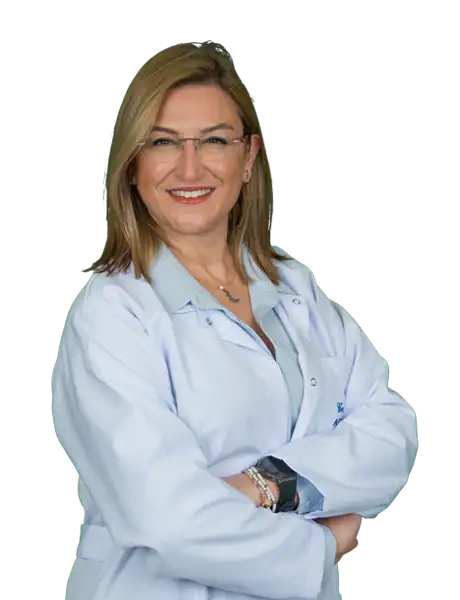
Prof. Dr. Beril Akman
Internal Medicine
Prof. Dr. Berrin Karadağ
Internal Medicine
Prof. Dr. Ertuğrul Seyrek
Internal Medicine
Prof. Dr. Koptagel İlgün
Internal Medicine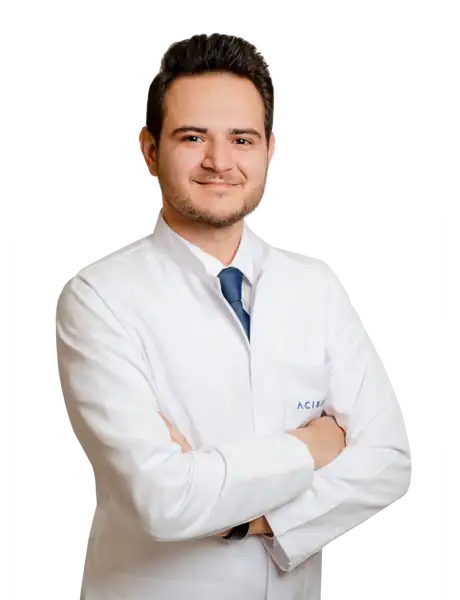
Dr. Sadettin Dolar
Internal Medicine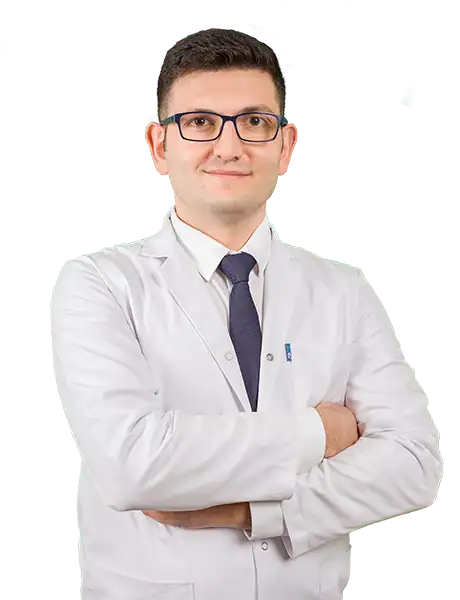
Dr. Salih Demir
Internal Medicine
Dr. Sena Arıcı
Internal Medicine
Dr. Serdar Özdemir
Internal Medicine
Dr. Serkan Selvi
Internal Medicine
Dr. Seçil Demir
Internal Medicine
Dr. Sibel Işık
Internal Medicine
Dr. Soner Dileklen
Internal MedicineRelated Articles

CABG Recovery in Older Adults: What Families Should Expect

Pulmonary Hypertension: What Happens If It Goes Untreated?

Cardiovascular Toxicology: How Drugs and Toxins Can Damage the Heart

Peripheral Artery Disease: Leg Pain, Poor Circulation, and When Angioplasty Helps

Kawasaki Disease in Adults: Can Childhood Heart Changes Appear Later?
Arrhythmia Symptoms That Need Urgent Evaluation Instead of Watchful Waiting

Hyperlipidemia: When High Cholesterol Needs Specialist Cardiology Care

Deep Vein Thrombosis After Travel: Why Long Flights Raise the Risk

Stent Procedure Cost in Turkey: What Can Change the Total Price?

Heart Valve Surgery Recovery: ICU Stay, Walking, and Returning Home
Peripheral Artery Disease vs Deep Vein Thrombosis: How to Tell the Difference