


Quick answer
Polymyalgia rheumatica is an inflammatory condition that causes pain and stiffness, usually in the shoulders, neck, and hips, most often in older adults. At Acibadem in Turkey, evaluation focuses on symptoms, physical examination, and blood tests to rule out similar conditions, and treatment typically involves medication to reduce inflammation with follow-up to monitor response and adjust care.
Overview
Polymyalgia rheumatica is an inflammatory rheumatic condition that mainly causes aching and stiffness in the muscles around the shoulders, neck, hips and thighs. It usually affects older adults and is uncommon in younger people. The symptoms can develop gradually, but in some people they appear quite suddenly.
Although the discomfort can be significant and may interfere with daily activities such as getting dressed, getting out of bed or climbing stairs, polymyalgia rheumatica is a treatable condition. It is not the same as typical wear-and-tear joint disease, and it does not usually cause permanent muscle damage. However, careful medical assessment is important because its symptoms can resemble other conditions, and it may be associated with a related inflammatory condition called giant cell arteritis.
Symptoms
The main symptoms of polymyalgia rheumatica are pain and stiffness, especially in the morning or after resting. The stiffness often lasts a long time after waking and may improve with gentle movement during the day.
- Aching or stiffness in both shoulders
- Pain in the neck, upper arms, hips, buttocks or thighs
- Difficulty raising the arms, dressing, washing hair or getting up from a chair
- Symptoms that are usually felt on both sides of the body
- Fatigue, low energy or a general feeling of being unwell
- Mild fever or night sweats in some cases
- Reduced appetite or unintentional weight loss in some people
Muscle strength is usually normal, although movement may feel difficult because of pain and stiffness. If true weakness, numbness, severe joint swelling or other unusual symptoms are present, other causes may need to be considered.
Causes and Risk Factors
The exact cause of polymyalgia rheumatica is not fully understood. It is thought to involve an overactive immune response that leads to inflammation in and around joints and nearby soft tissues. The condition is not caused by exercise, injury or poor posture, and it is not contagious.
Known risk factors include age and biological background. Polymyalgia rheumatica occurs mainly in people over 50 and becomes more common with advancing age. It is also reported more often in women than in men. Genetic and environmental factors may play a role, but the condition can occur in people with no clear family history.
A related condition, giant cell arteritis, can occur in some people with polymyalgia rheumatica. Giant cell arteritis affects certain blood vessels, especially around the head and temples, and requires urgent medical attention because it can threaten vision if not treated promptly.
Diagnosis
Diagnosis begins with a medical consultation, including a discussion of symptoms, their timing, medical history and a physical examination. A rheumatologist or other healthcare professional may assess shoulder and hip movement, check for joint swelling, and look for signs that suggest other conditions.
There is no single test that confirms polymyalgia rheumatica in every person. Blood tests are commonly used to look for signs of inflammation and to help rule out other problems such as infection, thyroid disease, muscle disorders or other types of arthritis. Imaging tests, such as ultrasound or other scans, may be used in selected cases to identify inflammation around the shoulders or hips or to exclude alternative diagnoses.
Because symptoms can overlap with other rheumatic, neurological, endocrine or infectious conditions, an accurate diagnosis depends on the full clinical picture rather than one result alone. Doctors also assess for warning signs of giant cell arteritis, such as new headache, scalp tenderness, jaw pain while chewing, visual symptoms or unexplained fever.
Treatment Options
Treatment aims to reduce inflammation, relieve pain and stiffness, improve daily function and prevent complications. The main treatment is usually an anti-inflammatory medicine from the corticosteroid family, prescribed and monitored by a doctor. Symptoms often improve after treatment begins, but follow-up is essential because the condition can return during dose reductions or after treatment stops.
Doctors generally aim to use the lowest effective amount of medication for the shortest appropriate time, while balancing symptom control with safety. Regular appointments and blood tests may be needed to monitor inflammation and possible treatment-related effects. Patients should not stop or change prescribed treatment without medical advice, as sudden changes can be unsafe.
Additional care may include guidance on gentle physical activity, stretching, posture and maintaining mobility. Physical therapy may help some people regain confidence with movement and daily activities. Attention to bone health, blood pressure, blood sugar and general wellbeing may also be part of care, especially for patients who need longer-term anti-inflammatory treatment.
If symptoms are difficult to control, if repeated flare-ups occur or if side effects become a concern, a rheumatology specialist may consider other treatment approaches based on the individual situation.
When to See a Doctor
Medical advice is recommended if a person develops new, persistent pain and stiffness in the shoulders, hips or neck, especially if it is worse in the morning and affects daily activities. Early assessment helps distinguish polymyalgia rheumatica from other conditions that may require different treatment.
Urgent medical attention is needed if symptoms suggest giant cell arteritis. These include a new or severe headache, tenderness of the scalp, pain in the jaw when chewing, blurred or double vision, sudden vision loss, or unexplained fever with head symptoms. These warning signs should not be ignored.
Patients already diagnosed with polymyalgia rheumatica should contact their doctor if symptoms worsen, return during treatment changes, or if they experience concerning new symptoms. With appropriate medical supervision, many people are able to manage the condition and maintain daily activities safely.
Treatments for This Condition
Doctors Who Treat This Condition

Prof. Dr. Beril Akman
Internal Medicine
Prof. Dr. Berrin Karadağ
Internal Medicine
Prof. Dr. Ertuğrul Seyrek
Internal Medicine
Prof. Dr. Koptagel İlgün
Internal Medicine
Dr. Ayda Ünlüer
Rheumatology
Dr. Mert Öztaş
Rheumatology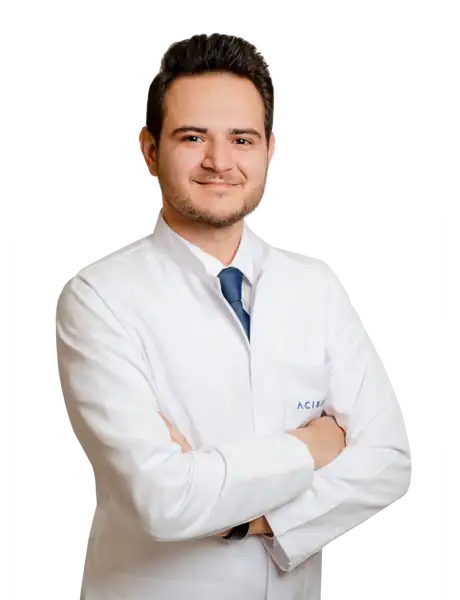
Dr. Sadettin Dolar
Internal Medicine
Dr. Serdar Özdemir
Internal Medicine
Dr. Serkan Selvi
Internal Medicine
Dr. Sibel Işık
Internal Medicine
Dr. Soner Dileklen
Internal Medicine