Quick answer
Kawasaki disease is an inflammatory illness that mainly affects young children and can involve the blood vessels, often causing prolonged fever, rash, red eyes, and swollen lymph nodes. At Acibadem, evaluation focuses on early diagnosis and treatment to reduce the risk of heart complications, typically using hospital-based monitoring, supportive care, and standard anti-inflammatory therapy.
Overview
Kawasaki disease is a rare childhood illness that causes inflammation in the blood vessels throughout the body. It most often affects children under 5 years of age, but it can occur in older children as well. The condition is not usually contagious, and it is not caused by something a parent did or did not do.
Kawasaki disease is important because it can affect the coronary arteries, which supply blood to the heart muscle. With timely medical care, most children recover well. However, because heart-related complications can occur, children with suspected Kawasaki disease should be assessed promptly by a pediatrician or pediatric emergency team.
The illness can look similar to common infections at first, especially because fever is usually present. Diagnosis is based on a combination of symptoms, physical examination, and tests that help doctors check inflammation and heart health.
Symptoms
The main symptom of Kawasaki disease is a persistent fever, typically lasting several days. The fever often does not improve as expected with usual fever care and may be accompanied by several other signs.
Common symptoms may include:
- Red eyes without thick discharge
- Red, dry, cracked lips or a very red tongue
- Rash on the body, which can vary in appearance
- Swelling or redness of the hands and feet
- Peeling skin around the fingers or toes, often later in the illness
- Swollen lymph node in the neck
- Irritability, tiredness, or poor feeding in infants and young children
- Stomach pain, vomiting, diarrhea, or joint discomfort in some children
Not every child has all the classic signs. Some children, especially infants, may have an incomplete form of the disease, where fewer typical symptoms are present. This can make recognition more difficult.
Causes and Risk Factors
The exact cause of Kawasaki disease is not fully understood. It is thought to involve an unusual immune system reaction in children who may be genetically more susceptible. Researchers have considered possible triggers, such as infections or environmental factors, but no single cause has been confirmed.
Kawasaki disease is not considered a typical infectious illness that spreads easily from one child to another. Families should not feel responsible for causing it.
Risk factors that may be associated with Kawasaki disease include:
- Young age, especially children under 5 years
- Male sex, with boys affected somewhat more often than girls
- Family background and genetics
- Higher occurrence in children of East Asian ancestry, although it can affect children of any ethnicity
Because the symptoms can overlap with viral infections, scarlet fever, allergic reactions, and other inflammatory conditions, medical evaluation is needed to distinguish Kawasaki disease from other causes.
Diagnosis
There is no single test that confirms Kawasaki disease in every child. Doctors diagnose it by reviewing the child’s fever pattern, symptoms, physical examination findings, and test results. The goal is to recognize the condition early and assess whether the heart or blood vessels are affected.
Tests may include blood tests to look for inflammation, changes in blood cell counts, and signs of organ involvement. Urine testing may also be used to help rule out other conditions. A heart ultrasound, called an echocardiogram, is commonly performed to check the coronary arteries and overall heart function. An electrocardiogram may be used to evaluate the heart’s electrical activity.
In some cases, repeat heart imaging is recommended after the initial diagnosis because coronary artery changes can appear later. Follow-up is an important part of care, even when the child seems to be improving.
Treatment Options
Treatment for Kawasaki disease is usually provided in a hospital, especially during the early phase. The main aims are to reduce inflammation, relieve symptoms, and lower the risk of heart complications.
Doctors may use an immune-modulating infusion and other anti-inflammatory medicines as part of standard care. Some children may also need treatment to reduce the risk of blood clots if the coronary arteries are affected. The exact plan depends on the child’s age, symptoms, test results, and response to initial treatment.
During hospitalization, the medical team monitors temperature, hydration, comfort, and heart-related findings. If a child does not respond as expected, additional therapies may be considered by the pediatric specialist team.
After discharge, follow-up visits are essential. These may include repeat examinations and heart imaging to ensure the coronary arteries remain healthy or to monitor any changes. Children with significant coronary artery involvement may need long-term follow-up with a pediatric cardiologist.
Parents should follow the care plan provided by the child’s medical team and avoid giving medicines without professional guidance, as some medicines may not be suitable for children in certain situations.
When to See a Doctor
Seek medical care promptly if a child has a fever lasting several days, especially if it is accompanied by red eyes, rash, swollen hands or feet, cracked lips, a very red tongue, or swelling in the neck. Early evaluation is particularly important for infants, who may show fewer typical signs.
Urgent medical attention is needed if a child appears very unwell, has difficulty breathing, persistent vomiting, signs of dehydration, unusual sleepiness, chest discomfort, or fainting.
Kawasaki disease can be concerning for families, but timely recognition and specialist care help reduce the risk of complications. If you are unsure whether your child’s symptoms may fit Kawasaki disease, it is safest to contact a pediatric healthcare professional for guidance.
Treatments for This Condition
Doctors Who Treat This Condition
Prof. Dr. Agop Çıtak
Pediatrics
Prof. Dr. Ali Bülent Antmen
Pediatrics
Prof. Dr. Ayhan Çevik
Pediatric Cardiology
Prof. Dr. Ayşe Sarioğlu
Pediatric Cardiology
Prof. Dr. Aziz Polat
Pediatrics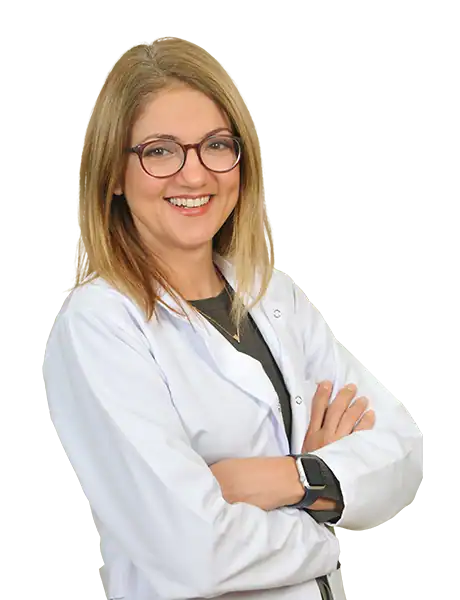
Prof. Dr. Canan Ayabakan
Pediatric Cardiology
Prof. Dr. Cengiz Canpolat
Pediatrics & Pediatric Oncology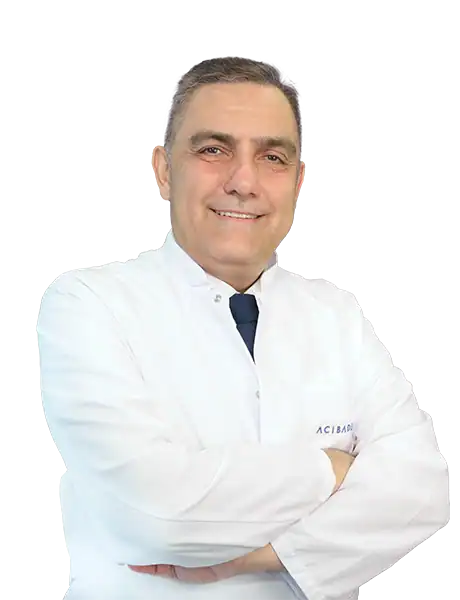
Prof. Dr. Coşkun Çeltik
Pediatrics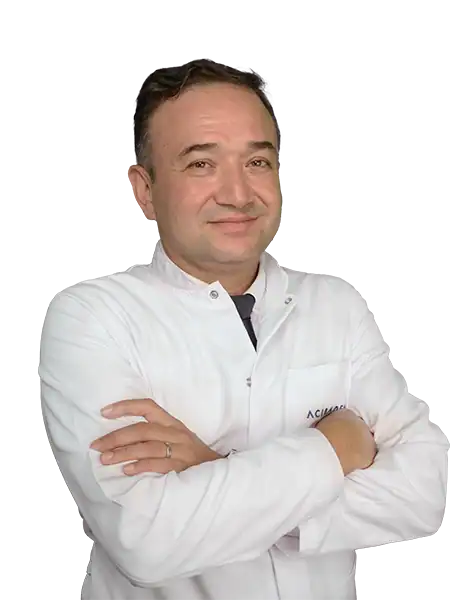
Prof. Dr. Gökhan Aydemir
Pediatrics
Prof. Dr. Gül Sağın Saylam
Pediatric Cardiology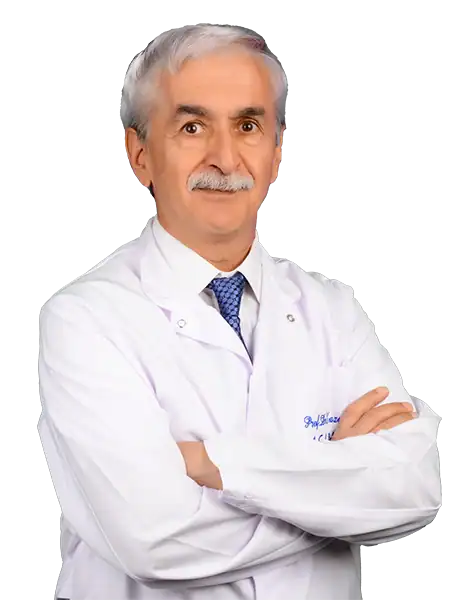
Prof. Dr. Kazım Üzüm
Pediatric Cardiology