

Mommy Makeover Turkey: Procedures, Staging, Recovery and Cost

If you are considering a mommy makeover in Turkey, you are probably weighing three things at once: whether combining a tummy tuck, breast surgery and liposuction in a single operation is right for your body, how safe it is to have that surgery abroad, and what the journey involves from the first conversation to the final check-up back at home. This guide answers those questions from the standpoint of a hospital group rather than a stand-alone clinic, because the setting in which combined surgery takes place matters as much as the surgery itself.
It is written for readers in the United Kingdom, Ireland, the United States, Canada and Australia. It does not replace a consultation with your own GP or a plastic surgeon. Its purpose is to help you understand what a well-planned pathway looks like, what a mommy makeover in Turkey realistically involves, and which questions to ask before you commit to anything.
What a mommy makeover is and who it suits
A mommy makeover is not a single operation. It is a personalised combination of cosmetic procedures, most commonly a tummy tuck (abdominoplasty), breast surgery and liposuction, planned together to restore body contours changed by pregnancy, childbirth and breastfeeding. The exact combination is built around the individual: one woman may need abdominal skin and muscle repair with modest breast work, while another may need breast surgery with liposuction of the flanks and no abdominal surgery at all.
Who it may suit
- Women who have finished having children, or who do not plan further pregnancies
- Women whose weight has been stable for several months
- Those with loose abdominal skin, separated abdominal muscles or areas of fat that diet and exercise have not addressed
- Those with changes in breast volume or position after breastfeeding
- Non-smokers, or smokers willing to stop well before and after surgery
- People in good general health with realistic expectations and time set aside to recover
Who should wait or should not have it
- Anyone planning another pregnancy, which can reverse the results of abdominal and breast surgery
- Women who are still breastfeeding or have only recently stopped; timing should be discussed with the surgeon
- Anyone whose weight is still changing significantly
- People with poorly controlled diabetes, clotting disorders, heart or lung disease, or a history of blood clots
- Smokers who are not willing to stop, because smoking impairs wound healing
- Anyone who cannot arrange practical help at home for the early recovery period
A plastic surgery consultation assesses your goals, medical history, previous pregnancies, weight stability and skin quality. On that basis the surgeon advises whether the procedures can be safely combined in one operation or whether staging them is the more sensible route.
Why patients from the UK and the US travel to Türkiye for a mommy makeover
Combined body-contouring surgery is a significant undertaking, and the first question a careful patient asks is not about cost but about setting. Cosmetic surgery is not funded by the NHS, so in the UK it is almost always self-pay through a private clinic or hospital; in the US the same is true for most people. Waiting is therefore a question of surgeon availability rather than a formal list, but timelines can still stretch across months.
Patients who choose Acıbadem do so largely because the surgery takes place in full hospitals rather than day clinics. The group operates 7 JCI-accredited hospitals within a network of more than 20 hospitals, and its 3,300+ physicians include plastic surgeons, anaesthetists and intensive-care specialists working under one roof. That matters for a mommy makeover in particular: a 3 to 6 hour operation under general anaesthesia should be performed where blood bank, imaging and intensive care are minutes away, not in a facility that would need to transfer you if something changed.
The international patient service is another reason. Hospitals such as Acibadem Maslak Hospital in Istanbul receive patients from abroad every week, so interpreters, coordinators and English-speaking clinical staff are part of everyday practice rather than an add-on. Istanbul is roughly 4 hours by air from London and about 10 hours from New York, close enough for a companion to travel with you and for follow-up to be arranged sensibly.
Cost is naturally part of the decision, and the price band below shows how it compares. The reasons behind that difference are explained later in this guide; they are about local salaries and overheads, not about different materials or lower clinical standards.
How a mommy makeover with Acıbadem works, step by step
The pathway is designed so that most of the decision-making happens before you travel, and so that nothing is rushed once you arrive.
- Remote medical review. You send your medical history, details of previous pregnancies and surgery, current medications, and photographs as requested. A plastic surgeon reviews them free of charge and advises whether you appear to be a candidate, which procedures might be appropriate, and whether staging should be considered.
- Personal plan. You receive a written proposal covering the recommended procedures, anaesthesia, expected hospital stay, recommended length of stay in Istanbul and a personal quote based on your review.
- Arrival and coordinator. A dedicated coordinator meets you, manages transfers between the airport, your accommodation and the hospital, and acts as your single point of contact throughout.
- Consultation and pre-operative tests. You meet your surgeon in person for a full examination. Preoperative blood tests and an anaesthesia evaluation are usually required. If the surgeon finds anything that changes the plan, it is adjusted or postponed at this stage.
- The operation. Surgery takes place in the hospital under general anaesthesia, typically lasting 3 to 6 hours depending on the combination of procedures.
- Recovery in Istanbul. After a hospital stay of 1 to 2 nights you move to your accommodation, returning for dressing checks, drain removal if drains were used, and a review before you are cleared to fly.
- Follow-up after returning home. Your medical records and a discharge summary are provided in English, and remote follow-up continues by video or message with your surgical team at agreed intervals.
You are encouraged to inform your GP before travelling and to share the discharge summary on your return.
The procedure: techniques, anaesthesia, duration and hospital stay
A mommy makeover is a surgical procedure performed under general anaesthesia. The specific techniques depend on the combination chosen for you, but the three components most commonly involved are:
- Tummy tuck (abdominoplasty) to remove excess abdominal skin and address stretched or separated abdominal muscles.
- Breast surgery to address changes in breast volume or position following pregnancy and breastfeeding.
- Liposuction to reduce localised fat deposits, often used alongside the other procedures to refine contours.
Because the operation is tailored to each patient, the surgeon decides at consultation which elements are included, in what order they are performed, and whether everything can be safely completed in a single session. Where the total operating time or the extent of surgery would be excessive for an individual patient, staging the procedures into two separate operations is a legitimate and sometimes safer choice. This is a clinical decision, not a scheduling one.
Duration and hospital stay
The operation typically lasts 3 to 6 hours, with the longer end of that range reflecting a fuller combination of procedures. You stay in hospital for 1 to 2 nights, during which nursing staff monitor your incisions, pain control, fluid balance and mobility, and drains are managed if they have been placed.
Preparation
Before surgery you are advised to stop smoking, to avoid certain blood-thinning medicines as directed, and to arrange help at home for the early recovery period. Preoperative blood tests and an anaesthesia evaluation are usually required and take place in Istanbul before the operation is confirmed.
Every detail above applies in general terms; the plan that applies to you is set out in writing after your consultation.
Recovery and aftercare timeline
Recovery time after a mommy makeover is typically 4 to 6 weeks, although the return to specific activities is decided by your surgeon rather than by the calendar. The outline below describes the general shape of that period.
In hospital (1 to 2 nights)
You wake from general anaesthesia in a monitored recovery area before returning to your room. Compression garments are fitted and prescribed medications are given to manage pain and reduce swelling. Nursing staff check your incisions and any drains, and encourage gentle movement as advised by your surgical team.
The remaining days in Istanbul
Once discharged, you rest at your accommodation and return to the hospital for follow-up visits that monitor incisions, drains if used, and your overall progress. You continue wearing compression garments as instructed. Your surgeon confirms when you are fit to fly home.
The first weeks at home
This is the period for which you should have arranged help at home. Heavy lifting, strenuous exercise and childcare tasks such as lifting toddlers should be limited until your surgeon approves. Swelling and bruising gradually settle, and light daily activity is generally encouraged within the limits you have been given.
Weeks four to six and beyond
Most patients are approaching normal daily routines by the end of this window, with more demanding activity reintroduced only with the surgeon’s agreement. Scars continue to mature for many months, and the final appearance takes time to settle.
Remote follow-up with your Istanbul team continues after you return, and your GP should be aware of the surgery so that any concern can be assessed promptly.
What it costs: UK, US and Türkiye
Typical self-pay ranges from the Turkey Medical Price Index. Türkiye figures are guide ranges for hospital treatment; your personal quote follows a free medical review.
Source: Turkey Medical Price Index (quarterly edition). Ranges depend on the extent of treatment, materials and hospital stay; they are not a quote.
Safety and risks
Combining procedures means a longer operation under general anaesthesia and a larger overall recovery than any single procedure alone. It is right to take that seriously. A calm assessment of the risks, and of how a hospital setting manages them, is more useful than reassurance.
Who is not suitable
Patients with poorly controlled medical conditions, a history of blood clots, active smoking, an unstable weight or plans for further pregnancy are usually advised against combined surgery or asked to wait. A surgeon who declines to operate, or who recommends staging, is acting in your interest.
Complications
As with any major surgery, risks include bleeding, infection, fluid collections (seroma), delayed wound healing, loss of sensation, asymmetry, unsatisfactory scarring and, less commonly, blood clots in the legs or lungs. Anaesthetic complications are rare but real. Longer combined operations carry more of this risk than shorter staged ones, which is why operating time is part of the planning discussion.
What cases that go wrong abroad usually share
- Rushed planning, with the surgeon meeting the patient only on the morning of surgery
- Procedures added or combined without an anaesthetic assessment of total operating time
- Surgery in a facility without on-site intensive care, blood bank or imaging
- Early flights home before drains are removed or incisions are reviewed
- No clear route to follow-up once the patient has left the country
How a hospital setting changes that
In an accredited hospital the anaesthesia evaluation can postpone or restage an operation, intensive care is on the same site should it be needed, and imaging and laboratory services are available at any hour. Pre-operative tests are done before surgery is confirmed, not skipped. Follow-up is built into the stay rather than left to chance. None of this removes risk, but it changes how risk is managed when it appears.
UK and US vs Türkiye: how the pathway differs
Readers in the UK often ask about mommy makeover cost in Turkey first, but the more useful comparison is the whole pathway.
Waiting and access
In the UK, a mommy makeover is elective cosmetic surgery and is not available through the NHS, so patients arrange it privately. The same applies for most people in the US. There is no formal waiting list, but consultation and theatre availability with an experienced surgeon can take months. In Türkiye, planning begins with a remote review and surgery can usually be scheduled within weeks once you are confirmed as a candidate.
Self-pay and what the cost difference means
The price band below shows the verified comparison for the UK, the US and Türkiye. The difference reflects lower local salaries, property costs and overheads; it does not reflect different implants, sutures, anaesthetic agents or sterilisation standards, which are sourced from the same international suppliers used in Western hospitals. A lower cost does not mean lower clinical standards, but it also does not make any individual result more likely, and it should not be the main reason for choosing a provider.
Aftercare and travel
At home, follow-up is a short drive away. Abroad, the early follow-up happens in Istanbul and the later follow-up is remote, with your GP as a local safety net. That is workable when planned, and a problem when it is not.
What to compare like for like
- Hospital versus clinic setting, and what is on site
- Whether anaesthesia, hospital nights, garments and follow-up are included in the quote
- Time with the surgeon before the operation
- Length of stay recommended before flying home
- How complications after your return would be handled
Planning the trip to Istanbul
Good planning removes most of the avoidable stress from surgery abroad. The practical points below apply to UK readers and, with small adjustments, to those travelling from Ireland, the US, Canada and Australia.
Passport and entry
UK, Irish, US, Canadian and Australian passport holders enter Türkiye visa-free for up to 90 days. Rules can change, so check the current requirements before you book, and make sure your passport is valid for the whole period of your stay with a sensible margin.
How long to stay
Your surgeon recommends a length of stay based on the procedures planned. It needs to allow for the consultation and tests before surgery, the 1 to 2 night hospital stay, removal of drains if used, at least one wound review, and clearance to fly. Booking flexible return travel is sensible in case your surgeon asks you to stay a little longer.
Companion
Travelling with a partner, relative or friend is strongly advised. After a mommy makeover you should not be lifting luggage or managing airports alone, and having someone with you at your accommodation in the first days is a safety measure, not a luxury.
Travel insurance
Standard travel insurance normally excludes planned medical treatment and anything arising from it. Look for a policy that specifically covers elective surgery abroad, including medical repatriation, and read the exclusions carefully.
What to bring
- Your medical records, medication list and the correspondence from your review
- Loose, front-opening clothing and slip-on shoes
- Any regular medicines in their original packaging
- A companion’s contact details and your GP’s details
- Comfortable accommodation arrangements with lift access if possible
Back home: follow-up, your GP and insurance
The weeks after you return are part of the treatment, not an afterthought. Your Istanbul team continues remote follow-up at agreed intervals, and you should keep those appointments even if everything feels fine.
Follow-up with your GP or own doctor
Let your GP know before you travel and give them your discharge summary and operation notes on your return. You are entitled to your records in English, and sharing them means that any local assessment starts with full information. If you have a private plastic surgeon or dermatologist at home, they may be willing to review scars and progress alongside your remote follow-up.
When to seek help
Contact your surgical team and seek local medical assessment promptly if you notice increasing redness, heat or discharge from an incision, fever, a sudden increase in swelling or pain on one side, or calf pain and swelling. Chest pain or breathlessness is an emergency; call emergency services first and inform your surgeon afterwards.
Insurance, NHS and your own doctor
Private medical insurance in the UK and elsewhere rarely covers elective cosmetic surgery abroad or its follow-up, so assume you are self-funding unless your policy states otherwise. The NHS treats complications in a returning patient as it would any other patient presenting with the same problem, but it does not provide routine cosmetic aftercare; check with your provider and, where relevant, your surgeon’s complication policy. For readers in the US, HSA and FSA eligibility for cosmetic procedures is limited, and travel-medical policies vary widely in what they cover once planned surgery is involved, so read the terms before you travel.
Questions to ask before deciding on a mommy makeover in Turkey
A good provider welcomes detailed questions. Use this checklist in your remote review and again at your in-person consultation, and be cautious of any answer that is vague, hurried or dismissive.
About the surgeon and setting
- Which procedures do you recommend for me, and why this combination rather than fewer or staged operations?
- How many hours do you expect the operation to take, and who decides if that is too long for me?
- Will the surgery take place in a hospital with intensive care, blood bank and imaging on site?
- Is the hospital JCI-accredited?
- Who administers the anaesthesia, and when do I meet them?
About the plan and the stay
- What tests are done before surgery is confirmed, and what would make you postpone?
- How many nights in hospital and how many days in Istanbul do you recommend for me?
- What is included in the quote: anaesthesia, hospital nights, compression garments, medications, follow-up visits?
- What happens if you decide during the consultation that I am not a suitable candidate?
About recovery and afterwards
- When can I fly, lift, exercise and care for my children?
- How does remote follow-up work once I am home, and who do I contact out of hours?
- What is the policy if a complication develops after I return to the UK?
- Can I have my records in English to share with my GP?
Take your time with the answers, discuss them with your own doctor if you can, and do not let travel dates drive a medical decision. Ultimately, suitability for a mommy makeover is determined by a physician’s evaluation.
How much does a mommy makeover in Turkey cost?
The verified comparison for the UK, the US and Türkiye is shown in the price band below, drawn from the Price Index. Your personal quote depends on which procedures are combined, the expected operating time and length of stay, and follows a free remote medical review. Ask for a written breakdown so you can see what is included.
Is it safe to have a mommy makeover in Turkey?
Safety depends far more on the setting and planning than on the country. Surgery in a JCI-accredited hospital with anaesthesia, intensive care and imaging on site, preceded by proper tests and followed by structured follow-up, manages risk in the same way a good hospital at home would. Every operation carries risks, and these should be discussed openly with your surgeon.
Can all the procedures be done in one operation?
Often, yes, but not always. The surgeon and anaesthetist consider your health, the extent of surgery and the total operating time, which is typically 3 to 6 hours. If the combination would be excessive for you, staging the procedures into two operations is recommended as the safer option.
How long do I need to stay in Istanbul?
Your surgeon recommends a stay that covers the consultation and pre-operative tests, a hospital stay of 1 to 2 nights, removal of drains if they were used, and at least one wound review before you are cleared to fly. Book flexible return travel in case a slightly longer stay is advised.
When can I fly home and return to normal life?
You fly only after your surgeon has reviewed your incisions and confirmed you are fit to travel. Overall recovery is typically 4 to 6 weeks, with heavy lifting, strenuous exercise and childcare tasks limited until your surgeon approves. Everyone's timeline differs, so follow the individual advice you are given.
Do I need to bring someone with me?
A companion is strongly advised. After combined surgery you should not be handling luggage, airports or the first nights alone, and having someone present is a practical safety measure. Coordinators help with logistics, but they do not replace a companion at your accommodation.
What happens if I have a complication after returning to the UK?
Contact your Istanbul surgical team, who continue remote follow-up, and seek local assessment through your GP or, in an emergency, emergency services. The NHS treats complications as it would for any patient, but it does not provide routine cosmetic aftercare. Ask your provider about their complication policy before you commit.
Do I need to have finished having children first?
Yes, in almost all cases. A further pregnancy can stretch the abdominal wall and skin again and change the breasts, undoing much of the result. Surgeons also advise waiting until breastfeeding has ended and your weight has been stable for several months.
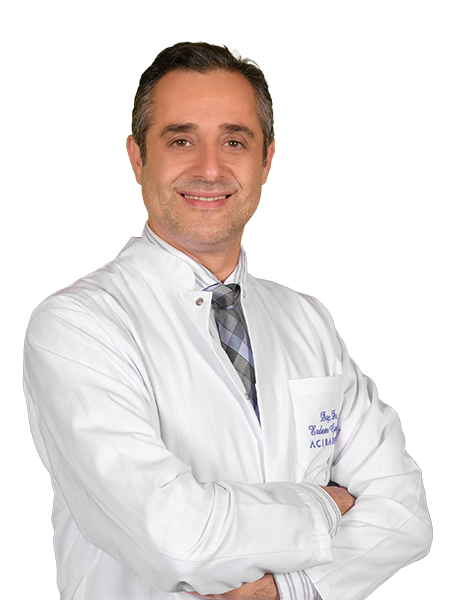
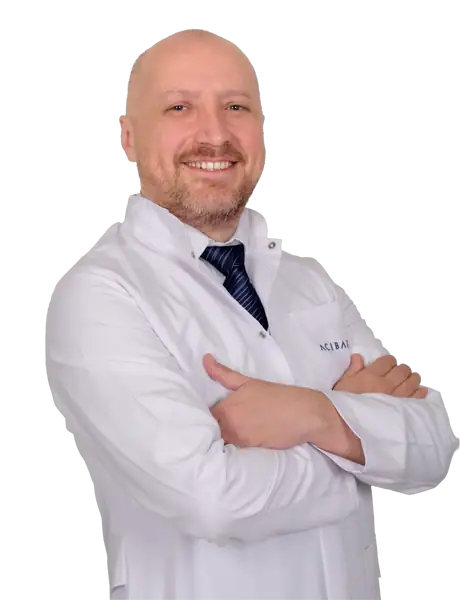
Your care team
Physicians of the Acıbadem network who perform this treatment in Istanbul.
 Where it is performed Acibadem Maslak Hospital İstanbul · JCI-accredited hospitals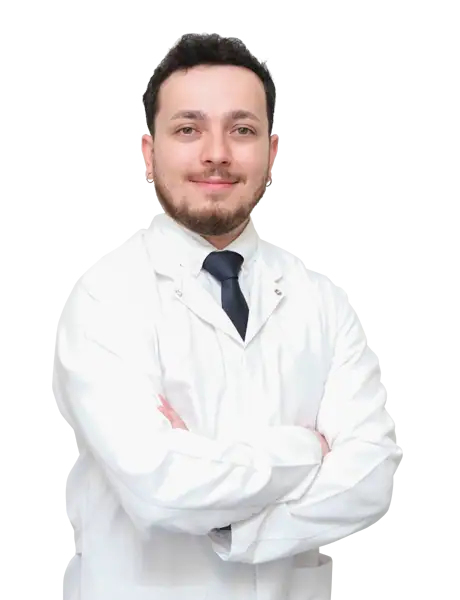
Clinical guide & data
The evidence-based pages behind this guide.
Planning tools for this treatment
Indicative figures for orientation only — your written plan and quote follow a free medical review.