Neuromuscular Diseases
Learn what neuromuscular diseases are, their common symptoms and causes, how doctors diagnose them, and the treatment and rehabilitation options that may help.
Quick answer
Neuromuscular diseases are a group of conditions that disrupt communication between nerves and muscles, causing weakness, wasting, cramps, or numbness. They include muscular dystrophies, motor neuron diseases, neuropathies, and myasthenia gravis. Causes range from inherited gene changes to autoimmune, metabolic, or toxic factors, and treatment depends on the specific diagnosis.
What is neuromuscular diseases?
Neuromuscular diseases are a large group of conditions that affect the way nerves and muscles work together to produce movement. To understand them, it helps to know the basic pathway: the brain sends a signal down the spinal cord, through the motor nerves (the nerves that carry movement commands), across a tiny gap called the neuromuscular junction (the point where a nerve meets a muscle), and into the muscle fiber itself, which then contracts. A problem at any point along this pathway, from the nerve cell to the muscle, can cause a neuromuscular disease.
The term covers many different disorders, including muscular dystrophies (inherited conditions in which muscle tissue gradually weakens and breaks down), motor neuron diseases such as amyotrophic lateral sclerosis or ALS (a condition in which the nerve cells that control muscles deteriorate), peripheral neuropathies (damage to the nerves outside the brain and spinal cord), myasthenia gravis (a condition in which the immune system disrupts signaling at the neuromuscular junction), and inflammatory or metabolic muscle diseases known as myopathies.
Neuromuscular diseases can affect people of any age. Some inherited forms appear in infancy or early childhood, while others first show up in adolescence or adulthood. Acquired forms, such as autoimmune conditions or nerve damage related to diabetes, are more often diagnosed in adults. Individually, many of these conditions are rare, but taken together they affect a meaningful number of people worldwide.
Neuromuscular diseases symptoms
The most common feature across neuromuscular diseases is muscle weakness, but the pattern, speed of onset, and accompanying symptoms vary widely depending on which part of the nerve-muscle pathway is involved. Symptoms people often report include:
- Progressive muscle weakness, often starting in the legs, arms, face, or neck
- Muscle wasting (a visible loss of muscle bulk, also called atrophy)
- Muscle cramps, twitching, or small rippling movements under the skin (fasciculations)
- Muscle stiffness or difficulty relaxing a muscle after use
- Numbness, tingling, burning, or loss of sensation, especially in the hands and feet
- Frequent tripping, falls, or difficulty climbing stairs and rising from a chair
- Drooping eyelids, double vision, or a weak facial expression
- Difficulty swallowing, slurred speech, or a change in voice
- Shortness of breath, particularly when lying flat, or weak coughing
- Fatigue that worsens with activity and improves with rest
How symptoms develop depends on the type of disease. In many inherited muscular dystrophies, weakness begins in the hips and shoulders and progresses slowly over years. In myasthenia gravis, weakness often fluctuates during the day, tends to affect the eyes and face early, and may worsen with repeated effort. In peripheral neuropathies, sensory changes such as tingling or numbness in the toes and fingers frequently appear before weakness. In motor neuron diseases, weakness may begin in one limb or in the muscles of speech and swallowing and then spread.
In later stages, several neuromuscular diseases can weaken the muscles used for breathing and swallowing. This can lead to chest infections, unintended weight loss, and difficulty sleeping. Children with neuromuscular diseases may show delayed motor milestones, such as late walking, or an unusual walking pattern such as walking on the toes or with a waddling gait.
Causes and risk factors
Because neuromuscular diseases are a group rather than a single condition, they have many different causes. Doctors generally sort them into inherited and acquired categories.
Genetic causes. Many neuromuscular diseases result from changes (mutations) in genes that build or maintain nerve or muscle tissue. Examples include Duchenne and Becker muscular dystrophy, spinal muscular atrophy (a condition in which motor nerve cells in the spinal cord are lost), Charcot-Marie-Tooth disease (an inherited neuropathy), and myotonic dystrophy. Some of these are passed from parent to child in predictable patterns; others arise from a new mutation with no family history.
Autoimmune causes. In some conditions the immune system mistakenly attacks nerve or muscle tissue. Myasthenia gravis, Guillain-Barré syndrome (a rapid-onset nerve inflammation that often follows an infection), chronic inflammatory demyelinating polyneuropathy, and inflammatory myopathies such as polymyositis and dermatomyositis fall into this group.
Metabolic and toxic causes. Long-standing diabetes is one of the most common causes of peripheral neuropathy. Vitamin deficiencies, particularly vitamin B12, thyroid disorders, kidney disease, heavy alcohol use, and certain medications, including some chemotherapy drugs and, less commonly, statins, can damage nerves or muscles.
Infections and other causes. Some viral and bacterial infections can injure nerves or muscles directly or trigger an immune response. In motor neuron diseases such as ALS, the cause is not fully understood in most people, although a minority of cases are inherited.
Risk factors that may increase the chance of developing a neuromuscular disease include:
- A family history of muscular dystrophy, neuropathy, or motor neuron disease
- Diabetes, especially when blood sugar has been poorly controlled over time
- Other autoimmune conditions, which can increase the likelihood of an autoimmune neuromuscular disease
- Heavy or prolonged alcohol use
- Exposure to certain medications, industrial chemicals, or heavy metals
- Recent infection, in the case of Guillain-Barré syndrome
- Increasing age, for many acquired neuropathies and motor neuron diseases
Neuromuscular diseases diagnosis
Diagnosing a neuromuscular disease can take time, because many conditions share similar early symptoms and some are rare. Doctors usually work step by step, starting with a detailed history and examination and then adding tests to locate the problem and identify its cause.
Medical history and neurological examination. Your doctor will ask when symptoms began, how they have changed, whether they fluctuate, and whether relatives have had similar problems. The examination assesses muscle strength, muscle bulk, reflexes, sensation, coordination, walking pattern, and the function of the muscles of the face, eyes, speech, and swallowing. This helps determine whether the problem seems to lie in the nerve, the neuromuscular junction, or the muscle.
Blood tests. Blood tests can measure creatine kinase (an enzyme released when muscle fibers are damaged), check for markers of inflammation, screen for diabetes, thyroid disease, and vitamin deficiencies, and look for specific antibodies, such as those found in myasthenia gravis or inflammatory myopathies.
Electromyography and nerve conduction studies. Electromyography, or EMG, uses a thin needle electrode to record the electrical activity of muscles at rest and during contraction. Nerve conduction studies measure how quickly and strongly electrical signals travel along nerves. Together, these tests help distinguish nerve disorders from muscle disorders and can show how widespread the problem is.
Genetic testing. When an inherited condition is suspected, a blood or saliva sample can be analyzed for known gene changes. Genetic testing has become a central part of diagnosis for muscular dystrophies, spinal muscular atrophy, and inherited neuropathies, and it may reduce the need for more invasive tests. Genetic counseling is often offered alongside testing to explain the implications for the patient and family.
Muscle or nerve biopsy. In some cases a small sample of muscle or nerve tissue is removed under local anesthesia and examined under a microscope. This can reveal inflammation, patterns of muscle fiber damage, or abnormal protein deposits that point to a specific diagnosis.
Imaging. Magnetic resonance imaging (MRI) of the brain, spinal cord, or muscles may be used to rule out other causes of weakness, such as a spinal cord problem, or to show which muscles are affected. Ultrasound of nerves and muscles is used in some centers.
Additional tests. Depending on symptoms, doctors may order a lumbar puncture (a sample of spinal fluid taken from the lower back), breathing tests to measure lung function, a swallowing assessment, or a heart evaluation, since some neuromuscular diseases affect the heart muscle.
Neuromuscular diseases treatment options
Treatment depends on the specific diagnosis, its cause, how far it has progressed, and the goals of the individual patient. For some neuromuscular diseases, especially certain autoimmune forms, treatment can significantly reduce symptoms and, in many cases, bring the condition under control. For many inherited and degenerative conditions, treatment focuses on slowing progression, preserving function, preventing complications, and maintaining quality of life. A team approach is common, and often includes neurologists, rehabilitation specialists, respiratory specialists, dietitians, and therapists.
Observation and monitoring. For slowly progressive or mild conditions, your doctor may recommend regular check-ups to track strength, breathing, heart function, and mobility so that supportive measures can be introduced at the right time.
Medications. The choice of medicine depends on the diagnosis. Autoimmune conditions such as myasthenia gravis and inflammatory myopathies are often treated with corticosteroids and other immune-suppressing drugs; myasthenia gravis may also be treated with medicines that improve nerve-to-muscle signaling. For rapid-onset autoimmune neuropathies, treatments such as intravenous immunoglobulin (antibodies given through a vein) or plasma exchange (a procedure that filters harmful antibodies from the blood) may be used. Some genetic conditions, including spinal muscular atrophy and Duchenne muscular dystrophy, now have disease-modifying therapies that target the underlying genetic problem, although eligibility depends on the specific gene change, age, and other factors. Medicines are also used to manage symptoms such as pain, cramps, spasticity, and excessive saliva.
Treating underlying causes. When a neuropathy is linked to diabetes, vitamin deficiency, thyroid disease, or a medication, addressing that cause may halt or partly reverse the nerve damage.
Rehabilitation and therapy. Physical therapy helps maintain strength, flexibility, and balance while avoiding overexertion that could harm weakened muscles. Occupational therapy focuses on everyday tasks and may recommend adaptive equipment. Speech and language therapy supports safe swallowing and clear communication. Braces, orthoses (supportive devices worn on the limbs), walkers, and wheelchairs can preserve independence and reduce falls. In many hospitals these services are coordinated through a Physical Medicine & Rehabilitation department working alongside neurology.
Respiratory and nutritional support. When breathing muscles weaken, non-invasive ventilation (a mask connected to a machine that assists breathing, often used at night) and cough-assist devices may be recommended. If swallowing becomes unsafe, a dietitian may suggest texture changes, and in some cases a feeding tube is discussed to maintain nutrition and reduce the risk of choking.
Surgery. Surgery is not a cure for neuromuscular disease, but it is sometimes used to manage complications. Examples include spinal fusion for severe scoliosis (curvature of the spine) in children with muscular dystrophy, tendon-release procedures to correct joint contractures (permanently shortened muscles or tendons), and removal of the thymus gland in selected people with myasthenia gravis. Pacemakers or other cardiac devices may be needed when the heart is affected.
At Acibadem, neuromuscular diseases are generally evaluated within the neurology department, with rehabilitation, pulmonology, and cardiology involved as needed.
Living with neuromuscular diseases and outlook
The outlook for neuromuscular diseases varies enormously. Some conditions, such as Guillain-Barré syndrome, are acute but many people recover much or most of their function over months. Autoimmune conditions like myasthenia gravis are often long-term but frequently manageable with ongoing treatment. Many inherited muscular dystrophies and neuropathies progress slowly over decades and are compatible with a long life, while others, including ALS and the more severe childhood dystrophies, are progressive and life-shortening. Your doctor can explain what is known about the course of your specific condition, keeping in mind that progression differs from person to person even within the same diagnosis.
Day-to-day life often involves planning energy use, adapting the home and workplace, and attending regular reviews so that changes in breathing, swallowing, or mobility are addressed early. Vaccinations and prompt treatment of chest infections are generally encouraged because respiratory illness can be more serious when breathing muscles are weak. Emotional health matters too; living with a chronic or progressive condition can be stressful, and psychological support, peer groups, and patient organizations can be valuable for patients and caregivers.
Research into neuromuscular diseases is active, and new gene-based and targeted therapies continue to be studied. Clinical trials may be an option for some people, and your care team can advise whether any are relevant to your diagnosis.
Frequently asked questions
What is neuromuscular diseases in simple terms?
Neuromuscular diseases are conditions that interfere with the connection between the nervous system and the muscles it controls. The problem may lie in the nerve cells, the nerves themselves, the junction where nerve meets muscle, or the muscle fibers. The result is usually weakness, and sometimes numbness, cramps, or difficulty with breathing and swallowing, depending on the specific disorder.
What are the earliest neuromuscular diseases symptoms to look for?
Early signs often include unexplained weakness in the legs or arms, frequent tripping, difficulty climbing stairs or lifting objects, muscle twitching, cramps, or tingling in the hands and feet. In some conditions, drooping eyelids, double vision, or slurred speech appear first. These symptoms can have many causes, so they should be evaluated by a doctor rather than self-diagnosed.
What are the most common neuromuscular diseases causes?
Causes fall broadly into inherited gene changes, immune system attacks on nerve or muscle tissue, metabolic problems such as diabetes or vitamin deficiency, exposure to certain toxins or medications, and infections. In some conditions, including most cases of ALS, the exact cause remains unknown despite ongoing research.
How is neuromuscular diseases diagnosis confirmed?
Diagnosis usually combines a neurological examination with blood tests, electromyography and nerve conduction studies, and often genetic testing. In selected cases a muscle or nerve biopsy, MRI, lumbar puncture, or breathing and heart tests are added. Because many conditions overlap, reaching a precise diagnosis can take several visits and more than one type of test.
What are the main neuromuscular diseases treatment options?
Options depend on the diagnosis and may include immune-suppressing or immune-modulating medicines for autoimmune types, gene-targeted therapies for certain inherited conditions, treatment of underlying causes such as diabetes, and symptom-relieving medications. Rehabilitation, mobility aids, breathing support, nutritional care, and occasionally surgery for complications are important parts of care for most people.
Can neuromuscular diseases be cured?
Some acquired conditions, such as neuropathy caused by a vitamin deficiency or Guillain-Barré syndrome, can improve substantially or resolve with treatment. Most inherited and degenerative neuromuscular diseases currently cannot be cured, although treatment can often slow progression, ease symptoms, and support quality of life. Research into new therapies is ongoing.
Are neuromuscular diseases hereditary?
Many are, including the muscular dystrophies, spinal muscular atrophy, and Charcot-Marie-Tooth disease, though inheritance patterns differ and some cases arise from new gene changes with no family history. Others, such as myasthenia gravis, diabetic neuropathy, and most cases of ALS, are not directly inherited. Genetic counseling can help families understand their individual situation.
When to see a doctor
Persistent or worsening muscle weakness, numbness, cramps, or difficulty with everyday movements should be discussed with a doctor, especially if symptoms are progressing or affecting more than one part of the body. A child who is late reaching motor milestones, walks unusually, or seems to lose skills they had previously gained should also be assessed.
Seek urgent or emergency medical care if any of the following occur, as they may signal a rapidly progressing condition or a crisis involving breathing or swallowing:
- Sudden or rapidly worsening weakness, particularly if it spreads from the legs upward over hours or days
- Shortness of breath, difficulty breathing when lying down, or a weak, ineffective cough
- Choking, inability to swallow saliva or liquids, or food repeatedly going down the wrong way
- Sudden difficulty speaking, slurred speech, or facial drooping
- Loss of bladder or bowel control accompanying new weakness
- Severe double vision or drooping eyelids that develop quickly
- Chest pain, palpitations, or fainting in someone with a known neuromuscular disease
- Signs of a chest infection, such as fever with increased breathlessness, in a person with weakened breathing muscles
Early evaluation allows doctors to identify treatable causes, start supportive care sooner, and plan for changes before they become emergencies.
Medically reviewed by the Acıbadem International Medical Board — September 9, 2026
See our medical review board →
Update history
- PublishedSeptember 8, 2026
- Medical review approvedSeptember 9, 2026
- Last content updateSeptember 8, 2026
References2
Treatments for This Condition
Care at Acibadem
Doctors Who Treat This Condition
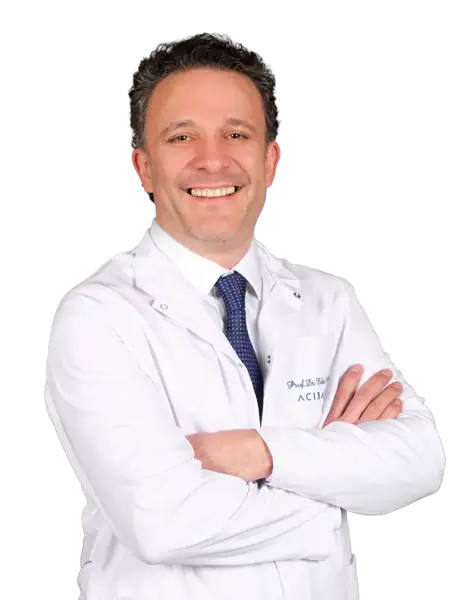
Prof. Dr. Erkin Sönmez
Neurosurgery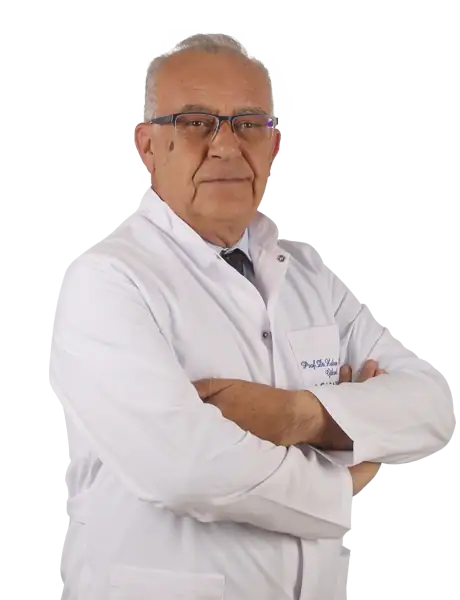
Prof. Dr. Hakan Murat Göksel
Neurosurgery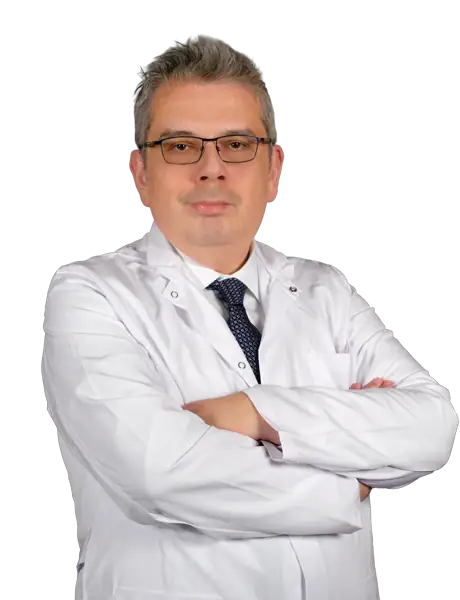
Prof. Dr. Hüseyin Hayrı Kertmen
Neurosurgery
Prof. Dr. Kamil Kadir Topalkara
Neurology
Prof. Dr. Sertaç İşlekel
Neurosurgery
Prof. Dr. Çağın Şentürk
Interventional Neuroradiology
Assoc. Prof. Dr. Kemal Paksoy
Neurosurgery
Assoc. Prof. Dr. Mustafa Seçkin
Neurology
Assoc. Prof. Dr. Talat Cem Ovalıoğlu
Neurosurgery
Assoc. Prof. Dr. Yüksel Erdal
Neurology
Dr. Aydan Angay
Pediatric Neurology