Ovarian Cancer: Bloating, Genetic Risk, and Diagnosis

Persistent bloating, pelvic or abdominal pain, feeling full quickly, and urinary changes can be important symptoms when they are new, frequent, and ongoing. Inherited gene changes such as BRCA1, BRCA2, and Lynch syndrome-related variants can increase ovarian cancer risk, but many cases occur without a known family history.
Key Takeaways
- Persistent bloating, pelvic or abdominal pain, feeling full quickly, and urinary changes can be important symptoms when they are new, frequent, and ongoing.
- Inherited gene changes such as BRCA1, BRCA2, and Lynch syndrome-related variants can increase ovarian cancer risk, but many cases occur without a known family history.
- There is no single screening test that reliably detects ovarian cancer in average-risk women, so symptom awareness and medical evaluation are important.
- Diagnosis usually involves pelvic examination, imaging tests, blood tests such as CA-125, and confirmation through tissue evaluation after surgery or biopsy when appropriate.
- Treatment may include surgery, chemotherapy, targeted therapy, maintenance therapy, and supportive care, depending on the cancer type and stage.
Ovarian cancer can be difficult to notice early because symptoms such as bloating, pelvic discomfort, or changes in appetite may seem mild or unrelated. Understanding persistent symptoms, family history, genetic risk, and diagnostic steps can help patients seek timely medical evaluation.
Overview
Ovarian cancer is a cancer that begins in or near the ovaries, fallopian tubes, or the lining of the abdomen called the peritoneum. Many cancers once described as ovarian are now thought to start in the fallopian tubes, especially the most common high-grade serous type. Because these organs are deep in the pelvis, early changes may not cause obvious symptoms.
The ovaries are part of the female reproductive system and produce eggs and hormones before menopause. Ovarian cancer is not one single disease; it includes several types, such as epithelial ovarian cancer, germ cell tumors, and stromal tumors. Epithelial ovarian cancer is the most common form in adults, while other types may occur at younger ages and often require different treatment approaches.
Ovarian cancer is sometimes called a silent disease, but this phrase can be misleading. Many patients do notice symptoms, especially bloating, pelvic pressure, digestive changes, or urinary symptoms. The key is that these symptoms tend to be new, persistent, frequent, and different from a person’s usual pattern.
Symptoms: When Bloating Matters
Bloating is common and often related to digestion, diet, menstrual cycles, or benign conditions. In ovarian cancer, bloating may feel persistent, progressive, or associated with an increase in abdominal size. It may not improve as expected with usual measures, and it can occur with other pelvic or abdominal symptoms.
Symptoms that should be discussed with a doctor include ongoing pelvic or abdominal pain, feeling full quickly when eating, loss of appetite, nausea, changes in bowel habits, constipation, urinary urgency or frequency, unexplained fatigue, and unintended weight change. Some people also notice back pain, pain during sex, or abnormal vaginal bleeding, especially after menopause.
A helpful way to think about symptoms is frequency and change. Symptoms that occur most days, last for several weeks, or feel clearly different from normal deserve medical attention. Most people with these symptoms will not have ovarian cancer, but evaluation can identify the cause and guide appropriate care.
- New bloating that lasts or keeps returning
- Pelvic or abdominal discomfort that is not typical
- Feeling full quickly or eating less than usual
- More frequent or urgent urination
- Unexplained digestive or bowel changes
Causes and Risk Factors

Ovarian cancer develops when cells acquire genetic changes that allow them to grow and spread abnormally. In many cases, the exact reason these changes occur is not known. Risk is influenced by age, reproductive history, inherited genes, hormonal factors, and personal medical history.
The risk of ovarian cancer increases with age, particularly after menopause. Other factors that may increase risk include a personal history of endometriosis, never having been pregnant, infertility in some contexts, and certain hormone therapy use after menopause. Having a close relative with ovarian, fallopian tube, primary peritoneal, breast, pancreatic, or prostate cancer may suggest inherited risk.
Some factors are associated with a lower risk, including previous pregnancy, breastfeeding, use of oral contraceptive pills, and surgical removal of the fallopian tubes or ovaries in selected high-risk situations. These factors do not eliminate risk, and decisions about medications or preventive surgery should always be individualized with a qualified clinician.
Genetic Risk: BRCA and Family History
Inherited genetic variants play an important role in some ovarian cancers. The best-known genes are BRCA1 and BRCA2, which are also linked to breast, pancreatic, and prostate cancers. Lynch syndrome, caused by variants in DNA mismatch repair genes, can also increase the risk of ovarian and uterine cancers.
Genetic risk can be present even when family history is limited or unknown. Small families, adoption, early deaths, or relatives on the father’s side can make inherited patterns harder to recognize. For this reason, many guidelines recommend genetic counseling and testing for people diagnosed with epithelial ovarian, fallopian tube, or primary peritoneal cancer.
Genetic counseling helps patients understand what testing can and cannot show. Results may guide treatment options, including targeted therapies for some patients, and may help relatives decide whether they need testing or prevention planning. A positive result does not mean cancer is certain, and a negative result does not remove all risk.
Diagnosis and Tests
There is currently no single screening test that reliably finds ovarian cancer early in women at average risk. A routine pelvic examination may detect some abnormalities, but it cannot rule out ovarian cancer. When symptoms or risk factors are present, doctors use a combination of history, examination, imaging, and blood tests.
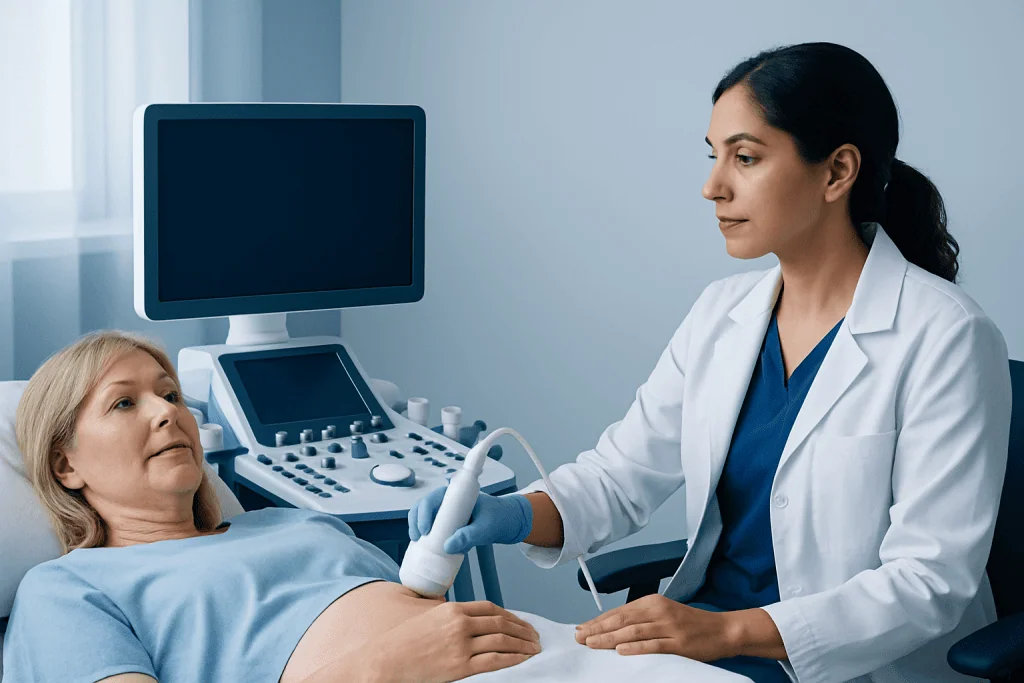
Evaluation often begins with a pelvic examination and imaging such as transvaginal ultrasound, pelvic ultrasound, CT scan, or MRI, depending on the situation. Imaging can show whether an ovarian mass, fluid in the abdomen, or other changes are present. Blood tests may include CA-125, a tumor marker that can be elevated in ovarian cancer but also in many non-cancer conditions, such as endometriosis, fibroids, inflammation, or menstruation.
Other tumor markers may be used for younger patients or when a less common ovarian tumor type is suspected. If cancer is possible, referral to a gynecologic oncologist is important because specialist evaluation can improve treatment planning. A definite diagnosis is usually made by examining tissue removed during surgery or, in selected situations, by biopsy.
Treatment Options
Treatment depends on the type of ovarian cancer, stage, overall health, genetic findings, and patient preferences. The main treatments for epithelial ovarian cancer commonly include surgery and chemotherapy. Surgery may involve removing the ovaries, fallopian tubes, uterus, nearby tissue, lymph nodes, or visible tumor deposits, depending on disease extent and fertility considerations.
Chemotherapy is often used after surgery and sometimes before surgery to shrink cancer and make an operation safer or more effective. Some patients may also receive targeted therapies, such as medicines that affect tumor blood supply or DNA repair pathways. PARP inhibitors may be considered for certain patients, particularly when BRCA or other homologous recombination repair changes are present.
Maintenance therapy may be recommended after initial treatment to help keep the disease controlled. Supportive care is also an essential part of treatment and may include nutrition support, pain control, management of fatigue, emotional support, and help with treatment side effects. Patients should discuss goals, expected benefits, risks, fertility issues, and follow-up plans with their oncology team.
Prevention, Self-Care, and When to See a Doctor
Not all ovarian cancers can be prevented, but risk assessment can help. People with a strong family history or known inherited gene variant may benefit from genetic counseling, personalized surveillance, or preventive surgery after childbearing when appropriate. Some individuals undergoing pelvic surgery for other reasons may discuss fallopian tube removal with their doctor, but this decision must be individualized.
Self-care cannot diagnose ovarian cancer, but it can support overall health and help patients notice changes. Keeping a symptom diary for bloating, pain, appetite, bowel habits, and urinary symptoms can make medical visits more productive. Regular checkups, a balanced diet, physical activity as tolerated, and attention to mental well-being are helpful throughout evaluation and treatment.
A doctor should be consulted if bloating, pelvic pain, early fullness, or urinary changes are new, frequent, and last more than a few weeks. Prompt evaluation is especially important after menopause, with abnormal bleeding, unexplained weight loss, increasing abdominal size, or a strong family history of related cancers. Acibadem International’s multidisciplinary specialists and JCI-accredited hospitals diagnose and treat ovarian cancer for international patients, including coordination across gynecologic oncology, imaging, pathology, genetics, and medical oncology.
Frequently asked questions
Is bloating always a sign of ovarian cancer?
No. Bloating is very common and is usually caused by digestive issues, diet, menstrual changes, or other benign conditions. It becomes more concerning when it is new, persistent, occurs most days, or is accompanied by pelvic pain, early fullness, urinary changes, or unexplained weight change.
Can ovarian cancer be found with a Pap smear?
A Pap smear is designed to detect cervical cell changes, not ovarian cancer. It usually does not identify ovarian, fallopian tube, or peritoneal cancers. People with persistent symptoms still need a medical evaluation even if their Pap test is normal.
Who should consider genetic testing for ovarian cancer risk?
People diagnosed with epithelial ovarian, fallopian tube, or primary peritoneal cancer are often advised to have genetic counseling and testing. Testing may also be considered for those with close relatives who had ovarian, breast, pancreatic, prostate, or certain uterine or colon cancers. A genetics professional can help choose the right test and explain results.
What is CA-125, and can it diagnose ovarian cancer?
CA-125 is a blood marker that may be elevated in some ovarian cancers. However, it can also rise due to non-cancer conditions, and some ovarian cancers do not cause a high CA-125 level. Doctors interpret it together with symptoms, imaging, examination findings, and other tests.
What happens if an ovarian mass is found?
An ovarian mass does not always mean cancer. Doctors assess its size, appearance on imaging, symptoms, age, menopausal status, and blood test results. If the mass appears suspicious, referral to a gynecologic oncologist is often recommended for specialist planning.
Can ovarian cancer be treated successfully?
Many people with ovarian cancer can receive effective treatment, and outcomes depend on the cancer type, stage, biology, response to treatment, and overall health. Treatment may include surgery, chemotherapy, targeted therapy, or maintenance therapy. Ongoing follow-up is important to monitor recovery, manage side effects, and detect recurrence if it occurs.
References
- World Health Organization
- National Cancer Institute
- American Cancer Society
- European Society for Medical Oncology
- National Comprehensive Cancer Network
This article is for general information only and is not a substitute for professional medical advice. Please consult a qualified doctor about your individual situation.
Ovarian Cancer in Turkey — costs, top hospitals & a free quote
JCI-accredited · board-certified surgeons · reply within 24h
Add us as a Preferred Source to see more of our trusted health content across Google Search, AI Overviews and Discover.

Medical Oncology Department
Medical treatment of cancer with chemotherapy, immunotherapy and targeted therapies under a multidisciplinary tumor board.
60 specialists in this unitMore from the Health Library



Related Specialists

Dr. Firat Beğde
Pediatrics
Prof. Dr. Ömer Öge
Urology
Prof. Dr. Meral Bayramoğlu
Physical Medicine & Rehabilitation
Prof. Dr. Özgür Yağmur
General Surgery