Sarcopenia: Muscle Loss with Aging and How Nutrition and Exercise Help

Sarcopenia is not just normal aging; it is a treatable condition involving reduced muscle strength, muscle quantity or physical performance. Warning signs may include slower walking, difficulty rising from a chair, frequent fatigue, falls or unintentional weight loss.
Key Takeaways
- Sarcopenia is not just normal aging; it is a treatable condition involving reduced muscle strength, muscle quantity or physical performance.
- Warning signs may include slower walking, difficulty rising from a chair, frequent fatigue, falls or unintentional weight loss.
- Resistance training, balance work and regular physical activity are central to prevention and treatment.
- Adequate protein, vitamin D when needed, and enough total calories support muscle maintenance and recovery.
- A doctor or dietitian can check for underlying causes such as chronic disease, medication effects, poor nutrition or hormonal problems.
Sarcopenia is the gradual loss of muscle mass, strength and physical performance that can occur with aging. Good nutrition, resistance exercise and early medical guidance can help many older adults maintain independence and mobility.
Overview
Sarcopenia is a condition in which a person loses muscle mass and, more importantly, muscle strength and function. It is most common in older adults, but it can also occur earlier in people with chronic illness, long periods of inactivity, poor nutrition or significant weight loss. The condition develops gradually, so many people first notice everyday tasks becoming more difficult, such as climbing stairs, carrying shopping bags or getting up from a low chair.
Muscle is essential for much more than movement. It helps maintain balance, supports bones and joints, assists with blood sugar control and provides a reserve of protein during illness or recovery. When muscle strength declines, the risk of falls, frailty, loss of independence and slower recovery after surgery or infection may increase.
The reassuring message is that sarcopenia is not inevitable or untreatable. Exercise, especially progressive resistance training, and adequate nutrition can help preserve or rebuild muscle function at many ages. The best plan depends on a person’s health, mobility, preferences and any medical conditions, so assessment by qualified professionals is often helpful.
Symptoms and Early Signs
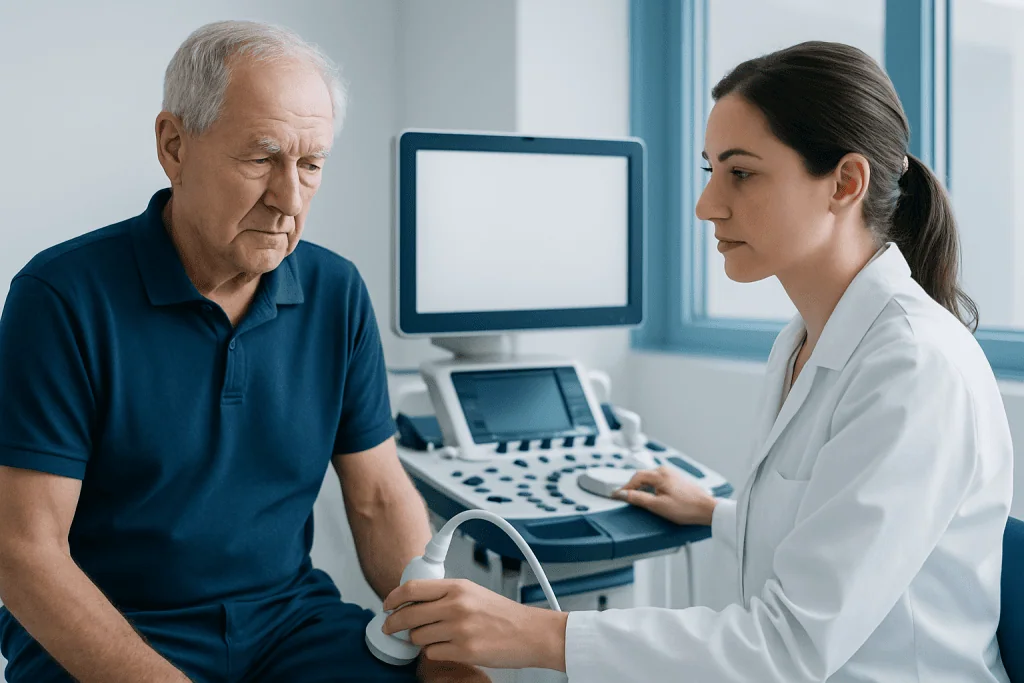
Sarcopenia can be subtle in the early stages. A person may not notice visible muscle loss, especially if body weight remains stable or increases. The first signs are often functional changes, such as reduced grip strength, walking more slowly, needing to use the arms to stand from a chair or feeling less confident on uneven ground.
Common symptoms and signs may include:
- Reduced strength when lifting, pushing or carrying objects
- Slower walking speed or shorter walking distance
- Difficulty climbing stairs or rising from a seated position
- Loss of balance, unsteadiness or falls
- Visible thinning of the arms or legs
- Fatigue during routine daily activities
- Unintentional weight loss or reduced appetite
These symptoms can also be caused by other conditions, including anemia, arthritis, heart or lung disease, neurological problems, depression, medication side effects or vitamin deficiencies. For this reason, new or worsening weakness should not be dismissed as just getting older. A medical assessment can identify contributing factors and guide safe treatment.
Causes and Risk Factors
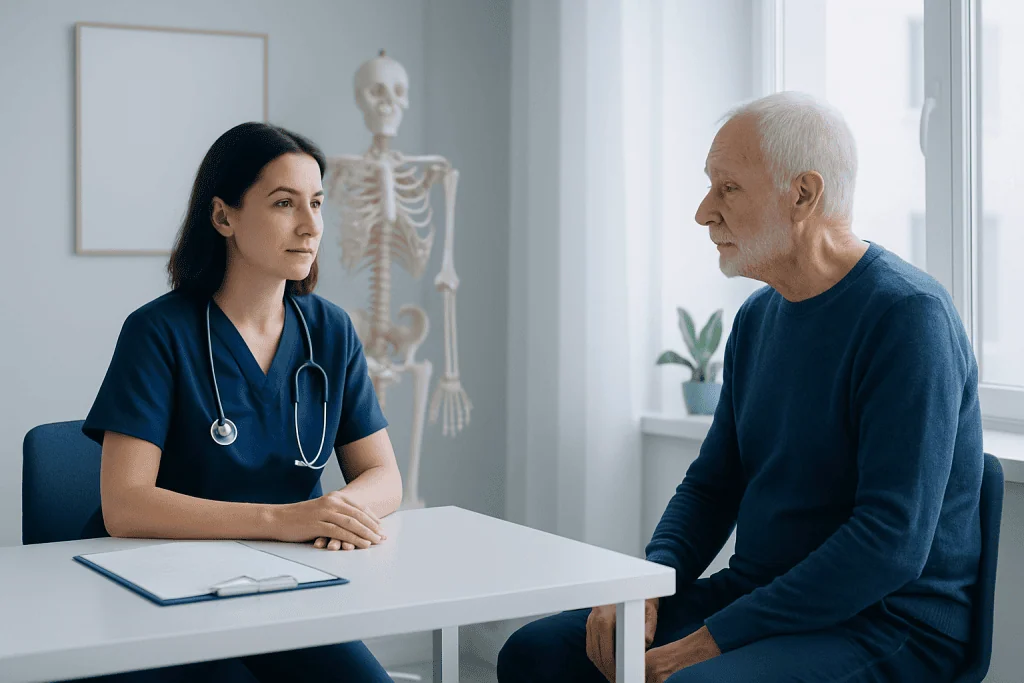
Sarcopenia develops through a combination of biological and lifestyle factors. With age, the body may become less efficient at building muscle protein after meals and exercise. Hormonal changes, low-grade inflammation, reduced nerve signals to muscles and lower activity levels can also contribute. Muscle fibers may shrink, and fast-twitch fibers, which are important for quick movements and fall prevention, can be especially affected.
Physical inactivity is one of the strongest modifiable risk factors. Periods of bed rest, hospitalization, sedentary routines or fear of falling can lead to rapid deconditioning. Nutrition also matters: not eating enough protein, total calories or key micronutrients can make it harder to maintain muscle. Dental problems, swallowing difficulties, digestive disorders, loneliness and limited access to balanced meals may all affect food intake in older adults.
Other risk factors include chronic diseases such as diabetes, kidney disease, chronic obstructive pulmonary disease, heart failure, cancer and inflammatory conditions. Some medications may contribute indirectly by causing fatigue, reduced appetite, dizziness or reduced activity. Obesity can coexist with sarcopenia, a situation sometimes called sarcopenic obesity, in which reduced muscle function is hidden by higher body weight. This is why strength and performance are more important than body size alone.
Diagnosis and Assessment
Diagnosis usually starts with a discussion of symptoms, medical history, activity level, diet, medications and recent changes in weight or function. A doctor may ask about falls, mobility, appetite, chronic illnesses and ability to perform daily tasks. Physical examination may include checking strength, balance, gait and signs of nutritional or medical problems.
Simple performance tests are often useful. Grip strength can be measured with a handheld device. Walking speed, chair-stand tests and balance tests help assess how muscle changes affect daily function. In some cases, body composition tests such as dual-energy X-ray absorptiometry or bioelectrical impedance analysis may be used to estimate muscle mass. The choice of test depends on availability, the clinical setting and the person’s overall health.
Blood tests do not diagnose sarcopenia by themselves, but they can help find contributing conditions. A clinician may evaluate anemia, thyroid function, vitamin D status, kidney or liver function, inflammation, diabetes control and other concerns when appropriate. Because sarcopenia often has several causes, a multidisciplinary approach involving physicians, physiotherapists, dietitians and rehabilitation specialists may provide the most complete assessment.
Treatment Options: Exercise and Rehabilitation
Exercise is the foundation of sarcopenia treatment. The most effective type is progressive resistance training, which means muscles work against a gradually increasing challenge. This can be done with weight machines, free weights, resistance bands, body-weight movements or water-based resistance. The goal is not bodybuilding; it is to improve strength, balance, confidence and the ability to perform everyday activities.
A safe program usually targets major muscle groups, including the legs, hips, back, chest, shoulders, arms and core. Exercises may include sit-to-stand practice, step-ups, leg presses, wall push-ups, rowing movements and heel raises. Balance and flexibility training are often added, especially for people with a history of falls or stiffness. Walking, cycling or swimming can support cardiovascular health, but aerobic exercise alone is usually not enough to rebuild strength.
Older adults, people with heart disease, joint problems, osteoporosis, neurological conditions or recent surgery should seek medical advice before starting a new program. A physiotherapist can adapt exercises to pain, mobility limits and fall risk. Progress should be gradual, with attention to correct technique, recovery time and consistency. Even small improvements, such as standing from a chair more easily or walking with better stability, can meaningfully improve quality of life.
Nutrition for Muscle Health
Nutrition works together with exercise to support muscle repair and growth. Protein is especially important because it provides amino acids needed to build and maintain muscle tissue. Many older adults benefit from spreading protein across meals rather than eating most of it at dinner. Good sources include fish, poultry, eggs, dairy products, legumes, soy foods, nuts, seeds and lean meats, depending on cultural preferences and medical needs.
Total energy intake is also important. If a person eats too little overall, the body may use protein for energy rather than muscle maintenance. Unintentional weight loss should be discussed with a healthcare professional, particularly if appetite is low or chewing, swallowing or digestive symptoms are present. For people with kidney disease, liver disease or other medical conditions, protein advice should be individualized by a doctor or dietitian.
Vitamin D, calcium and other micronutrients may support bone and muscle health when intake or blood levels are low. However, supplements are not a substitute for balanced meals and exercise, and they should be used thoughtfully. A dietitian can help plan meals that are practical, enjoyable and safe, especially for people with diabetes, heart disease, kidney disease, digestive conditions or food restrictions.
Prevention and Everyday Self-care
Preventing sarcopenia is best approached as a long-term lifestyle habit. Regular movement throughout the day helps muscles receive frequent signals to stay active. In addition to planned exercise, simple choices such as standing up regularly, walking to nearby destinations, gardening, carrying light groceries or using stairs when safe can support function.
Self-care strategies that may help include:
- Doing strength exercises at least several times per week, with professional guidance if needed
- Including protein-rich foods at breakfast, lunch and dinner
- Maintaining social meals or meal routines to reduce skipped meals
- Checking vision, footwear and home hazards to reduce fall risk
- Managing chronic diseases and reviewing medications regularly
- Sleeping well and allowing recovery after exercise
Prevention also includes avoiding long periods of inactivity. After illness, injury or hospitalization, early and safe mobilization is important when medically allowed. Family members and caregivers can help by encouraging independence, providing safe opportunities for movement and supporting nourishing meals rather than taking over all physical tasks too quickly.
When to See a Doctor
A person should speak with a doctor if they notice new weakness, repeated falls, difficulty walking, unintentional weight loss, reduced appetite or a rapid decline in daily function. Medical advice is also important before starting resistance training if there is chest pain, severe shortness of breath, dizziness, uncontrolled blood pressure, recent surgery, significant joint pain or a complex chronic condition.
Urgent medical care is needed if weakness appears suddenly, affects one side of the body, occurs with facial drooping, speech difficulty, severe headache, confusion, chest pain or sudden shortness of breath. These symptoms may indicate conditions other than sarcopenia and require prompt assessment.
For ongoing concerns, a personalized plan may include medical evaluation, physiotherapy, nutrition counseling and monitoring of progress. Acibadem International’s multidisciplinary specialists and JCI-accredited hospitals diagnose and treat muscle loss and related mobility problems for international patients, including those who need coordinated rehabilitation and nutrition support.
Frequently asked questions
Is sarcopenia the same as normal aging?
Sarcopenia is related to aging, but it is not simply an unavoidable part of getting older. It refers to a clinically meaningful loss of muscle strength, muscle quantity or physical performance. Many factors, including inactivity, poor nutrition and chronic disease, can accelerate it.
Can sarcopenia be reversed?
Many people can improve strength, balance and daily function with resistance exercise, adequate nutrition and treatment of underlying causes. The degree of improvement varies depending on age, health conditions, severity and consistency with the plan. Early action usually gives the best opportunity for progress.
What type of exercise is best for sarcopenia?
Progressive resistance training is usually the most important form of exercise for sarcopenia. It may involve weights, resistance bands, machines or body-weight movements such as sit-to-stand exercises. Balance training and aerobic activity are often added for fall prevention and overall health.
How much protein do older adults need for muscle health?
Protein needs vary based on body size, activity level, medical conditions and kidney function. Many older adults need to pay closer attention to protein quality and distribution across meals. A doctor or dietitian can provide individualized guidance, especially for people with kidney disease or other chronic conditions.
Can someone have sarcopenia even if they are overweight?
Yes. Sarcopenia can occur in people with higher body weight, and reduced muscle strength may be hidden by excess body fat. This is sometimes called sarcopenic obesity. Functional tests such as grip strength, walking speed and chair-stand ability can be more informative than weight alone.
Are supplements necessary for sarcopenia?
Supplements may help when a person has low intake or a confirmed deficiency, such as low vitamin D or inadequate protein intake. They should not replace balanced meals or strength training. It is best to discuss supplements with a healthcare professional to avoid unnecessary or unsafe use.
When should family members be concerned about muscle loss?
Family members should be attentive if an older adult starts walking more slowly, avoids stairs, has difficulty rising from a chair, falls, loses weight without trying or stops usual activities. These changes deserve a medical review because they may be related to sarcopenia or another treatable condition. Supportive encouragement, safe movement and nutritious meals can make a meaningful difference.
References
- World Health Organization
- European Working Group on Sarcopenia in Older People
- National Institute on Aging
- American College of Sports Medicine
- British Geriatrics Society
This article is for general information only and is not a substitute for professional medical advice. Please consult a qualified doctor about your individual situation.
Medical weight-loss options in Turkey — costs & eligibility
JCI-accredited · board-certified surgeons · reply within 24h
Add us as a Preferred Source to see more of our trusted health content across Google Search, AI Overviews and Discover.