Iron Deficiency: Fatigue, Nutrition, and When to Seek Testing

Iron helps the body make hemoglobin, the protein in red blood cells that carries oxygen. Fatigue, weakness, shortness of breath with activity, dizziness and restless legs can be signs of low iron, but testing is needed to confirm the cause.
Key Takeaways
- Iron helps the body make hemoglobin, the protein in red blood cells that carries oxygen.
- Fatigue, weakness, shortness of breath with activity, dizziness and restless legs can be signs of low iron, but testing is needed to confirm the cause.
- People with heavy menstrual bleeding, pregnancy, gastrointestinal blood loss, restricted diets or poor absorption are at higher risk.
- Iron-rich foods include meat, poultry, fish, legumes, tofu, leafy greens, fortified grains, nuts and seeds.
- Iron supplements should be used with medical guidance because too much iron can be harmful and symptoms may have other causes.
Iron deficiency is a common nutrition-related problem that can affect energy, concentration, exercise tolerance and overall wellbeing. It can often be improved with the right diagnosis, food choices and, when needed, medically guided supplementation.
Overview
Iron deficiency occurs when the body does not have enough iron to meet its needs. Iron is essential for making hemoglobin, the oxygen-carrying protein in red blood cells, and it also supports muscles, brain function, immunity and energy metabolism. When iron stores become low, a person may feel tired even after rest, notice reduced stamina, or have difficulty concentrating.
Iron deficiency can exist with or without anemia. In early stages, the body may have low iron stores, often reflected by low ferritin, while hemoglobin remains within the normal range. If deficiency continues, iron deficiency anemia may develop, meaning the body has fewer healthy red blood cells or less hemoglobin than it needs.
The good news is that iron deficiency is usually identifiable with simple blood tests and often treatable. However, it is important to understand why iron is low rather than only replacing it, especially in adults, because blood loss, absorption problems or underlying medical conditions may be involved.
Symptoms and How Fatigue Feels
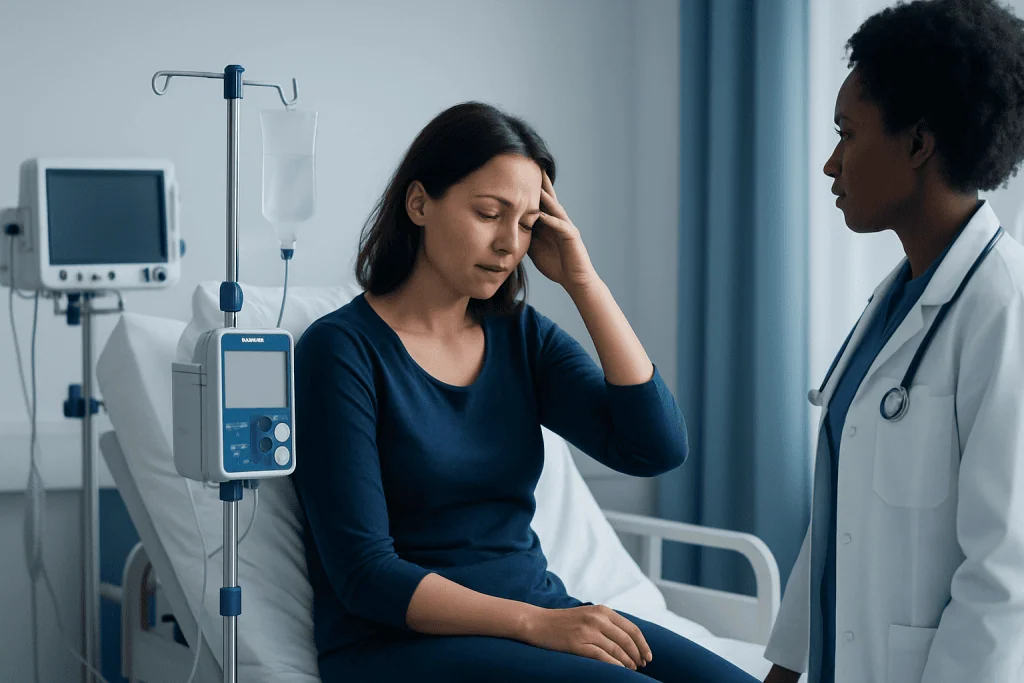
Fatigue related to iron deficiency is often described as a heavy, persistent tiredness that does not match the amount of activity performed. Some people feel unusually weak during exercise, climb stairs more slowly, or need more rest than usual. Others notice reduced mental focus, headaches, irritability or feeling cold more often than people around them.
As iron deficiency becomes more significant, symptoms may include shortness of breath with exertion, dizziness, palpitations, pale skin, brittle nails or hair shedding. Some people develop restless legs, cravings for non-food substances such as ice or clay, or soreness at the corners of the mouth. Symptoms can be mild and gradual, so they are sometimes mistaken for stress, poor sleep or a busy lifestyle.
These symptoms are not specific to iron deficiency. Thyroid disease, vitamin B12 or folate deficiency, depression, chronic infections, heart or lung conditions, sleep disorders and many other issues can also cause fatigue. This is why self-diagnosis is not recommended; blood testing helps identify the true cause and guides safe treatment.
Causes and Risk Factors
Iron deficiency develops when iron intake is too low, iron loss is too high, or absorption is reduced. In many people, more than one factor is present. For example, a person may eat little iron and also have heavy menstrual bleeding, making it difficult to maintain healthy iron stores.
Common risk factors include heavy or prolonged menstrual periods, pregnancy, recent childbirth, frequent blood donation, endurance training, vegetarian or vegan diets without careful planning, and diets low in iron-rich foods. Children and adolescents may also be at risk during periods of rapid growth, especially if their diet is limited.
In adults, gastrointestinal causes are important to consider. Slow blood loss from stomach ulcers, colon polyps, inflammatory bowel disease, hemorrhoids or other digestive tract conditions can lead to iron deficiency. Certain conditions and surgeries that affect the stomach or small intestine, including celiac disease and some bariatric procedures, can reduce iron absorption.
- Men and postmenopausal women with confirmed iron deficiency usually need evaluation for hidden blood loss.
- Pregnant people need enough iron to support increased blood volume and fetal development.
- People taking long-term acid-reducing medications or with chronic digestive symptoms should discuss absorption concerns with a doctor.
Nutrition: Iron-Rich Foods and Better Absorption
Dietary iron comes in two main forms: heme iron and non-heme iron. Heme iron is found in animal foods such as red meat, poultry and fish, and is generally absorbed more efficiently. Non-heme iron is found in plant foods such as beans, lentils, chickpeas, tofu, spinach, pumpkin seeds, nuts, dried fruit and iron-fortified cereals or breads.
Vitamin C can improve absorption of non-heme iron. Practical combinations include lentils with lemon juice, beans with peppers or tomatoes, fortified cereal with berries, or spinach with citrus. Cooking in cast iron cookware may also modestly increase iron content in some foods, particularly acidic dishes.
Some foods and drinks can reduce iron absorption if consumed at the same time as iron-rich meals or supplements. Tea, coffee, high-calcium foods, calcium supplements and some high-fiber bran products may interfere with absorption. This does not mean they must be avoided completely; spacing them away from the most iron-rich meal can be helpful for people trying to rebuild iron stores.
For people following vegetarian or vegan diets, iron needs can often be met with planning, but attention to absorption is especially important. Including legumes, soy foods, seeds, whole grains and fortified foods regularly, along with vitamin C-rich fruits or vegetables, can support healthy intake. A registered dietitian or qualified clinician can help personalize nutrition advice when iron levels are low.
Diagnosis and Testing
Iron deficiency is diagnosed with blood tests, not symptoms alone. A complete blood count can show whether anemia is present and whether red blood cells are smaller or paler than expected. Ferritin is commonly used to estimate iron stores, although it can be affected by inflammation, infection, liver disease and some chronic conditions.
Doctors may also order serum iron, transferrin saturation, total iron-binding capacity and inflammatory markers to better understand iron status. In some cases, tests for vitamin B12, folate, thyroid function, kidney function or celiac disease may be needed, especially when fatigue is persistent or results are unclear.
When iron deficiency is confirmed, identifying the reason is a key part of care. A clinician will usually ask about menstrual bleeding, pregnancy, diet, digestive symptoms, medications, blood donation and family history. Depending on age, sex, symptoms and test results, further evaluation may include stool testing, gynecologic assessment, endoscopy, colonoscopy or other investigations.
Treatment Options
Treatment depends on the severity of deficiency, whether anemia is present, the underlying cause and the person’s tolerance. Many people improve with dietary changes plus oral iron supplementation prescribed or recommended by a healthcare professional. Supplements are available in different forms, and the best choice may depend on side effects, absorption and medical history.
Oral iron can cause nausea, constipation, abdominal discomfort or dark stools. Taking iron exactly as advised can improve tolerance and absorption. People should avoid taking extra iron without guidance, because excess iron can be harmful, particularly in children and in individuals with iron overload conditions.
Intravenous iron may be considered when oral iron is not tolerated, is not absorbed well, deficiency is significant, or iron needs to be corrected more quickly for medical reasons. Treating the cause is equally important: for example, managing heavy menstrual bleeding, addressing a gastrointestinal source of blood loss, or treating celiac disease if it is present.
Follow-up testing is often needed to confirm that hemoglobin and iron stores are improving. Even after symptoms get better, iron stores may take time to replenish. A doctor can advise how long treatment should continue and when to recheck ferritin and blood counts.
Prevention and Self-Care
Prevention begins with a balanced eating pattern that includes iron-rich foods appropriate to the person’s preferences, culture and medical needs. Regular meals with protein foods, legumes, whole grains, vegetables and vitamin C-rich produce can support iron intake. People at higher risk may need periodic screening, especially during pregnancy or when menstrual bleeding is heavy.
Self-care also includes paying attention to patterns. If fatigue appears after a change in diet, frequent blood donation, new digestive symptoms or heavier periods, it is worth discussing testing with a clinician. Keeping a simple record of symptoms, menstrual flow, diet changes and supplements can help the medical visit be more productive.
Iron supplements should be stored safely away from children, as accidental ingestion can be dangerous. People should also tell their doctor about all medicines and supplements they take, because iron can interact with certain medications, including some thyroid medicines, antibiotics and stomach medications. Timing may need to be adjusted under professional guidance.
When to See a Doctor
A person should seek medical advice if fatigue is persistent, worsening, unexplained or affecting daily life. Testing is also appropriate when fatigue is accompanied by shortness of breath with mild activity, dizziness, palpitations, heavy menstrual bleeding, black or bloody stools, unintentional weight loss, ongoing abdominal symptoms or new changes in bowel habits.
People who are pregnant, planning pregnancy, have recently given birth, follow a restricted diet, donate blood frequently, or have a history of anemia should discuss screening with a healthcare professional. Men and postmenopausal women with low iron should be assessed for possible hidden blood loss unless another clear cause is identified.
Acibadem International’s multidisciplinary specialists and JCI-accredited hospitals diagnose and treat iron deficiency and related conditions for international patients, including evaluation of nutritional, gynecologic and gastrointestinal causes. Wherever a person seeks care, the safest approach is individualized assessment, evidence-based testing and follow-up until both symptoms and iron stores are addressed.
Frequently asked questions
Can iron deficiency cause fatigue even without anemia?
Yes. Some people have low iron stores before hemoglobin falls enough to meet the definition of anemia. They may still experience fatigue, reduced exercise tolerance, poor concentration or restless legs, but blood tests are needed to confirm iron status.
What is the difference between ferritin and hemoglobin?
Hemoglobin is the oxygen-carrying protein in red blood cells and helps show whether anemia is present. Ferritin reflects stored iron in the body and can be low before anemia develops. Because ferritin can rise with inflammation, doctors interpret it alongside symptoms and other blood tests.
Should someone take iron supplements if they feel tired?
Not without medical guidance. Fatigue has many possible causes, and taking iron when it is not needed can be harmful. A doctor can order appropriate tests and recommend the right treatment if iron deficiency is confirmed.
Which foods help improve iron levels?
Iron-rich foods include red meat, poultry, fish, lentils, beans, chickpeas, tofu, pumpkin seeds, spinach, dried fruit and fortified cereals. Pairing plant-based iron sources with vitamin C-rich foods, such as citrus, berries, tomatoes or peppers, can improve absorption.
How long does it take to feel better after treatment?
Some people notice improved energy within a few weeks of appropriate treatment, but the timing varies. Rebuilding iron stores often takes longer than correcting symptoms. Follow-up blood tests help confirm whether treatment is working and whether it should continue.
Can coffee or tea affect iron absorption?
Yes, compounds in coffee and tea can reduce non-heme iron absorption when consumed with iron-rich meals or supplements. People trying to improve iron levels may benefit from drinking coffee or tea between meals rather than at the same time as their main iron sources.
References
- World Health Organization
- National Institutes of Health Office of Dietary Supplements
- British Society of Gastroenterology
- American Society of Hematology
- Mayo Clinic
This article is for general information only and is not a substitute for professional medical advice. Please consult a qualified doctor about your individual situation.
Medical weight-loss options in Turkey — costs & eligibility
JCI-accredited · board-certified surgeons · reply within 24h
Add us as a Preferred Source to see more of our trusted health content across Google Search, AI Overviews and Discover.