Restorative Dental Treatment
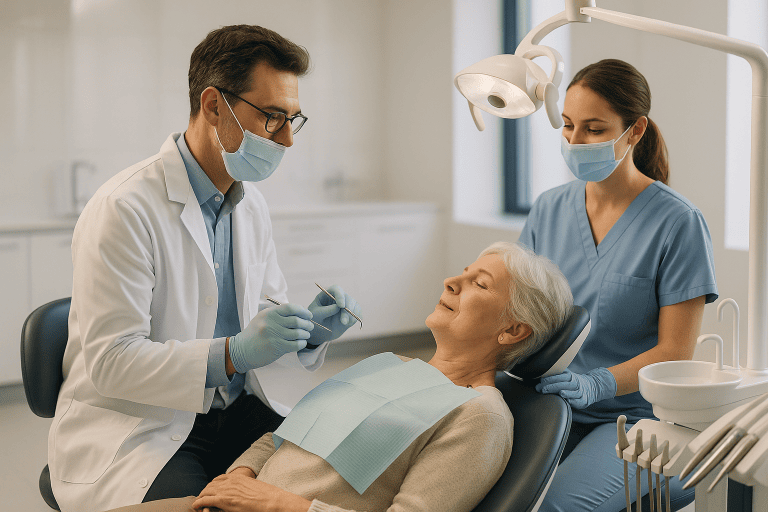
Restorative dental treatment is a group of procedures that repair or replace teeth damaged by decay, injury, wear, or infection. Options include fillings, crowns, inlays and onlays, root canal treatment, bridges, dental…
Quick answer
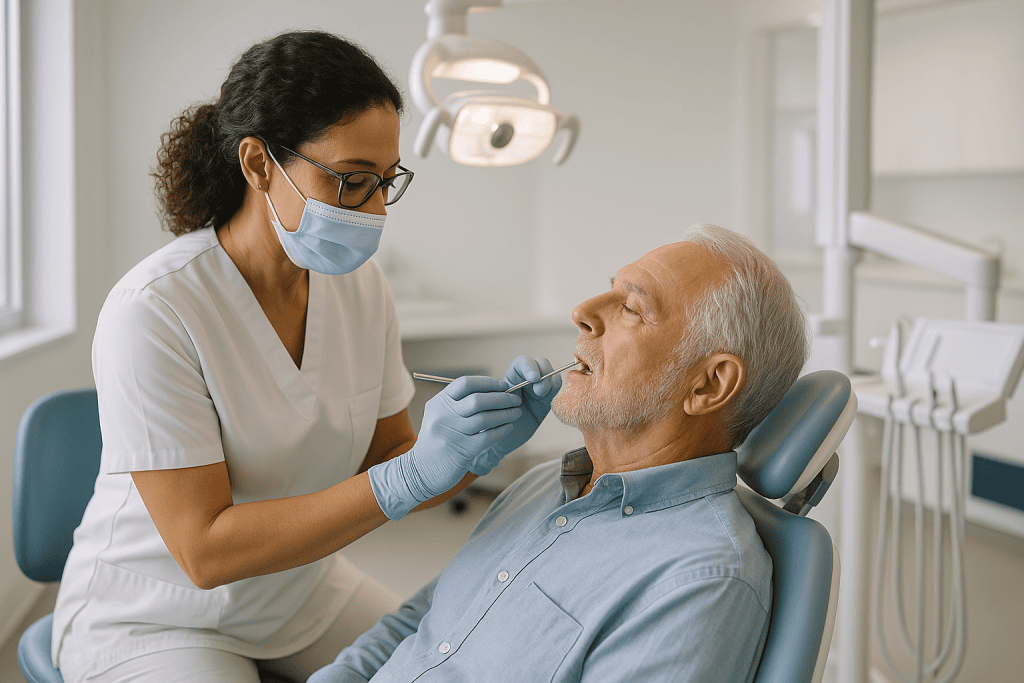
Restorative dental treatment repairs or replaces damaged or missing teeth to restore chewing function, protect remaining tooth structure, and relieve pain. It includes fillings, crowns, inlays, root canal treatment, bridges, implants, and dentures. Most procedures are done under local anesthesia in an outpatient dental setting, with recovery ranging from a day to several months.
What is restorative dental treatment?
Restorative dental treatment is the group of dental procedures used to repair or replace teeth that have been damaged by decay, injury, wear, or disease. The goal is to restore the shape, strength, and function of the teeth so that you can chew, speak, and clean your mouth comfortably. It also aims to protect the remaining natural tooth structure and, where possible, prevent further problems.
The term covers a range of procedures rather than one single treatment. Common examples include:
- Fillings – removing decayed tooth material and filling the space with a tooth-colored composite resin, dental amalgam (a metal mixture), or glass ionomer.
- Crowns – a custom-made cap that covers a weakened or broken tooth to protect it.
- Inlays and onlays – laboratory-made pieces that fit into or over a damaged part of a tooth when a filling would be too small and a crown would remove too much tooth.
- Root canal treatment – removing infected or inflamed pulp (the soft tissue inside the tooth) and sealing the inner canals, usually followed by a filling or crown.
- Bridges – artificial teeth attached to neighboring teeth or implants to replace one or more missing teeth.
- Dental implants – titanium posts placed into the jawbone to support a crown, bridge, or denture.
- Dentures – removable replacements for several or all missing teeth.
Restorative dental treatment is used for conditions such as tooth decay (cavities), cracked or chipped teeth, teeth worn down by grinding or acid, failed or leaking older fillings, infection inside a tooth, and gaps left by missing teeth. In many hospital groups, including Acibadem, these procedures are managed within the Dental & Oral Health department, often alongside gum specialists and oral surgeons when a case involves the bone or soft tissues.
Who is a candidate for restorative dental treatment?
People often ask who needs restorative dental treatment. In general, a dentist may recommend it if you have:
- A cavity that has broken through the enamel (the hard outer layer of the tooth) and needs to be cleaned out and filled.
- A tooth that is cracked, chipped, or broken, whether from an accident or from biting on something hard.
- A large old filling that has worn, cracked, or started to leak, allowing bacteria underneath.
- Tooth pain, swelling, or sensitivity that suggests the pulp inside the tooth is inflamed or infected.
- One or more missing teeth that affect chewing, speech, or the position of neighboring teeth.
- Teeth that are severely worn, causing changes in bite or appearance.
Restorative treatment is used for children and adults, although the type of material and approach may differ by age.
There are situations in which a particular restorative option may not be suitable, or may need to be delayed:
- Active gum disease (infection and inflammation of the gums and supporting bone) usually needs to be controlled first, because restorations placed on unstable foundations tend not to last.
- Teeth that cannot be saved – if too little healthy tooth remains, or a crack extends below the gum into the root, extraction and replacement may be the more realistic option.
- Dental implants may not be appropriate for people with insufficient jawbone, uncontrolled diabetes, heavy smoking, certain bone medications, or recent radiation treatment to the jaw. Your dentist may suggest alternatives or additional steps such as bone grafting.
- Some medical conditions – for example, a very recent heart attack, uncontrolled bleeding disorders, or certain immune conditions – may require coordination with your physician before longer procedures.
- Pregnancy – urgent restorative care is generally considered safe, but non-urgent, lengthy procedures are often scheduled after delivery or during the second trimester, depending on the dentist’s advice.
Only a dental examination, usually with X-rays, can confirm whether a specific tooth is a good candidate for a specific restoration.
How the restorative dental treatment procedure works
The restorative dental treatment procedure varies with the type of repair, but most follow a similar pattern.
Before the procedure
The dentist examines your mouth, takes X-rays or, in some cases, a three-dimensional scan, and checks how your teeth meet when you bite. You will be asked about your medical history, medications, and any allergies, especially to local anesthetics, metals, or latex. The dentist then explains the options, the materials that could be used, and how many visits are likely to be needed.
During the procedure
- Numbing: Most restorative work is done under local anesthesia, an injection that numbs the tooth and surrounding gum while you stay awake. Sedation (medication to help you relax) may be offered for anxious patients or long sessions. General anesthesia is uncommon and is usually reserved for very young children, people with special needs, or extensive surgery.
- Fillings: The dentist removes decayed or weakened material with a drill or other instrument, cleans the cavity, and places the filling material in layers, shaping it to match your bite. Composite fillings are hardened with a special light.
- Crowns, inlays, and onlays: The tooth is reshaped to make room for the restoration, and an impression or digital scan is taken. A temporary cover is often placed while a laboratory makes the final piece, which is fitted and cemented at a second visit. Some clinics can mill a ceramic crown on the same day.
- Root canal treatment: A small opening is made in the top of the tooth, the infected pulp is removed, and the canals are cleaned, disinfected, and filled with a rubber-like material. The tooth is then sealed and usually protected with a crown.
- Bridges: The teeth on either side of the gap are prepared for crowns, and a connected unit with the replacement tooth is made and fixed in place.
- Implants: An oral surgeon or trained dentist places the implant post into the jawbone in a minor surgical procedure. The bone is then allowed to heal and bond with the implant over several months before the final crown is attached.
- Dentures: Impressions and bite records are taken over several appointments, and the finished denture is adjusted for comfort.
After the procedure
The dentist checks that the restoration does not interfere with your bite and gives instructions about eating, cleaning, and what sensations are normal. Numbness usually wears off within a few hours. A follow-up visit may be scheduled to review healing or to fit a permanent restoration.
Preparation for restorative dental treatment
Preparation is usually simple, but a few steps can make the visit go more smoothly:
- Bring a list of your medications, including blood thinners, supplements, and any bone-strengthening drugs, so the dentist can plan safely.
- Tell the dental team about heart conditions, artificial joints, diabetes, or previous reactions to anesthesia. Some patients may need antibiotics before certain procedures, but this is decided case by case.
- Eat a light meal beforehand if you will only have local anesthesia; if sedation or general anesthesia is planned, you will be given specific fasting instructions.
- Brush and floss before the appointment to reduce the amount of bacteria in your mouth.
- Arrange transportation if you will be sedated, because you should not drive afterward.
- If you smoke, your dentist may advise stopping for a period before and after implant or surgical procedures, as smoking is associated with slower healing.
- Plan your schedule: crowns, bridges, and implants generally need more than one visit, sometimes spread over weeks or months.
Recovery and aftercare after restorative dental treatment
Restorative dental treatment recovery time depends heavily on the procedure. For a simple filling, many patients return to normal activities the same day. Mild sensitivity to hot, cold, or pressure is common and typically settles within days to a few weeks. After a crown or root canal, some tenderness in the gum or when biting is often reported for a few days.
Implant surgery has the longest recovery. Soreness and swelling are common in the first few days, and most people manage with over-the-counter pain relievers as advised by their dentist. The bone typically needs several months to bond with the implant before the final tooth is attached, although this varies with the site and the person’s healing.
General aftercare advice includes:
- Avoid chewing on the numb side until sensation returns, to prevent biting your cheek or tongue.
- Wait for the time your dentist recommends before eating hard or sticky foods, especially with a temporary crown or a fresh amalgam filling.
- Continue brushing twice a day with fluoride toothpaste and cleaning between teeth daily; restorations can still develop decay at their edges.
- After surgical procedures, follow instructions about rinsing gently, avoiding straws, and not smoking.
- Wear a night guard if recommended, because grinding can crack both natural teeth and restorations.
- Keep follow-up appointments so the dentist can check the fit and the health of the surrounding gum.
If sensitivity is severe, worsens over time, or your bite feels high or uneven, the restoration may need a small adjustment. This is common and usually quick to correct.
Risks and side effects
When weighing restorative dental treatment risks and benefits, it helps to know that most procedures are routine and complications are uncommon. Still, possible issues include:
- Temporary sensitivity or discomfort after the anesthesia wears off, usually short-lived.
- Pulp irritation – deep fillings or crown preparation can occasionally inflame the nerve inside the tooth, and in some cases a root canal is needed later.
- Bite problems if the restoration sits slightly high, correctable with adjustment.
- Fracture or wear of the restoration or the tooth over time, particularly with heavy grinding.
- Recurrent decay at the margins of a filling or crown if oral hygiene is not maintained.
- Allergic reaction to materials, which is rare but possible with certain metals or resins.
- Root canal complications such as a missed canal, persistent infection, or a fractured instrument, sometimes requiring retreatment or referral to an endodontist (a root canal specialist).
- Implant-specific risks including infection at the site, injury to nearby nerves or sinuses, failure of the implant to bond with the bone, and later gum disease around the implant.
- Anesthesia-related effects such as bruising at the injection site or, rarely, prolonged numbness.
Your dentist may discuss which of these are more relevant to your situation and how they can be reduced, for example by treating gum disease first or protecting restorations with a night guard.
Results and outlook
The general clinical experience is that well-made restorations, placed on healthy teeth and cared for properly, can function for many years. Fillings, crowns, and bridges are not permanent in the sense of lasting a lifetime; they are subject to wear and may eventually need repair or replacement. Longevity is influenced by the material chosen, the size and position of the restoration, how you chew, whether you grind your teeth, your oral hygiene, and how regularly you attend check-ups.
Root canal treatment allows many infected teeth to be kept rather than extracted, and a crowned tooth after root canal typically performs well in daily use. Dental implants, when they integrate successfully with the bone, are widely regarded as a stable long-term option for replacing missing teeth, although they require the same level of cleaning and monitoring as natural teeth.
Restorative treatment does not cure the underlying causes of decay or wear. Ongoing attention to diet, fluoride, and daily cleaning remains the main way to protect both natural teeth and restorations.
Cost considerations
The cost of restorative dental treatment varies widely and is best discussed directly with the treating clinic. Factors that generally influence price include:
- The type of procedure – a small filling involves less time and material than a root canal followed by a crown, or an implant with a bone graft.
- Materials – tooth-colored ceramics, gold alloys, and composite resins differ in cost, and laboratory-made pieces add a fabrication fee.
- Number of teeth and how many visits are needed.
- Diagnostic imaging, such as three-dimensional scans used to plan implants.
- Anesthesia or sedation beyond standard local numbing.
- Specialist involvement, for example an oral surgeon, endodontist, or prosthodontist (a specialist in replacing teeth).
- Follow-up care, adjustments, and any temporary restorations.
Restorative work is almost always performed on an outpatient basis, so a hospital stay is rarely part of the cost. Insurance coverage differs between plans and countries, and some materials or procedures may be classed as elective or cosmetic.
Frequently asked questions
How long does restorative dental treatment recovery time usually take?
It depends on the procedure. Many patients feel normal within a day after a filling, apart from mild sensitivity that often fades within a couple of weeks. Crowns and root canals may cause a few days of tenderness. Implant surgery typically involves several days of soreness and swelling, and several months of healing before the final tooth is placed.
Is the restorative dental treatment procedure painful?
Most procedures are performed under local anesthesia, so the tooth and gum are numb during treatment. You may feel pressure or vibration but usually not sharp pain. Afterward, mild discomfort is common and is generally managed with over-the-counter pain relief as advised by your dentist. Let the team know if you feel pain during treatment, as additional anesthetic can often be given.
Who needs restorative dental treatment most often?
People with cavities that have passed through the enamel, cracked or broken teeth, worn or leaking old fillings, infected tooth pulp, or missing teeth are the most common candidates. Both children and adults may need it. A dental examination with X-rays is the usual way to determine whether treatment is needed and which option is appropriate.
What are the main restorative dental treatment risks and benefits?
The main benefits are relief of pain, restored chewing function, protection of the remaining tooth, and improved appearance. Risks include temporary sensitivity, nerve irritation that may later require root canal, bite adjustment, wear or fracture of the restoration, and, for implants, infection or failure to bond with bone. Serious complications are uncommon, and your dentist can explain which risks apply to your case.
How long do fillings, crowns, and implants last?
No restoration lasts forever, and the lifespan varies with material, position in the mouth, chewing habits, and oral hygiene. Fillings and crowns commonly serve for many years before needing repair or replacement. Implants that integrate well with bone are generally considered a durable option, but they still depend on healthy gums and regular cleaning.
Can restorative dental treatment be done in one visit?
Fillings and many root canals can often be completed in a single appointment. Crowns, inlays, and bridges usually need two visits unless the clinic has same-day milling technology. Implants involve at least two stages separated by a healing period. Your dentist can outline the expected number of visits for your plan.
Do I still need check-ups after restorative dental treatment?
Yes. Restorations can develop decay at their edges, and gums around crowns and implants can become inflamed. Regular examinations allow small problems to be found and corrected early, which often prevents the need for larger repairs.
When to see a doctor
You should arrange a dental assessment if you notice any of the following, as they may indicate a problem that restorative treatment can address:
- Tooth pain, especially pain that wakes you at night or lingers after hot or cold drinks.
- A visible hole, dark spot, or rough edge on a tooth.
- A chipped, cracked, or broken tooth, or a filling that has fallen out.
- Swelling of the gum, a pimple-like bump near a tooth, or a bad taste that does not go away.
- Difficulty chewing, a changed bite, or teeth that appear shorter or worn.
- A missing tooth, or neighboring teeth that seem to be drifting into a gap.
After a restorative dental treatment procedure, contact your dental team promptly, or seek urgent care, if you experience:
- Severe or increasing pain not controlled by recommended pain relief.
- Swelling of the face, jaw, or neck, particularly if it spreads or makes swallowing or breathing difficult, which is a medical emergency.
- Fever or chills after a root canal, extraction, or implant surgery.
- Bleeding that does not stop with gentle pressure after surgical procedures.
- Numbness that lasts well beyond the expected duration of the anesthetic.
- A restoration or temporary crown that comes loose or breaks, or a bite that feels noticeably high after several days.
- Pus, a foul smell, or persistent bleeding from the gum around an implant or crown.
Early assessment by a dentist or, for complex cases, a specialist in dental and oral health, helps keep small problems from becoming larger ones.
Preparation
- Bring a full list of medications and tell the dental team about heart conditions, diabetes, bleeding disorders, or previous anesthesia reactions. Brush and floss before the visit, and eat a light meal unless you are given fasting instructions for sedation. Arrange transport if sedation is planned, and ask how many visits your treatment will need.
Aftercare
- Avoid chewing on the numb side until sensation returns and follow your dentist's advice about hard or sticky foods, especially with temporary crowns. Expect mild sensitivity for days to a few weeks and use recommended pain relief if needed. Keep brushing twice daily, clean between teeth, avoid smoking after surgical procedures, and attend follow-up visits so the fit and surrounding gum can be checked.
Medically reviewed by the Acıbadem International Medical Board — September 13, 2026
See our medical review board →
Update history
- PublishedSeptember 13, 2026
- Medical review approvedSeptember 13, 2026
- Last content updateSeptember 13, 2026