Manual Therapy
Manual therapy is a group of hands-on techniques, including joint mobilization, manipulation, and soft tissue work, delivered by trained rehabilitation clinicians to reduce pain and improve movement. It is commonly used for…
Quick answer
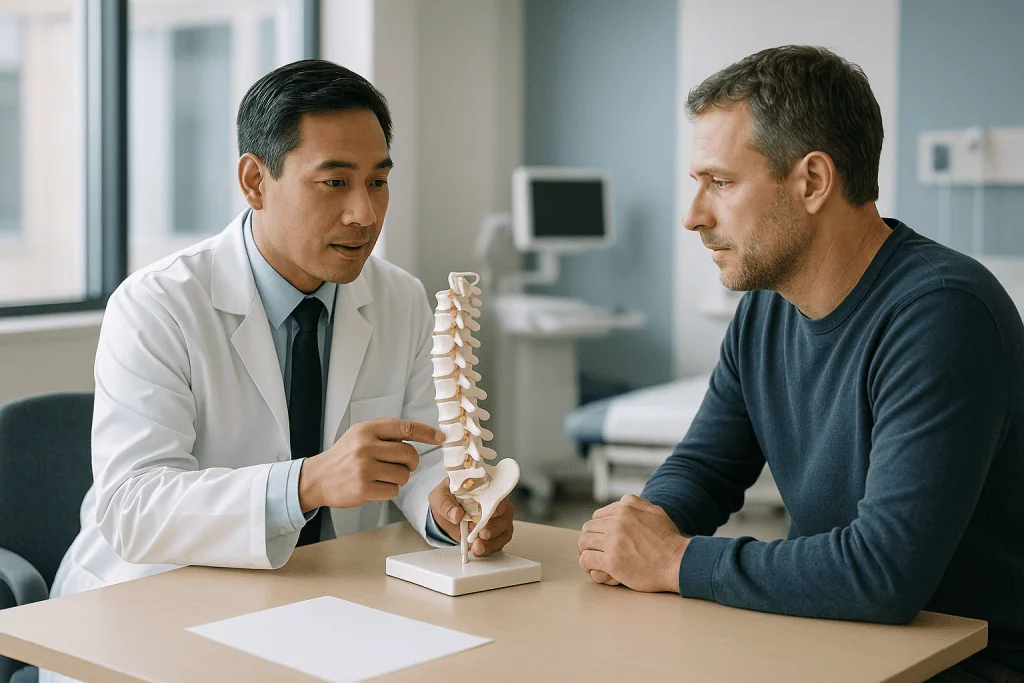
Manual therapy is a hands-on, non-surgical treatment in which a trained clinician moves, stretches, or applies pressure to joints, muscles, and soft tissues to reduce pain and improve movement. It is often used for back, neck, and shoulder problems, usually combined with exercise, and most people return to normal activities the same day.
What is manual therapy?
Manual therapy is a hands-on form of treatment in which a trained clinician uses their hands to move, stretch, or apply controlled pressure to your joints, muscles, and other soft tissues. It does not involve surgery, needles, or medication. The aim is usually to ease pain, restore normal movement, and help the body move more efficiently. Manual therapy is most often delivered by physical therapists (also called physiotherapists), osteopathic physicians, or other rehabilitation specialists with specific training in these techniques. In many hospital settings, including Acibadem, it is coordinated through the Physical Medicine & Rehabilitation department alongside exercise therapy and other treatments.
Manual therapy is an umbrella term. Common techniques include:
- Joint mobilization – slow, repeated, controlled movements of a joint within or at the edge of its normal range, intended to reduce stiffness.
- Joint manipulation – a quick, small movement applied to a joint, sometimes producing a popping or cracking sound. This is the technique many people associate with spinal adjustments.
- Soft tissue mobilization – massage-like pressure applied to muscles and tendons to relax tight tissue.
- Myofascial release – sustained gentle pressure on the fascia, the thin connective tissue that surrounds muscles.
- Muscle energy techniques – the patient gently contracts a muscle against the clinician’s resistance to help a joint or muscle move more freely.
- Trigger point therapy – focused pressure on small, tender knots within a muscle.
Manual therapy is commonly used for mechanical pain, which means pain that changes with posture or movement. Conditions in which it is often considered include low back pain, neck pain, tension-type headaches that arise from the neck, shoulder stiffness such as frozen shoulder (adhesive capsulitis), stiffness after a joint has been immobilized in a cast or splint, some sports injuries such as sprains, osteoarthritis-related stiffness, jaw (temporomandibular joint) disorders, and general loss of mobility after surgery once the surgeon has approved it. It is almost always combined with an exercise program rather than used on its own.
Who is a candidate
Understanding who needs manual therapy starts with a proper assessment. In general, adults with pain or stiffness that is related to movement, and who have no signs of a serious underlying disease, are the typical candidates. Your clinician may suggest manual therapy if you have:
- Neck or back pain that limits daily activities.
- A stiff joint after injury, surgery, or a period of immobilization.
- Reduced range of motion in the shoulder, hip, knee, or ankle.
- Muscle tightness that has not improved with rest and simple exercises.
- Headaches that appear to be linked to neck posture or neck movement.
Manual therapy is not suitable for everyone, and some techniques, particularly forceful manipulation, carry more restrictions than gentle mobilization. Situations in which your clinician may avoid manual therapy, or adapt it significantly, include:
- A known or suspected fracture (broken bone) in the area to be treated.
- Cancer that has spread to bone, or a tumor in the treatment area.
- Severe osteoporosis (thinning of the bones), which increases fracture risk.
- Infection in a joint, bone, or the overlying skin.
- Active flare of inflammatory arthritis such as rheumatoid arthritis.
- Bleeding disorders or treatment with blood-thinning medication, which raise the risk of bruising and bleeding into tissues.
- Symptoms suggesting nerve or spinal cord compression, such as weakness in the legs, numbness in the groin, or loss of bladder or bowel control.
- Dizziness, fainting, or visual disturbance on turning the head, which may point to a blood-vessel problem in the neck.
- Recent surgery in the area, unless the surgeon has cleared hands-on treatment.
- Pregnancy, in which many techniques are still possible but are modified.
Children and older adults can receive manual therapy, but techniques are usually adjusted, and forceful spinal manipulation in young children is generally approached with caution.
How the procedure works
A manual therapy procedure is typically simple from the patient’s point of view. It is delivered in an outpatient setting, and you go home the same day.
Before the session. Your clinician takes a detailed history, asking about how the pain started, what makes it better or worse, previous injuries, medications, and general health. They then perform a physical examination, watching how you move, testing joint range and muscle strength, and gently pressing on tissues to find tender or stiff areas. If you have imaging such as X-rays or an MRI (magnetic resonance imaging, a detailed scan of soft tissue), the clinician may review the reports. Based on this, they explain which techniques they propose, what you are likely to feel, and the possible side effects, and they ask for your consent.
During the session. You lie or sit on a padded treatment table in a position that gives access to the affected area. The clinician places their hands on the joint or muscle and applies the chosen technique. Mobilization feels like a slow, rhythmic rocking or gliding of the joint. Soft tissue work feels like firm massage. Manipulation involves a brief, quick movement and may be accompanied by a popping sound, which is thought to come from gas releasing within the joint fluid and is not bone moving against bone. You should feel pressure and stretch, but treatment should not cause sharp pain. You are encouraged to speak up at any time, and the clinician will adjust the force or stop.
After the session. The clinician usually re-tests your movement to see whether anything has changed and then teaches you exercises or postural advice to reinforce the treatment at home. Sessions typically last 30 to 60 minutes, of which the hands-on component may be only part. Manual therapy is generally delivered as a course, for example one or two sessions a week over several weeks, with progress reviewed along the way.
Preparation for manual therapy
Preparation for manual therapy is straightforward, but a few practical steps make the session safer and more useful.
- Wear loose, comfortable clothing that allows the clinician to reach the area being treated and lets you move freely.
- Bring any imaging reports, previous treatment notes, and a list of your medications, including over-the-counter drugs and supplements.
- Tell the clinician about blood thinners, recent steroid injections, osteoporosis, cancer history, pregnancy, or any episodes of dizziness, fainting, or unexplained weight loss.
- Avoid a heavy meal immediately before the appointment, since you may be lying face down or on your side.
- Do not take extra pain medication just before the session unless your doctor advises it, because pain feedback helps the clinician judge how much force to use.
- Write down your main goals, for example being able to turn your head while driving, so the treatment can be focused on what matters to you.
Recovery and aftercare
Manual therapy recovery time is usually short. Because there is no incision or anesthesia, most people walk out of the clinic and return to normal daily activities the same day. However, the tissues that were treated may respond over the following hours.
- Mild soreness or a feeling of having exercised is common for 24 to 48 hours after a session and typically fades on its own.
- Some people feel looser and less painful immediately; for others, improvement becomes noticeable only after several sessions.
- Your clinician may recommend gentle movement, walking, and staying well hydrated rather than complete rest.
- Heavy lifting, intense sport, or prolonged awkward postures are often best avoided for the rest of the day after treatment, unless advised otherwise.
- Heat or cold packs may be suggested for temporary soreness; follow the specific instructions you were given.
- Home exercises are a core part of aftercare. Many patients find that the benefit of hands-on treatment lasts longer when combined with regular exercise.
A typical course lasts several weeks, but this varies widely depending on the condition, how long it has been present, and your overall health. If your symptoms are not changing after a reasonable number of sessions, your clinician should reassess the diagnosis and the treatment plan rather than simply continuing.
Risks and side effects
Weighing manual therapy risks and benefits honestly is important. Compared with surgery or long-term medication, manual therapy is generally considered low risk, but it is not risk free.
Common, usually minor, side effects include:
- Temporary soreness, stiffness, or aching in the treated area.
- Tiredness or a mild headache after the session.
- A short-lived increase in the original symptoms before they settle.
- Bruising, especially after deep soft tissue work or in people who bruise easily.
Rare but serious complications have been reported, mostly in connection with forceful, high-velocity manipulation rather than gentle mobilization:
- Injury to the arteries in the neck, which in very rare cases has been associated with stroke after neck manipulation. Clinicians screen for warning signs before treating the neck, and many prefer gentler techniques in this region.
- Fractures in people with weakened bones, including rib fractures during chest or upper back manipulation.
- Worsening of a disc problem or nerve irritation in the spine, which can cause new numbness, tingling, or weakness.
- Rarely, cauda equina syndrome, a compression of the nerves at the base of the spine that affects bladder and bowel control, which requires emergency treatment.
The potential benefits include reduced pain, improved joint movement, better function in daily tasks, and, for some people, less reliance on pain medication. These benefits are often modest and are generally strongest when manual therapy is part of a broader program that includes exercise and education about activity and posture.
Results and outlook
Research on manual therapy has been carried out mainly in low back pain, neck pain, and shoulder conditions. Taken together, the evidence generally suggests that manual therapy can provide short-term relief of pain and improvement in function for many people, and that combining it with exercise tends to produce better results than either approach alone. Longer-term effects are less certain, and studies show a wide range of individual responses. Some people notice a clear improvement within a few sessions; others gain little, and for them a different approach should be considered.
It is helpful to think of manual therapy as a tool that may create a window of reduced pain and freer movement, during which active rehabilitation can take place. It does not change the structure of a worn joint or a degenerated disc, and it is not a cure for chronic conditions such as osteoarthritis. Realistic goals, agreed with your clinician at the start, make it easier to judge whether the treatment is working.
Cost considerations
The cost of manual therapy depends on several factors rather than a single fixed fee. Because it is an outpatient treatment with no hospital stay, no implants, and no anesthesia, the main drivers are:
- The number and length of sessions in the recommended course.
- The qualifications and specialization of the clinician delivering the treatment.
- Whether manual therapy is billed separately or as part of a wider rehabilitation program that includes exercise therapy and other modalities.
- Any physician consultation or imaging needed before treatment begins.
- Follow-up assessments to monitor progress.
- Insurance coverage, which varies widely between insurers and countries and may require a referral or limit the number of covered sessions.
Asking for a written estimate of the expected number of sessions before starting can help you plan.
Frequently asked questions
What happens during a manual therapy procedure?
After an assessment of your history and movement, you lie or sit on a treatment table while the clinician uses their hands to mobilize a joint, stretch or press on soft tissue, or occasionally apply a quick manipulation. You should feel firm pressure or stretch rather than sharp pain, and you can ask the clinician to stop or ease off at any time. The session usually ends with movement re-testing and home exercise instruction.
How long is manual therapy recovery time?
Most people return to normal activities the same day. Mild soreness for a day or two afterward is common and typically settles on its own. Improvement in the underlying condition often builds up over a course of several weeks rather than after a single visit, and the timeline varies from person to person.
What are the main manual therapy risks and benefits?
Benefits may include reduced pain, improved joint mobility, and better day-to-day function, especially when combined with exercise. Common side effects are minor soreness or bruising. Serious complications are rare and are mainly linked to forceful neck manipulation or treatment of weakened bones, which is why screening before treatment matters.
Who needs manual therapy, and who should avoid it?
People with movement-related pain or stiffness in the spine or limbs, without signs of serious disease, are typical candidates. It is generally avoided or heavily modified in people with fractures, bone cancer, severe osteoporosis, active infection, bleeding disorders, or symptoms of nerve compression. Your clinician decides based on your individual assessment.
Does manual therapy hurt?
Treatment should not be sharply painful. You may feel strong pressure, stretching, or discomfort in tight or tender tissues, and some people feel achy afterward, similar to the feeling after unaccustomed exercise. Persistent or severe pain during or after a session is not expected and should be reported.
How many manual therapy sessions are usually needed?
There is no fixed number. Many treatment plans involve one or two sessions per week for several weeks, with progress reviewed regularly. If you have not noticed any change after a reasonable trial, your clinician should re-examine you and consider other options rather than continuing indefinitely.
Is manual therapy the same as chiropractic care or massage?
They overlap but are not identical. Chiropractors commonly use spinal manipulation, and massage therapists focus on soft tissue. Manual therapy as delivered in a rehabilitation setting draws on a wider range of joint and soft tissue techniques and is usually integrated with exercise and medical oversight.
When to see a doctor
You should be assessed by a doctor or specialist before starting manual therapy if your pain began after a significant fall or accident, if you have a history of cancer or osteoporosis, if you take blood thinners, or if you have pain that wakes you at night, unexplained weight loss, fever, or pain that has not eased after several weeks of self-care. A physician can rule out conditions that need different treatment and confirm whether manual therapy is appropriate.
After a manual therapy session, seek urgent medical attention if you experience any of the following:
- Sudden severe headache, dizziness, slurred speech, facial drooping, or weakness on one side of the body, particularly after neck treatment.
- New numbness or weakness in the arms or legs.
- Numbness in the groin or inner thighs, or difficulty controlling your bladder or bowel.
- Sharp, severe pain that is very different from the mild soreness expected after treatment.
- Swelling, heat, or redness over a joint, or a fever.
These symptoms are rare, but they can signal a serious problem that needs prompt evaluation. For less urgent concerns, such as soreness that lasts more than a few days or symptoms that are steadily worsening rather than improving over the course of treatment, contact your treating clinician so the plan can be reviewed.
Preparation
- Wear loose, comfortable clothing and bring imaging reports and a full medication list. Tell the clinician about blood thinners, osteoporosis, cancer history, pregnancy, recent surgery, or episodes of dizziness or fainting. Avoid a heavy meal right before the session and do not take extra pain medication beforehand unless advised.
Aftercare
- Expect possible mild soreness for 24 to 48 hours; gentle movement, walking, and hydration are usually encouraged. Avoid heavy lifting or intense sport for the rest of the day unless told otherwise. Perform the home exercises you were given, and report any new numbness, weakness, severe pain, or dizziness promptly.
Update history
- PublishedSeptember 13, 2026
- Last content updateSeptember 13, 2026
References2
Doctors Performing This Treatment

Serkan Başkurt, Physiotherapist
Physical Medicine & Rehabilitation
Semih Kızıltan, Physiotherapist
Physical Medicine & Rehabilitation
Ömür Akgül, Physiotherapist
Physical Medicine & Rehabilitation
Nursena Altınkaya, Physiotherapist
Physical Medicine & Rehabilitation
Melisa Yay, Physiotherapist
Physical Medicine & Rehabilitation
Kezban Ataş, Physiotherapist
Physical Medicine & Rehabilitation
Kenan Kesgin, Physiotherapist
Physical Medicine & Rehabilitation
Hanife Durak, Physiotherapist
Physical Medicine & Rehabilitation
Gülsen Ersözlü, Physiotherapist
Physical Medicine & Rehabilitation
Esra Atasu, Physiotherapist
Physical Medicine & Rehabilitation
Erdem Terzi, Physiotherapist
Physical Medicine & Rehabilitation
Emre Erden, Physiotherapist
Physical Medicine & Rehabilitation
Dilem Kadıoğlu, Physiotherapist
Physical Medicine & Rehabilitation
Dilara Nur Kara, Physiotherapist
Physical Medicine & Rehabilitation
Atilla Murat Ünver, Physiotherapist
Physical Medicine & Rehabilitation
Ali Demir, Physiotherapist
Pediatric Rehabilitation
Ahsen Ercan, Physiotherapist
Physical Medicine & Rehabilitation
Zeynep Sağırkaya, MD
Occupational Medicine
Murat Yıldırım, MD
Physical Medicine & Rehabilitation
Assoc. Prof. Mustafa Çorum, MD
Physical Medicine & Rehabilitation
Assoc. Prof. Emrullah Hayta, MD
Physical Medicine & Rehabilitation
Prof. Cihan Aksoy, MD
Physical Medicine & Rehabilitation
Nesrin Yılmaz Baıramov, MD
Physical Medicine & Rehabilitation
Atahan Vardı, Physiotherapist
Physical Medicine & RehabilitationMedical Units
Available at These Hospitals