Cancer Pain Management: Medications, Procedures, and Supportive Care

Cancer pain is treatable, and many people need a combination of approaches rather than one single method. Medicines may include non-opioid pain relievers, opioids, and adjuvant medications for nerve pain, bone pain, or muscle spasm.
Key Takeaways
- Cancer pain is treatable, and many people need a combination of approaches rather than one single method.
- Medicines may include non-opioid pain relievers, opioids, and adjuvant medications for nerve pain, bone pain, or muscle spasm.
- Procedures such as radiation therapy, nerve blocks, vertebral procedures, or pain pumps may help when pain is localized or difficult to control.
- Supportive care, rehabilitation, psychological support, and careful side-effect management are important parts of pain control.
- Patients should report pain early, describe it clearly, and never change prescribed pain medicines without medical guidance.
Cancer pain can often be controlled with a personalized plan that combines medications, targeted procedures, rehabilitation, and supportive care. Early communication with the care team helps reduce suffering and improves daily comfort, sleep, movement, and emotional well-being.
Overview
Cancer pain management is the medical care used to prevent, reduce, and control pain related to cancer or its treatment. Pain may come from a tumor pressing on nerves or organs, bone involvement, surgery, chemotherapy, radiotherapy, or procedures. It may be temporary, long-lasting, mild, severe, constant, or present only with movement. Because each person’s pain is different, effective care begins with careful assessment and a plan tailored to the individual.
Modern cancer pain care usually uses a multimodal approach. This means combining different treatments that work in different ways, such as medicines, radiation therapy, nerve blocks, physical rehabilitation, and psychological support. The goal is not only to lower a pain score, but also to improve sleep, appetite, mobility, mood, and the ability to participate in daily life.
Patients and families sometimes worry that asking for pain relief may distract from cancer treatment or mean that the illness is worsening. In reality, pain control is a standard part of quality cancer care at every stage, including during active treatment, survivorship, advanced disease, and end-of-life care. Reporting pain early gives the care team more options and can prevent pain from becoming harder to manage.
Types and Symptoms of Cancer Pain
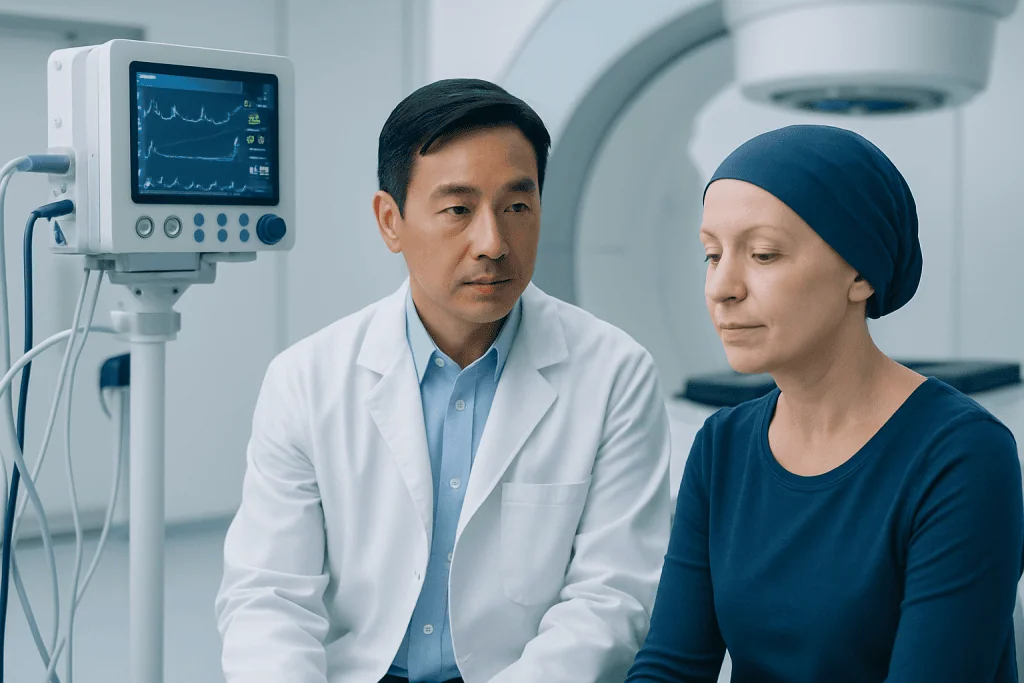
Doctors often classify cancer pain by how it feels and what is causing it. Nociceptive pain comes from injury or pressure in tissues such as skin, muscles, bones, or organs. It may feel aching, throbbing, sharp, or cramping. Neuropathic pain is caused by irritation or damage to nerves and may feel burning, shooting, tingling, electric, or numb. Some patients have mixed pain, meaning more than one mechanism is involved.
Another important distinction is between persistent pain and breakthrough pain. Persistent pain lasts for much of the day and may require regular medication. Breakthrough pain is a sudden flare that occurs despite otherwise controlled pain. It may be triggered by movement, swallowing, coughing, wound care, or may occur without a clear trigger. Describing these patterns helps doctors adjust treatment more precisely.
Useful details to share with the medical team include where the pain is located, when it started, what it feels like, how strong it is, what makes it better or worse, and how it affects sleep or activity. A simple 0 to 10 pain scale can be helpful, but patients should also describe the practical impact of pain. For example, being unable to walk to the bathroom, eat comfortably, or sleep through the night is clinically important.
Causes and Risk Factors
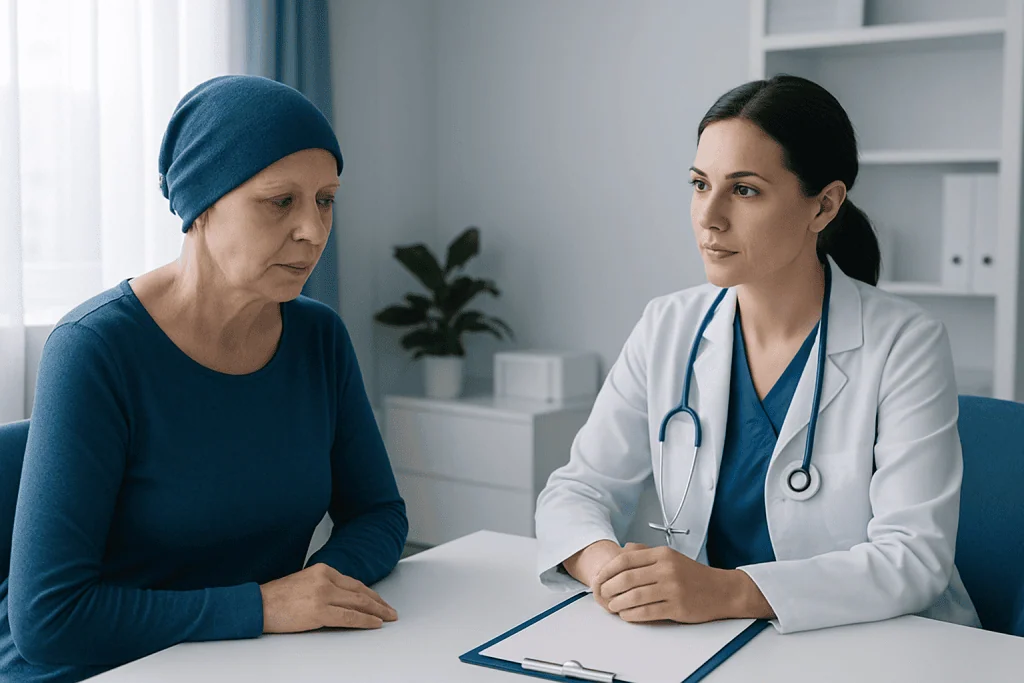
Cancer pain can have many causes. A tumor may stretch a capsule around an organ, block a hollow structure, press on nerves, involve bone, or cause inflammation in surrounding tissues. Bone metastases are a common source of deep, aching, movement-related pain. Tumors near the spine or major nerves may cause pain that travels into the arms, chest, abdomen, or legs.
Treatments may also cause pain. Surgery can lead to post-operative pain, scar sensitivity, or nerve-related discomfort. Chemotherapy, targeted therapy, or immunotherapy may contribute to mouth sores, muscle and joint pain, abdominal symptoms, or peripheral neuropathy. Radiation therapy may cause temporary skin or mucosal irritation in the treated area, although it can also be an effective pain-relieving treatment when used for painful tumors or bone lesions.
Risk factors for more difficult pain include advanced cancer, bone or nerve involvement, pre-existing chronic pain conditions, anxiety or depression, poor sleep, limited mobility, and inadequate access to pain care. Emotional distress does not mean the pain is imaginary; pain and stress can intensify each other through the nervous system. Treating both the physical and emotional parts of pain often improves outcomes.
Diagnosis and Pain Assessment
There is no single test for pain. Diagnosis begins with listening to the patient and performing a focused physical examination. The doctor may ask about pain intensity, location, quality, timing, medication use, side effects, bowel habits, mood, and daily function. A medication review is important because pain treatment must be balanced with other cancer therapies, kidney and liver function, blood-thinning medicines, and the risk of drug interactions.
Imaging or laboratory tests may be used when the cause of pain is unclear, when symptoms change suddenly, or when a complication needs to be ruled out. Depending on the situation, tests may include blood tests, X-rays, ultrasound, CT, MRI, PET/CT, bone scan, or other specialized imaging. For example, new severe back pain with weakness or bladder changes requires urgent evaluation because spinal cord or nerve compression must be considered.
A good pain assessment also looks for medication side effects and barriers to pain relief. Constipation, nausea, sleepiness, confusion, itching, and dry mouth can often be prevented or treated. Some patients avoid taking pain medicine because they fear addiction, tolerance, or being overly sedated. These concerns should be discussed openly. In cancer care, the aim is safe, monitored relief that supports function and dignity.
Medication Options
Medication plans are chosen according to the type and severity of pain, overall health, other treatments, and patient preferences. Non-opioid medicines such as acetaminophen or nonsteroidal anti-inflammatory drugs may help mild pain, inflammatory pain, or bone pain. They are not suitable for everyone, especially some patients with kidney disease, liver disease, stomach bleeding risk, low platelets, or certain medication interactions, so they should be used under medical advice.
Opioid medicines are commonly used for moderate to severe cancer pain. They may be prescribed as short-acting medicines for rapid relief, long-acting medicines for persistent pain, or both. When used appropriately and monitored by clinicians experienced in cancer care, opioids can be an important and effective tool. Patients should take them exactly as prescribed, avoid alcohol or unapproved sedatives, store them securely, and report side effects promptly.
Adjuvant medicines are medications developed for other purposes but useful for certain pain types. These may include antidepressant or anti-seizure medicines for nerve pain, corticosteroids for swelling-related pain, muscle relaxants in selected cases, topical treatments, or bone-strengthening medicines for some patients with bone metastases. Laxatives and anti-nausea medicines may be prescribed alongside pain medicines to prevent predictable side effects.
Patients should not stop opioids or some nerve-pain medicines suddenly unless a doctor instructs them to do so, because withdrawal symptoms or pain flares can occur. If pain is not controlled, the answer is not always a higher dose. The care team may rotate to another medicine, add an adjuvant, treat the cause of pain, use a procedure, or involve palliative care or pain specialists.
Procedures and Targeted Treatments
When pain has a specific source, targeted treatments may provide meaningful relief. Radiation therapy is often used to reduce pain from bone metastases or tumors pressing on nearby tissues. It may be delivered as a short course or longer plan depending on the cancer type, location, previous treatment, and goals of care. Pain relief may develop gradually, and temporary pain flares can sometimes occur, so supportive medication may be used during the treatment period.
Interventional pain procedures may be considered when medicines are not enough or cause difficult side effects. Options can include nerve blocks, neurolytic blocks for selected cancer pain syndromes, epidural or intrathecal drug delivery, radiofrequency techniques, or injections around specific nerves or joints. These procedures are not appropriate for every patient, and decisions depend on anatomy, blood counts, infection risk, anticoagulant use, prognosis, and patient goals.
Some patients with painful spinal fractures or vertebral involvement may benefit from procedures such as vertebroplasty, kyphoplasty, surgery, or stabilization when carefully selected. Other treatments may include drainage of painful fluid collections, stenting for obstruction, chemotherapy or targeted therapy to shrink a pain-causing tumor, or orthopedic procedures for bones at risk of fracture. The best approach is usually decided by a multidisciplinary team, which may include oncology, radiation oncology, pain medicine, palliative care, surgery, radiology, rehabilitation, and nursing.
Supportive Care, Rehabilitation, and Self-Care
Supportive care is not separate from cancer treatment; it is part of comprehensive care. Palliative care specialists focus on symptoms, communication, treatment planning, and quality of life, and they can be involved at any stage of cancer. Their role is often misunderstood as only end-of-life care, but early symptom support can help patients tolerate treatment, stay active, and manage the emotional burden of illness.
Rehabilitation can reduce pain by improving strength, flexibility, posture, balance, and safe movement. A physiotherapist or rehabilitation physician can recommend individualized exercises, walking plans, braces, mobility aids, lymphedema care, or energy-conservation techniques. Occupational therapists can help patients adapt daily activities such as bathing, dressing, cooking, and working to reduce pain and fatigue.
Non-drug strategies may complement medical treatment, although they should not replace prescribed care. Helpful options for some patients include relaxation breathing, guided imagery, mindfulness, gentle massage when medically safe, heat or cold therapy, music therapy, acupuncture by trained professionals, and sleep routines. Patients with low blood counts, fragile bones, skin changes, wounds, or infection risk should ask their care team before massage, heat, acupuncture, or vigorous exercise.
Self-care also includes practical medication habits. Patients may keep a pain diary, take medicines on schedule if prescribed regularly, note breakthrough pain episodes, prevent constipation proactively, and bring all medicines and supplements to appointments. Family members can support by observing changes in alertness, breathing, bowel function, mood, and mobility, and by helping communicate concerns to the care team.
When to See a Doctor
Patients should tell their doctor about any new pain, worsening pain, pain that limits daily activities, or pain that is not relieved by the current plan. It is also important to report side effects such as severe constipation, repeated vomiting, confusion, excessive sleepiness, falls, difficulty urinating, or signs of medication overuse or underuse. Pain treatment works best when adjustments are made early and safely.
Urgent medical attention is needed for sudden severe back pain with leg weakness, numbness, trouble walking, or loss of bladder or bowel control; new severe headache with confusion or neurological symptoms; chest pain or severe shortness of breath; fever with severe pain; or sudden inability to bear weight on a painful bone. These symptoms do not always mean a serious complication is present, but they should be assessed promptly.
Patients and families may ask for referral to a pain medicine specialist, palliative care team, rehabilitation service, psycho-oncology support, or interventional radiology when pain remains difficult to manage. For international patients, Acibadem International’s multidisciplinary specialists and JCI-accredited hospitals provide diagnosis and treatment planning for cancer-related pain as part of comprehensive oncology care. Individual recommendations should always be based on a qualified medical evaluation.
Frequently asked questions
Is cancer pain always severe?
No. Cancer pain varies widely depending on the cancer type, location, treatment, and individual factors. Some people have little or no pain, while others need regular pain management. Any pain that affects sleep, movement, appetite, or mood should be discussed with the care team.
Does needing opioids mean the cancer is getting worse?
Not necessarily. Opioids may be used for pain after surgery, during treatment, for nerve or bone pain, or for advanced disease. The need for stronger pain medicine reflects the need to control symptoms safely, not a diagnosis by itself. Doctors evaluate the cause of pain separately from the medication choice.
Can cancer pain be controlled without medication?
Some mild pain may improve with treatments such as physical therapy, positioning, heat or cold when appropriate, relaxation methods, or treatment of the underlying cancer. However, many patients need medication as part of a balanced plan. Non-drug methods often work best as complements to medical treatment rather than replacements.
What should patients do if pain medicine causes constipation?
Constipation is common with opioid pain medicines and is often preventable. Patients should tell their doctor early, because a bowel plan may include laxatives, fluids if allowed, fiber when appropriate, and activity as tolerated. Severe constipation, abdominal swelling, vomiting, or inability to pass stool or gas needs prompt medical advice.
What is breakthrough cancer pain?
Breakthrough pain is a sudden flare of pain that occurs even when baseline pain is otherwise controlled. It may be triggered by movement, swallowing, coughing, dressing changes, or may happen unexpectedly. Doctors may adjust the regular medication plan or prescribe a rapid-relief option for these episodes.
When should a pain specialist or palliative care team be involved?
A referral is helpful when pain is complex, difficult to control, associated with troublesome side effects, or affecting daily life despite treatment. Palliative care can be involved alongside chemotherapy, surgery, radiotherapy, or immunotherapy. Pain specialists may also offer procedures such as nerve blocks or advanced medication delivery methods when appropriate.
References
- World Health Organization
- National Cancer Institute
- European Society for Medical Oncology
- American Society of Clinical Oncology
- International Association for the Study of Pain
This article is for general information only and is not a substitute for professional medical advice. Please consult a qualified doctor about your individual situation.
Oncology care in Turkey — second opinion and treatment plan
JCI-accredited · board-certified surgeons · reply within 24h
Add us as a Preferred Source to see more of our trusted health content across Google Search, AI Overviews and Discover.

Medical Oncology Department
Medical treatment of cancer with chemotherapy, immunotherapy and targeted therapies under a multidisciplinary tumor board.
60 specialists in this unitMore from the Health Library



Related Specialists

Prof. Dr. Sibel Kahraman Aközer
Anesthesiology
Assoc. Prof. Dr. Nezih Ziroğlu
Orthopedic Surgery & Traumatology
Prof. Dr. Fikret Aksoy
General Surgery
Dr. Osman Burak Can
Radiation Oncology