

Biopsy and Pathology Results in Turkey: What Patients Can Expect

Biopsy and Pathology Results in Turkey are coordinated with specialist review, clear timelines, interpreter support, and safe follow-up planning.
If your doctor has recommended a biopsy or you are waiting for pathology results in Turkey, it is normal to feel anxious about timing, terminology, and next steps. This guide explains what you can expect as an international patient, from sample collection and laboratory review to translated reports, follow-up appointments, and sharing results with your doctors at home.
At a glance
- Best for: International patients preparing for a biopsy, pathology review, or second opinion in Turkey
- Main focus: Logistics, timelines, reports, interpreter support, and follow-up planning
- Where care happens: Hospital departments, procedure rooms, operating theatres, imaging units, and pathology laboratories
- Support available: International patient coordination, interpreters, appointment scheduling, and travel guidance
- Important reminder: Only your treating physician can explain what your result means for your diagnosis and care plan
Understanding the role of biopsy and pathology
A biopsy is a medical test in which a small sample of tissue, cells, or fluid is collected so it can be examined by a pathology team. Pathology is the laboratory-based medical specialty that studies these samples under a microscope and, when needed, with additional tests. For many patients, the pathology report is an important part of confirming a diagnosis, understanding whether a condition is benign or malignant, or deciding which treatment options may be appropriate.
As an international patient in Turkey, you may have a biopsy as part of a new diagnosis, a pre-treatment work-up, a follow-up after imaging, or a second opinion. The sample may be taken during a clinic procedure, with imaging guidance, during endoscopy, or during surgery. The exact process depends on the area being tested, your general health, and what your doctor needs to understand.
At Acibadem International, biopsy and pathology coordination is usually managed between your specialist, the pathology laboratory, and the international patient team. Your care team can help you understand where to go, whether fasting is needed, when to arrive, how results are shared, and whether you need an interpreter for consent and result discussions.
Before your biopsy: what to prepare
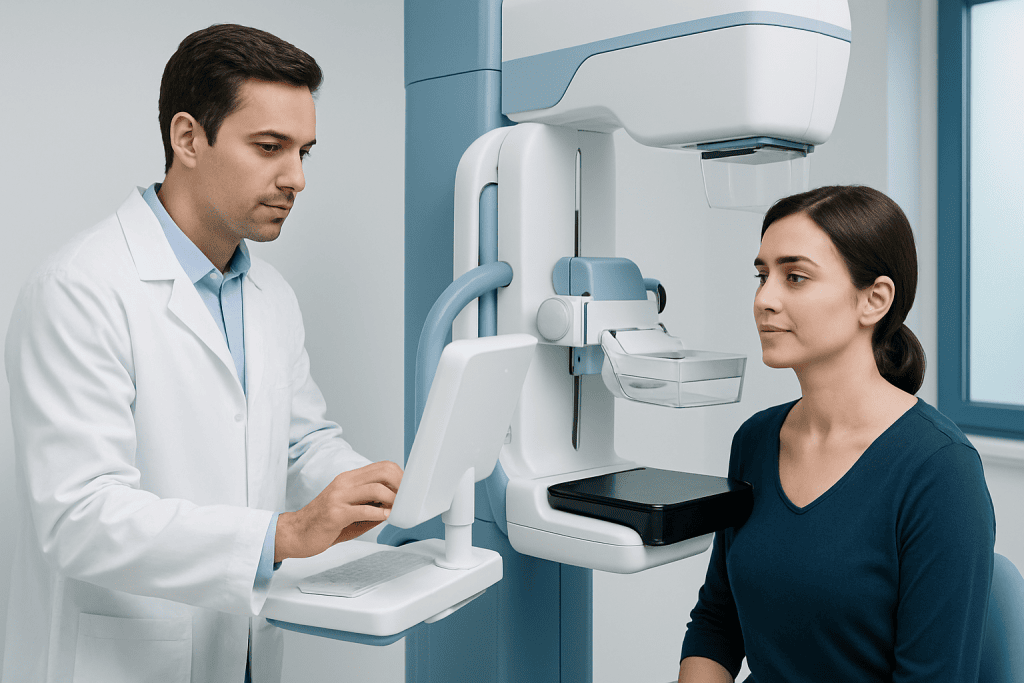
Your preparation will depend on the biopsy type. Some biopsies require no special preparation, while others may involve fasting, blood tests, imaging review, or temporary adjustment of certain medications. You should always tell your doctor about blood thinners, aspirin, anti-inflammatory medicines, supplements, allergies, implanted devices, pregnancy possibility, and previous reactions to anesthesia or sedation.
Bring your previous medical records if you have them. These may include imaging CDs or digital links, earlier pathology reports, blood test results, operation notes, discharge summaries, medication lists, and treatment records such as chemotherapy or radiotherapy details. Even if some documents are in another language, they can be useful for comparison, especially when the biopsy is part of a second opinion.
It is also wise to plan your day around the appointment. Ask whether you can eat afterward, whether you may need someone to accompany you, and whether you should avoid driving after sedation. If you are travelling from abroad, allow enough time in Istanbul or Turkey in case the doctor recommends additional imaging, laboratory tests, or a follow-up consultation after the pathology report is ready.
How the pathology process usually works

After the sample is collected, it is labelled and sent to the pathology laboratory. The laboratory processes the tissue so it can be examined safely and accurately. Depending on the sample, this may include fixation, embedding, slicing, staining, and microscopic review by a pathologist. Some samples can be reviewed relatively quickly, while others need more preparation time.
In many cases, the initial pathology examination is enough to prepare a report. In other cases, the pathologist may request additional stains or molecular tests to clarify the diagnosis or provide information that helps guide treatment planning. These extra tests are not a sign that something has gone wrong; they are often part of careful, detailed evaluation.
Your final report is usually sent to your treating physician first, because the result must be interpreted in the context of your symptoms, imaging, examination findings, and medical history. The report may include technical terms, measurements, grading, margins, receptor status, or recommendations for correlation with clinical findings. Your doctor will explain which parts are most relevant to you.
Timelines: when you may receive results
Pathology timing varies. A simple biopsy may have results within a few working days, while complex surgical specimens, special staining, genetic or molecular tests, or external review may take longer. Public holidays, sample complexity, and the need to compare previous slides can also affect timing.
It is reasonable to ask your coordinator for an expected timeframe, but it is also important to understand that accuracy comes before speed. A careful pathology process may involve more than one specialist review, especially for complex cancers, rare diseases, or cases where treatment decisions depend on fine details. If extra testing is recommended, your team should explain why it is needed and how it may affect the schedule.
For international patients with flights planned, share your travel dates early. The Acibadem International patient services team can help coordinate appointments around your stay where possible, arrange interpreter-supported result visits, and advise whether a virtual follow-up may be appropriate after you return home. If your result is urgent, your treating team will guide you on the safest next steps.
Receiving and understanding your report
Pathology reports are written for medical professionals, so they can be difficult to read without explanation. You may see terms such as benign, malignant, atypical, dysplasia, inflammation, grade, stage, margin, receptor, immunohistochemistry, or molecular analysis. Do not assume the meaning of a single word without discussing it with your doctor, because the overall interpretation depends on the full clinical picture.
When you receive your results, ask for a consultation where the doctor can explain what was found, how confident the diagnosis is, whether more tests are needed, and what choices are available. If English is not your preferred language, ask for an interpreter rather than relying on family members to translate complex medical information. Professional interpretation can reduce misunderstandings during emotionally difficult conversations.
You can also request copies of your report for your records. If you will continue care in another country, ask whether you should take printed reports, digital copies, pathology slides, paraffin blocks, imaging files, or a medical summary. There may be formal release procedures for original materials, so ask early if your home doctor or insurance provider requires them.
Second opinions, slide review, and returning home
Some patients come to Turkey specifically for a second opinion after a biopsy elsewhere, while others want their Turkish pathology results reviewed again before starting treatment. A second opinion may involve reviewing previous pathology slides, repeating immunohistochemistry, comparing imaging, or discussing the case in a multidisciplinary meeting. This is common in complex cases and can help align the diagnosis with the proposed care plan.
If you want a pathology review at Acibadem International, ask what materials are needed before you travel. The team may request the original report, stained slides, paraffin blocks, imaging, and clinical notes. Your hospital in your home country may have its own rules for releasing pathology materials, so start the request as early as possible and keep all tracking details if items are shipped.
Before you return home, make sure you know who will discuss pending results, how you will receive any addendum report, and which doctor should be contacted if new symptoms occur. If ongoing treatment is recommended, ask for a clear written summary that your local physician can understand. Good handover helps you avoid delays after you leave Turkey.
Step by step
- Share your medical background before scheduling. Send your diagnosis, symptoms, imaging, previous reports, medication list, and any known allergies to your coordinator or physician. This helps the team choose the right appointment type and identify whether you need blood tests, imaging, anesthesia assessment, or a specialist consultation first.
- Confirm preparation instructions. Ask whether you need to fast, stop or adjust medications, bring a companion, or plan for observation after the biopsy. Do not stop prescribed medicines such as blood thinners unless your doctor specifically tells you to do so.
- Arrive with documents and questions. Bring your passport, insurance or payment documents if relevant, previous medical records, and a written list of questions. If you need language support, confirm interpreter arrangements in advance so consent and instructions are clear.
- Have the biopsy or sample collection. The sample may be collected in a clinic, imaging unit, endoscopy suite, procedure room, or operating theatre. Your team will explain what you may feel, how long you may be monitored, and what symptoms should be reported afterward.
- Wait for pathology processing and review. The sample is prepared and examined by the pathology team, and additional tests may be ordered if needed. Your coordinator can usually give a general timeframe, but complex results may take longer than expected.
- Review results with your doctor. Plan a dedicated appointment to discuss the report rather than trying to interpret it alone. Ask what the result means, whether it is final, whether more testing is recommended, and how it affects your treatment options.
- Collect copies and plan follow-up. Before leaving Turkey, request the documents you may need at home, such as the pathology report, discharge notes, imaging files, and treatment recommendations. Confirm how pending results or addendums will be shared with you after you travel.
Your checklist
- Passport or ID and hospital registration details
- Previous imaging files, CDs, links, and written radiology reports
- Earlier pathology reports, slides, or paraffin blocks if requested
- Current medication list, including blood thinners and supplements
- Allergy information and previous anesthesia or sedation history
- Interpreter request, if you prefer support in your own language
- Companion plan if sedation or emotional support may be needed
- Questions for your doctor about timing, results, and next steps
- Travel dates and contact details for follow-up after leaving Turkey
Key takeaways
- Pathology results are most useful when interpreted by your doctor together with your symptoms, imaging, and medical history.
- Timelines vary because some samples need additional stains, molecular tests, or specialist review.
- International patients should plan for interpreter-supported consultations, document copies, and follow-up after returning home.
- If you need a second opinion, request slide or block requirements early because releasing pathology materials can take time.
- Acibadem International can help coordinate appointments, hospital navigation, interpretation, and practical travel-related details for patients in Turkey.
Frequently asked questions
How long do biopsy and pathology results usually take in Turkey?
The timing depends on the type of biopsy, the size and complexity of the sample, and whether additional tests are needed. Some reports may be ready within a few working days, while complex surgical specimens or molecular tests can take longer. Your care coordinator can provide an estimated timeframe, but your doctor should confirm when the report is final.
Will my pathology report be available in English?
International hospitals in Turkey commonly support English communication for overseas patients, but the exact format may vary by hospital and department. At Acibadem International, the patient services team can help you understand what documents can be provided and whether translation or interpreter support is needed. Always ask early if your home doctor, embassy, or insurer requires a specific language or format.
Can I fly home before my pathology results are ready?
Sometimes you can, but this depends on your medical condition, the biopsy type, and whether your doctor needs to see you in person for results or next steps. Before changing flights, ask how results will be shared, who will explain them, and what should happen if further testing or treatment is recommended. If you had sedation or a more invasive biopsy, also ask when it is safe to travel.
What if my report says more tests are needed?
Additional tests are common in pathology and may help clarify the diagnosis or guide treatment planning. These may include special stains, immunohistochemistry, genetic or molecular tests, or review by another specialist. Your doctor can explain why the extra test is recommended and whether it changes the expected timeline.
Can I get a second opinion on biopsy results in Turkey?
Yes, many international patients seek second opinions on pathology results in Turkey. You may need to provide the original pathology report, slides, paraffin blocks, imaging, and clinical notes. Ask the receiving hospital what materials are required before you travel or ship anything, because missing items can delay the review.
What should I ask my doctor when I receive the results?
Ask whether the result is final, what diagnosis it supports, whether the sample was adequate, and whether additional tests are needed. You can also ask how the result relates to your imaging and symptoms, what options are available, and what follow-up should happen if you return home. Taking notes or bringing a companion can help you remember the discussion.
Are biopsy results always definite?
Many biopsy results provide a clear diagnosis, but some are indeterminate or need correlation with imaging, blood tests, or repeat sampling. A small sample may not always represent the entire area of concern. If there is uncertainty, your doctor will explain whether monitoring, repeat biopsy, additional imaging, or specialist review is recommended.
Add us as a Preferred Source to see more of our trusted health content across Google Search, AI Overviews and Discover.
More Patient Guides

At Acibadem, How to Prepare for Blood Tests, Scans, and Pre-Op Checks
Blood tests, scans, and pre-op checks at Acibadem in Turkey help confirm you are ready for treatment and avoid delays on the…
8 min read
Medical Test Results in Turkey: How to Understand the Next Step in Your Plan
Medical test results in Turkey usually lead to a clear next-step plan: review findings, confirm urgency, ask for copies, and arrange follow-up…
8 min read
Blood Tests and Scans Before Treatment in Turkey: Why They May Be Repeated
Blood tests and scans before treatment in Turkey may be repeated to confirm safety, compare methods, and meet hospital standards before your…
9 min read