

Alcohol and Herbal Supplements After Treatment in Turkey

Alcohol and herbal supplements after treatment in Turkey should be restarted only with your doctor’s approval to avoid bleeding, liver or drug risks.
After treatment in Turkey, it is natural to wonder when you can return to familiar routines, including a glass of wine, herbal teas, vitamins or traditional supplements. This guide helps you ask the right questions, avoid common safety risks, and coordinate clear instructions before you travel home.
At a glance
- Main rule: Do not restart alcohol or herbal supplements until your treating doctor confirms it is safe.
- Why it matters: Alcohol and supplements can interact with painkillers, antibiotics, blood thinners, anesthesia recovery and liver function.
- Best time to ask: Before discharge, during your final control visit, and again before flying home if your medication plan changes.
- Bring with you: A written list or photos of all supplements, herbal products, vitamins, teas and over-the-counter medicines.
- Support available: International patient teams can help with interpreters, discharge instructions and follow-up communication.
Why alcohol and supplements need special attention after treatment
After treatment in Turkey, your body may still be healing even if you feel well enough to walk, travel or return to your hotel. Medicines used after a procedure can remain active for a period of time, and your liver, kidneys, stomach and immune system may be under extra strain. Alcohol and herbal supplements can change how medicines work, increase side effects or make it harder for your care team to understand a new symptom.
This is especially important after surgery, dental procedures, cancer treatment, fertility treatment, cardiac care, transplant-related care, bariatric procedures, aesthetic procedures and any treatment involving sedation or anesthesia. Some herbal products can increase bleeding risk, affect blood pressure, alter blood sugar or interact with antibiotics, pain medicines, anti-nausea drugs and blood thinners.
At Acibadem International, your discharge plan may include medication timing, wound care, diet, activity limits and follow-up appointments. Use that moment to ask clearly: “When can I drink alcohol again?” and “Which supplements should I avoid?” A simple written answer can prevent confusion once you are back at your hotel or preparing to fly home.
Alcohol after treatment: what to consider before you drink
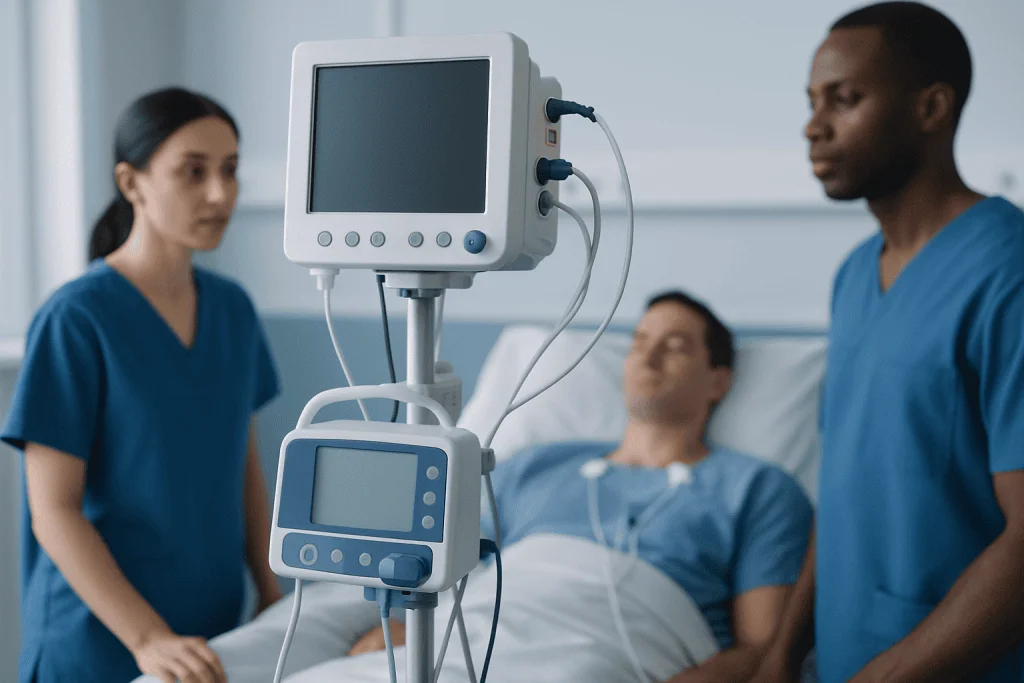
Alcohol is not just a lifestyle question after medical treatment. It can increase drowsiness when combined with painkillers, sleeping tablets, anti-anxiety medicines or some allergy medicines. It may irritate the stomach when you are taking anti-inflammatory drugs, antibiotics or steroids, and it can add stress to the liver when your body is processing several medications at once.
You should be particularly cautious if you have had general anesthesia, sedation, liver or digestive treatment, bariatric surgery, heart treatment, neurological care, cancer therapy or any procedure where bleeding control is important. Alcohol can also affect balance, judgment and hydration, which matters when you are recovering in an unfamiliar city, using stairs, taking taxis or managing dressings and drains.
There is no universal “safe day” that applies to every patient. Your timing depends on your procedure, current medicines, test results, wound healing, pain level and personal medical history. If your doctor says alcohol is allowed later, ask whether there is a limit, whether it should be avoided on medication days, and what warning symptoms should make you stop and contact the hospital.
Herbal supplements, vitamins and traditional products: why “natural” is not always risk-free
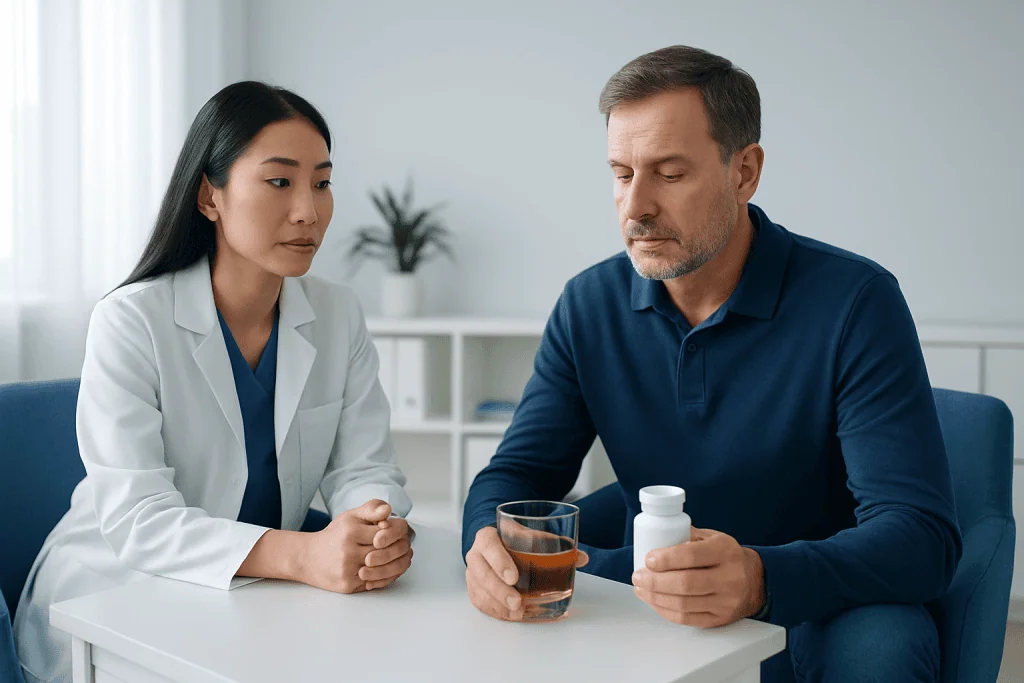
Many patients travel with products they use at home: herbal capsules, powders, teas, tinctures, essential oils, collagen, protein powders, vitamins, minerals and traditional remedies. These may feel harmless because they are familiar, but after treatment they can be medically relevant. Some products may thin the blood, affect blood pressure, change blood sugar or interfere with how the body breaks down prescribed medicines.
Examples often discussed in medical settings include garlic, ginkgo, ginseng, turmeric or curcumin, St John’s wort, valerian, kava, high-dose fish oil, high-dose vitamin E and some weight-loss or detox products. This does not mean every product is dangerous for every person, but it does mean your medical team needs to know what you take and in what dose.
Before restarting anything, show the exact product label to your doctor or pharmacist. If the label is not in English or Turkish, take a clear photo and, if possible, bring a translation of the ingredients. Acibadem International’s interpreter and patient support teams can help you communicate your usual supplement routine so your clinical team can make safer recommendations.
Questions to ask before discharge from hospital
Your discharge conversation is the best time to turn general advice into personal instructions. You may be tired, relieved or focused on travel arrangements, so it helps to prepare a short list of questions. If you have a companion with you, ask them to listen, take notes or record the instructions if the hospital team allows it.
Ask specifically about alcohol, supplements, herbal teas, vitamins, protein shakes and over-the-counter medicines. Some patients remember to ask about prescription drugs but forget products such as sleep aids, digestive remedies, immune boosters or “detox” drinks. These can still matter during recovery.
- When, if at all, may I drink alcohol again?
- Which of my current medicines make alcohol unsafe?
- Can I restart my usual supplements, and on what date?
- Are there any supplements I should avoid until my follow-up visit?
- Do I need blood tests before restarting certain products?
- Who should I contact if I already took something by mistake?
Request that the answers are included in your discharge documents or follow-up notes. Written instructions are especially useful if you will continue care with a doctor in your home country.
Special situations that require extra caution
Some recovery plans are more sensitive to alcohol and supplements than others. If you are taking blood thinners, aspirin, anti-platelet medicines, strong painkillers, antibiotics, antifungal medicines, anti-seizure medicines, antidepressants, diabetes medicines or immune-suppressing medicines, do not assume any alcohol or supplement is safe without specific approval. Interactions can be serious even when the product seems mild.
You also need extra caution if you have liver disease, kidney disease, stomach ulcers, a history of addiction, bleeding disorders, heart rhythm problems, uncontrolled blood pressure, diabetes or a previous reaction to anesthesia. In these cases, even small changes in hydration, blood sugar, sleep or medication levels can affect your recovery.
If you have had bariatric or digestive treatment, alcohol may be absorbed differently than before, and supplements may need a structured schedule. If you have had fertility treatment, cancer treatment or transplant-related care, some supplements may interfere with carefully timed medications or monitoring. Your safest plan is always individualized and confirmed by the team managing your treatment.
Managing social situations in Turkey and on the way home
Recovery often includes real-life moments: dinner with your companion, a hotel buffet, a celebration after treatment, airport lounges or a welcome-home gathering. It is understandable to want to feel normal again, but the early recovery period is not the time to test your limits. Choose non-alcoholic drinks, keep water nearby and avoid trying new herbal teas or “wellness” products offered by friends, hotel shops or airport stores.
When dining out in Istanbul or another Turkish city, you can simply say that you are recovering from treatment and avoiding alcohol for medical reasons. You do not need to explain details. If you have dietary restrictions, ask your international patient coordinator or hotel concierge for practical help with restaurant choices, soft foods, low-salt meals or other recovery-friendly options.
During travel, keep your prescribed medicines in your hand luggage and avoid mixing them with alcohol on the flight. Flying can already contribute to dehydration, swelling, fatigue and sleep disruption. Alcohol may make these worse and can make it harder to notice symptoms that should be reported, such as dizziness, unusual bleeding, confusion, shortness of breath or severe pain.
What to do if you already drank alcohol or took a supplement
If you accidentally drank alcohol or restarted a supplement too soon, do not panic, but do not ignore it either. Write down what you took, the amount, the time, and which prescribed medicines you also used that day. This information helps your doctor assess whether you need observation, a medication adjustment or simple reassurance.
Contact your hospital team promptly if you develop vomiting, severe sleepiness, confusion, fainting, black stools, unusual bruising, wound bleeding, chest pain, shortness of breath, allergic symptoms, severe abdominal pain or yellowing of the skin or eyes. If symptoms are urgent or worsening, seek emergency medical care rather than waiting for a routine reply.
If you are still in Turkey, Acibadem International patient services can help you contact the relevant department and arrange communication in your preferred language where available. If you have already returned home, share your Turkish discharge documents and medication list with your local doctor so they can coordinate advice safely.
Step by step
- Make a complete product list. Before your final appointment, list every prescription medicine, over-the-counter medicine, vitamin, mineral, herbal product, tea, powder and oil you use. Include the dose, brand, frequency and the reason you take it.
- Show labels or photos to your care team. Bring the actual bottles or clear photos of the front label and ingredient panel. If the product is in another language, a translation of the ingredients can help your doctor or pharmacist assess risks.
- Ask for written restart instructions. Do not rely on memory after discharge, especially if you are tired or taking pain medication. Ask which products to stop, which may be restarted, and whether there is a specific date or follow-up test required.
- Avoid alcohol while taking restricted medicines. If you are taking strong painkillers, sleeping tablets, sedatives, certain antibiotics, blood thinners or medicines affecting the liver, alcohol may be unsafe. Confirm the rule for each medication before you leave hospital.
- Keep recovery simple during travel. During flights and long transfers, prioritize hydration, prescribed medicines and mobility advice from your doctor. Avoid alcohol and new supplements while traveling because side effects are harder to manage away from your care team.
- Share documents with your home doctor. When you return home, give your local clinician your discharge report, medication list and supplement instructions. This is especially important if you need blood tests, wound checks or medication refills.
- Contact the hospital if your plan changes. If another doctor adds a new medicine or you want to restart a supplement earlier than planned, ask before doing so. International patient teams can guide you to the right department for follow-up questions.
Your checklist
- Written discharge report and medication list
- Clear instructions on alcohol restrictions
- Clear instructions on herbal supplements and vitamins
- Photos or labels of all products you use at home
- Emergency contact details for the hospital or coordinator
- Follow-up appointment date or remote consultation plan
- Travel supply of prescribed medicines in original packaging
- Notes for your home doctor about stopped or restricted products
- List of warning symptoms that require urgent medical attention
Key takeaways
- Alcohol and herbal supplements after treatment can interact with medicines and affect bleeding, liver function, blood pressure, blood sugar and alertness.
- Do not restart alcohol, herbs, vitamins or traditional remedies until your treating doctor confirms they are safe for your specific recovery plan.
- Bring labels, photos and doses of every product you use so your care team can give accurate advice.
- Written discharge instructions are especially important for international patients traveling home after treatment in Turkey.
- Seek medical advice quickly if you accidentally mix alcohol or supplements with medication and develop worrying symptoms.
Frequently asked questions
When can I drink alcohol after treatment in Turkey?
There is no single safe timeline for everyone. It depends on your procedure, anesthesia, wound healing, test results and the medicines you are taking. Ask your treating doctor before discharge and request written instructions, especially if you will be flying home soon.
Can I drink alcohol once I stop painkillers?
Stopping painkillers may reduce one risk, but it does not automatically make alcohol safe. You may still be taking antibiotics, blood thinners, stomach medication, sleep aids or other medicines that interact with alcohol. Confirm your full medication list with your doctor first.
Are herbal teas safe after surgery or treatment?
Some simple teas may be acceptable for some patients, but herbal teas can contain active ingredients that affect bleeding, sleepiness, blood pressure, digestion or medication levels. Avoid strong medicinal teas or unfamiliar blends until your doctor approves them. Always mention teas as part of your supplement list.
Should I stop vitamins after treatment?
Not always. Some vitamins may be part of your recovery plan, especially after certain digestive or bariatric treatments, but high doses or combined products may not be appropriate. Ask which vitamins to continue, pause or restart, and whether you need blood tests to guide dosing.
What if my supplement is prescribed by a practitioner in my home country?
Tell your Turkish care team and share the product details, dose and reason for use. Your doctors can consider possible interactions with your treatment and discharge medicines. When you return home, update your local practitioner about any temporary restrictions recommended after treatment.
Can supplements increase bleeding after a procedure?
Some supplements may increase bleeding tendency or interact with blood-thinning medicines. This can matter after surgery, dental treatment, endoscopy, cardiac procedures, aesthetic procedures and any treatment involving wounds or injections. If you notice unusual bruising, bleeding, black stools or wound drainage, contact a doctor promptly.
Who can help me understand instructions if English is not my first language?
Acibadem International provides support for international patients, including help with communication and interpreter coordination where available. Ask for discharge instructions in a format you can understand, and do not hesitate to repeat questions. Clear instructions are part of safe recovery.
Is it safe to buy new supplements in Turkey during recovery?
It is better not to start new supplements, detox products, herbal remedies or weight-loss products during early recovery unless your doctor recommends them. New products can cause side effects or interactions at a time when your body is healing. Keep your routine simple and medically approved until follow-up.
Add us as a Preferred Source to see more of our trusted health content across Google Search, AI Overviews and Discover.
More Patient Guides

What to Expect After Day Surgery in Turkey
What to expect after day surgery in Turkey: same-day discharge, recovery tips, travel timing, and follow-up planning in Istanbul.
9 min read
After Discharge in Turkey: How to Manage Wound Care, Medicines, and Rest
After discharge in Turkey, protect your wound, take medicines exactly as prescribed, rest well, and know when to contact your care team…
9 min read
After Surgery in Turkey: When Pain, Swelling, or Fever Means You Should Call the Hospital
After surgery in Turkey, call the hospital urgently for worsening pain, swelling, fever, bleeding, breathing trouble, or wound changes.
9 min read