

Building a Safe Daily Routine During Hotel Recovery in Turkey

Hotel recovery in Turkey is safer with a simple daily routine for medication, movement, meals, wound care, rest, follow-up and travel readiness.
Recovering in a hotel after treatment in Turkey can feel calm and manageable when your day has a clear structure. This guide helps you build a safe, practical routine around rest, medication, meals, gentle movement, hygiene, follow-up appointments and knowing when to contact your care team.
At a glance
- Best for: International patients staying in a hotel after treatment or surgery
- Main goal: A calm daily rhythm that supports safety, comfort and timely follow-up
- Key priorities: Medication timing, hydration, nutrition, movement, wound care and rest
- Support to arrange: Interpreter access, transport, companion help and hotel room essentials
- When to call: Unexpected pain, fever, bleeding, breathing difficulty or worrying symptoms
Why a routine matters during hotel recovery
Hotel recovery in Turkey is often the bridge between hospital discharge and your journey home. You may feel well enough to leave the hospital, but your body may still need careful pacing, predictable medication times and a quiet environment. A simple daily routine reduces uncertainty and helps you notice small changes early.
Your discharge instructions should always guide your day. These may include how and when to take medicines, whether you can shower, what activity is allowed, what foods to avoid and when your follow-up appointment is scheduled. If anything is unclear, ask your international patient coordinator or care team before leaving the hospital.
Acibadem International supports many patients who recover in nearby hotels after treatment in Istanbul or other locations in Turkey. The most comfortable recoveries are usually not the busiest ones; they are steady, organized and realistic. Your aim is not to do more each day, but to do the right things safely and consistently.
Set up your hotel room for safe recovery
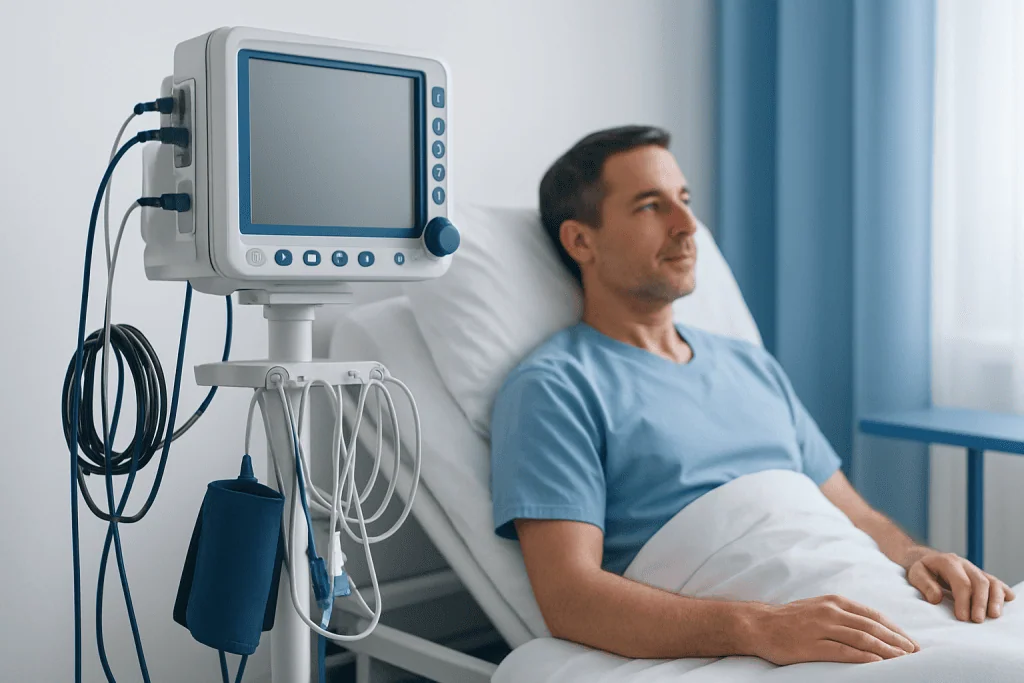
Before you settle in, arrange your room so you can reach essentials without bending, stretching or searching. Keep water, medications, your phone charger, discharge papers, tissues, hand sanitizer and light snacks on the bedside table. Place your passport, insurance documents and hospital contact details in one visible folder.
If you have a companion, agree on where important items will be kept and how you will ask for help during the night. If you are recovering alone, consider keeping the room phone within reach and saving your care coordinator’s contact number on your mobile phone. Ask the hotel reception about emergency procedures and whether room service can deliver simple meals at suitable times.
Small hotel adjustments can make a big difference. Good lighting helps prevent trips, a clear path to the bathroom reduces fall risk, and extra pillows may support a comfortable sleeping position. Avoid clutter on the floor, loose rugs or open luggage in walking areas.
- Keep medications in original packaging unless your care team advises otherwise.
- Use a written schedule or phone alarms for medicine and hydration reminders.
- Ask for extra towels, pillows or a non-slip bath mat if needed.
- Keep follow-up appointment details and transport plans easy to find.
Build your morning, midday and evening rhythm

A recovery day does not need to be complicated. Think in three blocks: morning, midday and evening. Each block should include a quick self-check, any scheduled medication, water or approved fluids, light food if recommended, gentle movement if allowed and rest.
In the morning, take a moment before standing. Notice your pain level, dizziness, nausea, breathing, swelling and wound or dressing comfort if relevant. Move slowly from lying to sitting and from sitting to standing, especially after anesthesia, sedation or a long period of rest.
Midday is often a good time for a short walk inside the hotel room or corridor if your doctor has approved walking. Avoid turning recovery into sightseeing too soon. Even if you feel energetic, long walks, shopping trips, crowded restaurants or public transport can be tiring and may increase swelling or discomfort.
Evening should be deliberately quiet. Review your medication schedule, prepare water for the night, charge your phone and confirm the next day’s appointment or transport. Good sleep supports healing, so reduce noise, limit late caffeine and ask your companion or hotel staff to help create a calm setting.
Medication, hydration and meals: keep it simple and consistent
Medication safety is one of the most important parts of post-treatment hotel recovery. Take medicines exactly as prescribed, at the stated times and with food or water if instructed. Do not stop antibiotics, blood thinners, pain medicines or other prescribed treatments without medical advice, even if you feel better.
Use one medication list that includes the medicine name, dose, time and purpose. If you are taking medicines you brought from home, make sure your care team knows about them. This helps reduce the risk of interactions, duplicate medications or confusion between similar-looking tablets.
Hydration and nutrition should follow your discharge guidance. Many patients do best with smaller, more frequent meals during early recovery, especially after anesthesia or when taking pain medication. Choose simple foods that are easy to digest, and avoid alcohol unless your doctor has clearly said it is safe.
- Set alarms for every scheduled medicine dose.
- Do not mix medications with alcohol.
- Ask before taking herbal supplements or over-the-counter pain relievers.
- Drink fluids regularly unless you have been told to restrict fluids.
- Contact your care team if vomiting prevents you from keeping medicine down.
Movement, hygiene and wound care in a hotel setting
Movement after treatment should match your medical instructions. Some patients are encouraged to walk gently several times a day, while others need stricter limits. If walking is allowed, keep it short, slow and safe; your goal is circulation and comfort, not exercise.
Hygiene can feel more difficult in a hotel bathroom, so plan ahead. Ask your care team when you may shower, whether dressings should stay dry and what products to avoid. Do not soak in a bath, pool, spa or hammam unless your doctor has confirmed it is safe.
If you have a dressing, drain, stitches or incision, follow the exact instructions given at discharge. Do not apply creams, antiseptics or powders unless prescribed. If you notice increasing redness, warmth, swelling, unusual discharge, bad odor, opening of the wound or new bleeding, contact your care team promptly.
Acibadem International’s patient support teams can help you understand instructions in your language through interpreter support when needed. If a word on your discharge form is unfamiliar, it is better to ask than to guess. Clear communication is part of safe recovery.
Know when to rest, when to ask, and when to seek urgent help
Recovery can include normal tiredness, mild discomfort and emotional ups and downs. However, you should not ignore symptoms that feel unusual, intense or rapidly worsening. Keep a small daily note of your temperature if advised, pain level, appetite, bowel movements, walking tolerance and any symptoms you want to discuss at follow-up.
Contact your hospital team or coordinator if you are unsure about a symptom, a medicine dose, dressing care or whether you are fit to travel. If language is a concern, ask for interpreter assistance rather than relying on online translation for important medical questions. Your safety depends on accurate details.
Seek urgent medical help if you have chest pain, severe shortness of breath, fainting, heavy bleeding, sudden confusion, signs of stroke, severe allergic reaction, uncontrolled pain, persistent vomiting, high fever or any symptom your discharge instructions identify as urgent. If you are staying in Istanbul or elsewhere in Turkey, ask the hotel reception for immediate assistance while you contact your care team or emergency services.
Step by step
- Confirm your discharge plan before leaving hospital. Before you go to the hotel, make sure you understand your medication schedule, activity limits, diet guidance, wound care instructions and follow-up appointment. Ask for written instructions in a language you understand, and confirm who to contact after hours.
- Prepare your hotel room on arrival. Create a safe bedside recovery area with water, medicines, phone, charger, documents and snacks within reach. Clear the walking path to the bathroom and keep luggage off the floor to reduce trip risk.
- Use alarms for medication and hydration. Set phone alarms for each medicine dose and any important care tasks, such as checking a dressing or taking a short approved walk. If you have a companion, share the schedule so they can help you stay on track.
- Plan meals around your recovery needs. Choose simple, familiar foods unless your doctor has given a specific diet. Room service or nearby delivery can be helpful, but avoid heavy meals, alcohol or unfamiliar foods if you are nauseated or taking strong medication.
- Move gently within your approved limits. If walking is allowed, take short walks in your room or corridor rather than long outings. Stop if you feel dizzy, short of breath, unusually weak or in increasing pain, and contact your care team if symptoms persist.
- Keep follow-up and transport organized. Confirm appointment times, pickup details and the travel time from your hotel to the hospital or clinic. Leave extra time, bring your documents and medications, and avoid rushing on stairs or through crowded areas.
- Review your fitness to fly before departure. Do not assume you are ready to travel just because your flight date is near. Attend your follow-up visit, ask about flight timing, mobility, compression garments if recommended, medication during travel and warning signs after you return home.
Your checklist
- Discharge instructions and follow-up appointment details
- Medication list with dose, timing and purpose
- Hospital, coordinator and emergency contact numbers
- Passport, insurance papers and payment documents in one folder
- Phone charger, plug adapter and power bank if needed
- Comfortable loose clothing and easy shoes with good grip
- Water bottle and approved light snacks
- Thermometer if recommended by your care team
- Dressings or supplies only if provided or prescribed
- Transport plan for follow-up visits and airport transfer
Key takeaways
- Hotel recovery in Turkey is easier when your day is structured around medication, meals, movement, hygiene and rest.
- Keep essential items, medical documents and contact numbers within easy reach in your hotel room.
- Avoid overactivity, sightseeing and crowded outings until your care team confirms they are safe.
- Interpreter support can help you clarify discharge instructions and report symptoms accurately.
- Contact your care team promptly for worrying symptoms or if you are unsure about medication, wound care or travel readiness.
Frequently asked questions
How long should I stay in the hotel after treatment in Turkey?
Your hotel recovery time depends on your procedure, your general health, your doctor’s assessment and your travel plans. Some patients need only a short observation period, while others require several follow-up visits before flying. Always confirm your recommended stay before booking a return flight or changing your ticket.
Is it safe to recover alone in a hotel?
Some patients can recover alone if the procedure was minor and the care team agrees, but many benefit from having a companion for the first days. A companion can help with meals, medication reminders, transport and noticing symptoms. If you are alone, make sure hotel staff and your patient coordinator know how to reach you if needed.
Can I go sightseeing during hotel recovery in Istanbul?
You should ask your doctor before sightseeing, even if you feel well. Crowds, stairs, uneven streets, long walks and weather changes can be tiring during early recovery. If sightseeing is approved, keep it short, avoid peak hours and return to the hotel before you feel exhausted.
What should I do if I do not understand my discharge instructions?
Do not guess or rely only on informal translation. Contact your hospital team, nurse or international patient coordinator and ask for clarification in your preferred language if available. Acibadem International can support international patients with interpreters and coordination for medical communication.
Can I order food to my hotel room after treatment?
In many cases, room service or food delivery is convenient during recovery, but your diet should follow your discharge advice. Choose simple meals, avoid alcohol and be cautious with very spicy, greasy or unfamiliar foods if you are taking medication or feeling nauseated. If you have a special diet after your treatment, ask before ordering.
When should I contact the hospital during hotel recovery?
Contact your care team if you have increasing pain, fever, vomiting, worsening swelling, unusual wound changes, bleeding, medication problems or anything that feels unexpected. Seek urgent help for chest pain, severe breathing difficulty, fainting, heavy bleeding or sudden confusion. Keep all emergency and hospital numbers saved in your phone and written on paper.
How can Acibadem International help during hotel recovery?
Acibadem International’s support can include coordination with JCI-accredited hospitals, follow-up scheduling, interpreter assistance and guidance on practical arrangements such as transfers or accommodation support. The medical decisions remain with your treating team, while the international patient services team helps you navigate logistics more comfortably.
Add us as a Preferred Source to see more of our trusted health content across Google Search, AI Overviews and Discover.
More Patient Guides

What to Expect After Day Surgery in Turkey
What to expect after day surgery in Turkey: same-day discharge, recovery tips, travel timing, and follow-up planning in Istanbul.
9 min read
After Discharge in Turkey: How to Manage Wound Care, Medicines, and Rest
After discharge in Turkey, protect your wound, take medicines exactly as prescribed, rest well, and know when to contact your care team…
9 min read
After Surgery in Turkey: When Pain, Swelling, or Fever Means You Should Call the Hospital
After surgery in Turkey, call the hospital urgently for worsening pain, swelling, fever, bleeding, breathing trouble, or wound changes.
9 min read