

Follow-Up Questions to Ask Before Leaving Turkey

Before leaving Turkey, international patients should make sure they understand their follow-up plan, including medicines, wound care, activity limits, warning signs, and how future checkups or test results will be handled. At Acibadem International, discharge planning typically includes clear post-treatment instructions, medical documents, and guidance on how to stay in contact with the care team after returning home.
Before you leave Turkey, a short follow-up conversation can make your journey home safer, calmer and better organized. This guide helps you ask the right questions about medicines, reports, warning signs, travel, remote follow-up and who to contact after you return home.
At a glance
- Best time to ask: At your discharge visit or final review before travel
- Bring with you: Passport, discharge papers, medicine list, travel itinerary and companion if available
- Main goal: Leave with clear instructions, documents and contact pathways
- Ask about: Medicines, activity, wound care, warning signs, flying, reports and remote follow-up
- Helpful support: Interpreter, international patient coordinator and written summaries
Why your final follow-up conversation matters
Your last medical conversation in Turkey is not just a formality. It is the moment to turn your treatment experience into a clear plan for the next days, weeks and months. You may feel relieved, tired, emotional or focused on catching your flight, so having your questions ready helps you avoid leaving with uncertainty.
At Acibadem International, international patient teams often help coordinate discharge instructions, medical reports, translation needs and communication with your clinical team. Even so, it is important that you personally understand what to do after you leave the hospital or clinic, because recovery continues after your suitcase is packed.
Think of this discussion as a handover from your care team in Turkey to you, your companion and your local doctor at home. The clearer the handover, the easier it is to manage medicines, appointments, mobility, wound care, nutrition and unexpected symptoms once you are no longer nearby.
Questions about your current condition and recovery timeline

Start by asking where you are in your recovery today. You can say, What is my current medical status, and is anything still being monitored? This helps you understand whether your progress is as expected, whether there are any unresolved findings and what your care team wants you to pay attention to during travel.
Ask what is normal for your stage of recovery. For example, you may need to know how much fatigue, swelling, bruising, discomfort, appetite change or reduced mobility can be expected. Knowing the difference between expected symptoms and concerning symptoms can prevent panic, but it can also help you act quickly when something is not right.
You should also ask about the likely recovery timeline in practical terms. Instead of only asking when you will be fully recovered, ask when you may walk longer distances, climb stairs, shower normally, return to work, resume exercise, drive, lift luggage or sleep in your usual position. Your answers should be individualized to your treatment and medical condition.
Questions about medicines, prescriptions and supplies
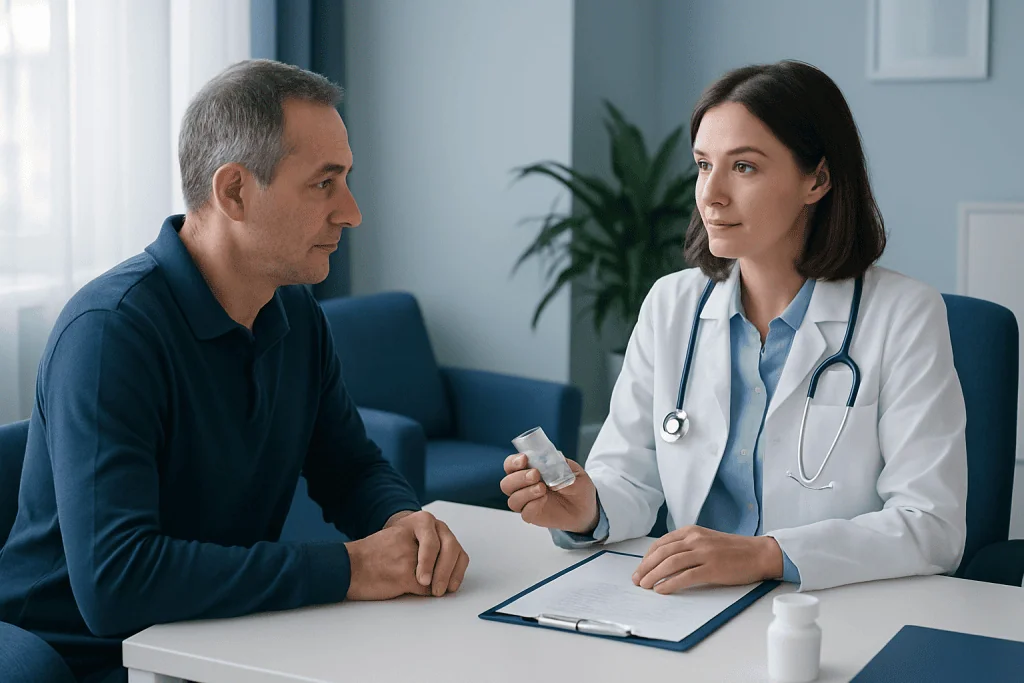
Medicines are one of the most important topics to clarify before you leave Turkey. Ask for a complete medicine list that includes the medicine name, dose, timing, purpose and how long to take it. If you receive both brand names and generic names, it may be easier for your doctor or pharmacist at home to continue your care safely.
Ask exactly what to do if you miss a dose, feel side effects or cannot find the same medicine in your home country. You should also confirm which medicines you should avoid, including over-the-counter painkillers, supplements, herbal products or blood-thinning medicines, if relevant to your treatment. Do not change or stop prescribed medication unless your doctor tells you to do so.
Before you travel, check whether you have enough medicine for the journey plus extra days in case of flight delays. Ask whether any medicines need special storage, such as refrigeration, and whether you need a medical letter for airport security. Keep essential medicines in your hand luggage, not in checked baggage.
Questions about medical reports, images and documents
Before leaving Turkey, ask which documents you will receive and in what language. Your discharge summary, operation or procedure note if applicable, lab results, pathology reports, imaging reports, medication plan and follow-up recommendations may be useful for your doctor at home. If some reports are not ready yet, ask when and how they will be sent.
It is reasonable to ask for digital copies whenever available. Imaging files may be provided on a CD, USB, secure link or hospital system depending on the service and local process. If your local doctor needs to review scans, ask whether the files include the actual images as well as the written radiology report.
International patients may also need documents for insurance, employer sick leave, airline assistance or customs questions about medical devices and medicines. Acibadem International patient coordinators can usually guide you on how to request appropriate paperwork, but you should confirm the exact documents you need before your final day to avoid delays.
Questions about flying, mobility and travel comfort
Ask your doctor whether you are medically fit to travel and whether there are any flight-related precautions for your situation. The answer may depend on your procedure, anesthesia, mobility, bleeding risk, oxygen needs, swelling, pain level or other health conditions. Do not assume that feeling well automatically means you are ready for a long flight.
Discuss practical travel details: how long you can sit, whether you should walk during the flight, whether compression stockings are recommended, how to manage pain medicines across time zones and whether you need wheelchair assistance at the airport. If you have wounds, drains, splints, mobility aids or medical devices, ask how to protect them during transfers and security checks.
You should also ask what to do if your flight is delayed or if you develop symptoms while still in Turkey. Keep your hospital contact details, medical summary, medicine list and passport accessible during travel. If you are traveling with a companion, make sure they understand the plan too.
Questions about warning signs and emergency plans
One of the most useful questions you can ask is, Which symptoms mean I should seek urgent medical help? Your care team can explain warning signs that are specific to your treatment, such as fever, increasing pain, breathing difficulty, chest pain, sudden swelling, bleeding, wound changes, dizziness, new weakness or persistent vomiting. The exact list will vary by diagnosis and procedure.
Ask who to contact first for non-urgent concerns and what to do in an emergency. Once you are home, emergency care should be accessed locally if symptoms are serious or rapidly worsening. Remote communication with your Turkish medical team can support continuity, but it should not delay urgent in-person care when needed.
It is also helpful to ask what information you should share if you visit a local emergency department. Usually, your discharge summary, medication list, allergies, recent procedures, test results and your doctor’s recommendations are important. Keep these documents in one folder, both printed and digital if possible.
Questions about remote follow-up and your doctor at home
Before you leave, confirm whether you need a remote follow-up appointment after returning home. Ask when it should happen, which platform will be used, whether an interpreter can be arranged and what information you should send beforehand. Photos of wounds, recent blood tests, symptom updates or imaging may be requested depending on your treatment plan.
Ask whether you should see a local doctor, specialist, physiotherapist, nurse or dentist after you return. If yes, clarify the recommended timing and what that clinician should check. This is especially important if you need suture removal, medication monitoring, rehabilitation, dressing changes or ongoing diagnostic review.
Acibadem International can help many patients understand the pathway for follow-up communication, but your local healthcare system will also play an important role. Your goal is to avoid a gap in care: know who is responsible for each part of your recovery, and make appointments early if local services have waiting times.
Step by step
- Write your questions before the final visit. Do not rely on memory when you are tired or preparing to travel. Use your phone or notebook to list questions about symptoms, medicines, documents, flying, activity and follow-up. Put the most urgent questions first so they are answered even if time is limited.
- Ask for instructions in a language you understand. If English is not your first language, ask whether an interpreter can join the conversation or whether written instructions can be explained clearly. Repeat the key points back to the team in your own words. This helps confirm that you understood the plan correctly.
- Confirm your medicine plan line by line. Review each medicine with your doctor or nurse, including why you take it, when to stop it and what side effects to watch for. Ask whether any of your usual home medicines should be restarted, paused or adjusted. Keep the final list with you during travel.
- Collect documents before your last day. Ask early for discharge summaries, test results, imaging files, prescriptions, fit-to-fly letters if needed and insurance documents. Some reports may take longer to prepare, especially pathology or specialized tests. Confirm how late reports will be sent after you leave Turkey.
- Review your travel plan with the care team. Tell your team your flight date, flight length, stopovers and whether you will travel alone. Ask about mobility, airport assistance, luggage restrictions, sitting time and comfort measures. If your travel date changes, check whether the medical advice still applies.
- Set up remote follow-up before departure. Before leaving the hospital or hotel, confirm the date, contact person and method for follow-up communication. Ask what photos, tests or reports you may need to send from home. Save all phone numbers and email addresses in more than one place.
- Share the plan with your companion or local doctor. If someone is traveling with you, make sure they know your medicines, warning signs and emergency plan. After you return home, share your discharge summary with your local doctor. Good communication reduces the risk of duplicated tests, missed instructions or medication confusion.
Your checklist
- Discharge summary and treatment notes collected or requested
- Medicine list reviewed with dose, timing, purpose and stop dates
- Enough medicines packed in hand luggage for travel and delays
- Warning signs and emergency instructions clearly understood
- Fit-to-travel or airline assistance needs discussed if relevant
- Wound care, bathing, activity and lifting instructions confirmed
- Follow-up appointment date, contact person and communication method saved
- Copies of imaging, lab results and pathology reports requested
- Local doctor or clinic appointment planned if needed
- Interpreter or translated instructions arranged when necessary
Key takeaways
- Your final follow-up in Turkey should give you a clear plan for recovery, travel and communication after you return home.
- Ask specific questions about medicines, expected symptoms, warning signs, activity limits and flying precautions.
- Collect medical reports, imaging, prescriptions and follow-up instructions before departure whenever possible.
- Remote follow-up can support continuity, but urgent symptoms should be assessed by local emergency services without delay.
- Acibadem International patient services can help coordinate interpreters, documents and practical next steps for international patients.
Frequently asked questions
What are the most important follow-up questions before leaving Turkey?
Ask whether you are fit to travel, what symptoms are expected, which warning signs need urgent care and how to take your medicines. Also ask what documents you will receive, when your next follow-up should be and who to contact after you return home. These questions cover the main safety and logistics issues for international patients.
Should I ask for a fit-to-fly letter?
Ask your care team whether a fit-to-fly letter is necessary for your situation. It may be useful after certain procedures, if you need airline assistance, if you are carrying medical supplies or if your airline requests medical clearance. Requirements vary, so check with both your doctor and airline before travel.
What documents should I take to my doctor at home?
Take your discharge summary, medication list, test results, imaging reports, procedure notes if applicable and follow-up recommendations. If you had scans, ask whether you can receive the actual image files as well as the written report. Keep both printed and digital copies if possible.
What if some test results are not ready before I leave?
Ask when the results are expected and how they will be shared with you. Confirm the email address, patient portal, coordinator contact or other secure method that will be used. You should also ask whether the pending result could change your treatment or follow-up plan.
Can I contact my medical team in Turkey after I return home?
In many cases, international patient teams can help you communicate with the hospital after you return home. Before departure, confirm the correct contact person, working hours, preferred language and what information to include in your message. For urgent or severe symptoms, seek local emergency care first.
How should I manage medicines across time zones?
Ask your doctor or pharmacist how to adjust timing during travel, especially for medicines that must be taken at strict intervals. Keep medicines in original packaging with prescriptions or a medical letter if needed. Do not skip, double or change doses unless your care team has explained how to do so.
What should I do if I feel unwell at the airport or during the flight?
Tell airport or airline staff immediately if you develop serious symptoms such as chest pain, breathing difficulty, fainting, heavy bleeding or sudden weakness. Carry your discharge summary and medicine list where they can be reached quickly. After travel, serious or worsening symptoms should be assessed by local emergency services.
Can Acibadem International help with follow-up planning?
Acibadem International’s patient care teams can help international patients with practical coordination such as appointments, interpreters, document requests and communication pathways. Your medical advice will come from the relevant clinical team, and your local doctor may also be involved after you return home. Ask before departure how these roles will work together.
Add us as a Preferred Source to see more of our trusted health content across Google Search, AI Overviews and Discover.
More Patient Guides

What to Expect After Day Surgery in Turkey
What to expect after day surgery in Turkey: same-day discharge, recovery tips, travel timing, and follow-up planning in Istanbul.
9 min read
After Discharge in Turkey: How to Manage Wound Care, Medicines, and Rest
After discharge in Turkey, protect your wound, take medicines exactly as prescribed, rest well, and know when to contact your care team…
9 min read
After Surgery in Turkey: When Pain, Swelling, or Fever Means You Should Call the Hospital
After surgery in Turkey, call the hospital urgently for worsening pain, swelling, fever, bleeding, breathing trouble, or wound changes.
9 min read