

Blood Type and Crossmatch Before Surgery in Turkey

Blood type and crossmatch before surgery are preoperative blood tests used to identify your blood group and check compatibility with donor blood in case a transfusion is needed during or after an operation. In Turkey, this process is typically arranged as part of the surgical assessment, with blood samples analyzed before the procedure so the care team can plan safely…
Before surgery, your care team may need to confirm your blood type and prepare compatible blood in case a transfusion becomes necessary. This guide explains what to expect in Turkey, how timing works, and how Acibadem International helps you prepare with clear logistics and language support.
At a glance
- Main purpose: To confirm your blood group and check compatibility if blood is needed during or after surgery
- Typical timing: Often completed during preoperative assessment, sometimes repeated close to surgery
- Sample needed: A blood sample taken at the hospital or approved laboratory
- Bring with you: Passport, previous blood records if available, medication list, and transfusion history
- Support available: International patient coordination, interpreters, appointment planning, and hospital guidance
Why blood type and crossmatch matter before surgery
When you are preparing for surgery in Turkey, your team may ask for a blood type and crossmatch as part of your preoperative safety checks. The blood type test confirms your ABO and Rh blood group, while crossmatching helps the blood bank determine whether donor blood is compatible with your sample if a transfusion is needed.
This does not mean you will definitely need a transfusion. It means your surgical and anesthesia teams are planning carefully for different possibilities. Some operations carry a higher chance of blood loss than others, and some patients have medical histories that make preparation especially important.
At Acibadem International, these checks are coordinated within the wider preoperative pathway at JCI-accredited hospitals. You may have blood tests, imaging, anesthesia consultation, and specialist reviews arranged in a sequence so that your care team has the information it needs before your planned procedure.
What is usually checked
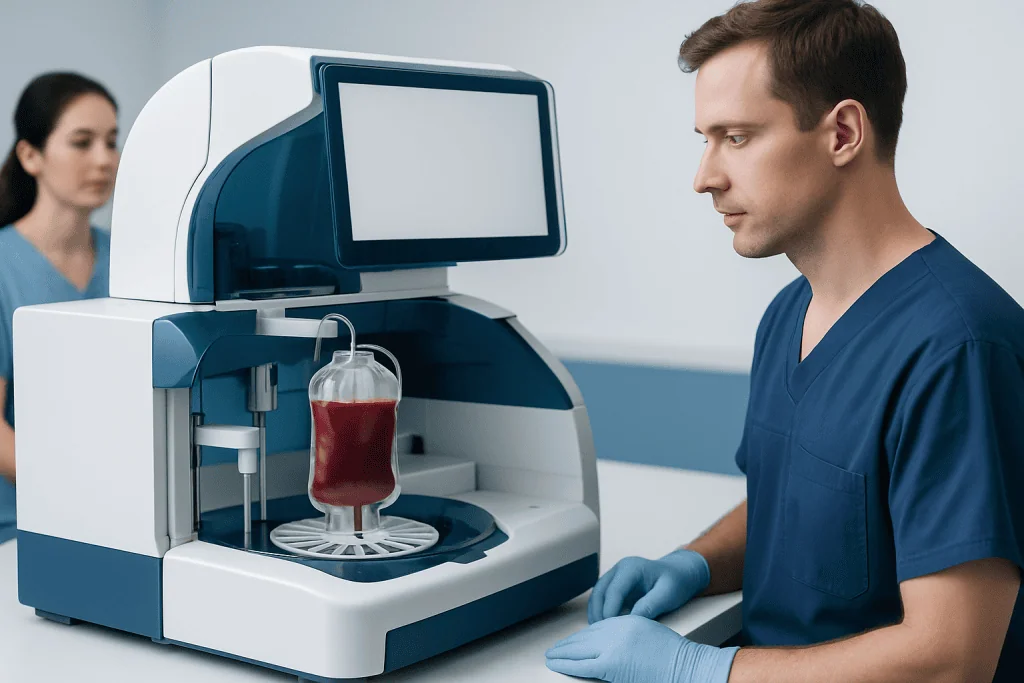
The first step is usually blood grouping. This identifies whether your blood type is A, B, AB, or O, and whether you are Rh positive or Rh negative. Your hospital may also perform an antibody screen, which looks for unexpected antibodies that can affect transfusion compatibility.
A crossmatch goes one step further when blood may need to be reserved for you. Your blood sample is tested against donor blood units to help confirm compatibility. If you have had previous transfusions, pregnancies, transplant history, or known antibodies, this information is especially helpful for the blood bank.
You do not need to memorize technical results, but you should share any records you have. Useful details include your known blood group, prior transfusion reactions, hematology reports, anemia history, and any special blood requirements previously documented by another hospital.
When the test is done and why it may be repeated

Timing can vary depending on your surgery type, medical history, and hospital protocol. Some patients complete blood type and crossmatch during their preoperative assessment after arriving in Istanbul or another Turkish city. Others may be asked to provide recent records first, with confirmation testing done at the hospital.
It is common for hospitals to require a fresh sample within a defined time window before surgery, especially if blood may be reserved. This is a safety step because antibody status can change, particularly after a recent transfusion or pregnancy. Your coordinator will tell you if the sample must be repeated close to the operation date.
If your surgery is scheduled soon after arrival, plan your travel itinerary so there is enough time for hospital registration, blood draw, laboratory processing, and any additional consultations. Acibadem International patient services can help align your appointments, interpreter needs, and preoperative schedule so the process feels manageable.
Documents and personal information to prepare
Before you travel, gather your medical records in one digital folder and, if possible, keep printed copies in your hand luggage. Even if the hospital repeats the blood test, previous records can help your team understand your history and identify anything that needs extra planning.
Bring or send the following when available:
- Your passport or official ID, matching the name on your medical file
- Previous blood group card or laboratory report
- Records of past transfusions, reactions, or antibody findings
- Recent complete blood count or anemia-related reports
- List of medications, including blood thinners, supplements, and iron treatment
- Details of allergies and major previous surgeries
If your documents are in another language, ask your international patient coordinator whether translation is needed. In many cases, key reports can be reviewed with interpreter support, but clear dates, units, and hospital letterheads are helpful.
What to expect at the hospital
On the day of testing, you will usually register with your passport or hospital file number, then proceed to the blood collection area. A staff member will confirm your identity before taking the sample. This identity check is important because blood bank testing depends on exact patient matching.
The blood draw is typically quick, but allow time for hospital navigation, queues, consent forms, and possible additional tests. If you are fasting for other preoperative blood work, follow the instructions given by your care team. If you are not sure whether fasting is needed, ask before eating or drinking that morning.
International patients often feel more comfortable when they know where to go and who will accompany them. Acibadem International can help with appointment coordination, interpreters, in-hospital directions, and communication between your surgical team, anesthesia team, and laboratory services.
Special situations that may need extra planning
Some patients need more time for blood bank preparation. This may include people with rare blood types, known antibodies, a history of transfusion reactions, complex anemia, bleeding disorders, or major surgery where blood loss risk is higher. If any of these apply to you, tell your coordinator as early as possible.
If you take blood thinners, antiplatelet medicines, herbal supplements, or medications that affect bleeding, do not stop them on your own. Your surgical and anesthesia teams will give individualized instructions. The blood type and crossmatch is only one part of a broader safety plan that may also include medication review and laboratory monitoring.
Patients who prefer to avoid transfusion for personal or religious reasons should discuss this clearly before travel whenever possible. Hospitals need time to document your wishes, review what is medically feasible, and discuss alternatives and consent. Early communication helps your team plan respectfully and safely.
How to keep the process smooth as an international patient
The most helpful approach is to treat blood testing as part of your travel plan, not as a last-minute detail. Schedule your arrival with enough buffer for preoperative checks, especially if your surgery is planned shortly after you land. Avoid booking tight tours, onward flights, or non-refundable plans immediately before your procedure.
Keep your phone available for hospital messages and confirm which communication channel your coordinator will use. If you are staying in a hotel, know the travel time to the hospital at morning traffic hours. If you have mobility needs, dizziness, anemia symptoms, or anxiety around blood draws, mention this in advance so support can be arranged.
Acibadem International teams regularly assist patients coming from abroad with interpreters, accommodation guidance, airport-hospital logistics, and appointment flow. You will still receive medical instructions from your doctors, but the concierge layer helps reduce uncertainty around where to be, when to arrive, and what to bring.
Step by step
- Share your medical history before travel. Send your coordinator any previous blood group reports, transfusion history, allergy details, and medication list. If you have ever been told you have antibodies or a rare blood type, mention this clearly.
- Confirm your preoperative appointment schedule. Ask when your blood sample will be taken and whether it must be done at the hospital. Build in enough time for laboratory processing and any additional reviews requested by your surgical or anesthesia team.
- Bring identification that matches your records. Use the same passport or official ID details for hospital registration and testing. Correct patient identification is essential for blood bank safety and may be checked more than once.
- Follow fasting and medication instructions. Blood type testing itself may not always require fasting, but it is often done alongside other preoperative tests that may have special instructions. Do not stop blood thinners, diabetes medicines, or other regular medication unless your doctor tells you to.
- Allow time on the day of testing. Arrive early enough for registration, interpreter support, blood collection, and possible follow-up questions. Wear comfortable clothing and keep water, snacks, or medications available if permitted by your fasting instructions.
- Ask how results will be used. You can ask whether blood will simply be typed and screened or whether units may be reserved for your surgery. Your care team can explain the plan in practical terms without overwhelming you with laboratory details.
- Keep your coordinator updated. If your travel plans change, you feel unwell, or you receive a new medical result before surgery, inform your coordinator promptly. Small updates can affect timing, testing, or anesthesia review.
Your checklist
- Passport or official ID used for hospital registration
- Previous blood type report or blood donor card, if available
- Records of past transfusions or transfusion reactions
- Known antibody reports or rare blood type information
- Current medication list, including blood thinners and supplements
- Recent blood count, anemia, or hematology reports
- Allergy list and major surgery history
- Interpreter request confirmed, if needed
- Preoperative appointment time and hospital location saved
- Comfort items for the hospital visit, such as phone charger and permitted snacks
Key takeaways
- Blood type and crossmatch testing helps your team prepare compatible blood if a transfusion becomes necessary.
- Hospitals may repeat the test close to surgery, even if you already know your blood group.
- Previous transfusion reactions, antibodies, rare blood type, anemia, or blood thinner use should be shared early.
- Bring identification and records that match your hospital file to support safe patient verification.
- International patient services can help coordinate appointments, interpreters, travel timing, and hospital navigation.
Frequently asked questions
Do I need a blood type and crossmatch before every surgery in Turkey?
Not always. It depends on the type of surgery, your medical history, and the likelihood that blood may be needed. Your surgeon and anesthesia team will decide which preoperative tests are appropriate for your situation.
If I already know my blood type, can I skip the test?
Usually no. Hospitals often need to confirm your blood group in their own laboratory and may also need an antibody screen or crossmatch. This is a patient safety step and helps ensure that records match your current sample.
How long does crossmatching take?
Timing varies by hospital workflow and by whether your antibody screen is straightforward or needs extra review. Many routine samples are processed within the preoperative schedule, but complex histories can take longer. Your coordinator can advise how much time to allow before surgery.
Will I definitely receive a transfusion if blood is crossmatched?
No. Crossmatching means compatible blood can be prepared or reserved if the medical team decides it is necessary. The decision to transfuse depends on your condition, blood loss, laboratory results, and clinical judgment.
What if I have a rare blood type or previous transfusion reaction?
Tell your coordinator and doctor as early as possible, ideally before you travel. The blood bank may need additional testing or more time to locate suitable blood. Bring any written reports from previous hospitals.
Can Acibadem International help if my records are in another language?
Yes, international patient teams can help organize communication and interpreter support during your hospital journey. You may still be asked for clear copies of original reports, dates, and laboratory values so the clinical team can review them accurately.
Should I stop blood thinners before my blood test?
Do not stop any prescribed medication unless your doctor instructs you to do so. Blood thinners may be managed before surgery, but the plan depends on your diagnosis, procedure, and risk factors. Always follow the instructions from your surgical or anesthesia team.
What should I do if my surgery date changes?
Inform your international patient coordinator as soon as possible. Some blood bank samples are valid only within a specific time window, so a date change may mean your test needs to be repeated. Your team will help adjust the schedule.
Add us as a Preferred Source to see more of our trusted health content across Google Search, AI Overviews and Discover.
More Patient Guides

How to Prepare for a Biopsy in Turkey: Questions, Timing, and Recovery Basics
Biopsy in Turkey preparation starts with the right questions, timing, travel plans, and recovery basics before and after your test in Istanbul…
9 min read
Questions to Ask Before Booking Surgery in Turkey
Questions to ask before booking surgery in Turkey: check surgeon, hospital accreditation, costs, aftercare, travel timing, and support in Istanbul.
9 min read
How to Pack for Surgery in Turkey: A Practical Patient Checklist
How to pack for surgery in Turkey: bring documents, medicines, comfort items, and recovery basics for a smoother stay in Istanbul or…
8 min read