

Bowel Preparation Before Colonoscopy or Surgery in Turkey

Bowel preparation before colonoscopy or bowel surgery clears stool from the intestines so the doctor can see the colon clearly or operate more safely. At Acibadem in Turkey, preparation is planned individually and typically includes a low-residue or clear-liquid diet, prescribed laxatives, and timing instructions based on the procedure and the patient’s health.
Bowel preparation helps your medical team examine or operate on the bowel as safely and clearly as possible. This guide explains what to expect, what to pack, and how to coordinate your preparation when you are travelling to Turkey for care.
At a glance
- Best for: International patients preparing for colonoscopy or bowel-related surgery
- Typical timing: Diet changes may begin 1-3 days before; laxative timing depends on your medical plan
- Main goal: A clean bowel so your doctor can see clearly and reduce avoidable delays
- Support available: Interpreter help, written instructions, hospital coordination and travel guidance
- Important reminder: Follow only the preparation plan given by your doctor or care coordinator
Why bowel preparation matters
Bowel preparation means emptying the bowel before a colonoscopy, certain scans, or surgery involving the digestive system. It usually includes temporary diet changes, clear fluids, and a prescribed laxative or cleansing solution. The exact plan can vary depending on your procedure, your medical history, and whether you are having a diagnostic test or an operation.
Good preparation helps your doctor see the lining of the bowel more clearly during colonoscopy. If the bowel is not clean enough, small findings may be harder to see, the procedure may take longer, or it may need to be rescheduled. Before surgery, bowel preparation may also be part of a broader plan that includes fasting, antibiotics, blood tests, anesthesia assessment, and hospital admission instructions.
When you are travelling to Turkey, preparation is also a logistics task. You may need to plan your flight timing, hotel bathroom access, translation of instructions, and when to start drinking the preparation solution. Acibadem International patient services can help you clarify your schedule so you are not trying to interpret medical instructions alone in a new country.
Your preparation plan will be personal
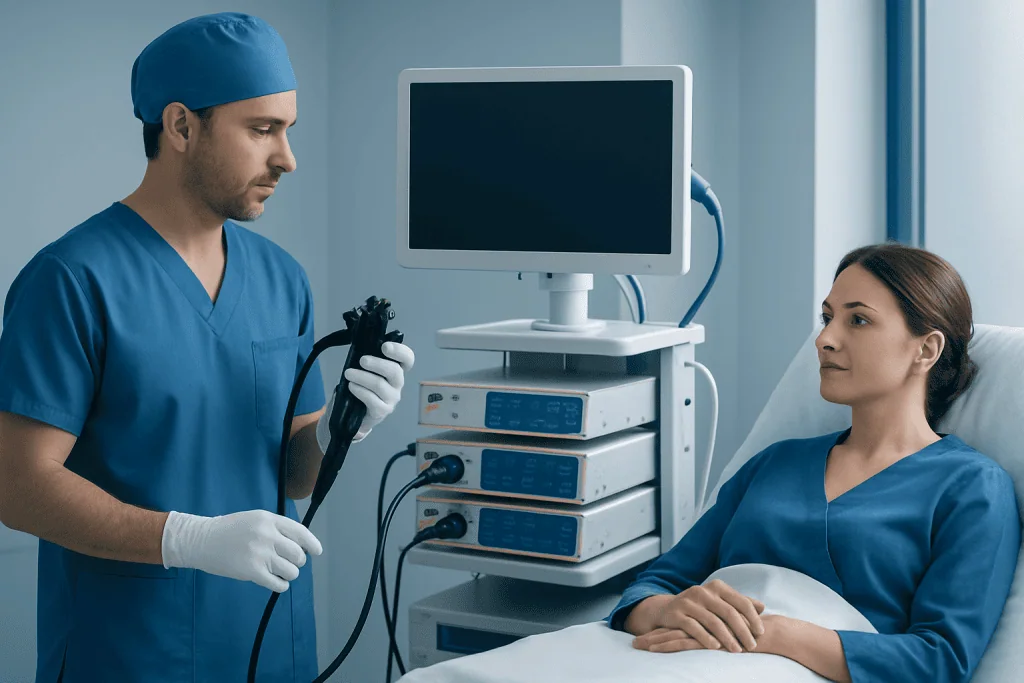
There is no single bowel preparation routine that is right for everyone. Your doctor may adjust the timing and type of preparation if you have kidney disease, heart disease, diabetes, constipation, inflammatory bowel disease, a stoma, previous bowel surgery, or difficulty drinking large volumes of fluid. Older adults and patients taking multiple medicines may also need extra guidance.
Your team will tell you which medicines to continue, pause, or adjust. This is especially important for blood thinners, diabetes medicines, insulin, iron tablets, certain blood pressure medicines, and supplements. Do not stop prescription medicines on your own; ask your care coordinator to confirm the plan with the clinical team.
If you receive instructions in English but prefer another language, ask for interpreter support early. At JCI-accredited Acibadem hospitals, international patient teams routinely help patients understand admission times, fasting rules, laboratory appointments, and procedure-day expectations. Clear instructions reduce stress and help prevent last-minute changes.
Diet changes before colonoscopy or surgery

Your doctor may ask you to change your diet one or more days before the procedure. Many patients are asked to avoid seeds, nuts, raw vegetables, high-fiber foods, and dark-colored foods for a short period. The day before colonoscopy often involves a clear liquid diet, but the timing can differ if you are having surgery or if you have special medical needs.
Clear liquids are usually fluids you can see through, such as water, clear broth, apple juice, certain sports drinks, tea or coffee without milk, and some clear oral rehydration drinks. Red, purple, or very dark drinks are often avoided because they can look like blood or residue during colonoscopy. Alcohol is not appropriate during bowel preparation because it can worsen dehydration and interact with medicines.
If you are staying in a hotel in Istanbul or another Turkish city, plan ahead for what you can safely drink. Keep bottled water available, ask the hotel about clear soup or broth options, and avoid experimenting with unfamiliar foods just before your procedure. If you are unsure whether a food or drink is allowed, send a photo or description to your care coordinator for confirmation.
Taking the bowel preparation solution
The bowel cleansing medicine may be a powder mixed with water, tablets, or a ready-made solution. Some plans use a split dose, where part is taken the evening before and the rest is taken several hours before the procedure. Split dosing can improve cleansing for some patients, but you should follow the timing written in your own instructions, especially if you will receive sedation or anesthesia.
You should expect frequent watery bowel movements after starting the preparation. Stay close to a bathroom, wear comfortable clothing, and protect your skin with gentle wipes or a barrier cream if recommended. Chilling the solution, drinking through a straw, or alternating with approved clear fluids may make it easier to tolerate, but do not change the total amount or timing unless your team tells you to.
Contact your medical team if you cannot keep the solution down, have severe abdominal pain, feel faint, stop passing stool or gas with increasing swelling, or notice symptoms that worry you. Mild nausea, bloating, and urgency can occur, but severe symptoms need medical advice. International patients should keep the hospital contact number and interpreter line accessible throughout the preparation period.
Travel and hotel logistics in Turkey
Try not to schedule long sightseeing trips, business meetings, or intercity travel on the day you begin bowel preparation. Once the laxative starts working, you will need quick bathroom access for several hours. A private hotel room or hospital-arranged accommodation with reliable bathroom access is much more comfortable than being on the road.
If you are flying to Turkey shortly before your procedure, ask whether you should arrive earlier. Starting bowel preparation during a flight is usually impractical and uncomfortable, and dehydration can be a concern during travel. Your care coordinator can help align your arrival, pre-procedure tests, anesthesia visit, and preparation schedule.
Pack practical items in your hand luggage: your medication list, previous medical reports, glasses, phone charger, comfortable clothes, approved clear drinks, and any prescribed preparation medicine if it was provided before travel. If the preparation will be supplied in Turkey, confirm when and where you will receive it. Acibadem International can also guide you on hospital arrival points, interpreter meeting arrangements, and companion access.
Safety, hydration and when to ask for help
Hydration is one of the most important parts of bowel preparation. The cleansing process causes fluid loss, and you may be asked to drink clear liquids up to a specific cut-off time before sedation or anesthesia. After that time, you must follow fasting instructions exactly to reduce anesthesia-related risks.
Patients with diabetes need a clear plan for meals, liquids, glucose monitoring, and medication adjustments. If you use insulin, tablets for blood sugar, a continuous glucose monitor, or an insulin pump, tell your team early. Bring your usual diabetes supplies and ask which clear liquids are appropriate for your situation.
Seek medical advice urgently if you develop chest pain, confusion, repeated vomiting, severe weakness, signs of dehydration, fever, or intense abdominal pain. If you are outside the hospital, contact the number provided in your instructions rather than waiting until your appointment time. It is always better to ask early than to risk arriving unprepared or unwell.
Step by step
- Confirm your exact procedure and date. Ask whether you are preparing for colonoscopy, bowel surgery, or both, because the instructions may differ. Confirm the hospital, arrival time, fasting cut-off time, and whether you need pre-procedure blood tests or anesthesia assessment.
- Share your medical and medication history. Send your current medicines, allergies, chronic conditions, previous operations, and recent test results to your coordinator. Include blood thinners, diabetes medicines, iron tablets, supplements, and any medicines you take only occasionally.
- Plan your food and fluids. Follow the low-fiber or clear liquid instructions given by your doctor. If you are staying in a hotel, arrange suitable drinks and simple approved foods in advance so you are not searching for options at the last minute.
- Start the bowel preparation at the instructed time. Mix and take the preparation exactly as written, including the amount of water and timing between doses. Stay close to a bathroom and avoid travel once the laxative effect begins.
- Protect hydration and comfort. Drink approved clear fluids until your fasting cut-off time, unless your doctor has restricted fluids. Use comfortable clothing, gentle hygiene products, and skin protection if frequent bowel movements cause irritation.
- Check your stool clarity. Many patients are told that the final bowel output should become watery and light yellow or clear, but your team may use different guidance. If you are worried the bowel is not clean enough, contact the hospital before travelling in.
- Arrive with documents and a companion plan. Bring your passport, medical reports, medication list, insurance or payment documents if relevant, and consent paperwork. If you will receive sedation or anesthesia, you may need a companion or arranged transport after discharge.
Your checklist
- Written bowel preparation instructions from your doctor or coordinator
- Confirmed hospital arrival time and fasting cut-off time
- Full medication list with doses and timing
- Clear plan for blood thinners, diabetes medicines and supplements
- Approved clear liquids and access to bottled water
- Private bathroom access during the preparation period
- Hospital contact number and interpreter contact if needed
- Passport, medical records and recent test results
- Comfortable clothes, phone charger and personal hygiene items
- Transport plan for procedure day, especially if sedation is planned
Key takeaways
- Bowel preparation is both a medical step and a practical travel-planning task for international patients.
- Your diet, laxative timing and medication plan should come from your own clinical team, not from generic internet instructions.
- Stay near a bathroom once the preparation starts and avoid flights, transfers or sightseeing during that period.
- Hydration matters, but fasting rules before sedation or anesthesia must be followed exactly.
- Interpreter support and international patient coordination can help you feel prepared and reduce last-minute uncertainty.
Frequently asked questions
How many days before my colonoscopy should I start bowel preparation?
Some patients begin diet changes 1-3 days before colonoscopy, while the laxative is often taken the day before and sometimes again on the morning of the procedure. Your exact timing depends on your appointment time, sedation plan and medical history. Follow the schedule given by your doctor or Acibadem coordinator.
Can I do bowel preparation while travelling to Turkey?
It is usually best to avoid starting bowel preparation during flights, airport transfers or long car journeys. The laxative can cause urgent and frequent bowel movements, and you may also need to drink large amounts of fluid. Ask your care team whether you should arrive earlier so you can prepare comfortably at your hotel or hospital accommodation.
What if I vomit after drinking the bowel prep solution?
Pause and contact your medical team for advice, especially if vomiting continues or you cannot keep fluids down. Do not simply skip the rest of the preparation or double the dose without guidance. Your team may suggest a timing adjustment or another safe approach based on your situation.
Can I take my regular medicines during bowel preparation?
Some medicines are continued, while others may need to be adjusted or paused. Blood thinners, diabetes medicines, insulin, iron supplements and certain heart or kidney medicines need special attention. Send your medication list early and follow the individualized instructions from your clinical team.
What should my bowel movements look like before colonoscopy?
In many cases, the final output becomes watery and light yellow or nearly clear, but expectations can vary. If you are still passing solid stool close to your procedure time, contact the hospital for advice. It is better to ask early than arrive with an incomplete preparation.
Is bowel preparation needed before every bowel surgery?
Not always. Some surgical plans include mechanical bowel preparation, antibiotics or both, while others do not require the same cleansing process as colonoscopy. Your surgeon and anesthesia team will decide based on the type of operation and your health condition.
Can my companion stay with me during preparation and on procedure day?
A companion can often help with comfort, translation, transport and reminders, but hospital access rules may vary by unit and procedure. If sedation or anesthesia is planned, you may be advised not to travel back to your hotel alone. Ask your international patient coordinator to confirm companion arrangements before the day of admission.
Add us as a Preferred Source to see more of our trusted health content across Google Search, AI Overviews and Discover.
More Patient Guides

How to Prepare for a Biopsy in Turkey: Questions, Timing, and Recovery Basics
Biopsy in Turkey preparation starts with the right questions, timing, travel plans, and recovery basics before and after your test in Istanbul…
9 min read
Questions to Ask Before Booking Surgery in Turkey
Questions to ask before booking surgery in Turkey: check surgeon, hospital accreditation, costs, aftercare, travel timing, and support in Istanbul.
9 min read
How to Pack for Surgery in Turkey: A Practical Patient Checklist
How to pack for surgery in Turkey: bring documents, medicines, comfort items, and recovery basics for a smoother stay in Istanbul or…
8 min read