

Dental Clearance Before Major Surgery in Turkey

Dental clearance before major surgery is a preoperative dental assessment that identifies and treats active oral infections, unstable teeth, gum disease, or other issues that could raise the risk of complications during or after surgery. In Turkey, this process typically includes a dental examination and imaging when needed, followed by any necessary treatment and a written clearance coordinated with the…
Dental clearance before major surgery is a practical safety step that checks for untreated oral infections, gum disease, or dental problems that could complicate your operation or recovery. If you are travelling to Turkey for surgery, early planning helps your medical and dental teams coordinate smoothly without delaying your procedure.
At a glance
- Best time to start: Ideally 4-6 weeks before major surgery, or as soon as your operation is being planned
- Main purpose: To identify and manage oral infections or dental issues that may affect surgical safety
- Who may need it: Patients having cardiac, transplant, orthopedic implant, cancer, or other complex major surgery
- What to bring: Recent dental records, X-rays, medication list, allergies, and your surgery plan if available
- Travel consideration: Allow time for dental treatment, healing, and written clearance before flying if possible
What dental clearance means before major surgery
Dental clearance before major surgery is a focused dental assessment carried out before an operation to check whether your mouth, teeth, gums, or jaw show signs of infection or active disease. It is not about achieving cosmetic dental perfection. It is about making sure untreated dental problems do not add avoidable risk when your body is already preparing for a significant procedure.
Your dental team may look for abscesses, deep cavities, severe gum inflammation, loose infected teeth, poorly fitting dental appliances, or wounds in the mouth. In many cases, the result is simple reassurance and a written note that there are no urgent dental concerns. If treatment is needed, your doctors can decide how to time it safely around your main surgery.
For international patients coming to Turkey, dental clearance is also a logistics issue. If a dental infection is discovered very close to your surgery date, it may create stress, extra appointments, or possible postponement. Starting early gives your care team more options and helps you arrive with clearer expectations.
Why your surgical team may request dental clearance
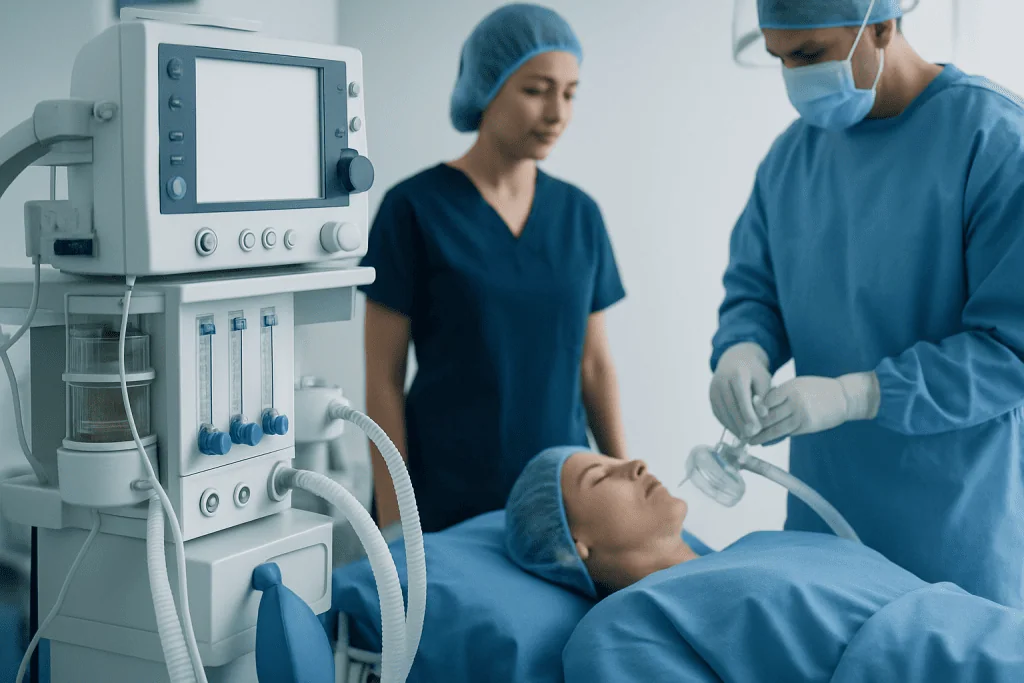
Major surgery places temporary stress on the immune system and may involve implants, prosthetic materials, catheters, or intensive recovery support. Bacteria from untreated oral infections can sometimes enter the bloodstream, especially when gums are inflamed or dental disease is advanced. Your surgical team may therefore ask for dental clearance as part of a broader infection prevention plan.
This request is more common before certain operations, including heart valve surgery, joint replacement, organ transplant preparation, some cancer treatments, complex reconstructive surgery, and procedures where foreign material may be implanted. It may also be recommended if you have diabetes, immune suppression, a history of endocarditis, or symptoms such as dental pain, swelling, bleeding gums, or loose teeth.
Clearance does not guarantee that complications cannot happen, and it does not replace the hospital’s own pre-operative safety checks. It simply helps remove one possible source of infection before your body begins healing from a major operation. At Acibadem International, pre-operative planning is coordinated across relevant specialist teams so that dental findings can be considered alongside your medical condition, medications, and operation schedule.
When to arrange your dental check if you are travelling to Turkey

The safest approach is to arrange a dental check as soon as your major surgery is being discussed, ideally 4-6 weeks before your planned operation date. This gives time for X-rays, treatment if needed, healing, and communication between your dentist and surgical team. If your surgery is urgent or already scheduled soon, do not panic; tell your care coordinator immediately so the team can advise what is realistic.
If you have a trusted dentist in your home country, it is often convenient to start there. Ask for a written dental clearance letter and copies of any recent X-rays or treatment notes in English if possible. If you cannot complete the check before travel, your international patient coordinator can help you understand whether an assessment in Turkey may be arranged before your surgery, depending on timing and medical suitability.
Avoid leaving dental symptoms unmentioned because you are worried your surgery may be delayed. A delay, if needed, is usually recommended to protect you from a larger problem during recovery. Your team can make better decisions when they know the full picture early.
What usually happens during a pre-surgery dental assessment
A pre-surgery dental assessment is usually straightforward. The dentist reviews your medical history, medications, allergies, previous dental treatment, and any symptoms such as pain, swelling, bad taste, bleeding gums, or difficulty chewing. They then examine your mouth and may request dental X-rays to look for hidden infection around roots, wisdom teeth, or old restorations.
The dentist may classify findings as no urgent issue, needs routine care later, or needs treatment before surgery. Treatment could include cleaning for significant gum inflammation, filling a deep cavity, draining or treating an abscess, adjusting an appliance, or removing a tooth that is severely infected and cannot be stabilized. The exact plan depends on your general health, the urgency of your surgery, and your doctors’ recommendations.
Before any dental procedure, make sure the dentist knows if you take blood thinners, have a heart condition, have a joint implant, use immune-suppressing medicines, have diabetes, or are undergoing cancer therapy. Do not stop or change medication on your own. Your dentist and surgical team should agree on any medication adjustments, antibiotics, or timing precautions.
Documents and communication that help prevent delays
Good documentation can make your journey much smoother. A short dental clearance letter should ideally include your name, date of assessment, summary of findings, any treatment completed, whether active oral infection is present, and whether the dentist sees any urgent dental barrier to planned surgery. If treatment is still pending, the letter should clearly state what remains and when it is expected to be completed.
It is helpful to prepare the following before you travel:
- Dental clearance letter or dental report, preferably in English
- Recent panoramic X-ray or relevant dental images, if available
- List of dental treatments completed in the last 6-12 months
- Current medication list, including blood thinners and supplements
- Allergy information, especially antibiotics or local anesthetics
- Your planned surgery name, hospital date, and surgeon contact if available
If you are an international patient with Acibadem International, share these documents with your patient coordinator before arrival. The coordinator can help direct records to the relevant team and advise whether anything needs clarification. This reduces repeated questions and helps your appointment schedule stay realistic.
Travel, timing, and comfort tips before your operation
If dental treatment is needed before your main surgery, ask how long you should allow for healing. A simple filling may not affect travel plans much, while an extraction, abscess treatment, or gum procedure may require follow-up and recovery time. Your surgical team must decide when it is safe to proceed, especially if you have stitches, ongoing infection, or are taking antibiotics.
When planning flights to Turkey, avoid scheduling arrival at the last possible moment if you know dental clearance is still incomplete. Build in buffer days for assessment, translation of records, extra imaging, or medical review. Istanbul is a busy international hub, and Acibadem International’s patient services can help with airport transfers, interpreters, and accommodation guidance, but your medical timeline still needs enough room for safe decisions.
For comfort, maintain gentle oral hygiene in the weeks before surgery: brush twice daily, clean between teeth if you normally do so, stay hydrated, and avoid starting aggressive new routines that irritate your gums. If you develop swelling, fever, severe tooth pain, pus, or difficulty opening your mouth, contact your care team promptly rather than waiting for your scheduled pre-operative visit.
Step by step
- Ask whether dental clearance is required. When your major surgery is being planned, ask your surgical coordinator if dental clearance is needed for your procedure and health profile. Requirements vary by operation type, medical history, and surgeon preference.
- Book a dental assessment early. Try to see your dentist 4-6 weeks before surgery, or sooner if you have symptoms. Early assessment gives time for X-rays, treatment, healing, and written documentation.
- Share your full medical and medication history. Tell the dentist about heart conditions, diabetes, immune suppression, cancer treatment, implants, allergies, and all medicines including blood thinners. This helps them choose safe treatment options and coordinate with your doctors.
- Complete urgent dental treatment if advised. If active infection or a high-risk dental issue is found, complete the recommended urgent care before surgery when possible. Do not delay telling your surgical team, because they may need to adjust timing or medications.
- Request a written clearance letter. Ask for a short report confirming the examination date, findings, treatment completed, and whether active dental infection remains. Keep digital and printed copies for your hospital file.
- Send records before travelling. Email your clearance letter, X-rays, and medication list to your international patient coordinator before you arrive in Turkey. This allows the team to review documents and flag missing information early.
- Report any new dental symptoms immediately. Even if you already have clearance, contact your team if you develop tooth pain, swelling, bleeding, fever, or a broken tooth before surgery. New symptoms may need quick review so your operation plan stays as safe as possible.
Your checklist
- Ask your surgical team if dental clearance is required for your procedure
- Schedule a dental check as early as possible before travel
- Bring or send recent dental X-rays if available
- Prepare a full list of medications, supplements, and allergies
- Tell your dentist about heart disease, diabetes, implants, immune suppression, or cancer treatment
- Complete urgent dental treatment and allow recommended healing time
- Request a written dental clearance letter in English if possible
- Share all dental documents with your international patient coordinator
- Keep reporting new dental symptoms until the day of surgery
Key takeaways
- Dental clearance checks for active oral infection before major surgery, especially when implants, heart procedures, transplant care, or complex recovery are involved.
- Start the process early, ideally 4-6 weeks before surgery, to avoid last-minute treatment or postponement.
- A written dental report, X-rays, medication list, and allergy details help your hospital team make safe decisions.
- Never stop blood thinners, antibiotics, or other medicines without instructions from your medical team.
- International patient coordinators can help route your records, arrange interpretation, and support travel logistics in Turkey.
Frequently asked questions
Is dental clearance always required before major surgery in Turkey?
No, it is not required for every operation or every patient. It is more commonly requested before procedures where infection prevention is especially important, such as cardiac surgery, joint replacement, transplant-related care, and some cancer treatments. Your surgical team will tell you whether it applies to your case.
Can I get dental clearance after I arrive in Istanbul?
In some situations, yes, but it depends on your surgery date, health condition, and whether treatment is needed. If your schedule is tight, discovering a dental infection after arrival can create delays. Whenever possible, complete the check in your home country and send the records before travel.
What if my dentist finds an infection before surgery?
Tell your surgical coordinator and send the dental report as soon as possible. Your dentist and medical team may recommend treatment, antibiotics, healing time, or a change in the surgery schedule depending on the severity and urgency. Do not try to manage a dental infection privately without informing the hospital team.
Will a cavity or gum problem automatically delay my surgery?
Not always. Minor or stable dental issues may be documented and treated later if they do not pose an immediate infection risk. Active infection, abscess, severe gum disease, or an unstable painful tooth is more likely to require attention before surgery.
What should a dental clearance letter include?
It should include your identification details, examination date, dental findings, X-ray findings if relevant, treatment completed, and whether active oral infection is present. It should also state whether the dentist sees any urgent dental reason to postpone the planned surgery. English documentation is helpful for international hospital review.
Should I take antibiotics before dental treatment or surgery?
Only take antibiotics if they are prescribed for you by a qualified clinician. Some patients with specific heart conditions, immune issues, or surgical plans may need special precautions, but this must be decided individually. Do not use leftover antibiotics or start medication without medical advice.
How can Acibadem International help with this process?
Acibadem International can help international patients share records with the right hospital teams, arrange interpreter support, and coordinate pre-operative appointments where appropriate. Its JCI-accredited hospitals use multidisciplinary planning, so dental findings can be reviewed in the context of your overall surgery preparation. Your coordinator can also support practical travel and accommodation questions.
Add us as a Preferred Source to see more of our trusted health content across Google Search, AI Overviews and Discover.
More Patient Guides

How to Prepare for a Biopsy in Turkey: Questions, Timing, and Recovery Basics
Biopsy in Turkey preparation starts with the right questions, timing, travel plans, and recovery basics before and after your test in Istanbul…
9 min read
Questions to Ask Before Booking Surgery in Turkey
Questions to ask before booking surgery in Turkey: check surgeon, hospital accreditation, costs, aftercare, travel timing, and support in Istanbul.
9 min read
How to Pack for Surgery in Turkey: A Practical Patient Checklist
How to pack for surgery in Turkey: bring documents, medicines, comfort items, and recovery basics for a smoother stay in Istanbul or…
8 min read