

Colonoscopy in Turkey: Procedure Day and Recovery Guide
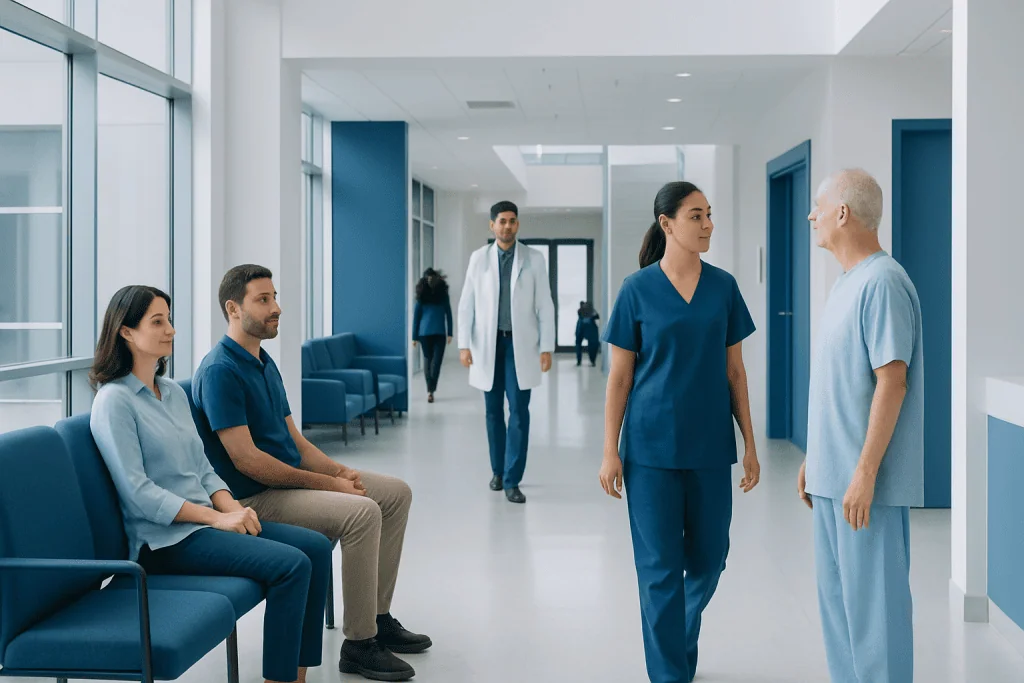
Colonoscopy is a procedure that lets doctors examine the inside of the colon and rectum with a flexible camera to investigate symptoms, screen for bowel disease, and remove certain polyps during the same session. At Acibadem in Turkey, care includes preparation guidance before the test, sedation and monitoring on procedure day, and recovery instructions covering observation, diet, and when normal…
If you are traveling for a colonoscopy in Turkey, knowing what happens before, during, and after your appointment can make the day feel calmer and more manageable. This guide focuses on practical planning, recovery comfort, and the support available to you as an international patient.
At a glance
- Best for: International patients preparing for colonoscopy day and short recovery
- Typical setting: Hospital endoscopy unit with specialist and nursing supervision
- Companion: Strongly recommended, especially if sedation is used
- Same-day travel: Usually not advised after sedation; confirm timing with your care team
- Support available: Interpreters, appointment coordination, transfers, and hotel guidance
Planning your colonoscopy in Turkey with confidence
A colonoscopy in Turkey can be arranged as part of a check-up, investigation of symptoms, follow-up after previous findings, or screening recommended by your doctor. For international patients, the medical appointment is only one part of the experience; you also need clear timing, preparation instructions, transport, accommodation, and a safe recovery plan.
Before you travel, ask your coordinator which reports or test results should be shared in advance. These may include previous colonoscopy reports, biopsy results, imaging, blood tests, medication lists, allergy information, and notes from your home doctor. If your documents are not in English or Turkish, ask whether translation is needed before arrival.
At Acibadem International, international patient teams can help you understand your appointment schedule, hospital location, interpreter availability, and practical next steps. The goal is to make the experience predictable: when to arrive, where to check in, who will meet you, and how long you should keep your day free.
Before procedure day: preparation, medicines, and travel timing
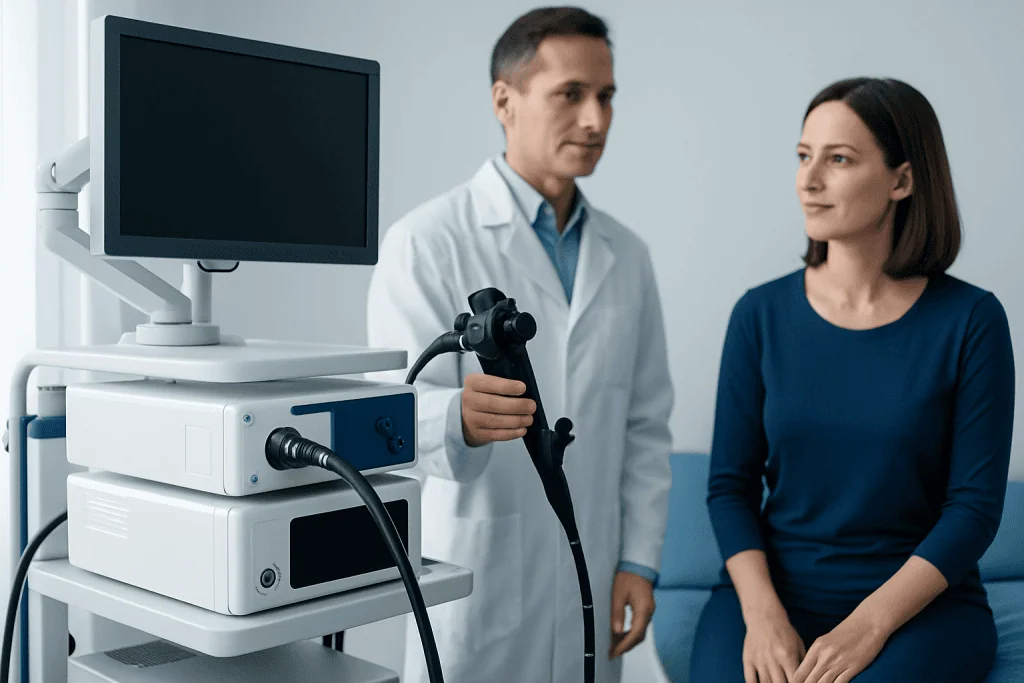
Your preparation instructions are important and should come directly from your medical team. Colonoscopy commonly requires dietary changes and bowel preparation before the test, but exact instructions can vary depending on your health, medications, travel schedule, and the reason for the procedure. Do not change the timing or dose of your preparation unless your care team tells you to.
If you take blood thinners, diabetes medicines, heart medication, blood pressure tablets, iron supplements, or regular pain medicines, tell the hospital in advance. You should also mention pregnancy, kidney disease, sleep apnea, previous anesthesia concerns, allergies, implanted devices, and any recent illness. These details help the team plan safely and avoid last-minute delays.
Try to arrive in Turkey with enough time to rest, hydrate according to your instructions, and settle into your hotel before the preparation begins. A very late flight, long layover, or stressful arrival the night before may make the preparation harder. If your schedule is tight, ask your coordinator to review whether your travel plan is realistic.
What happens when you arrive at the hospital
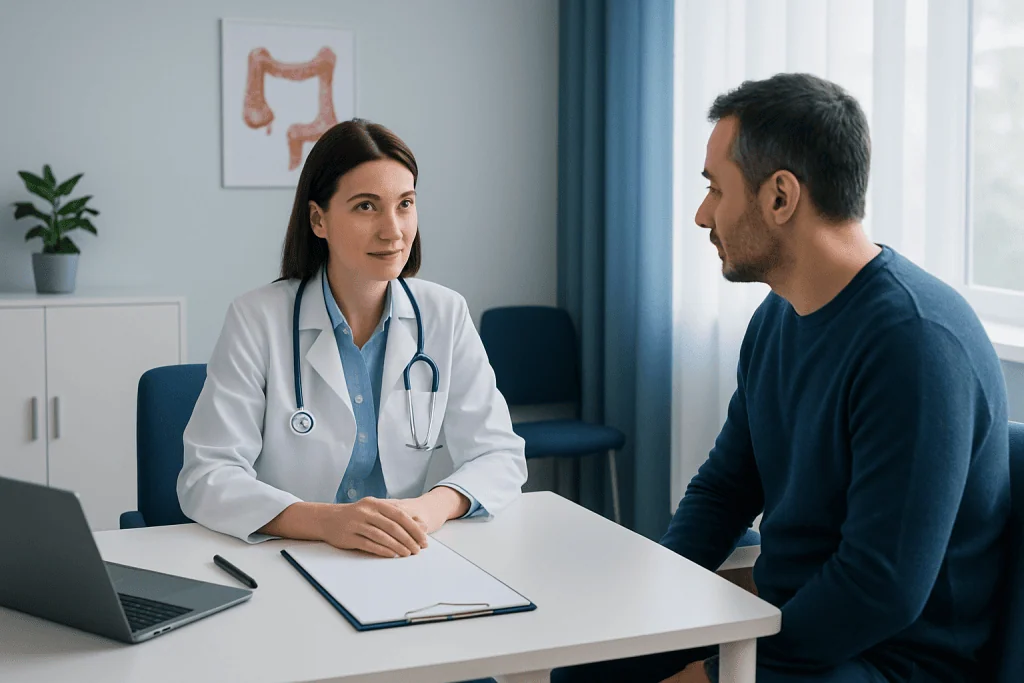
On the day of your colonoscopy, you will usually arrive at the hospital before the appointment time to complete registration, confirm your identity, review consent forms, and meet the nursing team. Bring your passport or ID, appointment confirmation, medical documents, medication list, and any insurance or payment paperwork you were asked to carry.
An interpreter can be arranged for international patients when needed, which is especially helpful during consent, pre-procedure questions, and discharge instructions. You may be asked when you last ate or drank, whether the bowel preparation was completed, and whether you have any new symptoms such as fever, chest pain, severe weakness, or vomiting.
The team will guide you to the endoscopy area, where you may change into a hospital gown and have your vital signs checked. If sedation is planned, a nurse may place an IV line and confirm that you have a responsible adult to accompany you afterward. This is a safety step, not a formality, because sedation can affect alertness and coordination for the rest of the day.
During the appointment: comfort, privacy, and communication
A colonoscopy is performed in a controlled medical setting by trained specialists and endoscopy nurses. Your team will explain the plan in appropriate detail before starting, including whether sedation will be used and what you may feel afterward. If you are anxious, tell the team; many patients feel more comfortable once they know who will be present and how communication will work.
Your privacy is respected throughout the visit. Hospital staff will keep you covered as much as possible and explain when they need to position you or check equipment. If you do not understand something, ask for the interpreter or coordinator before the procedure begins.
In some cases, the doctor may take tissue samples or remove small polyps during the colonoscopy if medically appropriate. Your doctor will explain what was done and whether any laboratory results are pending. Avoid assuming the meaning of findings until your specialist has reviewed the report with you.
Recovery in the hospital and the first 24 hours
After the procedure, you will rest in a recovery area while the nursing team monitors you. It is common to feel sleepy if sedation was used, and some patients feel bloated or pass gas as air leaves the bowel. Your nurse will let you know when it is safe to sit up, drink, get dressed, and leave.
You should not drive, operate machinery, drink alcohol, make major decisions, or travel alone after sedation unless your doctor specifically says it is safe. Arrange a companion, hotel transfer, or hospital-supported transport in advance. If you are in Istanbul or another city away from home, it is wise to keep the rest of your day quiet and flexible.
Your discharge instructions may include when to eat, which medicines to restart, what symptoms to watch for, and when results will be available. Follow these instructions even if you feel well. If biopsies were taken, final pathology results may take additional time, and your team will advise how you will receive them.
Staying in Turkey after your colonoscopy
Many patients feel well enough to return to light activities the next day, but your personal plan depends on sedation, findings, any intervention performed, and your overall health. If a polyp was removed or you had biopsies, your doctor may give specific instructions about activity, medications, or when to fly. Always confirm this before booking a tight return flight.
If you are staying at a hotel, keep your discharge papers, emergency contact numbers, and medication list easy to reach. Choose simple meals at first if your doctor allows eating, and drink fluids as instructed. If you feel unsure about symptoms, contact your hospital team rather than waiting until you return home.
Acibadem International patient services can assist with practical details such as follow-up appointment coordination, interpreter support, airport transfers, and communication with your care team. This support is especially useful if you are traveling without close family or if your results require additional consultation.
When to ask for urgent help
Most people recover smoothly after colonoscopy, but it is important to know when to seek help. Contact your care team or seek urgent medical attention if you have severe or worsening abdominal pain, persistent vomiting, fainting, fever, heavy rectal bleeding, black stools, chest pain, shortness of breath, or weakness that does not improve.
A small amount of mild discomfort or bloating may occur, but symptoms should generally improve. If you are unsure whether something is normal, it is safer to call the hospital contact number provided at discharge. Do not rely only on online advice, especially while you are abroad.
Before leaving the hospital, confirm who to contact during daytime hours and after hours. Save the numbers in your phone and give them to your companion as well. If language is a concern, ask whether interpreter support is available for urgent calls or follow-up communication.
Step by step
- Share your medical background before you travel. Send previous reports, medication lists, allergies, and relevant diagnoses to your coordinator or care team. This helps the hospital plan your appointment and identify any preparation or medication questions early.
- Confirm your bowel preparation instructions. Follow only the instructions given by your medical team, including diet, fluids, and timing. If your flight or hotel check-in conflicts with the preparation schedule, ask for guidance before making changes.
- Arrange a companion or safe transport. If sedation is planned, you should not leave alone or drive afterward. Organize a companion, private transfer, or hospital-supported transport before the procedure day.
- Bring the right documents to the hospital. Carry your passport or ID, appointment details, medical reports, medication list, and any payment or insurance documents. Keep digital copies on your phone as a backup.
- Use interpreter support when needed. Ask for an interpreter for consent, pre-procedure questions, and discharge instructions if you are not fully comfortable in the language used. Clear understanding is part of safe care.
- Rest after discharge. Plan a quiet day at your hotel after the procedure, especially if you received sedation. Avoid alcohol, driving, major decisions, and strenuous activity until your doctor says these are safe.
- Confirm results and follow-up before leaving Turkey. Ask when your report and any biopsy results will be ready, and how they will be shared with you. If further consultation is needed, your international patient team can help coordinate it.
Your checklist
- Passport or national ID
- Appointment confirmation and hospital contact details
- Previous colonoscopy reports, biopsy results, imaging, or lab tests
- Current medication list with doses and timing
- Allergy information and relevant medical history
- Bowel preparation instructions from your care team
- Comfortable clothing and easy-to-remove shoes
- Companion or confirmed transport after discharge
- Hotel address and local phone number
- Emergency contact saved in your phone
Key takeaways
- Colonoscopy in Turkey requires careful preparation, especially if you are traveling internationally.
- Do not adjust bowel preparation, fasting, or medication plans without your care team’s guidance.
- If sedation is used, arrange a companion or safe transport and avoid same-day independent travel.
- Keep your discharge papers, emergency contacts, and follow-up plan with you after leaving the hospital.
- Acibadem International can help with interpreters, scheduling, transfers, and coordination for international patients.
Frequently asked questions
Can I fly home the same day after a colonoscopy in Turkey?
Same-day flying is usually not recommended if you received sedation, and it may not be appropriate if a biopsy or polyp removal was performed. Your doctor should confirm when it is safe for you to fly based on your procedure and health status. It is best to avoid booking a tight return flight until your medical team has reviewed your plan.
Will I need someone with me after the procedure?
If sedation is used, you will usually need a responsible adult to accompany you after discharge. Sedation can affect judgment, balance, and reaction time even when you feel awake. If you are traveling alone, ask the international patient team about safe transfer options and post-procedure logistics.
How long should I stay in Turkey after my colonoscopy?
Some patients only need a short stay, while others may need extra time for pathology results, follow-up consultation, or recovery after an intervention. Your ideal stay depends on the reason for the colonoscopy, whether samples were taken, and your overall health. Confirm this before finalizing flights and hotel dates.
What should I eat after the colonoscopy?
Your discharge instructions will tell you when and what you can eat. Many patients start with light, simple foods if allowed, but recommendations can vary depending on findings and any treatment performed during the procedure. Follow your doctor’s instructions and ask before restarting supplements or restricted foods.
What if I do not speak Turkish?
International hospitals such as Acibadem can arrange interpreter support for many parts of your visit, including registration, consent, discharge, and follow-up coordination. Tell your coordinator your preferred language before arrival so support can be planned. Clear communication is especially important for preparation instructions and medication questions.
Will I receive a written report?
You should ask when the colonoscopy report will be available and whether biopsy or pathology results are pending. The endoscopy report may be available sooner than laboratory results. Before leaving the hospital, confirm how reports will be shared and whether they can be provided in English.
When should I contact the hospital after discharge?
Contact the hospital promptly if you have severe abdominal pain, heavy bleeding, fever, fainting, persistent vomiting, chest pain, shortness of breath, or symptoms that worry you. Use the emergency or after-hours number provided on your discharge papers. If you are unsure, it is safer to call and ask for guidance.
Add us as a Preferred Source to see more of our trusted health content across Google Search, AI Overviews and Discover.
More Patient Guides

At Acibadem, How to Prepare for Blood Tests, Scans, and Pre-Op Checks
Blood tests, scans, and pre-op checks at Acibadem in Turkey help confirm you are ready for treatment and avoid delays on the…
8 min read
Medical Test Results in Turkey: How to Understand the Next Step in Your Plan
Medical test results in Turkey usually lead to a clear next-step plan: review findings, confirm urgency, ask for copies, and arrange follow-up…
8 min read
Blood Tests and Scans Before Treatment in Turkey: Why They May Be Repeated
Blood tests and scans before treatment in Turkey may be repeated to confirm safety, compare methods, and meet hospital standards before your…
9 min read