

Blood Tests in Turkey: Same-Day Lab Visit Guide

Blood tests in Turkey are routine laboratory checks that use a small blood sample to assess overall health, investigate symptoms, monitor conditions, or support diagnosis and treatment planning. At Acibadem, the process typically includes test selection by the care team, sample collection during a same-day lab visit, and review of results by the relevant specialist.
If you need blood tests during a trip to Turkey, a same-day lab visit is usually a straightforward appointment when you know what to bring, how to prepare and how results are shared. This guide explains the practical steps for international patients, from fasting and documents to interpreters, reports and follow-up.
At a glance
- Best for: Routine, pre-treatment or follow-up blood tests during your stay
- Typical timing: Many tests can be collected the same day; reporting time depends on the test
- Preparation: Some tests require fasting, medication guidance or morning collection
- Support available: International patient coordination, interpreters and report guidance
- Where: Hospital-based laboratories and outpatient clinics in Turkey, including Istanbul
When a Same-Day Blood Test Makes Sense
You may need blood tests in Turkey for many practical reasons: a health check before a planned treatment, monitoring a known condition, checking medication levels, completing pre-operative preparation, or following up after a consultation. For international patients, the main priority is usually clarity: knowing whether you can be seen quickly, whether you must fast, and how you will receive results in a language you understand.
A same-day lab visit is often possible for common blood tests, especially when the request is clear and you arrive with the right documents. Some specialized tests may need a specific collection time, a physician request, or additional processing time. If your test is linked to treatment planning, your care team may coordinate it alongside imaging, consultation or admission preparation.
At Acibadem International, the patient care team can help you understand the practical pathway: where to go, what time to arrive, whether an interpreter is needed, and how reports are shared. This support is especially useful if you are visiting Istanbul for a short stay and need your schedule to be organized efficiently.
How to Prepare Before You Go
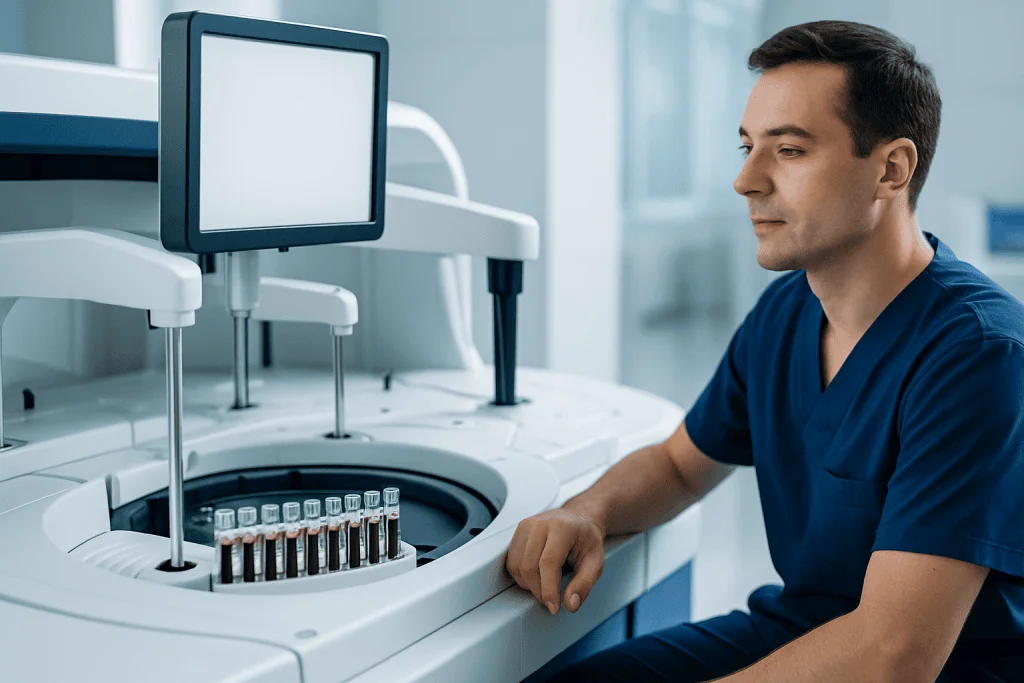
Preparation depends on the exact tests requested. Some blood tests can be done at any time of day, while others may require fasting, morning collection or a pause in certain supplements. Do not stop prescribed medication unless a doctor specifically tells you to do so. If you are unsure, ask before your appointment rather than guessing.
Fasting usually means no food for a defined period before the blood draw, while water is often allowed unless you are told otherwise. Coffee, tea, chewing gum, smoking and exercise may affect certain results, so it is safest to follow the instructions provided by the clinic or your doctor. If you have diabetes, pregnancy, kidney disease, blood-thinning medication use, or a history of fainting during blood draws, mention this in advance.
Bring any previous lab reports, imaging summaries, prescriptions and the name of the test requested by your doctor. If the tests were requested by a physician outside Turkey, share the request clearly, ideally in English. The international patient team can help route your documents to the relevant department so the laboratory request matches your medical need.
What to Bring to the Lab Visit

A smooth same-day visit starts with simple paperwork. You will normally need your passport or official ID, contact details, and any medical request or doctor’s note. If you are using insurance or a company guarantee, bring the relevant authorization documents, but do not assume that every test is automatically covered until eligibility is confirmed.
If your blood test is part of a broader care plan, bring your full medication list, including prescription medicines, over-the-counter drugs, vitamins, herbal products and injections. Some results can be affected by recent medication, supplements, dehydration, recent illness, intense exercise or food intake. Giving this context helps the clinical team interpret results more responsibly.
- Passport or ID used for registration
- Doctor’s request, referral note or previous report
- Medication and supplement list
- Insurance or payment documents if applicable
- Contact details for receiving results
- Interpreter request, if you prefer support in your language
What Happens During a Same-Day Lab Appointment
After registration, your requested tests are checked and entered into the hospital system. If anything is unclear, staff may confirm the test names, fasting status or whether a physician review is needed before collection. This is a normal safety step, especially when test names differ between countries or when your request includes specialized markers.
The blood draw itself is usually brief. A healthcare professional will confirm your identity, choose a vein, clean the area and collect blood into labeled tubes. Tell the team if you have difficult veins, feel anxious, have fainted before, take blood thinners, or need to lie down during the sample collection.
After the sample is taken, you may be asked to press on the site for a short time. Most people return to normal activities immediately, although you should follow any instructions given for your situation. If you were fasting, bring a snack or plan to eat after the sample is collected, unless another test or procedure requires continued fasting.
Understanding Timing and Results
Many routine blood test results may be available the same day, but timing varies by test type, laboratory workload, sample processing needs and whether additional confirmation is required. Some hormone, infection, genetic, immunology or send-out tests may take longer. It is reasonable to ask when results are expected and how you will be notified.
Results are usually provided as a formal laboratory report with reference ranges. However, a result outside the reference range does not always mean an emergency, and a normal result does not always explain symptoms. Interpretation depends on your medical history, medications, age, sex, timing of collection and the reason for testing.
If your tests are arranged through Acibadem International as part of a consultation, your results can be connected with the relevant specialist team for follow-up. If you plan to take the report back to your home doctor, ask for the report format you need and whether an English version is available. Keep both digital and printed copies if you are traveling soon.
Language, Travel and Comfort Support
For international patients, the laboratory visit is not only about the test. You may also need directions, registration help, translation, transport planning and coordination with hotel or airport timing. These details matter when you are in a new country and trying to complete medical tasks within a short travel window.
Acibadem International’s patient services can help with practical coordination such as appointment scheduling, interpreter support, hospital navigation and communication between departments. If you are coming with a companion, they can usually assist with check-in and waiting area logistics, subject to hospital policies and patient privacy rules.
Wear comfortable clothing with sleeves that roll up easily. Drink water if you are allowed, rest if you feel lightheaded, and avoid rushing immediately after the blood draw. If you are anxious, tell the nurse before collection; simple adjustments such as lying down or taking a few extra minutes can make the visit much easier.
Safety, Privacy and Follow-Up
Hospital-based laboratories use identity checks, sample labeling and quality processes to reduce errors and protect patient safety. At JCI-accredited hospitals such as those in the Acibadem network, these systems are part of a broader quality and patient safety framework. You can support safety by checking that your name and date of birth are correct on forms and labels.
Your medical information is private. Ask how your results will be delivered, who can receive them, and whether your companion is authorized to discuss them with the team. If you need reports sent to a doctor abroad, confirm the correct email address, file format and any consent process required.
Seek urgent medical help if you develop concerning symptoms such as chest pain, severe shortness of breath, fainting, heavy bleeding from the puncture site, signs of a serious allergic reaction, or sudden severe illness. For routine abnormal results, avoid self-diagnosis and arrange a medical review so the findings can be interpreted in context.
Step by step
- Send your test request before you arrive. Share your doctor’s note, previous results or the list of required blood tests with the patient coordination team. This helps confirm whether the tests can be collected the same day and whether any special preparation is needed.
- Confirm fasting and medication instructions. Ask specifically whether you should fast, drink water, avoid exercise or come in the morning. Do not stop prescribed medicines unless your doctor has clearly instructed you to do so.
- Choose a practical appointment time. Morning appointments are often convenient for fasting tests and for patients with a full day of consultations. If you have flights, hotel checkout or other appointments, tell the coordinator so your schedule can be planned realistically.
- Bring identification and medical documents. Carry your passport or ID, test request, medication list and any insurance or authorization papers. If you have previous abnormal results, bring those too so the care team can compare information.
- Register and verify your details. At the hospital or clinic, your identity and requested tests will be checked before blood is collected. Make sure your name, date of birth and contact details are correct, especially if results will be sent digitally.
- Have the blood sample collected. Tell the nurse if you are anxious, prone to fainting, taking blood thinners or have difficult veins. After the draw, follow instructions for pressure on the site and rest briefly if you feel lightheaded.
- Receive and review your report. Ask when the report will be ready and whether it will be available in English. If results are linked to symptoms or treatment planning, arrange a doctor review rather than trying to interpret the report alone.
Your checklist
- Passport or official ID for hospital registration
- Doctor’s request, test list or referral note
- Previous blood test reports and relevant medical summaries
- Current medication, supplement and allergy list
- Fasting instructions confirmed in advance
- Water and a light snack for after fasting, if allowed
- Insurance or payment authorization documents, if applicable
- Interpreter request noted before arrival, if needed
- Correct email or contact number for receiving results
Key takeaways
- Same-day blood tests in Turkey are often possible, but preparation depends on the exact test requested.
- Bring identification, your test request, medication details and previous reports to avoid delays.
- Some tests require fasting, morning collection or special handling, so confirm instructions in advance.
- Results should be interpreted by a doctor in the context of your symptoms, history and medications.
- International patient support can help with scheduling, interpreters, navigation and report coordination.
Frequently asked questions
Can I get blood tests in Turkey on the same day?
Many common blood tests can be collected the same day, especially when you have a clear request and arrive prepared. Some specialized tests may require a physician consultation, a specific collection time or longer processing. It is best to share your test list in advance so the team can confirm availability and timing.
Do I need to fast before a blood test?
Some blood tests require fasting, while others do not. Fasting instructions depend on the test and your medical situation, so you should confirm before your appointment. If you have diabetes, are pregnant or take important morning medication, ask for personalized guidance.
Will my blood test report be in English?
Many international patient pathways can provide reports or support in English, but you should request this when arranging your appointment. If you need the report for a doctor in your home country, ask about digital copies and format. Keep a copy for your own records while traveling.
How long do blood test results take?
Routine tests may be reported the same day, but timing varies by the type of test and laboratory processing requirements. More specialized tests can take longer, particularly if they need additional analysis. Ask the team for an expected reporting time before you leave the hospital.
Can I have blood tests without seeing a doctor first?
This depends on the test, the hospital policy and the reason for testing. Some routine tests may be arranged directly, while others require a physician assessment to ensure the correct test is ordered and interpreted safely. If your symptoms are new or concerning, a medical consultation is usually the safer path.
What if my result is abnormal while I am still in Turkey?
Do not panic or rely only on the reference range. Abnormal results need to be interpreted with your medical history, medications and symptoms. The patient coordination team can help you arrange follow-up with the relevant specialist if a doctor review is needed.
Can Acibadem International help if I am only in Istanbul briefly?
Yes, international patient services can help coordinate appointment timing, interpreter needs, hospital navigation and communication between departments. If you have limited time before a flight or another appointment, share your schedule early. The team can advise what is realistic based on the tests requested.
Add us as a Preferred Source to see more of our trusted health content across Google Search, AI Overviews and Discover.
More Patient Guides

At Acibadem, How to Prepare for Blood Tests, Scans, and Pre-Op Checks
Blood tests, scans, and pre-op checks at Acibadem in Turkey help confirm you are ready for treatment and avoid delays on the…
8 min read
Medical Test Results in Turkey: How to Understand the Next Step in Your Plan
Medical test results in Turkey usually lead to a clear next-step plan: review findings, confirm urgency, ask for copies, and arrange follow-up…
8 min read
Blood Tests and Scans Before Treatment in Turkey: Why They May Be Repeated
Blood tests and scans before treatment in Turkey may be repeated to confirm safety, compare methods, and meet hospital standards before your…
9 min read