Concussion: Symptoms, Red Flags, and Safe Return to Activity

A concussion can happen without loss of consciousness and symptoms may appear immediately or over several hours. Red flags such as worsening headache, repeated vomiting, seizure, weakness, confusion, or unusual drowsiness require urgent medical evaluation.
Key Takeaways
- A concussion can happen without loss of consciousness and symptoms may appear immediately or over several hours.
- Red flags such as worsening headache, repeated vomiting, seizure, weakness, confusion, or unusual drowsiness require urgent medical evaluation.
- Diagnosis is usually clinical; CT or MRI is not needed for every concussion but may be used when more serious injury is suspected.
- After the first 24 to 48 hours, a gradual return to school, work, and light activity is usually recommended as long as symptoms do not worsen.
- Athletes should never return to play on the same day and should follow a stepwise return under medical supervision.
- Children, older adults, people on blood thinners, and anyone with repeated concussions need special care and follow-up.
A concussion is a mild traumatic brain injury that can affect thinking, balance, mood, sleep, and physical comfort. Most people recover well with early recognition, short-term rest, gradual return to activity, and prompt medical care when warning signs appear.
Overview
A concussion is a type of mild traumatic brain injury caused by a bump, blow, jolt, fall, or rapid movement that makes the brain move inside the skull. It can occur during sports, road traffic incidents, workplace accidents, falls at home, or everyday activities. Although the word mild describes the injury category, the symptoms can still feel significant and should be taken seriously.
A person does not need to be knocked unconscious to have a concussion. In fact, many people remain awake and may initially feel only dazed, confused, or not quite right. Symptoms can appear right away or develop over the next several hours, which is why observation after a head injury is important.
Most concussions improve with time and appropriate care. Recovery focuses on protecting the brain from another injury, allowing symptoms to settle, and returning to normal activities gradually. Medical advice is especially important when symptoms are severe, worsening, prolonged, or when the injured person is a child, older adult, pregnant, or taking medicines that affect bleeding.
Concussion Symptoms
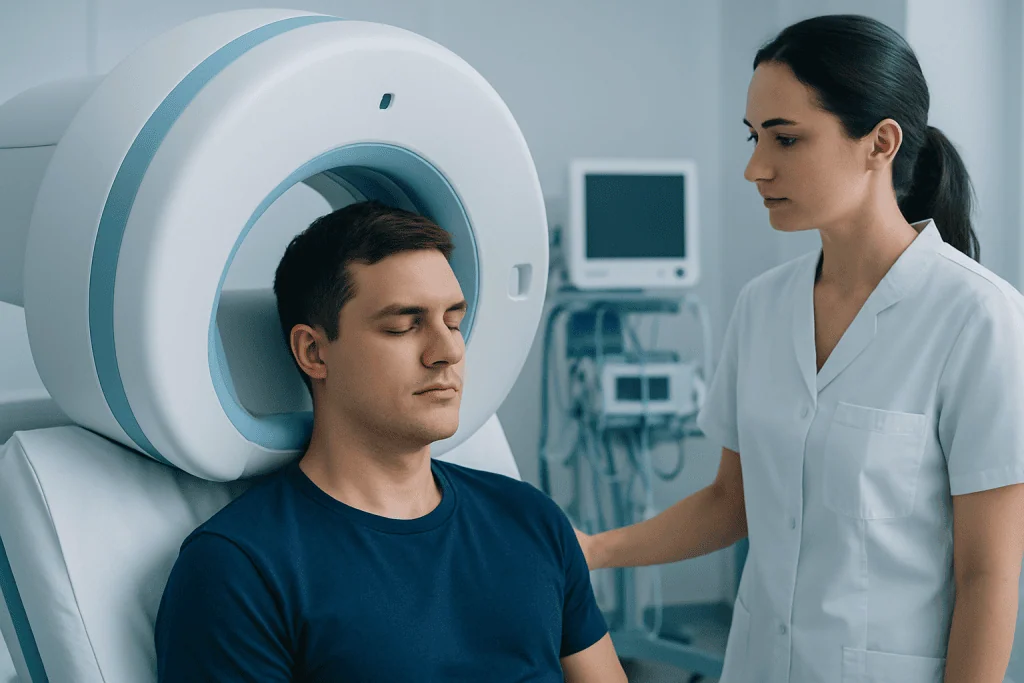
Concussion symptoms can affect the body, thinking, emotions, and sleep. A person may have a headache, dizziness, nausea, blurred vision, sensitivity to light or noise, balance problems, or fatigue. They may also feel slowed down, foggy, forgetful, or have difficulty concentrating.
Emotional and behavioral changes are also common. Some people feel irritable, anxious, sad, or unusually emotional after a concussion. Sleep may be disrupted, with trouble falling asleep, sleeping more than usual, or feeling tired despite resting.
In children and teenagers, symptoms may be harder to describe. Parents and caregivers may notice crying more than usual, changes in play, clumsiness, poor appetite, trouble with schoolwork, or a child saying they feel strange. Babies and young children with any concerning head injury should be assessed promptly because they cannot reliably explain symptoms.
- Physical symptoms: headache, dizziness, nausea, balance problems, light or noise sensitivity.
- Cognitive symptoms: confusion, memory gaps, poor concentration, feeling slowed down.
- Emotional symptoms: irritability, anxiety, sadness, mood changes.
- Sleep symptoms: drowsiness, sleeping too much, insomnia, unusual fatigue.
Red Flags: When Head Injury Needs Urgent Care

Some symptoms may suggest a more serious brain injury, bleeding, skull fracture, neck injury, or another emergency. A person with red flag symptoms should receive urgent medical evaluation, and emergency services should be contacted if symptoms are severe or progressing. It is safer not to drive the injured person if they are confused, faint, vomiting repeatedly, or becoming less alert.
Important concussion red flags include a headache that gets worse, repeated vomiting, seizure, loss of consciousness, increasing confusion, unusual behavior, severe drowsiness, inability to wake up, slurred speech, weakness or numbness in the arms or legs, unsteady walking, unequal pupils, clear fluid or blood from the nose or ears, or severe neck pain. Any suspected head injury related to high-speed impact, major fall, assault, or alcohol or drug intoxication also deserves careful medical assessment.
Special caution is needed for people taking blood thinners or antiplatelet medicines, people with bleeding disorders, older adults, and anyone who has had brain surgery or repeated concussions. In these groups, symptoms can be subtle even when the risk of complications is higher. A doctor can decide whether observation, imaging, or hospital care is needed.
Causes and Risk Factors
A concussion happens when force changes the way brain cells function, even if the head does not strike a hard surface. A fall, collision, sudden stop, or rotational movement can stretch and stress brain tissue. This may briefly disrupt normal brain signaling and cause the wide range of symptoms people experience.
Sports such as football, soccer, basketball, rugby, hockey, cycling, skiing, skating, martial arts, and gymnastics can involve concussion risk. However, concussions are not limited to athletes. Falls are a common cause, particularly in children and older adults, while motor vehicle crashes and workplace injuries can affect people of any age.
Risk factors for a longer or more complicated recovery include a history of previous concussion, migraine, learning difficulties, attention-deficit disorders, anxiety, depression, sleep disorders, and returning to high-risk activity too soon. Children and adolescents may take longer to recover than adults and should follow age-appropriate guidance for school and sport.
Diagnosis and Medical Evaluation
Concussion is usually diagnosed through a medical history, symptom review, and physical and neurological examination. The clinician may check memory, concentration, coordination, balance, vision, reflexes, neck movement, and signs of worsening injury. Details about how the injury happened, whether symptoms changed over time, and any previous concussions are important.
Brain scans such as CT or MRI do not show most concussions because concussion is often a functional injury rather than a visible structural injury. Imaging may still be recommended when there are red flags, a high-risk mechanism of injury, worsening symptoms, abnormal neurological findings, or risk factors such as blood thinner use. The goal of imaging is usually to rule out bleeding, fracture, or other serious conditions.
In sport settings, sideline tools can help identify suspected concussion, but they do not replace a medical diagnosis. If concussion is suspected, the athlete should be removed from play immediately and not return the same day. A qualified healthcare professional should guide return to sport, school, work, and driving when symptoms affect reaction time or concentration.
Treatment and Recovery
The first step after a suspected concussion is relative rest and protection from another head injury. For the first 24 to 48 hours, the person should reduce strenuous physical activity, avoid contact sports, and limit activities that significantly worsen symptoms. Complete isolation in a dark room for many days is usually not helpful; gentle daily activities can often resume as tolerated.
After the initial rest period, gradual return to normal routines is encouraged if symptoms remain mild and do not worsen. This may include short walks, simple household tasks, limited screen time, and a step-by-step return to school or work. Breaks, reduced workload, extra time for assignments, and avoiding bright or noisy environments may help during recovery.
Pain relief should be discussed with a healthcare professional, especially soon after injury or if there is any concern about bleeding. Alcohol, recreational drugs, and sedating medicines should be avoided unless approved by a doctor, as they can mask symptoms and affect recovery. The injured person should not drive, operate machinery, or perform risky tasks if they feel dizzy, drowsy, slowed, or visually impaired.
Most people improve steadily, but recovery time varies. Persistent symptoms such as ongoing headache, dizziness, sleep problems, mood changes, or difficulty concentrating may benefit from targeted care, including vestibular therapy, vision assessment, headache management, sleep support, or supervised rehabilitation.
Safe Return to School, Work, Exercise, and Sport
Returning to activity after concussion should be gradual and symptom-guided. A helpful principle is to start with light mental and physical activity that does not significantly worsen symptoms, then slowly increase demands. If symptoms increase noticeably, the person should step back to the previous level and try again after a period of rest.
For school or work, this may mean shorter days, scheduled breaks, reduced screen exposure, quieter spaces, lighter assignments, or temporary changes in deadlines and duties. Communication between the patient, family, school, employer, coach, and healthcare professional can make recovery smoother and reduce pressure to do too much too soon.
For athletes, return to play should follow a stepwise program: light aerobic activity, moderate exercise, sport-specific non-contact drills, more complex training, full-contact practice only after medical clearance, and then competition. Each step usually takes at least 24 hours, and the athlete should remain symptom-free at the current level before progressing. Children and adolescents should return fully to learning before returning fully to sport.
There should be no same-day return to play after a suspected concussion. A second head injury before the brain has recovered can lead to more severe symptoms and a longer recovery. The safest approach is early recognition, removal from risk, medical assessment, and a structured return plan.
Prevention, Self-Care, and When to See a Doctor
Not all concussions can be prevented, but risk can be reduced. Wearing properly fitted helmets for cycling, skating, skiing, and certain work or sport activities is important, although helmets cannot prevent every concussion. Seat belts, child car seats, fall prevention at home, safe playground design, good lighting, handrails, and avoiding driving under the influence all help protect the head and brain.
In sports, prevention includes learning safe technique, following rules, reporting symptoms honestly, and supporting a culture where athletes are not pressured to play through head injury. Coaches, teachers, parents, and teammates should treat suspected concussion as a medical issue, not a sign of weakness. Early reporting often leads to a safer and faster return.
A doctor should assess anyone with suspected concussion, especially if symptoms persist beyond a few days, worsen, interfere with school or work, or follow a significant impact. Urgent care is needed for any red flag symptom. Acibadem International’s multidisciplinary specialists and JCI-accredited hospitals diagnose and treat neurological injuries, including concussion, for international patients when in-person evaluation or follow-up care is needed.
Frequently asked questions
Can a person have a concussion without losing consciousness?
Yes. Many concussions occur without any loss of consciousness. Feeling dazed, confused, dizzy, foggy, nauseated, or having a headache after a head impact can still indicate concussion.
How long does concussion recovery take?
Recovery varies from person to person. Many people improve within days to a few weeks, but children, teenagers, and people with previous concussions or migraine may take longer. Persistent or worsening symptoms should be reviewed by a healthcare professional.
Should someone with a concussion be kept awake overnight?
Not always. If the person has been medically assessed and has no red flags, sleep is usually helpful for recovery. However, urgent care is needed if the person cannot be awakened, becomes increasingly drowsy, confused, or develops worsening symptoms.
Is a CT scan or MRI always needed after concussion?
No. Most concussions do not appear on standard CT or MRI scans. Imaging may be recommended when there are red flags, abnormal neurological findings, high-risk injury details, or bleeding risk factors.
When can an athlete return to play after concussion?
An athlete should not return to play on the same day as a suspected concussion. Return should follow a stepwise progression and should be supervised by a qualified healthcare professional, with medical clearance before full-contact practice or competition.
What activities should be avoided after a concussion?
The person should avoid contact sports, high-risk activities, alcohol, recreational drugs, and tasks requiring sharp reaction time if symptoms are present. Screen time, schoolwork, exercise, and work can usually return gradually as long as symptoms do not significantly worsen.
What are the most important concussion red flags?
Red flags include worsening headache, repeated vomiting, seizure, increasing confusion, unusual behavior, severe drowsiness, weakness or numbness, slurred speech, unequal pupils, fluid or blood from the ears or nose, or severe neck pain. These symptoms require urgent medical evaluation.
References
- Centers for Disease Control and Prevention
- World Health Organization
- American Academy of Neurology
- Concussion in Sport Group
- National Institute for Health and Care Excellence
This article is for general information only and is not a substitute for professional medical advice. Please consult a qualified doctor about your individual situation.
Explore treatments in Turkey — costs, top hospitals & a free quote
JCI-accredited · board-certified surgeons · reply within 24h
Add us as a Preferred Source to see more of our trusted health content across Google Search, AI Overviews and Discover.

More from the Health Library



Related Specialists

Dr. Özlem Karaahmet
Gynecology & Obstetrics
Prof. Dr. Çiğdem Kalaycık Ertuğay
Otorhinolaryngology
Dr. Abdulkadir Kırkgöz
Pediatrics
Dr. Ferhat Erdem Uğraş
General Surgery