Peripheral Artery Disease: Leg Pain While Walking and Treatment Options

Peripheral Artery Disease is usually caused by atherosclerosis, the buildup of fatty plaque inside arteries. Leg pain while walking, known as claudication, is a typical symptom but some people have few or no symptoms.
Key Takeaways
- Peripheral Artery Disease is usually caused by atherosclerosis, the buildup of fatty plaque inside arteries.
- Leg pain while walking, known as claudication, is a typical symptom but some people have few or no symptoms.
- Diagnosis often begins with a simple ankle-brachial index test and may include ultrasound or vascular imaging.
- Treatment focuses on stopping smoking, supervised exercise, controlling diabetes, blood pressure and cholesterol, and using medicines when appropriate.
- Some patients benefit from minimally invasive angioplasty or stenting, while others may need vascular surgery.
Peripheral Artery Disease, often called PAD, is a circulation problem in which narrowed arteries reduce blood flow to the legs. A common warning sign is leg pain, cramping, or heaviness during walking that improves with rest.
Overview
Peripheral Artery Disease (PAD) is a common vascular condition in which the arteries that carry blood to the legs become narrowed or blocked. This usually happens because of atherosclerosis, a gradual buildup of cholesterol, calcium and inflammatory material within the artery wall. When the leg muscles do not receive enough oxygen-rich blood during activity, pain or cramping may occur.
Many people first notice PAD as leg discomfort while walking, climbing stairs or exercising. The pain often improves after a few minutes of rest and returns when walking resumes. This pattern is called intermittent claudication. PAD may affect the calves, thighs, buttocks or feet, depending on which arteries are narrowed.
PAD is important not only because it can limit mobility, but also because it may signal a higher risk of cardiovascular disease elsewhere in the body, including the heart and brain. The good news is that early diagnosis and consistent treatment can reduce symptoms, improve walking ability and lower overall vascular risk.
Symptoms of Peripheral Artery Disease

The most recognized symptom of Peripheral Artery Disease is leg pain while walking. People may describe this as cramping, tightness, fatigue, heaviness, burning or aching in the muscles. It typically appears with a predictable amount of walking and improves with rest, because resting muscles need less blood flow.
PAD symptoms can be mild at first and may be mistaken for normal aging, arthritis, back problems or muscle strain. Some people reduce their activity without realizing it, so they no longer trigger symptoms. Others, especially people with diabetes or nerve problems, may have significant artery disease with little pain.
Possible symptoms and signs include:
- Calf, thigh or buttock pain during walking that eases with rest
- Coldness in one foot or lower leg compared with the other side
- Slow-healing sores on the toes, feet or legs
- Shiny skin, reduced hair growth or changes in nail growth on the legs
- Weak or difficult-to-feel pulses in the feet
- Foot pain at rest, especially when lying down, in more advanced disease
Severe PAD can reduce blood flow enough to cause persistent pain, ulcers or tissue damage. This is less common than claudication, but it needs prompt medical assessment. Early care can help protect limb health and prevent complications.
Causes and Risk Factors
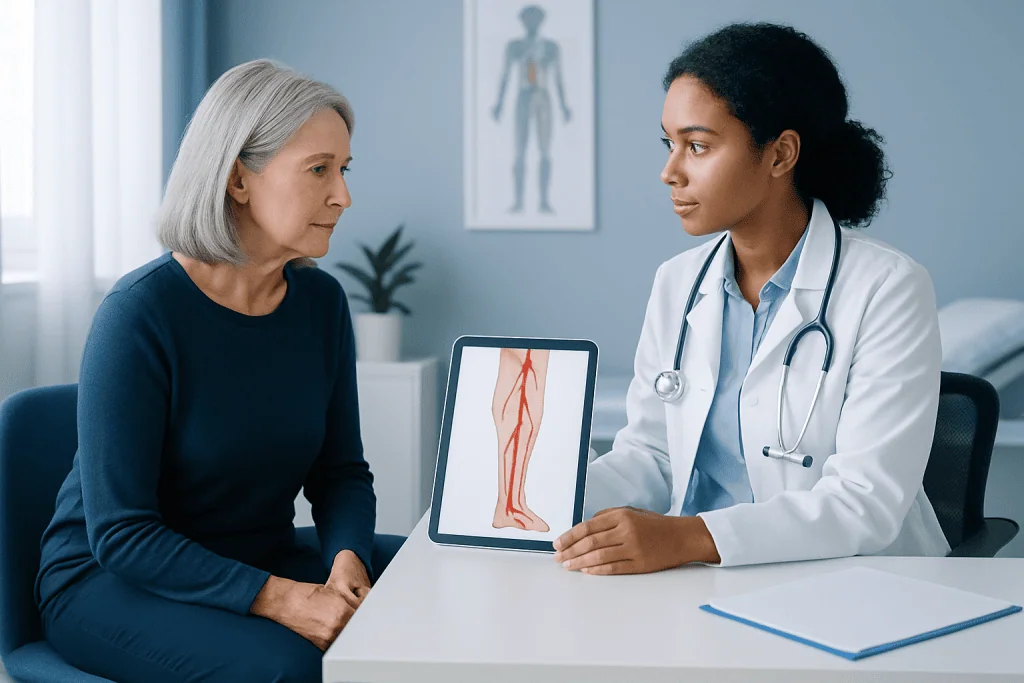
The main cause of PAD is atherosclerosis. Over time, plaque narrows the arteries and makes them less flexible. Blood clots may also form on areas of plaque, which can further reduce blood flow. Although PAD is most often discussed in relation to the legs, atherosclerosis is a whole-body process that may also affect coronary and carotid arteries.
Several factors increase the likelihood of developing Peripheral Artery Disease. Smoking is one of the strongest modifiable risk factors, because it damages the lining of blood vessels and promotes plaque formation. Diabetes is also highly important, as high blood sugar can injure blood vessels and nerves, sometimes masking foot pain or wounds.
Other risk factors include high blood pressure, high cholesterol, older age, chronic kidney disease, excess weight, physical inactivity and a family history of vascular disease. People who have had a heart attack, stroke or known coronary artery disease are also more likely to have PAD.
Risk factors often work together. For example, a person with diabetes, high cholesterol and a history of smoking may have a higher risk than someone with only one of these factors. A doctor can help assess personal risk and create a prevention and treatment plan that addresses the whole cardiovascular system.
How PAD Is Diagnosed
Diagnosis begins with a careful medical history and physical examination. The doctor asks about walking distance, the location of pain, smoking history, diabetes, blood pressure, cholesterol, medications and previous cardiovascular events. During the exam, the doctor may check pulses in the groin, behind the knee, ankle and foot, and look for skin or nail changes.
A key first test is the ankle-brachial index, or ABI. This simple, noninvasive test compares blood pressure at the ankle with blood pressure in the arm. A lower pressure in the ankle suggests reduced blood flow to the leg. In some cases, the ABI is measured before and after treadmill walking to detect exercise-related blood flow limitation.
If more detail is needed, doctors may recommend vascular ultrasound, which uses sound waves to show blood flow and identify narrowed areas. Computed tomography angiography (CTA) or magnetic resonance angiography (MRA) may be used to map the arteries before a procedure. Catheter angiography is usually reserved for cases in which treatment such as angioplasty may be performed at the same time.
Doctors may also order blood tests to evaluate cholesterol, blood sugar, kidney function and other cardiovascular risk factors. Diagnosis is not only about finding a blocked artery; it is also about understanding the person’s overall vascular health and choosing the safest, most effective treatment approach.
Treatment Options
Treatment for Peripheral Artery Disease has two main goals: improving leg symptoms and reducing the risk of heart attack, stroke and worsening vascular disease. The best plan depends on symptom severity, test results, general health and personal goals. Many people improve significantly with lifestyle changes, supervised exercise and medicines.
Supervised exercise therapy is a cornerstone of PAD treatment, especially for claudication. It typically involves structured walking sessions in which the person walks until moderate discomfort develops, rests, and repeats the cycle. Over time, this can help muscles use oxygen more efficiently and improve walking distance. If a supervised program is not available, a doctor may recommend a safe home walking plan.
Medicines may be prescribed to reduce cardiovascular risk and support circulation. These can include antiplatelet therapy to reduce clotting risk, cholesterol-lowering medicines such as statins, medications for blood pressure, and treatments for diabetes when needed. Some patients with claudication may be considered for a medicine that improves walking distance, but it is not suitable for everyone, so medical review is essential.
When symptoms remain limiting despite medical therapy and exercise, or when there are non-healing wounds or severe blood flow reduction, procedures may be considered. Endovascular treatment may include balloon angioplasty, sometimes with a stent, to open a narrowed artery. Surgical options, such as bypass surgery or endarterectomy, may be recommended when disease is extensive or anatomy is not suitable for a minimally invasive procedure. A vascular specialist can explain the benefits, risks and expected recovery for each option.
Prevention and Self-Care
Self-care is a powerful part of PAD management. Stopping smoking is one of the most important steps a person can take, and many people need more than willpower alone. Counseling, nicotine replacement or prescription support may be appropriate, and a doctor can help select a safe plan.
Regular physical activity, especially walking, helps maintain mobility and circulation. The aim is not to push through severe pain, but to follow a structured, gradual approach. People with chest pain, severe shortness of breath, dizziness, foot wounds or major mobility limitations should ask a doctor what type of activity is safe before starting.
Daily foot care is especially important for people with diabetes, reduced sensation or poor circulation. Feet should be checked for blisters, cuts, color changes or sores. Comfortable shoes, careful nail care and prompt attention to small wounds can help prevent problems. People should avoid walking barefoot if they have reduced sensation or foot wounds.
A heart-healthy lifestyle also supports artery health. This includes eating a balanced diet rich in vegetables, fruits, whole grains, legumes, fish or lean proteins, and unsaturated fats; limiting highly processed foods; managing weight when needed; taking prescribed medicines consistently; and attending follow-up visits for blood pressure, cholesterol and blood sugar monitoring.
When to See a Doctor
A person should make a medical appointment if they notice leg pain, cramping or heaviness that appears with walking and improves with rest. This is especially important for people who smoke, have diabetes, high blood pressure, high cholesterol, kidney disease, or a history of heart attack or stroke. Early assessment can identify PAD before complications develop.
Prompt medical care is needed for foot or leg wounds that do not heal, new color changes in the toes or foot, increasing pain at rest, or a foot that feels unusually cold or numb. These signs may indicate significantly reduced blood flow and should not be ignored. Sudden severe leg pain, loss of movement, loss of sensation or a pale cold limb requires urgent emergency evaluation.
Patients who have already been diagnosed with PAD should keep regular follow-up appointments. Treatment often needs adjustment over time, particularly if walking ability changes or new medical conditions develop. A coordinated approach involving primary care, cardiology, vascular surgery, endocrinology, rehabilitation and wound care may be helpful.
Acibadem International’s multidisciplinary specialists and JCI-accredited hospitals diagnose and treat Peripheral Artery Disease for international patients, including vascular imaging, medical management and advanced vascular procedures when appropriate. Patients should consult a qualified doctor to determine the care plan that fits their individual condition.
Frequently asked questions
What does leg pain from Peripheral Artery Disease feel like?
PAD-related leg pain often feels like cramping, tightness, heaviness or fatigue in the calf, thigh or buttock during walking. It usually improves after a short rest and returns when walking starts again. The exact location depends on which artery is narrowed.
Can Peripheral Artery Disease occur without symptoms?
Yes. Some people have PAD but do not feel typical leg pain, especially if they are less active or have nerve problems from diabetes. This is why vascular risk factors such as smoking, diabetes, high blood pressure and high cholesterol should be taken seriously even without symptoms.
Is PAD the same as varicose veins?
No. PAD affects arteries, which carry oxygen-rich blood from the heart to the legs. Varicose veins involve veins, which return blood from the legs to the heart. The causes, symptoms and treatments are different, although both can affect the legs.
Can walking really help if walking causes pain?
Yes, structured walking therapy can improve symptoms for many people with claudication. The usual approach is to walk until moderate discomfort occurs, rest until it eases, and repeat under medical guidance. Over time, this can improve endurance and walking distance.
Will everyone with PAD need a stent or surgery?
No. Many people are treated successfully with lifestyle changes, exercise therapy and medicines that reduce cardiovascular risk. Procedures are considered when symptoms remain lifestyle-limiting despite treatment, or when blood flow is severely reduced and threatens tissue health.
What should a person with PAD do to protect their feet?
They should inspect their feet daily, wear well-fitting shoes, keep skin moisturized but not between the toes, and seek care for cuts, blisters or sores that do not heal promptly. Foot care is especially important for people with diabetes or reduced sensation.
References
- American Heart Association
- Society for Vascular Surgery
- National Heart, Lung, and Blood Institute
- European Society for Vascular Surgery
- National Institute for Health and Care Excellence
This article is for general information only and is not a substitute for professional medical advice. Please consult a qualified doctor about your individual situation.
Explore treatments in Turkey — costs, top hospitals & a free quote
JCI-accredited · board-certified surgeons · reply within 24h
Add us as a Preferred Source to see more of our trusted health content across Google Search, AI Overviews and Discover.
Check your numbers in seconds
BMI, calories, due date, blood pressure and 30+ more clinical calculators — free, instant, doctor-reviewed ranges.